
Your furnace may struggle to keep up with Chicago’s cold due to dirty filters, thermostat problems, blocked vents, or an undersized heating system. Many homeowners face this frustrating problem during harsh winter months. Your family deserves consistent warmth when temperatures drop below freezing outside.
Chicago winters demand reliable heating performance from your furnace. Chicago’s average January temperature hovers around 25°F, with lows near 18.8°F creating heavy demand on heating systems. Our team has helped thousands of local families restore comfort during brutal cold snaps.
This guide shows you simple fixes to try first. You’ll learn when to call professionals for serious furnace issues. We’ll help you understand why your heating system struggles during extreme weather.
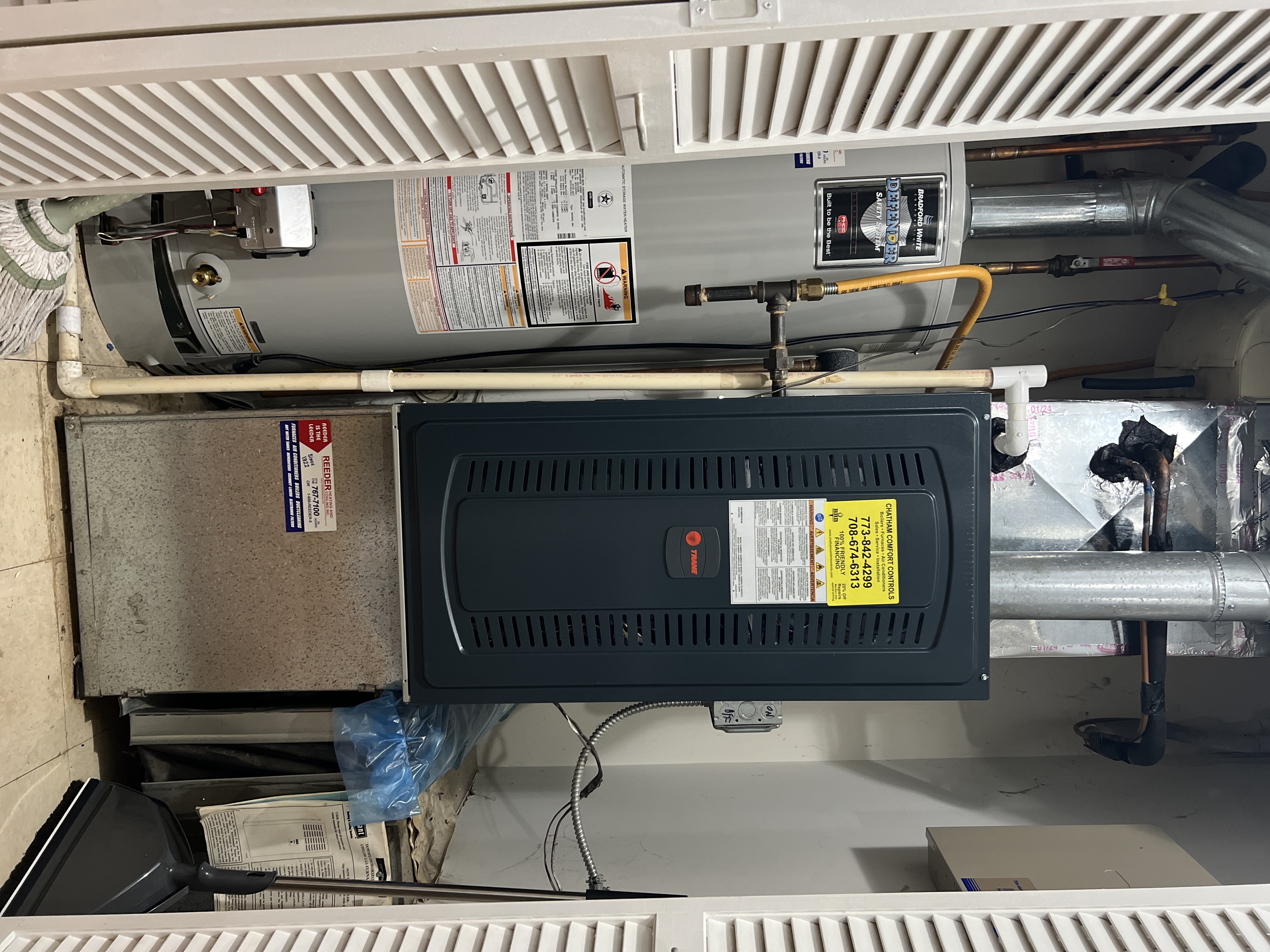
Quick Furnace Fixes to Try Before Calling a Pro
Simple checks often solve common heating problems quickly. These basic steps restore warmth without expensive repairs. You can complete most fixes in just minutes.
Check and Replace the Furnace Air Filter
Air filter condition directly affects your furnace’s ability to heat properly. Dirty filters block airflow and force your system to work harder. Replace filters every 30 to 90 days during winter use. Clogged filters cause heating performance inconsistency and higher energy bills. Clean filters improve efficiency by up to 20 percent.
Inspect the Thermostat for Accuracy and Battery Power
Thermostat settings control when your furnace runs and stops. Verify the setting shows “heat” mode, not “cool” or “off.” Set the temperature at least three degrees above current room temperature. Replace batteries twice yearly to prevent power failures. Old thermostats may need recalibration or replacement for accurate readings.
Clear Vents, Registers, and Return Air Grilles
Vent and duct blockage prevents warm air from reaching living spaces. Move furniture, curtains, and boxes away from all vents. Check every room for blocked registers that restrict airflow. Clean return air grilles monthly to maintain proper circulation. Open all vents throughout your home during cold weather.
Check Power Supply and Reset the Circuit Breaker
Circuit breaker reset often fixes furnaces that won’t start at all. Locate your electrical panel and check for tripped breakers. Flip the furnace breaker completely off, then back on firmly. Verify the furnace power switch near the unit stays on. Some homes have multiple switches that control furnace operation.
Inspect the Pilot Light or Ignition System
Pilot light status indicates whether gas furnaces can generate heat. Look through the viewing window for a steady blue flame. Relight the pilot following manufacturer instructions if it’s out. Modern furnaces use electronic ignition systems instead of standing pilots. Flame sensor cleanliness affects whether burners stay lit during operation.
Boosting Furnace Performance During Extreme Cold in Chicago
Heating degree days for Chicago exceed 1,200 in January, showing massive energy requirements. Strategic adjustments help your furnace handle peak demand periods. Small changes make big differences in home comfort levels.
Maintain a Consistent Thermostat Setting
Avoid drastic temperature changes that stress your heating system. Keep settings steady between 68 and 72 degrees during occupied hours. System startup and shutdown behavior improves with consistent temperature targets. Frequent adjustments cause unnecessary wear on furnace components.
Keep Interior Doors Open to Improve Airflow
Closed doors trap air and create pressure imbalances throughout homes. Open doors allow warm air to circulate freely between rooms. This simple step improves heating system responsiveness significantly. Blower motor function works better when air moves without restrictions.
Prevent Snow or Ice from Blocking Exterior Vents
Check outside intake and exhaust pipes after every snowfall. Clear snow, ice, and debris from all exterior vents immediately. Blocked vents cause safety switch status problems and system shutdowns. Lake Michigan winds can quickly pile snow against your home’s exterior.
Common Reasons Your Furnace Can’t Keep Up with Chicago Winters
About 80 percent of Illinois households rely on natural gas for heating. Understanding failure causes helps you address problems faster. Multiple factors affect your furnace’s heating capability during cold weather.
Furnace is Undersized or Past Its Prime
Furnace age and maintenance history determine heating performance over time. Systems older than 15 years lose efficiency gradually each season. Undersized furnaces never produce enough heat for your home’s square footage. Energy consumption change often signals declining efficiency in aging equipment.
Thermostat Issues or Miscalibration
Faulty thermostats send incorrect signals to your heating system. Temperature sensors drift out of calibration over many years. Error code readout displays help technicians diagnose thermostat communication problems. Upgrading to programmable models improves comfort and saves money.
When to Call a Furnace Repair Expert in Chicago
Professional HVAC inspection becomes necessary when DIY fixes fail. Certain problems require licensed technicians with specialized tools. Safety issues demand immediate expert attention every time.
Signs of a Gas Leak or Unusual Smells
Noise and odor detection helps identify dangerous situations quickly. Leave your home immediately if you smell gas or rotten eggs. Call your gas company or emergency services from outside. Carbon monoxide detection requires working alarms on every floor. Never ignore strange chemical smells near your furnace.
You Still Have Heating Problems After DIY Fixes
Persistent cold spots indicate serious mechanical or design problems. Thermocouple condition and gas supply valve issues need professional diagnosis. Technicians check components you cannot safely access yourself.
Conclusion
Your furnace works hard during Chicago’s brutal winter months. Simple maintenance and quick fixes solve many common heating problems. Regular filter changes, thermostat checks, and vent clearing restore comfort fast.
Professional help becomes necessary when basic solutions don’t work. Heating performance inconsistency signals deeper mechanical issues requiring expert diagnosis. Safety concerns like gas smells demand immediate professional response.
Chicago Comfort HVAC Services brings over 20 years of trusted heating solutions. We understand how subzero temperatures increase your heating load throughout winter. Our team provides fast, reliable furnace repairs for Chicago homes. Contact us today for expert furnace service you can trust.