
The 3 R’s of HVAC stand for Recover, Recycle, and Reclaim. These three steps describe how HVAC technicians handle refrigerants safely and responsibly. Chicago homeowners and businesses need to understand these practices because they protect our environment and keep systems running efficiently.
HVAC systems use refrigerants to cool your home or office. These chemicals can harm the ozone layer if released into the air. The Three Rs of refrigeration ensure technicians capture and reuse these gases instead of wasting them. This process saves money and protects our planet.
This article explains each step in simple terms. You will learn why certified contractors follow these rules and how they benefit your Chicago property.
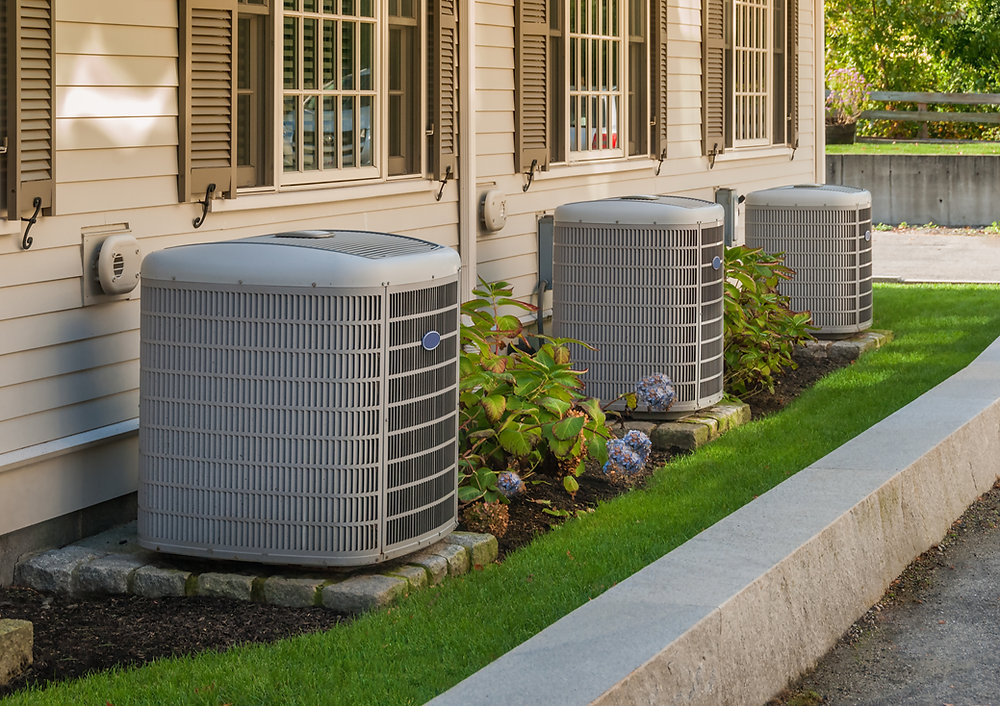
Understanding the Three R’s of HVAC Refrigerant Management
HVAC refrigerant management follows a specific order to handle cooling gases properly. Technicians must complete each step to meet environmental standards. The correct sequence is Recover, Recycle, then Reclaim.
Recover – Safe Refrigerant Removal and Storage Procedures
Recover refrigerant process means removing gas from your HVAC system safely. Technicians use special recovery machines to capture the refrigerant. They store it in sealed refrigerant storage containers approved by the EPA. This step prevents harmful chemicals from escaping into the atmosphere.
The EPA requires technicians to recover at least 90% of refrigerant when compressors work. They must recover 80% when compressors fail. These refrigerant recovery methods protect Chicago’s air quality and comply with federal law.
Preventing Atmospheric Release and Protecting the Ozone Layer
Section 608 of the Clean Air Act prohibits releasing refrigerant during service or disposal. Technicians face serious penalties for venting these gases. The refrigerant venting prohibition exists because CFCs and HCFCs damage the ozone layer. Proper recovery stops this environmental harm.
Recycle – On-Site Cleaning and Preparation for Reuse
Recycle refrigerant process cleans recovered gas at your property. Technicians use equipment to remove impurities from the refrigerant. This cleaned gas can go back into the same system. Recycling saves time and reduces waste for simple repairs.
Eliminating Contaminants Such as Oil, Moisture, and Acidity
Filter driers in refrigerant recycling remove oil, water, and acid from used refrigerant. Refrigerant moisture removal prevents ice buildup in your system. Refrigerant acidity reduction protects metal parts from corrosion. These refrigerant recycling techniques extend equipment life and improve performance.
Reclaim – Restoring Refrigerant to Virgin-Grade Standards
Reclaim refrigerant process sends used gas to certified facilities for deep cleaning. These labs use advanced refrigerant reprocessing methods to purify the chemical. The EPA requires this step before selling refrigerant to different customers.
Meeting AHRI 700 Specifications for System Reuse and Resale
Reclaimed refrigerant standards follow AHRI-700 guidelines for purity. Labs test the gas to ensure it matches new refrigerant quality. This refrigerant testing and certification allows reuse in any HVAC system. Reclaimed gas costs less than new refrigerant while performing just as well.
Why the 3 R’s Are Essential for HVAC Systems in Chicago, IL
Chicago properties benefit greatly from proper environmental refrigerant handling. These practices reduce pollution and support city sustainability goals.
Meeting EPA Refrigerant Management Regulations and Compliance
HVAC refrigerant regulations require certified technicians to follow the 3 R’s. EPA Section 608 refrigerants rules apply to all cooling systems. Contractors must document recovery amounts and reclamation activities. This HVAC environmental compliance protects your business from fines.
Reducing Greenhouse Gas Emissions and Air Pollution in Chicago
Proper refrigerant charge management cuts greenhouse gas emissions significantly. The 3 R’s support Chicago’s climate action plans. Sustainable refrigerant use helps our city meet clean air targets. Every recovered pound of refrigerant prevents atmospheric damage.
Promoting Energy Efficiency and Sustainable Resource Use
The refrigerant circular economy reduces demand for new chemical production. Reduce, Reuse, Recycle HVAC practices conserve natural resources. Systems with proper refrigerant levels run more efficiently. This saves energy and lowers your utility bills.
The Role of Certified HVAC Technicians in Proper Refrigerant Handling
Only trained professionals should handle refrigerants in Chicago homes and businesses. Certification ensures they follow refrigerant safety protocols correctly.
Understanding Section 608 Certification Requirements
Technicians must pass EPA tests to work with refrigerants legally. This certification covers recovery, recycling, and reclamation procedures. Certified contractors understand heat transfer fluid refrigerants and their environmental impact.
Operating EPA-Approved Recovery and Recycling Equipment
Professionals use machines that meet strict EPA performance standards. This equipment captures refrigerant efficiently and safely. Proper tools ensure complete recovery and prevent leaks.
Maintaining Accurate Documentation for Reclamation and Compliance
Contractors keep detailed records of all refrigerant work. They document amounts recovered, recycled, and sent for reclamation. This paperwork proves compliance during inspections.
Best Practices for Homeowners and Businesses in Chicago, IL
Chicago property owners can support proper refrigerant management through smart choices.
Scheduling Routine HVAC Maintenance to Prevent Leaks
Regular service catches small problems before refrigerant escapes. Refrigerant leak prevention saves money and protects the environment. Annual checkups keep systems running efficiently.
Hiring Certified Contractors for Refrigerant Recovery and Reclaim
Always choose EPA-certified HVAC professionals for repairs and replacements. They follow proper recovery procedures and documentation requirements. Certified technicians protect your investment and our environment.
Conclusion
The 3 R’s of HVAC protect Chicago’s environment while keeping cooling systems efficient. Recover, Recycle, and Reclaim work together to manage refrigerants responsibly. These practices reduce pollution, save resources, and ensure regulatory compliance.
Chicago Comfort HVAC Services employs certified technicians who follow all EPA refrigerant guidelines. We use approved equipment for recovery, recycling, and proper documentation. Our team understands the importance of environmental protection in every service call.
Contact Chicago Comfort HVAC Services today for certified refrigerant management services. We provide expert HVAC solutions that protect your property and our planet.