
3 Reasons Your Heat Exchanger Cracked Early
3 Reasons Your Heat Exchanger Cracked Early
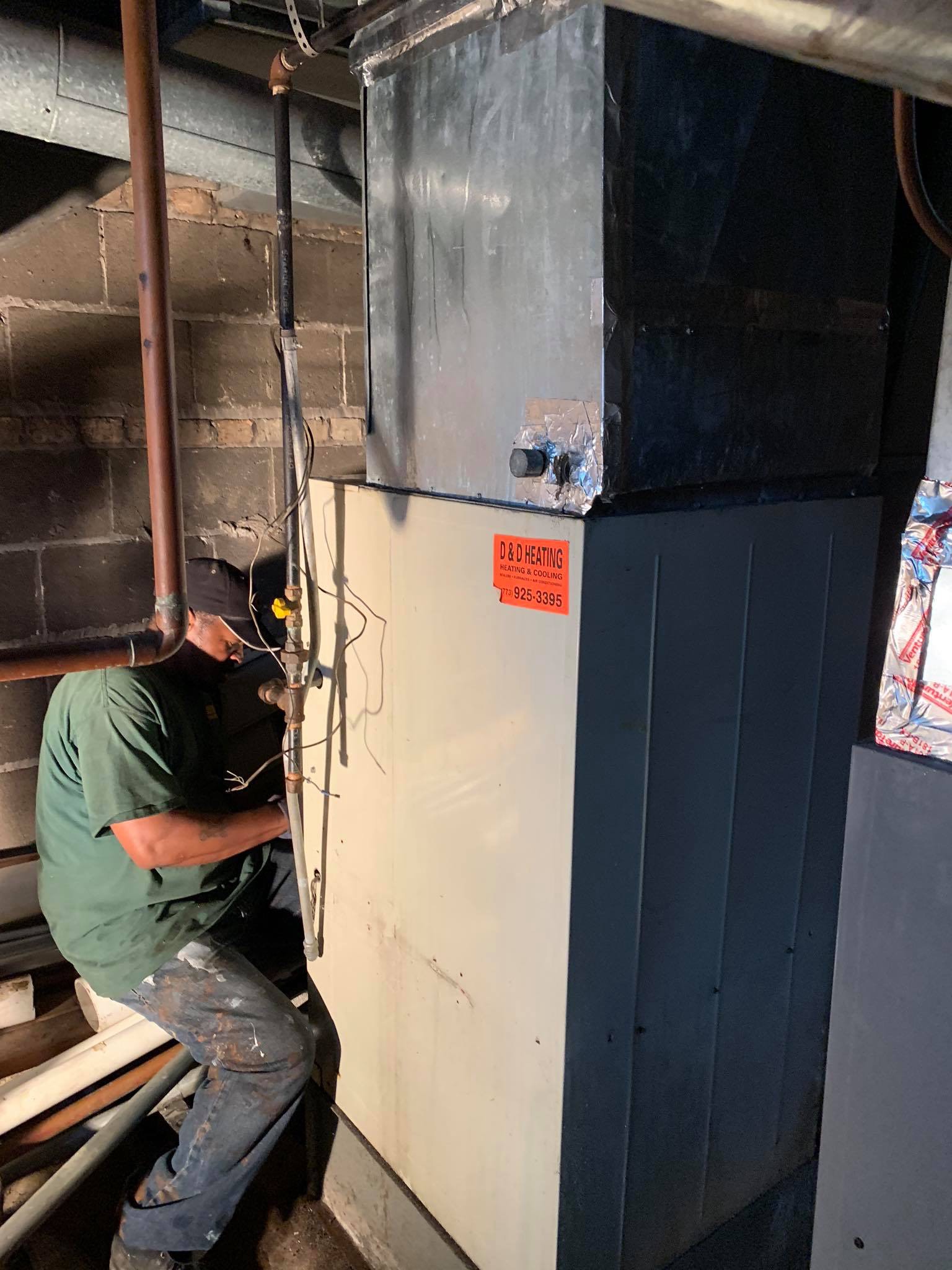
Introduction
Your heat exchanger cracked early because of poor airflow, frequent overheating, or corrosion. Chicago homeowners face this problem more often during harsh winters when furnaces run nonstop. A cracked heat exchanger can leak dangerous carbon monoxide into your home.
We've seen this issue countless times in our 20 years serving Chicago families. Restricted airflow from dirty filters forces your furnace to overheat repeatedly. Corrosion from condensation and improper venting eats through metal faster than you think.
This guide reveals the three main causes of premature heat exchanger failure. You'll learn how to spot warning signs and protect your family today.
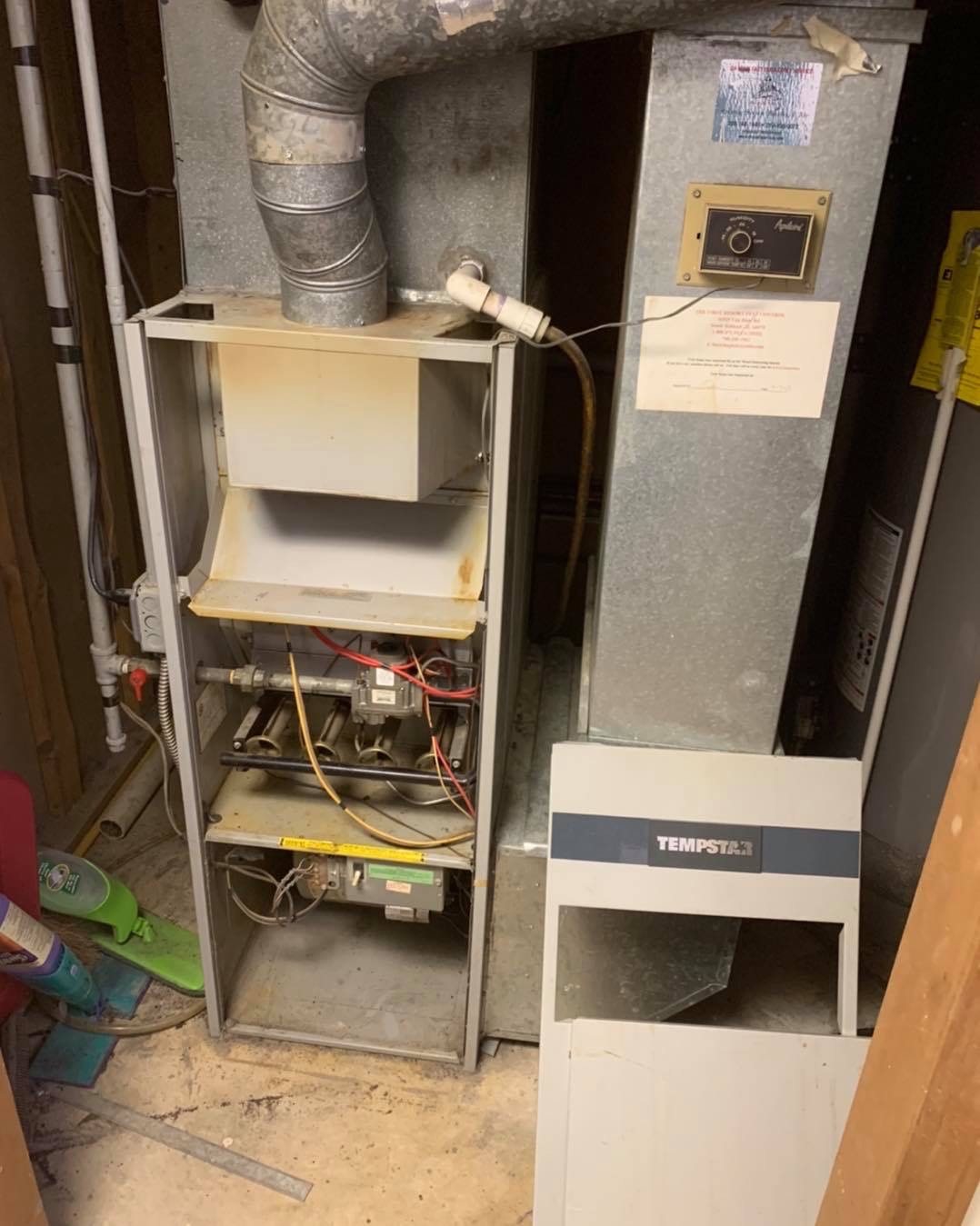
What Does a Heat Exchanger Do in Your Furnace?
The heat exchanger transfers warmth from burning gas to the air circulating through your home. This metal chamber keeps dangerous combustion gases separate from breathable air. Your furnace depends on this component to heat safely and efficiently.
How It Safely Transfers Heat to Your Home
The heat exchanger heats up when gas burners ignite inside the sealed chamber. Cool air from your home blows across the hot metal surface. This process warms the air without mixing it with harmful gases. The warmed air then travels through your ducts to every room.
Why Cracks Can Lead to Efficiency Loss and Safety Hazards
Cracks allow combustion gases to escape into your breathing air at home. Carbon monoxide and nitrogen dioxide pose serious health risks to your family. Heating systems with cracked heat exchangers caused 62 deaths in 2020 nationwide. Illinois reports that faulty heating equipment causes nearly one-third of accidental CO deaths annually.
Why Heat Exchangers Crack Sooner in Chicago's Winter Climate
Chicago's brutal winters force furnaces to work harder and longer than most regions. Age and normal wear happen faster when your system runs six months straight. The constant heating cycle stresses metal components beyond their design limits.
Repeated Expansion and Contraction Weakens Metal Over Time
Metal expands when heated and contracts when cooled during each heating cycle. This constant movement creates tiny stress points in the heat exchanger walls. Thermal stress from repeated cycles eventually causes cracks to form in weakened areas.
Long Heating Seasons Increase Metal Fatigue in Aging Furnaces
Chicago furnaces run from October through April in most homes. This extended season means more heating cycles than warmer climates experience. Metal fatigue develops faster when your furnace operates 180 days per year instead of 90.
Poor Airflow: The Leading Cause of Heat Exchanger Failure
Overheating caused by restricted airflow is the number one reason heat exchangers crack prematurely. Your furnace needs steady air movement to dissipate heat properly. Blocked airflow traps excessive heat inside the combustion chamber.
Dirty Filters Restrict Heat Dissipation
Dirty filters block airflow and force your furnace to work much harder. Clogged filters prevent cool air from flowing across the hot heat exchanger. This trapped heat causes temperatures to spike beyond safe operating levels. Over half of residential HVAC systems show low airflow problems nationwide.
Blocked Vents Reduce Air Circulation
Furniture placed over floor vents stops air from circulating through your system. Debris in ductwork creates additional resistance to proper airflow. These obstructions make your furnace overheat with every heating cycle.
How Insufficient Airflow Traps Heat and Overstresses the System
Insufficient airflow prevents heat from escaping the combustion chamber as designed. The trapped heat causes metal temperatures to exceed manufacturer specifications. This constant overstress weakens the metal and creates cracks over time.
Frequent Overheating Shortens Furnace Lifespan
Repeated overheating episodes damage your heat exchanger faster than normal operation. Each overheating cycle weakens the metal structure a little more. Metallurgical studies found 14.7% of horizontal furnaces showed hot-spot damage with cracks averaging seven to nine inches.
Oversized Furnaces Cause Short Cycling and Thermal Stress
Oversized furnaces heat your home too quickly and shut off repeatedly. This short-cycling creates constant heating and cooling of the metal. The rapid temperature changes cause severe thermal stress and premature cracking.
Combustion Imbalances Increase Internal Temperatures
Combustion problems make burners run hotter than normal operating temperatures. Improper gas-to-air ratios create excessive heat inside the chamber. These elevated temperatures accelerate metal deterioration and crack formation.
Gas Pressure and Burner Issues Contribute to Heat Buildup
Incorrect gas pressure forces burners to produce more heat than intended. Dirty or misaligned burners create hot spots on heat exchanger surfaces. These concentrated heat areas weaken specific sections of the metal faster.
Corrosion: A Hidden Culprit in Cracked Heat Exchangers
Moisture and corrosion eat through heat exchanger metal from the inside out. This chemical process weakens the metal structure before visible cracks appear. Corrosion often goes unnoticed until catastrophic failure occurs.
Excessive Condensation Promotes Rust and Material Breakdown
Excess condensation forms when combustion gases cool inside the heat exchanger. This moisture creates rust that weakens the metal over months and years. The rust pits become starting points for cracks to develop.
Improper Venting Produces Acidic Vapors That Eat Through Metal
Improper venting traps acidic combustion gases inside your furnace system. These acidic gases chemically attack the metal surfaces of your heat exchanger. Household chemicals like bleach and hairspray accelerate this corrosion process significantly.
Conclusion
Heat exchangers crack early from poor airflow, overheating, and corrosion in Chicago homes. These three factors work together to damage your furnace faster than normal wear. Regular maintenance and proper installation prevent most premature failures.
Chicago Comfort HVAC Services has protected families from dangerous heat exchanger failures for over 20 years. We provide thorough inspections, expert repairs, and honest replacement recommendations. Our licensed technicians understand Chicago's unique heating challenges and building codes.
Contact Chicago Comfort HVAC Services today for a complete furnace safety inspection. We'll check your heat exchanger, test for carbon monoxide, and ensure your family stays warm and safe all winter.
Follow a maintenance program
Ante gravida id aenean quis egestas risus nam amet nullam leo diam diam aliquam eu eu malesuada arcu rhoncus suspendisse nulla mattis ut amet sagittis in justo egestas.

search for a trusted mechanic
Lorem ipsum dolor sit amet, consectetur adipiscing elit lobortis arcu enim urna adipiscing praesent velit viverra sit semper lorem eu cursus vel hendrerit elementum morbi curabitur etiam nibh justo, lorem aliquet donec sed sit mi dignissim at ante massa mattis.
- Neque sodales ut etiam sit amet nisl purus non tellus orci ac auctor
- Adipiscing elit ut aliquam purus sit amet viverra suspendisse potent
- Mauris commodo quis imperdiet massa tincidunt nunc pulvinar
- Excepteur sint occaecat cupidatat non proident sunt in culpa qui officia
Check the air pressure in your tires
Vitae congue eu consequat ac felis placerat vestibulum lectus mauris ultrices cursus sit amet dictum sit amet justo donec enim diam porttitor lacus luctus accumsan tortor posuere praesent tristique magna sit amet purus gravida quis blandit turpis.
Review your suspension frequently
At risus viverra adipiscing at in tellus integer feugiat nisl pretium fusce id velit ut tortor sagittis orci a scelerisque purus semper eget at lectus urna duis convallis. porta nibh venenatis cras sed felis eget neque laoreet suspendisse interdum consectetur libero id faucibus nisl donec pretium vulputate sapien nec sagittis aliquam nunc lobortis mattis aliquam faucibus purus in.
- Neque sodales ut etiam sit amet nisl purus non tellus orci ac auctor
- Adipiscing elit ut aliquam purus sit amet viverra suspendisse potent
- Mauris commodo quis imperdiet massa tincidunt nunc pulvinar
- Excepteur sint occaecat cupidatat non proident sunt in culpa qui officia
Service your vehicle as regularly as posible
At risus viverra adipiscing at in tellus integer feugiat nisl pretium fusce id velit ut tortor sagittis orci a scelerisque purus semper eget at lectus urna duis convallis. porta nibh venenatis cras sed felis eget neque laoreet suspendisse interdum consectetur libero id faucibus nisl donec pretium vulputate sapien nec sagittis aliquam nunc lobortis mattis aliquam faucibus purus in.
“Nisi quis eleifend quam adipiscing vitae aliquet bibendum enim facilisis gravida neque velit euismod in pellentesque”
Conclusion
Eget lorem dolor sed viverra ipsum nunc aliquet bibendum felis donec et odio pellentesque diam volutpat commodo sed egestas aliquam sem fringilla ut morbi tincidunt augue interdum velit euismod eu tincidunt tortor aliquam nulla facilisi aenean sed adipiscing diam donec adipiscing ut lectus arcu bibendum at varius vel pharetra nibh venenatis cras sed felis eget.
