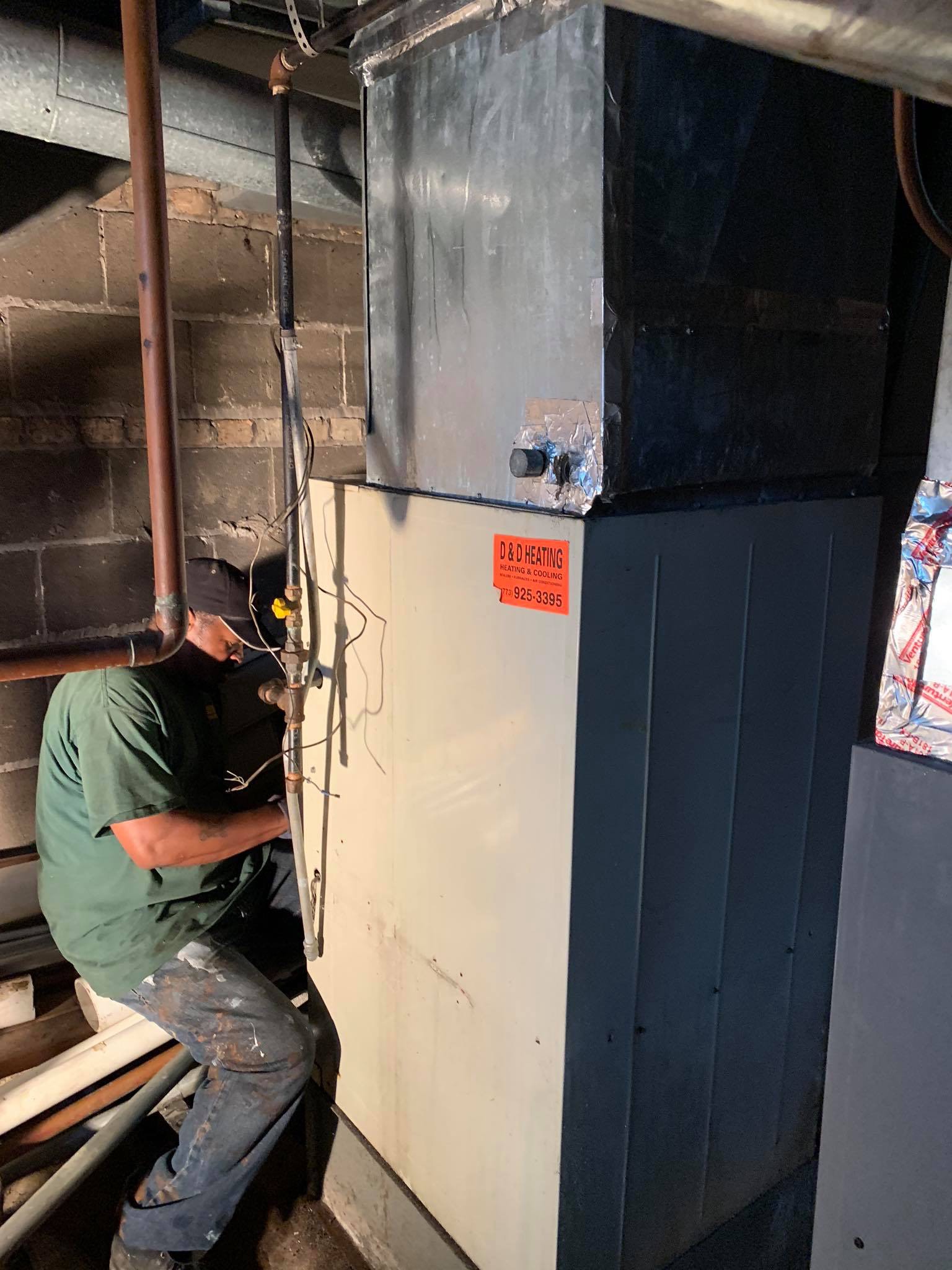
Are HVAC Prices Going Up in 2026?
Are HVAC Prices Going Up in 2026? Chicago Cost Guide
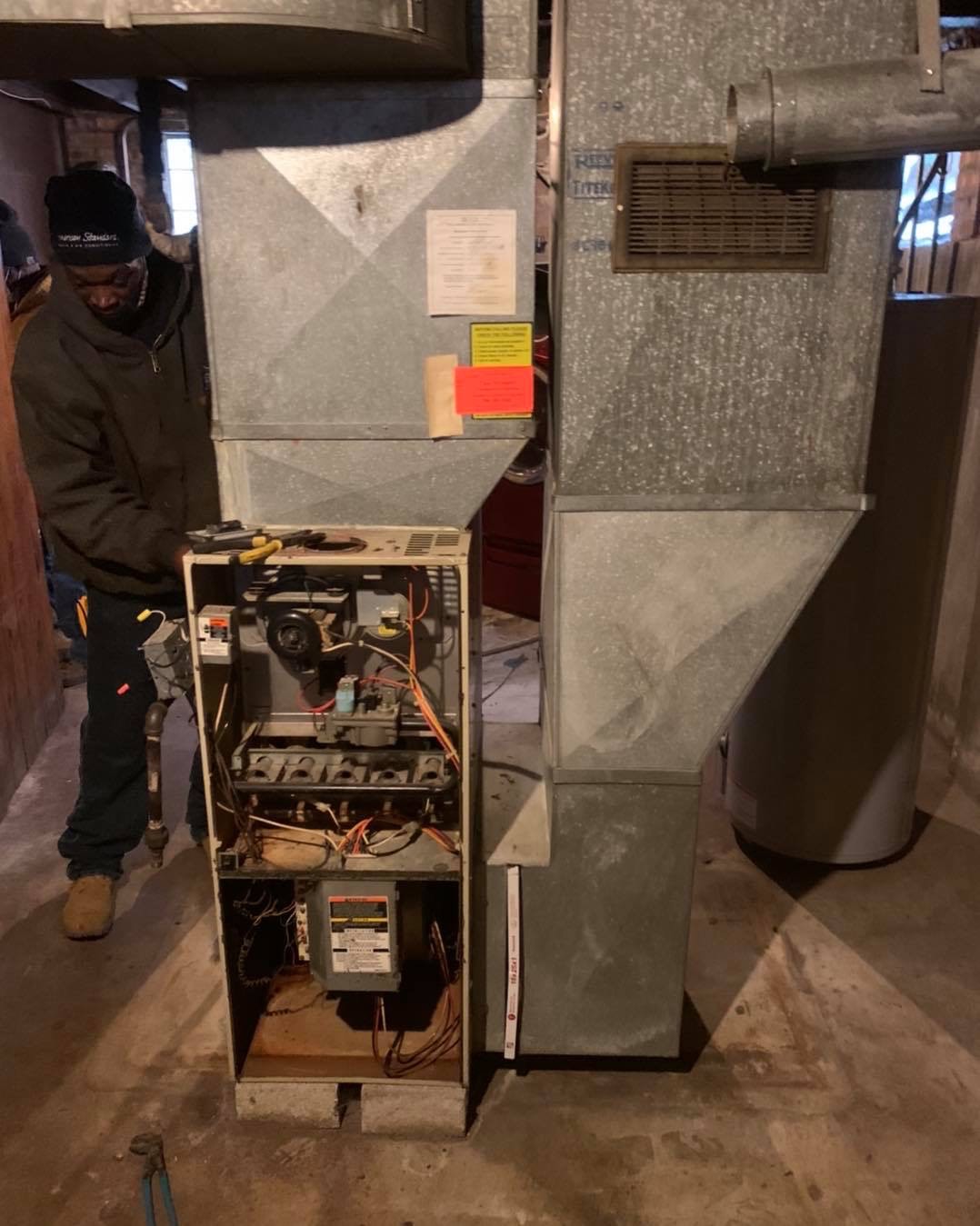
Yes, HVAC prices are projected to increase by 10-15% in 2026 due to new refrigerant regulations, ongoing supply chain pressures, and rising labor costs across the Chicago market. For homeowners planning a system replacement, understanding these price drivers now can save thousands of dollars.
These increases affect everyone from first-time homebuyers to commercial property managers budgeting for capital improvements. The changes aren't arbitrary—they reflect real shifts in manufacturing costs, environmental regulations, and skilled labor availability that directly impact what you'll pay.
This guide breaks down exactly what's driving 2026 HVAC costs, provides current Chicago pricing benchmarks, and offers practical strategies to budget effectively for your heating and cooling investment.
What's Driving HVAC Price Changes in 2026?
Several converging factors are pushing HVAC equipment and installation costs higher heading into 2026. Understanding these drivers helps you make informed decisions about timing and budgeting for your project.
Refrigerant Regulations and the R-410A Phase-Down
The Environmental Protection Agency's AIM Act regulations are phasing down production of R-410A refrigerant, which has been the industry standard for over two decades. Starting in 2025, manufacturers must reduce HFC production by 40%, with further cuts scheduled through 2036.
This phase-down means equipment using newer refrigerants like R-454B will become standard. These next-generation systems require different components, specialized training for technicians, and updated manufacturing processes—all of which add cost. Equipment manufacturers have already begun transitioning their product lines, and the price premium for compliant systems typically runs $500-$1,500 higher than comparable R-410A units.
Supply Chain and Manufacturing Cost Pressures
Raw material costs for copper, aluminum, and steel remain elevated compared to pre-2020 levels. HVAC equipment relies heavily on these metals for coils, compressors, and ductwork. While prices have stabilized somewhat, manufacturers continue adjusting their pricing to reflect these sustained higher input costs.
Additionally, semiconductor shortages that disrupted production during 2021-2023 prompted manufacturers to build more inventory buffers, increasing carrying costs that get passed along to consumers. The Bureau of Labor Statistics producer price index for HVAC equipment has risen approximately 18% since 2020.
Labor Shortages and Rising Installation Costs
Chicago's HVAC labor market faces the same skilled trades shortage affecting the entire Midwest. The Bureau of Labor Statistics projects HVAC technician demand will grow 6% through 2032, but training programs aren't producing enough qualified workers to meet current needs.
This imbalance drives wages higher. Experienced installation crews in the Chicago area now command $75-$150 per hour, depending on the complexity of the job and the contractor's expertise. These labor costs typically represent 40-60% of your total installation expense.
How Much Will HVAC Systems Cost in Chicago in 2026?
Chicago homeowners should budget for these approximate price ranges when planning 2026 HVAC projects. These estimates include equipment and standard installation for an average 2,000-square-foot home.
Central Air Conditioning Installation Costs
A new central air conditioning system in Chicago typically costs $4,500-$12,000 installed, depending on efficiency rating and cooling capacity. Standard 14-16 SEER2 units fall on the lower end, while high-efficiency 20+ SEER2 systems with variable-speed compressors reach the upper range.
For 2026, expect these figures to increase by approximately 10-12% as refrigerant transition costs work through the supply chain. A mid-range 16 SEER2 system that costs $6,500 today will likely run $7,200-$7,500 by mid-2026.
Furnace Replacement Pricing
Gas furnace replacement in Chicago ranges from $3,500-$9,500 installed, with efficiency ratings (AFUE) being the primary price driver. Standard 80% AFUE furnaces cost less upfront but aren't eligible for many rebate programs. High-efficiency 96-98% AFUE models cost more initially but qualify for incentives and deliver lower monthly heating bills.
Given Chicago's harsh winters, most homeowners find the investment in higher-efficiency furnaces pays back within 5-7 years through reduced natural gas consumption.
Heat Pump System Costs
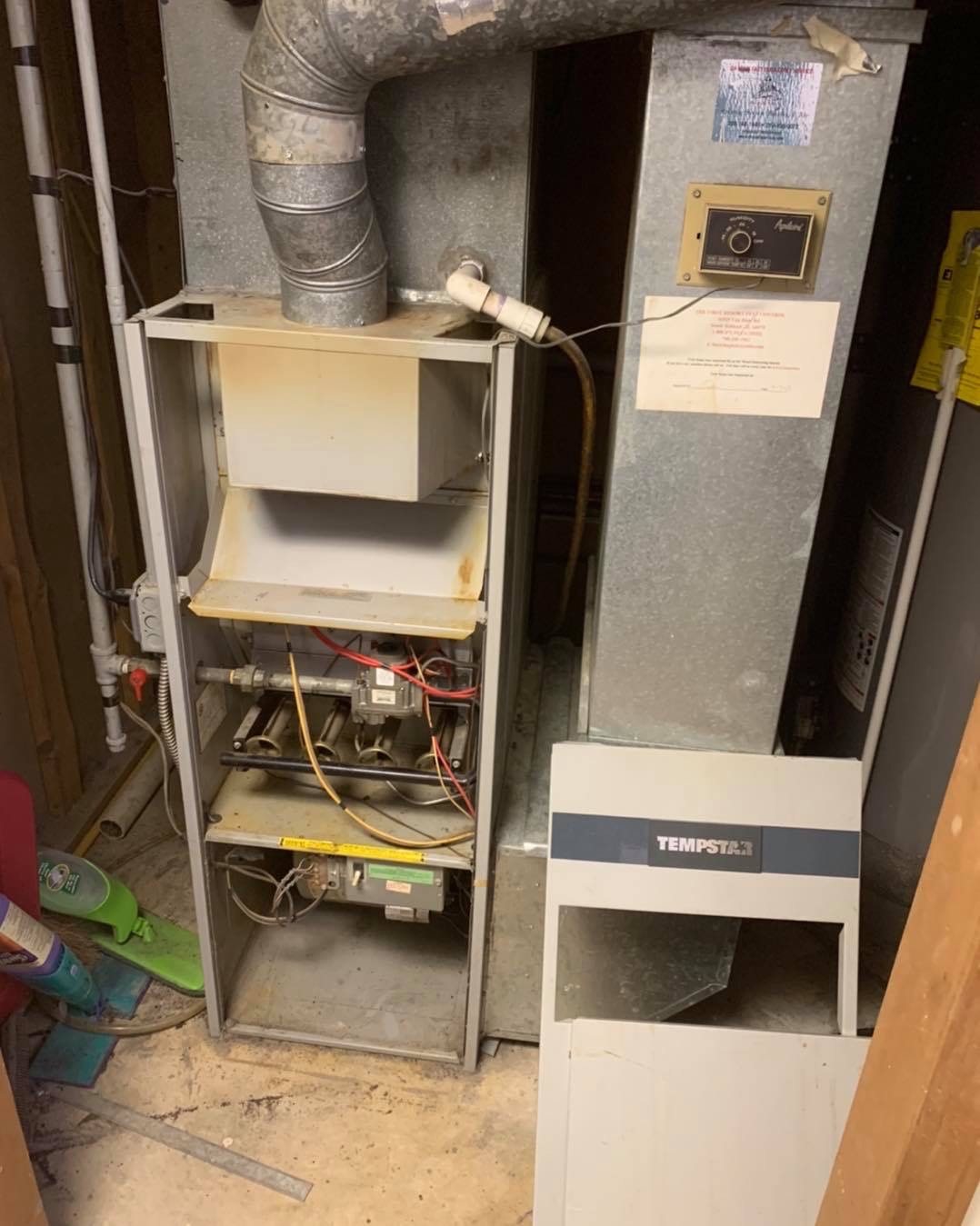
Heat pumps are gaining popularity in Chicago as cold-climate technology improves. Modern heat pumps can operate efficiently down to -15°F, making them viable for our winters when paired with a backup heating source.
Expect to pay $6,000-$18,000 for a heat pump installation, depending on whether you choose a standard air-source unit or a more efficient (and expensive) ground-source geothermal system. Dual-fuel systems that combine a heat pump with a gas furnace backup typically run $10,000-$15,000 installed.
Complete HVAC System Replacement Estimates
Replacing both your furnace and air conditioner simultaneously offers cost advantages over separate projects. Bundled installations in Chicago typically range from $8,000-$20,000 for standard to high-efficiency matched systems.
This combined approach saves on labor costs since technicians complete electrical, refrigerant, and ductwork modifications in a single visit. Most contractors offer $500-$1,500 in savings for bundled installations compared to separate projects.
Chicago-Specific Factors Affecting HVAC Prices
Local market conditions significantly influence what you'll pay for HVAC work in the Chicago area. These factors can add or subtract thousands from national average estimates.
Climate Demands and Equipment Requirements
Chicago's climate demands robust equipment. Summer temperatures regularly exceed 90°F with high humidity, while winter lows drop below 0°F multiple times per season. This temperature swing of nearly 100 degrees requires properly sized, high-quality equipment.
Undersized systems run constantly, driving up energy bills and wearing out prematurely. Oversized systems cycle too frequently, creating humidity problems and uneven temperatures. Proper load calculations by qualified contractors ensure you get equipment matched to your home's specific needs—not just a guess based on square footage.
Local Permit and Code Compliance Costs
Chicago and surrounding municipalities require permits for HVAC installations, typically costing $150-$400 depending on jurisdiction. The City of Chicago also mandates specific installation standards that may exceed state minimums.
Reputable contractors include permit costs in their quotes and handle the inspection process. Be wary of significantly lower bids that don't mention permits—unpermitted work can create problems when selling your home and may void manufacturer warranties.
Seasonal Pricing Fluctuations in the Chicago Market
HVAC pricing in Chicago follows predictable seasonal patterns. Emergency replacements during extreme weather—January cold snaps or July heat waves—typically cost 15-25% more than planned installations during shoulder seasons.
The best time to schedule HVAC work in Chicago is typically March-May or September-November. Contractors have more availability, manufacturers sometimes offer seasonal promotions, and you're not competing with emergency calls for technician time.
How to Budget for Your 2026 HVAC Investment
Smart budgeting helps you get the best system for your needs without overextending financially. Several options can make a major HVAC investment more manageable.
Financing Options and Payment Plans
Most established HVAC contractors offer financing through partnerships with lenders specializing in home improvement loans. Common options include:
Same-as-cash financing allows you to pay off the balance within 12-18 months with no interest charges. This works well if you can budget the monthly payments but don't want to deplete savings.
Extended payment plans spread costs over 5-12 years with interest rates typically ranging from 6-15% depending on credit score. Monthly payments on a $12,000 system might run $150-$250 over a 7-year term.
Home equity options like HELOCs often offer lower interest rates than contractor financing, though they require sufficient equity and a longer application process.
Available Rebates and Tax Incentives
Illinois homeowners can access several incentive programs that reduce effective HVAC costs:
The federal tax credit under the Inflation Reduction Act offers 30% of equipment and installation costs (up to $2,000) for qualifying heat pumps and $600 for high-efficiency furnaces and central air conditioners.
ComEd rebates provide $500-$1,500 for qualifying high-efficiency equipment in their service territory. Nicor Gas offers similar programs for high-efficiency furnaces.
Combined, these incentives can reduce your out-of-pocket cost by $1,500-$4,000 on qualifying equipment.
Long-Term Energy Savings vs. Upfront Costs
Higher-efficiency equipment costs more upfront but delivers lower monthly operating costs. For a typical Chicago home, upgrading from a 14 SEER2/80% AFUE system to a 18 SEER2/96% AFUE system might cost an additional $3,000-$5,000 but save $400-$700 annually in energy costs.
At those savings rates, the efficiency upgrade pays for itself in 5-8 years while providing better comfort and reliability throughout the system's 15-20 year lifespan.
Should You Replace Your HVAC System Before 2026?
Timing your HVAC purchase strategically can save significant money. Here's how to evaluate whether acting now makes financial sense.
Signs Your Current System Needs Replacement
Several indicators suggest your system is approaching end-of-life:
Age matters. Furnaces typically last 15-20 years; air conditioners last 12-15 years. Systems beyond these ranges often cost more to repair than replace.
Rising repair frequency signals declining reliability. If you've had two or more significant repairs in the past two years, replacement usually makes more financial sense.
Increasing energy bills despite normal usage patterns indicate declining efficiency. A system that cost $150/month to operate five years ago but now costs $225/month is losing efficiency.
Uneven temperatures and humidity problems suggest the system can no longer maintain comfort effectively.
Timing Your Purchase for Maximum Savings
If your system is showing signs of decline but still functioning, you have the luxury of planning your replacement strategically.
Buying before 2026 locks in current pricing before refrigerant transition costs fully impact the market. Equipment purchased in late 2024 or early 2025 using R-410A will remain serviceable for its full lifespan—refrigerant will still be available for repairs, just at higher prices.
Waiting until 2026 means paying higher equipment costs but getting newer technology designed for next-generation refrigerants. These systems may offer slightly better efficiency and will be easier to service long-term.
For most Chicago homeowners with aging systems, replacing in spring 2025 offers the best balance of current pricing and avoiding emergency replacement scenarios.
Repair vs. Replace Cost Analysis
A useful rule of thumb: if a repair costs more than 50% of replacement value on a system over 10 years old, replacement typically makes better financial sense.
For example, a $2,500 compressor repair on a 12-year-old air conditioner (replacement value $6,000) exceeds the 50% threshold. That repair money would be better applied toward a new, efficient system with a full warranty.
However, a $400 capacitor replacement on the same system makes sense—it's a minor repair that extends useful life at minimal cost.
Conclusion
HVAC prices in 2026 will reflect ongoing pressures from refrigerant regulations, material costs, and labor market conditions. Chicago homeowners can expect to pay 10-15% more than current prices for comparable equipment and installation quality.
Understanding these cost drivers empowers you to budget effectively, time your purchase strategically, and take advantage of available rebates and financing options. Whether you act now or plan for 2026, informed decisions lead to better outcomes.
We're here to help you navigate these changes with confidence. Contact Chicago Comfort HVAC for a transparent, no-pressure estimate tailored to your home's specific needs and your budget priorities.
Frequently Asked Questions
How much will a new HVAC system cost in Chicago in 2026?
A complete HVAC system replacement in Chicago will likely cost $9,000-$22,000 in 2026, depending on equipment efficiency and home size. This represents approximately a 10-15% increase over 2024 pricing due to refrigerant transitions and labor cost increases.
Why are HVAC prices increasing?
HVAC prices are rising due to EPA regulations phasing down R-410A refrigerant production, sustained higher costs for copper and aluminum, and a nationwide shortage of skilled HVAC technicians. These factors combine to increase both equipment and installation costs.
Is it better to buy an HVAC system now or wait until 2026?
If your current system is functioning but showing age, buying in late 2024 or early 2025 locks in current pricing before refrigerant transition costs fully impact the market. Waiting makes sense only if your system is relatively new and reliable.
What is the cheapest time of year to buy an HVAC system in Chicago?
Spring (March-May) and fall (September-November) typically offer the best pricing in Chicago. Contractors have more availability, manufacturers run promotions, and you avoid the premium pricing associated with emergency replacements during extreme weather.
How long does an HVAC system last in Chicago's climate?
Furnaces typically last 15-20 years in Chicago, while air conditioners average 12-15 years. Chicago's extreme temperature swings and heavy seasonal use can shorten lifespan compared to milder climates, making regular maintenance essential.
Are high-efficiency HVAC systems worth the extra cost?
Yes, for most Chicago homeowners. The $3,000-$5,000 premium for high-efficiency equipment typically pays back in 5-8 years through lower energy bills. You also gain better comfort, qualify for rebates, and get a system designed to last longer.
What rebates are available for HVAC systems in Illinois?
Illinois residents can access federal tax credits up to $2,000 for heat pumps and $600 for high-efficiency furnaces and air conditioners. ComEd and Nicor Gas also offer utility rebates of $500-$1,500 for qualifying equipment.
How much does HVAC installation labor cost in Chicago?
HVAC installation labor in Chicago typically runs $75-$150 per hour, with total labor costs representing 40-60% of your project total. A standard furnace and AC installation requires 8-12 labor hours; complex installations may require more.
Will the R-410A refrigerant phase-out affect my current system?
Your current R-410A system will continue working normally. Refrigerant will remain available for repairs throughout your system's lifespan, though prices may increase as production decreases. You don't need to replace a functioning system due to the phase-out.
How can I get an accurate HVAC price estimate for my Chicago home?
Request in-home estimates from 2-3 licensed contractors who perform Manual J load calculations rather than just measuring square footage. Accurate sizing requires evaluating insulation, windows, ductwork condition, and other factors specific to your home.
Follow a maintenance program
Ante gravida id aenean quis egestas risus nam amet nullam leo diam diam aliquam eu eu malesuada arcu rhoncus suspendisse nulla mattis ut amet sagittis in justo egestas.

search for a trusted mechanic
Lorem ipsum dolor sit amet, consectetur adipiscing elit lobortis arcu enim urna adipiscing praesent velit viverra sit semper lorem eu cursus vel hendrerit elementum morbi curabitur etiam nibh justo, lorem aliquet donec sed sit mi dignissim at ante massa mattis.
- Neque sodales ut etiam sit amet nisl purus non tellus orci ac auctor
- Adipiscing elit ut aliquam purus sit amet viverra suspendisse potent
- Mauris commodo quis imperdiet massa tincidunt nunc pulvinar
- Excepteur sint occaecat cupidatat non proident sunt in culpa qui officia
Check the air pressure in your tires
Vitae congue eu consequat ac felis placerat vestibulum lectus mauris ultrices cursus sit amet dictum sit amet justo donec enim diam porttitor lacus luctus accumsan tortor posuere praesent tristique magna sit amet purus gravida quis blandit turpis.
Review your suspension frequently
At risus viverra adipiscing at in tellus integer feugiat nisl pretium fusce id velit ut tortor sagittis orci a scelerisque purus semper eget at lectus urna duis convallis. porta nibh venenatis cras sed felis eget neque laoreet suspendisse interdum consectetur libero id faucibus nisl donec pretium vulputate sapien nec sagittis aliquam nunc lobortis mattis aliquam faucibus purus in.
- Neque sodales ut etiam sit amet nisl purus non tellus orci ac auctor
- Adipiscing elit ut aliquam purus sit amet viverra suspendisse potent
- Mauris commodo quis imperdiet massa tincidunt nunc pulvinar
- Excepteur sint occaecat cupidatat non proident sunt in culpa qui officia
Service your vehicle as regularly as posible
At risus viverra adipiscing at in tellus integer feugiat nisl pretium fusce id velit ut tortor sagittis orci a scelerisque purus semper eget at lectus urna duis convallis. porta nibh venenatis cras sed felis eget neque laoreet suspendisse interdum consectetur libero id faucibus nisl donec pretium vulputate sapien nec sagittis aliquam nunc lobortis mattis aliquam faucibus purus in.
“Nisi quis eleifend quam adipiscing vitae aliquet bibendum enim facilisis gravida neque velit euismod in pellentesque”
Conclusion
Eget lorem dolor sed viverra ipsum nunc aliquet bibendum felis donec et odio pellentesque diam volutpat commodo sed egestas aliquam sem fringilla ut morbi tincidunt augue interdum velit euismod eu tincidunt tortor aliquam nulla facilisi aenean sed adipiscing diam donec adipiscing ut lectus arcu bibendum at varius vel pharetra nibh venenatis cras sed felis eget.