Furnace 101: What You Need to Know About Filters
Furnace 101: What You Need to Know About Filters
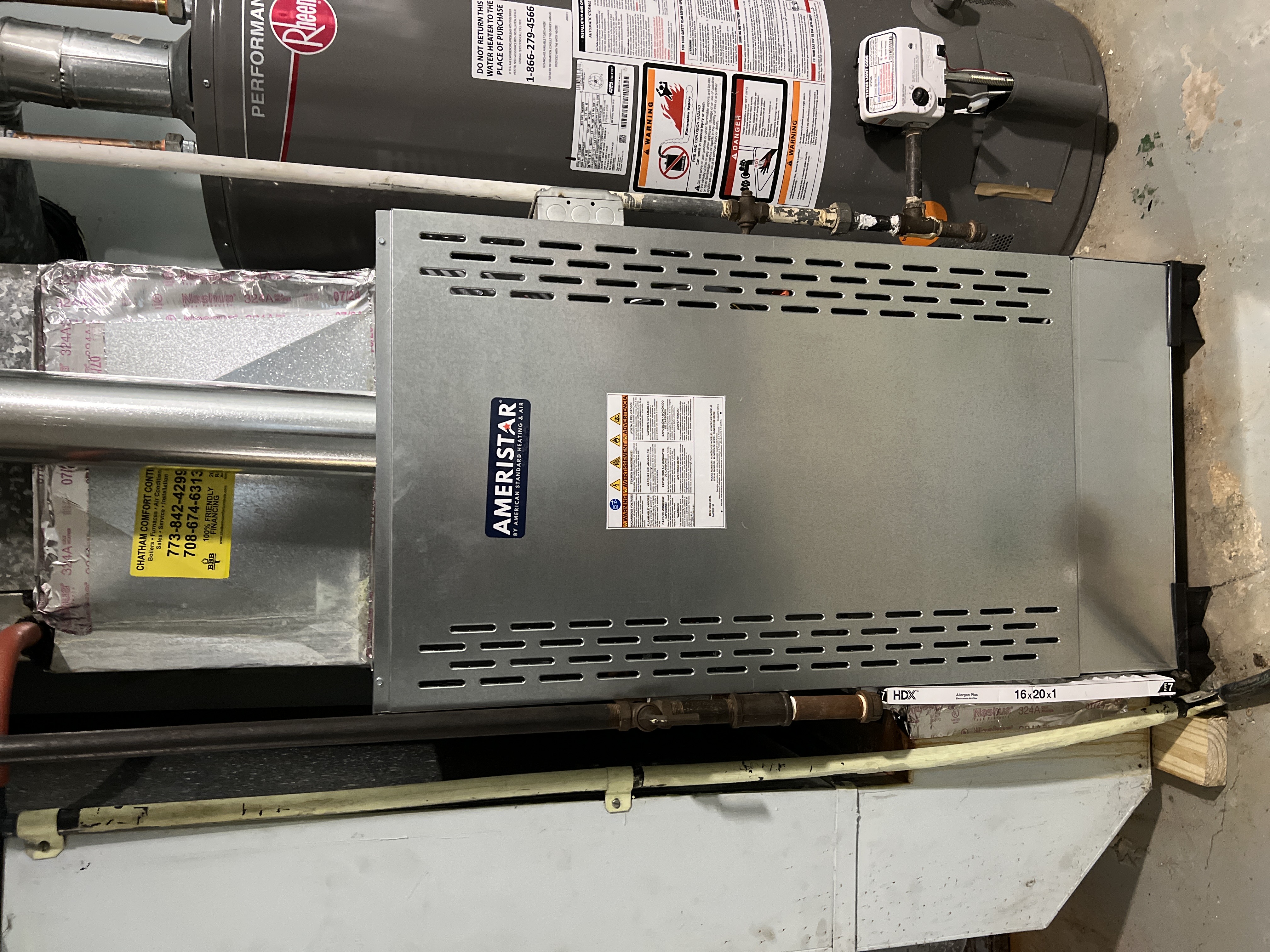
Your furnace filter is the first line of defense protecting your HVAC system and indoor air quality. This simple component traps dust, allergens, and debris before they damage expensive equipment. Chicago homeowners face unique challenges with harsh winters and urban air pollution.
Dirty filters cost you money every month. They force your furnace to work harder, driving up energy bills. They also shorten equipment lifespan and reduce air quality in your home.
In this blog, we will explain furnace filter basics and help you choose the right option for your Chicago home. You'll learn proper maintenance schedules, MERV ratings, and installation techniques.
What a Furnace Filter Actually Does in Your Chicago Home
Your furnace filter serves two critical functions in your HVAC system. It protects mechanical components from particle damage. It also removes airborne contaminants from circulating air.
Most homeowners underestimate this component's importance. A quality filter prevents costly repairs and improves daily comfort. Chicago's older housing stock makes proper filtration even more essential.
How Furnace Filters Protect Your HVAC System from Dust and Debris
Dust particles act like sandpaper on your furnace's blower motor and heat exchanger. Without filtration, debris accumulates on sensitive components. This buildup causes overheating and premature failure.
The blower motor works hardest during Chicago winters. Clean filters reduce strain on this critical component. According to the U.S. Department of Energy, replacing dirty filters can lower energy consumption by 5% to 15%.
Debris also clogs evaporator coils in your air conditioning system. This reduces cooling efficiency during humid Chicago summers. One filter protects both heating and cooling equipment year-round.
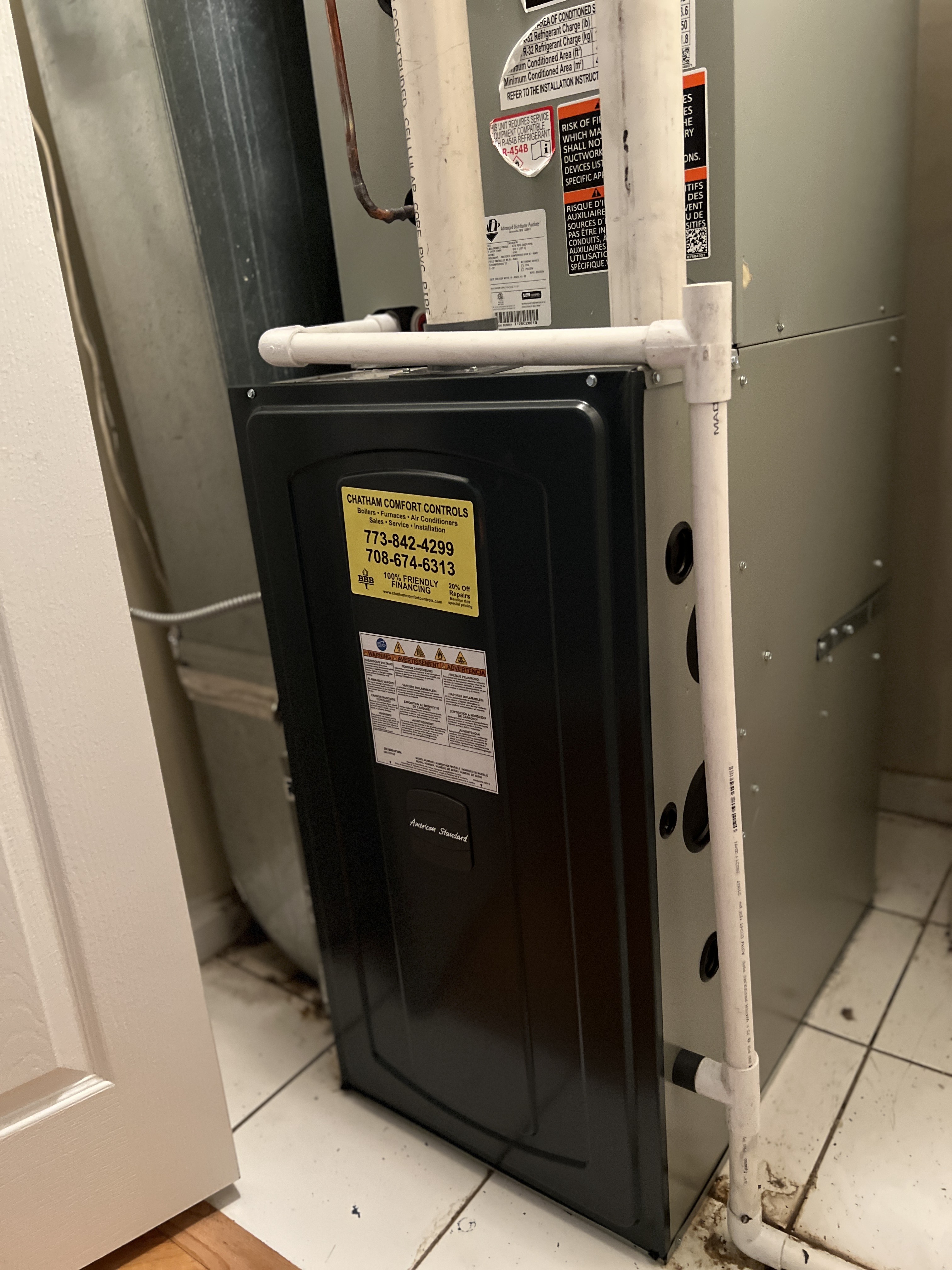
How Filters Improve Indoor Air Quality Year-Round
Indoor air contains dust mites, pet dander, pollen, and mold spores. Your filter captures these particles as air circulates through the system. Better filtration means cleaner air for your family.
The EPA reports that indoor air can be 2 to 5 times more polluted than outdoor air. Chicago homes stay sealed tight during winter months. This makes effective filtration essential for respiratory health.
Allergy sufferers notice immediate improvements with proper filters. Reduced airborne particles mean fewer symptoms and better sleep quality.
How Often Should You Change a Furnace Filter in Chicago?
Standard filters need replacement every 1 to 3 months depending on conditions. Chicago's climate and air quality affect this timeline significantly. Heavy furnace use during winter demands more frequent changes.
Check your filter monthly during peak heating season. Hold it up to light—if you can't see through it, replace it immediately.
Why Changing Furnace Filters Every 1–3 Months Matters for Performance
Clogged filters restrict airflow through your entire HVAC system. Your furnace compensates by running longer cycles. This wastes energy and accelerates wear on components.
Restricted airflow also causes temperature inconsistencies throughout your home. Some rooms feel too warm while others stay cold. This common complaint often traces back to dirty filters.
The American Society of Heating, Refrigerating and Air-Conditioning Engineers recommends monthly inspections during heavy use periods. Chicago winters qualify as heavy use from November through March.
Factors That Affect Filter Change Frequency (Pets, Allergies, Smog)
Pet owners should change filters every 30 to 45 days. Dog and cat dander accumulates quickly in filter media. Multiple pets require even more frequent replacement.
Allergy and asthma sufferers benefit from monthly changes. Fresh filters capture more irritants before they circulate. This reduces symptoms and medication needs.
Chicago's urban air quality adds extra particulate matter to your system. Homes near busy streets or industrial areas need more frequent filter changes. Construction projects nearby also increase dust levels significantly.
What Is a MERV Rating and Why It Matters
MERV stands for Minimum Efficiency Reporting Value. This standardized rating measures filter effectiveness at capturing particles. Higher numbers indicate finer filtration capability.
Understanding MERV ratings helps you balance air quality with system performance. Not every furnace handles high-MERV filters effectively.
Understanding the MERV Scale and Its Purpose
The MERV scale ranges from 1 to 20. Residential furnaces typically use filters rated between MERV 8 and MERV 13. Hospitals and cleanrooms use ratings above MERV 14.
Lower-rated filters capture large particles like dust and lint. Mid-range filters also trap mold spores and pet dander. Higher ratings capture bacteria and some viruses.
The National Air Filtration Association developed MERV standards for consistent comparison. This helps homeowners make informed purchasing decisions.
Do Higher MERV Filters Restrict Airflow?
Yes, higher MERV ratings create more airflow resistance. Denser filter media captures smaller particles but requires more fan power. Your furnace must work harder to push air through.
Older Chicago furnaces often struggle with filters above MERV 11. Restricted airflow causes short cycling and reduced efficiency. Some systems may overheat and trigger safety shutoffs.
Modern high-efficiency furnaces handle MERV 13 filters without problems. Check your owner's manual for manufacturer recommendations. When in doubt, consult an HVAC professional.
Choosing the Best MERV Rating for Your Furnace Model
Most Chicago homes perform well with MERV 8 to MERV 11 filters. This range balances effective filtration with proper airflow. Allergy sufferers may benefit from MERV 13 if their system supports it.
Consider your furnace's age and condition when selecting filters. Older units common in Chicago bungalows and two-flats need lower resistance. Newer systems offer more flexibility.
Chicago Comfort HVAC technicians can assess your system's filtration capacity. We recommend appropriate MERV ratings based on equipment specifications and household needs.
Different Types of Furnace Filters Explained
Several filter technologies serve residential HVAC systems. Each type offers distinct advantages and limitations. Your choice depends on budget, air quality goals, and system compatibility.
Pros and Cons of Fiberglass Filters
Fiberglass filters cost between $1 and $5 each. They capture large particles effectively. Most homeowners recognize these flat, blue-tinted panels.
These filters protect equipment but offer minimal air quality improvement. They rate around MERV 1 to MERV 4 on the efficiency scale. Monthly replacement is essential.
Budget-conscious homeowners often choose fiberglass. However, the low upfront cost may increase long-term expenses. Poor filtration leads to dirtier ductwork and more frequent cleaning needs.
Why Pleated Filters Are Popular
Pleated filters offer the best value for most Chicago homes. The accordion-style design increases surface area significantly. More surface area means better particle capture and longer lifespan.
Prices range from $5 to $20 depending on size and MERV rating. Most pleated filters rate between MERV 8 and MERV 13. They last two to three months under normal conditions.
The Consumer Reports testing consistently ranks pleated filters as best overall performers. They balance cost, effectiveness, and system compatibility well.
Benefits of Electrostatic Filters
Electrostatic filters use static electricity to attract particles. Washable versions eliminate ongoing replacement costs. They typically rate around MERV 6 to MERV 8.
Initial investment runs $30 to $80 for quality washable models. Monthly cleaning maintains effectiveness. Proper drying prevents mold growth in the filter media.
These filters work well for homeowners committed to regular maintenance. Skipping cleanings reduces effectiveness quickly. They're not ideal for allergy sufferers needing higher filtration.
What to Know About HEPA-Level Filters
True HEPA filters capture 99.97% of particles down to 0.3 microns. They rate above MERV 17 on the efficiency scale. Medical facilities and laboratories rely on this technology.
Standard residential furnaces cannot accommodate true HEPA filters. The dense media creates too much airflow restriction. Attempting installation may damage your equipment.
Some manufacturers offer "HEPA-style" or "HEPA-type" filters for residential use. These provide improved filtration without extreme restriction. Read specifications carefully before purchasing.
How Electronic Filters Work in a Furnace System
Electronic air cleaners use electrical charges to capture particles. They install permanently in your ductwork. A collection cell traps charged particles as air passes through.
These systems require professional installation costing $600 to $1,500. Monthly cleaning maintains performance. They effectively capture smoke, bacteria, and fine particulates.
Electronic filters work well in Chicago homes with smokers or severe allergies. They complement standard filters rather than replacing them. Consider this upgrade for maximum air quality improvement.
How to Properly Install a Furnace Filter
Correct installation ensures your filter works as designed. Improper placement allows unfiltered air to bypass the media. This defeats the purpose entirely.
How to Check for Correct Airflow Direction
Every filter has an arrow indicating proper airflow direction. This arrow must point toward the furnace blower. Installing backwards reduces effectiveness significantly.
Look for the arrow printed on the filter frame. Some filters also label "Air Flow" with directional text. When in doubt, air should flow from return duct toward the furnace.
Mark the correct direction on your furnace cabinet with a permanent marker. This reminder prevents future installation errors. It's especially helpful when family members share maintenance duties.
How to Choose the Right Filter Size for Your Unit
Filter sizes use three measurements: length, width, and depth. Common residential sizes include 16x20x1, 20x25x1, and 16x25x4 inches. Your furnace requires an exact match.
Check your current filter for size markings on the frame. You can also measure the filter slot directly. Round up to the nearest standard size if measurements fall between options.
Undersized filters allow air bypass around the edges. Oversized filters won't fit properly in the housing. Either situation compromises system performance and air quality.
Step-by-Step Guide to Changing a Furnace Filter at Home
Filter replacement takes less than five minutes. No special tools are required. This simple maintenance task saves money and protects your investment.
How to Locate Your Furnace Filter
Most filters sit between the return air duct and the furnace cabinet. Look for a removable panel or slot near the blower compartment. Some systems have filters in ceiling or wall return grilles.
Horizontal furnaces in Chicago attics often have filters at the unit. Basement installations typically use a filter slot in the ductwork. Check your owner's manual if you're unsure.
Older Chicago homes sometimes have multiple return vents with individual filters. Check each return grille for filter access panels. All filters need replacement on the same schedule.
Safe and Easy Steps to Replace a Filter Yourself
Turn off your furnace before starting. This prevents the system from running during the change. It also protects you from moving parts.
Slide the old filter out carefully to avoid releasing trapped dust. Note the airflow direction arrow before removing. Dispose of the old filter in a trash bag immediately.
Insert the new filter with the arrow pointing toward the furnace. Ensure the filter sits flat without gaps around edges. Replace any access panels and restore power to the system.
Why Furnace Filter Maintenance Is Crucial for Chicago's Climate
Chicago's extreme weather patterns demand more from HVAC systems. Furnaces run continuously during brutal winter months. This heavy use accelerates filter loading significantly.
How Harsh Winters Increase Furnace Usage in Chicago
Chicago experiences approximately 130 heating degree days per month during winter. Your furnace may run 12 to 18 hours daily in January and February. This constant operation pulls more air through filters.
The National Weather Service records average January temperatures around 26°F in Chicago. Extended cold snaps push temperatures well below zero. Your furnace works overtime during these periods.
Heavy use means faster filter saturation. Monthly replacement becomes essential during peak heating season. Waiting three months risks equipment damage and efficiency loss.
The Impact of Chicago Air Pollution on Indoor Air Quality
Urban air quality affects what enters your HVAC system. Chicago's traffic, industry, and construction generate significant particulate matter. These particles accumulate in your filter faster than suburban locations.
The American Lung Association gives Chicago mixed grades for air quality. Ozone and particle pollution remain concerns for residents. Your furnace filter helps reduce indoor exposure to these pollutants.
Homes near expressways or industrial corridors face higher particle loads. Consider upgrading to MERV 11 or higher in these locations. More frequent replacement also helps maintain air quality.
How Clean Furnace Filters Improve Energy Efficiency
Filter maintenance directly impacts your monthly utility bills. Clean filters allow proper airflow through the system. This efficiency translates to real dollar savings.
Lower Energy Bills with Clean Furnace Filters
Restricted airflow forces your furnace to run longer cycles. Each additional minute of operation costs money. Clean filters maintain designed airflow rates.
The ENERGY STAR program emphasizes filter maintenance for efficiency. Proper maintenance can reduce heating costs by 5% to 15% annually. For Chicago homeowners, this means $50 to $150 in yearly savings.
Track your utility bills before and after establishing a filter schedule. Most homeowners notice improvements within one billing cycle. The filter cost pays for itself quickly.
How Clogged Filters Stress the Furnace and Increase Repairs
Restricted airflow causes the heat exchanger to overheat. Safety switches shut down the system to prevent damage. You experience this as intermittent heating failures.
The blower motor also suffers from restricted airflow. It works harder to move air through clogged media. This stress shortens motor lifespan and increases failure risk.
Heat exchanger cracks represent the most serious consequence. Replacement costs range from $1,500 to $3,000 for parts and labor. A cracked exchanger may also leak carbon monoxide into your home.
Choosing the Right Furnace Filter for Chicago Homes
Local conditions should guide your filter selection. Chicago's housing stock and climate create specific requirements. The right choice balances effectiveness with system compatibility.
Best Filters for Homes with Pets or Seasonal Allergies
Pet owners benefit from pleated filters rated MERV 10 or higher. These capture pet dander effectively while maintaining airflow. Change filters monthly during heavy shedding seasons.
Allergy sufferers should consider MERV 11 to MERV 13 filters. Higher ratings capture pollen, mold spores, and dust mites. Combine with regular duct cleaning for best results.
Chicago's spring pollen season runs from April through June. Ragweed affects residents from August through October. Increase filter changes during your personal allergy season.
Filters That Work with Older Furnaces Common in Chicago Homes
Many Chicago homes have furnaces installed 15 to 25 years ago. These older systems have limited blower capacity. High-MERV filters may cause performance problems.
Stick with MERV 8 to MERV 10 for furnaces over 15 years old. This range provides good filtration without excessive restriction. Your system maintains proper airflow and efficiency.
Chicago Comfort HVAC can evaluate your older furnace's filtration capacity. We recommend appropriate filters based on actual system testing. This prevents damage while maximizing air quality improvement.
Key Takeaways
- Replace furnace filters every 1 to 3 months, monthly during Chicago winters
- Choose MERV 8 to MERV 11 for most residential systems
- Always install filters with the airflow arrow pointing toward the furnace
- Pleated filters offer the best balance of cost and effectiveness
- Older Chicago furnaces may not handle high-MERV filters safely
- Clean filters can reduce energy costs by 5% to 15% annually
- Pet owners and allergy sufferers need more frequent filter changes
Conclusion
Furnace filter maintenance protects your equipment and improves indoor air quality. Chicago's harsh winters and urban air pollution make proper filtration essential. Regular replacement saves money on energy bills and prevents costly repairs.
Chicago Comfort HVAC helps homeowners choose the right filters for their specific systems. Our technicians assess equipment capacity and recommend appropriate MERV ratings. We provide honest guidance based on your home's actual needs.
We're here to keep your Chicago home comfortable year-round. Contact us for a system evaluation or filter recommendations. Your furnace will thank you with reliable performance and lower operating costs.
FAQs
How do I know when my furnace filter needs changing?
Hold your filter up to a light source. If light doesn't pass through, it's time for replacement. You may also notice reduced airflow from vents or increased dust on surfaces.
Can I run my furnace without a filter temporarily?
Running without a filter allows debris to damage internal components. Even one day of operation can introduce harmful particles. Always keep a spare filter on hand for emergencies.
Why does my new filter get dirty so quickly?
Rapid filter loading indicates high particle levels in your home. Check for duct leaks, construction dust, or excessive pet dander. Consider duct cleaning if the problem persists.
Are expensive filters worth the extra cost?
Mid-range pleated filters offer the best value for most homes. Premium filters benefit allergy sufferers and homes with air quality concerns. Basic fiberglass filters provide minimal improvement.
Can the wrong filter damage my furnace?
Filters with excessive MERV ratings restrict airflow and cause overheating. Undersized filters allow bypass air that carries debris to components. Always match filter specifications to your system.
Do I need different filters for heating and cooling seasons?
The same filter works for both heating and cooling. However, change frequency may vary by season. Heavy furnace use in winter requires more frequent replacement.
Should I upgrade to a whole-house air purifier?
Whole-house systems provide superior filtration for severe allergies or respiratory conditions. They require professional installation and ongoing maintenance. Standard filters work well for most Chicago households.
Follow a maintenance program
Ante gravida id aenean quis egestas risus nam amet nullam leo diam diam aliquam eu eu malesuada arcu rhoncus suspendisse nulla mattis ut amet sagittis in justo egestas.

search for a trusted mechanic
Lorem ipsum dolor sit amet, consectetur adipiscing elit lobortis arcu enim urna adipiscing praesent velit viverra sit semper lorem eu cursus vel hendrerit elementum morbi curabitur etiam nibh justo, lorem aliquet donec sed sit mi dignissim at ante massa mattis.
- Neque sodales ut etiam sit amet nisl purus non tellus orci ac auctor
- Adipiscing elit ut aliquam purus sit amet viverra suspendisse potent
- Mauris commodo quis imperdiet massa tincidunt nunc pulvinar
- Excepteur sint occaecat cupidatat non proident sunt in culpa qui officia
Check the air pressure in your tires
Vitae congue eu consequat ac felis placerat vestibulum lectus mauris ultrices cursus sit amet dictum sit amet justo donec enim diam porttitor lacus luctus accumsan tortor posuere praesent tristique magna sit amet purus gravida quis blandit turpis.
Review your suspension frequently
At risus viverra adipiscing at in tellus integer feugiat nisl pretium fusce id velit ut tortor sagittis orci a scelerisque purus semper eget at lectus urna duis convallis. porta nibh venenatis cras sed felis eget neque laoreet suspendisse interdum consectetur libero id faucibus nisl donec pretium vulputate sapien nec sagittis aliquam nunc lobortis mattis aliquam faucibus purus in.
- Neque sodales ut etiam sit amet nisl purus non tellus orci ac auctor
- Adipiscing elit ut aliquam purus sit amet viverra suspendisse potent
- Mauris commodo quis imperdiet massa tincidunt nunc pulvinar
- Excepteur sint occaecat cupidatat non proident sunt in culpa qui officia
Service your vehicle as regularly as posible
At risus viverra adipiscing at in tellus integer feugiat nisl pretium fusce id velit ut tortor sagittis orci a scelerisque purus semper eget at lectus urna duis convallis. porta nibh venenatis cras sed felis eget neque laoreet suspendisse interdum consectetur libero id faucibus nisl donec pretium vulputate sapien nec sagittis aliquam nunc lobortis mattis aliquam faucibus purus in.
“Nisi quis eleifend quam adipiscing vitae aliquet bibendum enim facilisis gravida neque velit euismod in pellentesque”
Conclusion
Eget lorem dolor sed viverra ipsum nunc aliquet bibendum felis donec et odio pellentesque diam volutpat commodo sed egestas aliquam sem fringilla ut morbi tincidunt augue interdum velit euismod eu tincidunt tortor aliquam nulla facilisi aenean sed adipiscing diam donec adipiscing ut lectus arcu bibendum at varius vel pharetra nibh venenatis cras sed felis eget.