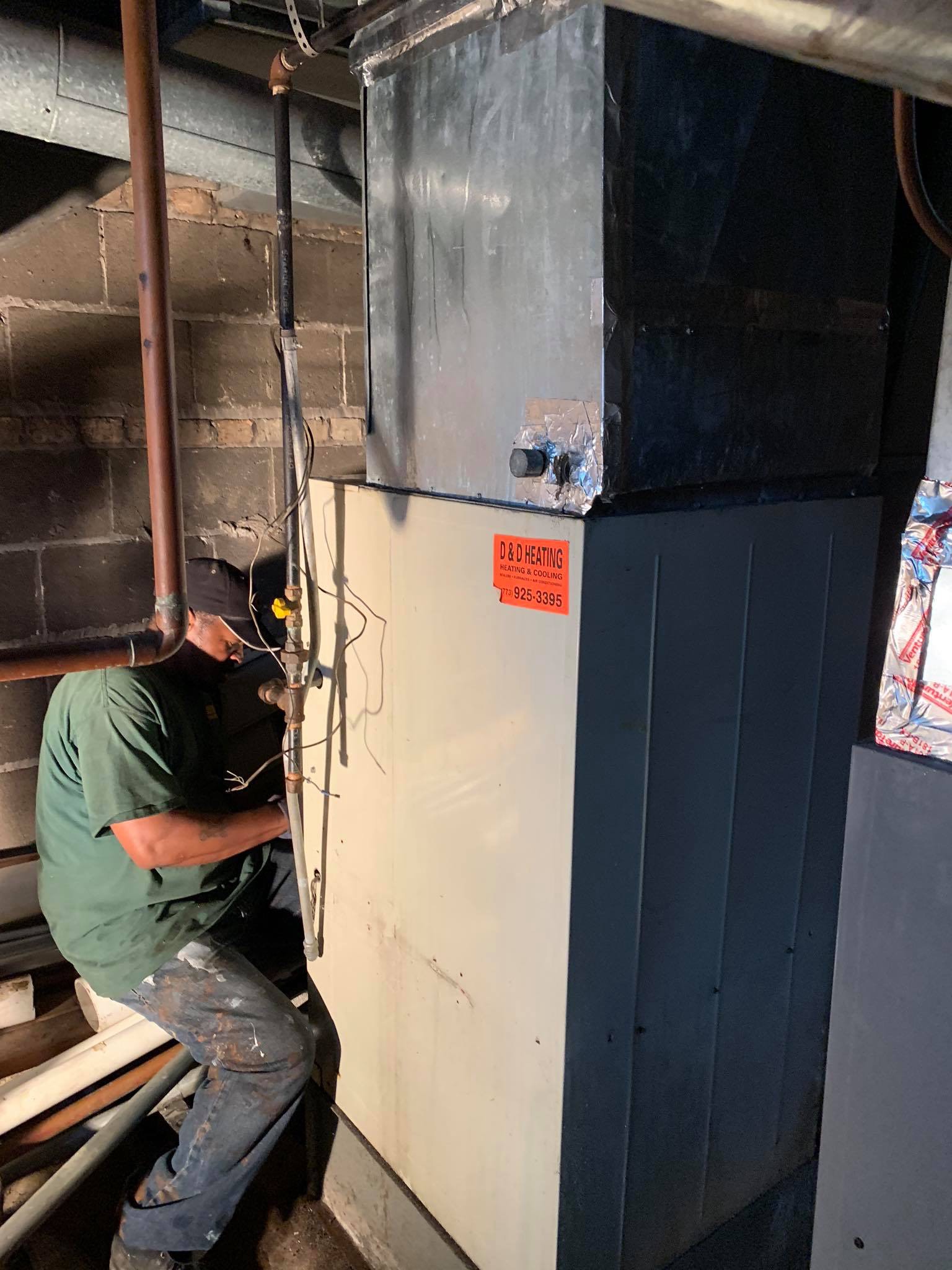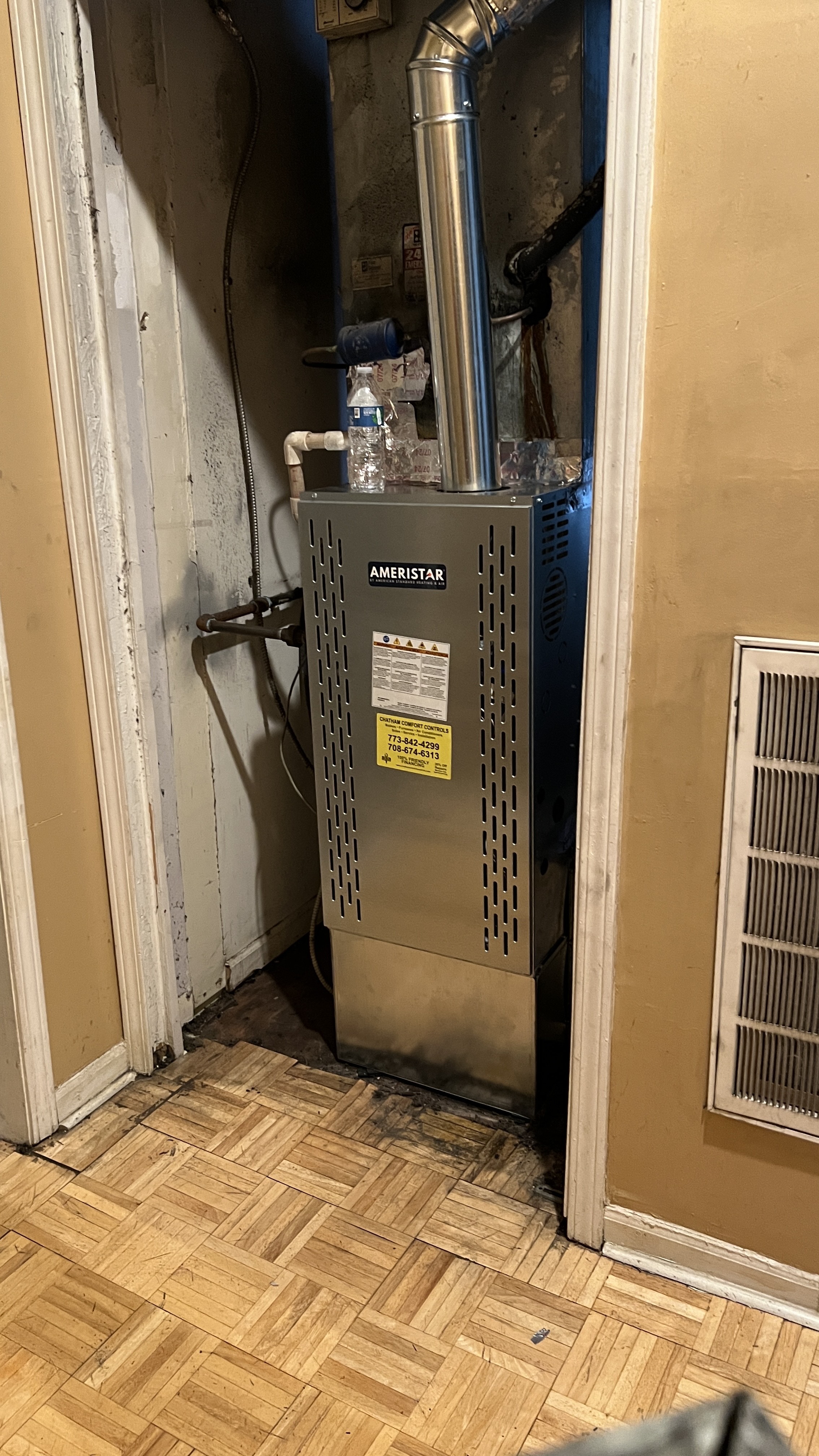
A furnace blower that stops working typically costs Chicago homeowners between $150 and $450 to repair, with motor replacements ranging from $400 to $1,500 depending on the unit type. The blower motor circulates heated air throughout your home. Without it, your furnace produces heat but cannot distribute it. Chicago's brutal winters make this problem urgent.
A malfunctioning blower leaves your home cold and can damage your furnace. Ignoring the issue leads to higher repair costs. Some fixes take minutes. Others require professional diagnosis.
In this blog, we will explain furnace blower troubleshooting and repair options for Chicago homeowners. You will learn DIY fixes, common failure causes, and when to call a professional.
DIY Furnace Blower Troubleshooting for Chicago Homeowners
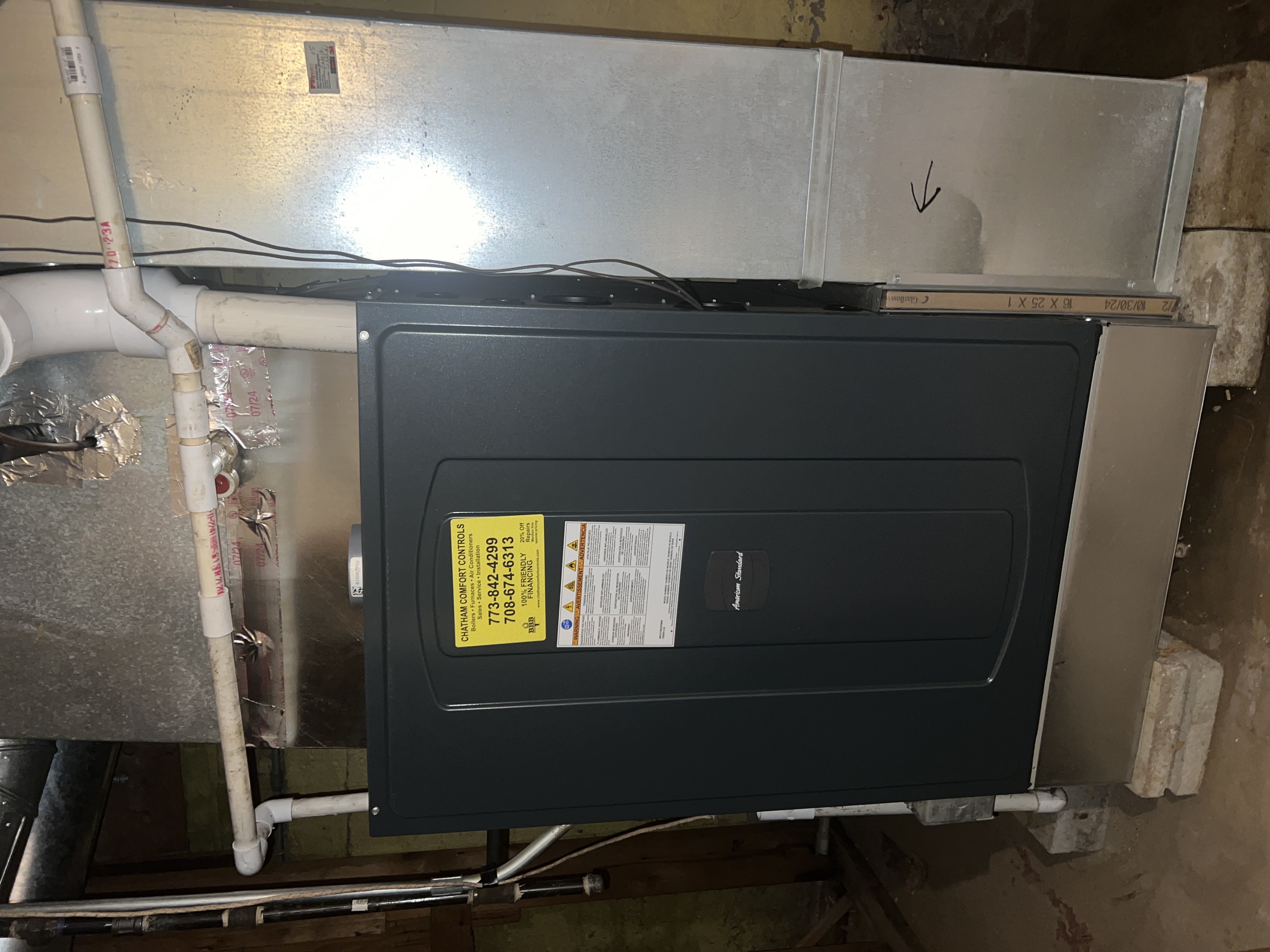
Before calling a technician, check these common issues yourself. Many blower problems have simple solutions. A few minutes of troubleshooting can save you a service call fee.
Check the Power Supply
Your furnace needs electricity to run the blower motor. Start at your electrical panel. Look for tripped breakers or blown fuses. Reset any tripped breakers by flipping them fully off, then on.
Check the furnace power switch near the unit. It looks like a light switch. Someone may have turned it off accidentally. Also inspect the outlet if your furnace plugs into one.
Inspect Thermostat Settings
Incorrect thermostat settings cause many "broken" blower calls. Verify your thermostat is set to "Heat" mode. Check that the temperature setting exceeds current room temperature.
Switch the fan setting from "Auto" to "On" temporarily. If the blower runs, your heating system has a different issue. The blower motor itself works fine.
Replace thermostat batteries if your display looks dim. Dead batteries prevent proper communication with your furnace. This simple fix solves many heating complaints.
Look for Airflow Obstructions
Dirty air filters restrict airflow and cause blower problems. A clogged filter makes the motor work harder. Eventually, the system shuts down to prevent damage.
Check your filter monthly during Chicago winters. Replace it every 30-90 days depending on usage. Hold the filter up to light. If you cannot see through it, replace it immediately.
Inspect all supply and return vents throughout your home. Furniture, rugs, or curtains blocking vents restrict airflow. This causes the same overheating problems as dirty filters.
Reset the Blower Motor
Many blower motors have a reset button. Locate it on the motor housing inside your furnace cabinet. Press it once and wait for the system to restart.
If the motor trips again quickly, you have a deeper problem. Repeated resets indicate overheating or electrical issues. Stop resetting and call a professional.
Common Furnace Blower Issues and What They Mean
Different symptoms point to different problems. Understanding what your furnace is telling you helps diagnose the issue. It also helps you communicate with technicians.
Furnace Blower Doesn't Turn On
Complete blower failure has several possible causes. The motor itself may have failed. Electrical connections may be loose or damaged. The capacitor that starts the motor may be dead.
Listen for humming sounds when the furnace tries to start. Humming without spinning suggests a bad capacitor. Complete silence points to electrical or control board issues.
Blower Is Running But No Heat Comes Out
This symptom indicates your blower works fine. The heating system has a separate problem. Your burners may not be igniting properly.
Check your gas supply valve. Ensure it is fully open. Look at your furnace flame through the inspection window. A healthy flame burns blue with small yellow tips.
Furnace Blower Won't Shut Off
A blower that runs constantly wastes energy and indicates problems. Check your thermostat fan setting first. "On" mode runs the blower continuously regardless of heating cycles.
If set to "Auto" and still running, you may have a faulty limit switch. The switch may be stuck in the closed position. This tells the blower to run even when unnecessary.
Blower Cycles On and Off Frequently
Short cycling stresses your furnace and increases energy bills. Dirty filters cause most short cycling problems. The system overheats and shuts down repeatedly.
Thermostat location also causes cycling issues. Units near heat sources or drafts give false readings. The furnace responds to incorrect temperature information.
Mechanical Failures That Can Stop the Blower
Blower motors contain moving parts that wear out over time. Mechanical failures require professional repair or replacement. Understanding these issues helps you make informed decisions.
Broken or Loose Blower Belt
Older furnaces use belts to connect the motor to the blower wheel. Belts stretch, crack, and break with age. A broken belt stops the blower completely.
Listen for squealing sounds before complete failure. This indicates a worn or misaligned belt. Belt replacement costs between $75 and $150 including labor.
Worn-Out Blower Bearings
Motor bearings allow smooth rotation of the blower shaft. Worn bearings create grinding or scraping noises. They also cause the motor to overheat and fail.
Some motors have sealed bearings that cannot be lubricated. These require complete motor replacement. Others have oil ports for annual maintenance.
Failed Blower Wheel or Fan Cage
The blower wheel pushes air through your ductwork. Cracked or damaged wheels reduce airflow significantly. Debris buildup causes imbalance and vibration.
A wobbling blower wheel damages bearings and motor mounts. You may hear rattling or banging sounds. Replacement costs vary based on wheel size and type.
Motor Overheating and Automatic Shut-Off
Blower motors have thermal protection that prevents fire hazards. When motors overheat, they shut down automatically. This protects your home but stops heating.
Overheating results from restricted airflow or electrical problems. Dirty filters are the most common cause. Failing capacitors also make motors run hot.
Electrical Failures Preventing Blower Operation
Electrical problems require professional diagnosis and repair. Working with furnace electrical components is dangerous. These issues often hide deeper system problems.
Faulty Control Board
The control board is your furnace's brain. It coordinates all system functions including blower operation. Failed boards prevent proper communication between components.
Control board replacement costs between $400 and $700 for most residential furnaces. Diagnosis requires specialized equipment. Many boards display error codes that help technicians identify problems.
Stuck or Defective Blower Relay
The relay acts as an electrical switch for the blower motor. When the thermostat calls for heat, the relay activates the blower. Stuck or burned relays prevent this signal.
Relay replacement is relatively inexpensive. Parts cost $20 to $50 typically. Labor adds another hour of technician time.
Loose or Damaged Wiring Connections
Vibration and heat loosen electrical connections over time. Loose wires create intermittent problems that are hard to diagnose. Damaged insulation causes shorts and failures.
Chicago's temperature swings stress wiring connections. Expansion and contraction work connections loose. Annual maintenance catches these issues before they cause failures.
Safety Shut-Off Triggers Impacting Blower Performance
Modern furnaces include multiple safety features. These protect your home and family from dangerous conditions. Understanding them helps you troubleshoot effectively.
Tripped Limit Switch
The limit switch monitors furnace temperature. When the heat exchanger gets too hot, it shuts everything down. This prevents cracked heat exchangers and carbon monoxide leaks.
Dirty filters cause most limit switch trips. The restricted airflow traps heat inside the furnace. Replace your filter and reset the system.
Overheating Due to Blocked Airflow
Blocked vents and closed dampers cause overheating throughout the system. Your furnace cannot dissipate heat properly. Safety systems respond by shutting down.
Walk through your home and check every vent. Ensure at least 80% of vents remain open. Closing too many vents creates pressure problems.
System Shutting Down to Protect Internal Components
Your furnace prioritizes safety over comfort. When sensors detect dangerous conditions, the system stops. This protects expensive components and your family.
Repeated safety shutdowns indicate serious problems. Do not keep resetting your furnace. Call a professional to diagnose the underlying cause.
When to Call a Chicago HVAC Technician for Blower Issues
Some repairs require professional expertise and equipment. Knowing when to call saves time and prevents further damage. It also keeps you safe.
Blower Motor and Capacitor Testing
Technicians use multimeters to test motor windings and capacitors. These tests reveal problems invisible to homeowners. Proper diagnosis prevents unnecessary part replacements.
Capacitor testing requires discharging stored electricity safely. Improper handling causes serious injury. Leave this work to trained professionals.
Diagnosing Internal Furnace Component Failures
Control boards, sensors, and safety switches require specialized knowledge. Technicians understand how these components interact. They can trace problems through complex systems.
Many furnaces display error codes through LED sequences. Technicians interpret these codes to pinpoint failures. This speeds diagnosis and reduces labor costs.
Knowing the Right Time to Call a Pro
Call a professional when DIY troubleshooting fails. Also call if you smell gas or burning odors. Strange sounds warrant professional inspection.
If your furnace is over 15 years old, consider professional evaluation. Older systems may have multiple failing components. A technician can assess overall system health.
Most Common Causes of Furnace Blower Failure in Chicago
Chicago's climate and housing stock create unique challenges. Understanding local factors helps prevent problems. It also helps you communicate with contractors.
Aging or Degraded Motor Components
Blower motors last 10 to 20 years with proper maintenance. Chicago's long heating season accelerates wear. Motors run more hours here than in milder climates.
Capacitors typically fail before motors. They last 5 to 10 years on average. Replacing capacitors proactively extends motor life.
Overheating from Dirty Filters or Blocked Vents
Chicago winters mean constant furnace operation. Filters clog faster during heavy use periods. Monthly filter checks prevent most overheating problems.
Older Chicago homes often have undersized return air systems. This restricts airflow even with clean filters. Duct modifications may improve performance.
Older Home Wiring Issues in Chicago Neighborhoods
Many Chicago neighborhoods have homes built before modern electrical standards. Older wiring may not support modern furnace demands. Voltage fluctuations damage sensitive components.
Homes in Lincoln Park, Wicker Park, and other historic areas often need electrical updates. Have an electrician evaluate your furnace circuit. Proper voltage protects your investment.
Winter Furnace Blower Problems Unique to Chicago's Climate
Chicago winters stress heating systems severely. Temperatures regularly drop below zero. Your furnace works harder here than almost anywhere else.
Extended run times accelerate component wear. Motors, bearings, and belts degrade faster. Capacitors fail more frequently under constant load.
Frozen condensate lines affect high-efficiency furnaces. These units produce water during operation. Frozen drain lines trigger safety shutdowns.
Chicago's lake effect creates rapid temperature swings. Your furnace cycles more frequently during these periods. This increases wear on all components.
Key Takeaways
- Check power supply, thermostat settings, and filters before calling for service
- Dirty air filters cause most blower problems and cost nothing to fix
- Humming without spinning typically indicates a failed capacitor
- Blower motors last 10-20 years but capacitors fail sooner
- Chicago's long winters accelerate furnace component wear
- Professional diagnosis prevents unnecessary part replacements
- Repair costs range from $150-$450 while motor replacement runs $400-$1,500
Furnace Blower Repair vs. Replacement in Chicago
Deciding between repair and replacement depends on several factors. Age, repair history, and efficiency all matter. Cost comparison helps guide your decision.
If your furnace is under 10 years old, repair usually makes sense. Parts remain available and the system has life remaining. Single component failures rarely justify replacement.
Furnaces over 15 years old deserve careful evaluation. Multiple repairs signal declining system health. Newer units offer 15-20% better efficiency.
Compare repair costs to replacement value. If repairs exceed 50% of new furnace cost, consider replacement. Factor in improved efficiency and reliability.
Chicago utility rebates reduce replacement costs. ComEd and Peoples Gas offer incentives for high-efficiency installations. These programs change annually, so check current offerings.
Professional Furnace Blower Repair Services in Chicago, IL
Chicago Comfort HVAC provides expert blower diagnosis and repair throughout the Chicago area. Our technicians carry common parts on their trucks. Most repairs complete in a single visit.
We offer upfront pricing before starting any work. You know exactly what repairs cost before authorizing them. No surprises on your final bill.
Emergency service is available for Chicago's coldest days. We understand that heating failures cannot wait. Same-day appointments are often available.
Conclusion
Furnace blower problems range from simple filter changes to complex motor replacements. Understanding common causes helps you troubleshoot effectively. Many issues have DIY solutions that save money.
Chicago Comfort HVAC serves homeowners throughout Chicago with honest diagnosis and fair pricing. We explain your options clearly and respect your budget. Our technicians have the training and tools to fix any blower problem.
We are ready to restore your home's comfort quickly. Contact us for professional furnace blower repair in Chicago. Your warm home is one call away.
FAQs
Why is my furnace running but the blower not working?
Your furnace may have a failed blower motor, bad capacitor, or tripped safety switch. The heating components work independently from the blower. A technician can test each component to identify the failure.
How much does it cost to replace a furnace blower motor in Chicago?
Blower motor replacement typically costs $400 to $1,500 in Chicago including parts and labor. Variable speed motors cost more than single-speed units. The price depends on your furnace brand and motor type.
Can I run my furnace without the blower working?
No, running your furnace without a working blower is dangerous. Heat builds up inside the unit without air circulation. This can crack the heat exchanger and release carbon monoxide.
How do I know if my furnace blower motor is bad?
Signs of a bad blower motor include no airflow, humming sounds, or the motor running hot. Burning smells indicate overheating windings. A technician can test the motor with a multimeter for definitive diagnosis.
Why does my furnace blower keep shutting off?
Frequent shutoffs usually indicate overheating from restricted airflow. Check your air filter first. Blocked vents, failing capacitors, and faulty limit switches also cause this problem.
How long do furnace blower motors typically last?
Quality blower motors last 10 to 20 years with proper maintenance. Chicago's long heating season may reduce lifespan. Annual maintenance and regular filter changes extend motor life significantly.
Should I repair or replace my furnace if the blower fails?
Consider your furnace age and repair history. Furnaces under 10 years old usually warrant repair. If your unit is over 15 years old or needs frequent repairs, replacement may be more economical.
Follow a maintenance program
Ante gravida id aenean quis egestas risus nam amet nullam leo diam diam aliquam eu eu malesuada arcu rhoncus suspendisse nulla mattis ut amet sagittis in justo egestas.

search for a trusted mechanic
Lorem ipsum dolor sit amet, consectetur adipiscing elit lobortis arcu enim urna adipiscing praesent velit viverra sit semper lorem eu cursus vel hendrerit elementum morbi curabitur etiam nibh justo, lorem aliquet donec sed sit mi dignissim at ante massa mattis.
- Neque sodales ut etiam sit amet nisl purus non tellus orci ac auctor
- Adipiscing elit ut aliquam purus sit amet viverra suspendisse potent
- Mauris commodo quis imperdiet massa tincidunt nunc pulvinar
- Excepteur sint occaecat cupidatat non proident sunt in culpa qui officia
Check the air pressure in your tires
Vitae congue eu consequat ac felis placerat vestibulum lectus mauris ultrices cursus sit amet dictum sit amet justo donec enim diam porttitor lacus luctus accumsan tortor posuere praesent tristique magna sit amet purus gravida quis blandit turpis.
Review your suspension frequently
At risus viverra adipiscing at in tellus integer feugiat nisl pretium fusce id velit ut tortor sagittis orci a scelerisque purus semper eget at lectus urna duis convallis. porta nibh venenatis cras sed felis eget neque laoreet suspendisse interdum consectetur libero id faucibus nisl donec pretium vulputate sapien nec sagittis aliquam nunc lobortis mattis aliquam faucibus purus in.
- Neque sodales ut etiam sit amet nisl purus non tellus orci ac auctor
- Adipiscing elit ut aliquam purus sit amet viverra suspendisse potent
- Mauris commodo quis imperdiet massa tincidunt nunc pulvinar
- Excepteur sint occaecat cupidatat non proident sunt in culpa qui officia
Service your vehicle as regularly as posible
At risus viverra adipiscing at in tellus integer feugiat nisl pretium fusce id velit ut tortor sagittis orci a scelerisque purus semper eget at lectus urna duis convallis. porta nibh venenatis cras sed felis eget neque laoreet suspendisse interdum consectetur libero id faucibus nisl donec pretium vulputate sapien nec sagittis aliquam nunc lobortis mattis aliquam faucibus purus in.
“Nisi quis eleifend quam adipiscing vitae aliquet bibendum enim facilisis gravida neque velit euismod in pellentesque”
Conclusion
Eget lorem dolor sed viverra ipsum nunc aliquet bibendum felis donec et odio pellentesque diam volutpat commodo sed egestas aliquam sem fringilla ut morbi tincidunt augue interdum velit euismod eu tincidunt tortor aliquam nulla facilisi aenean sed adipiscing diam donec adipiscing ut lectus arcu bibendum at varius vel pharetra nibh venenatis cras sed felis eget.