
HVAC Cost for 1500 Sq Ft Home
HVAC Cost for 1500 Sq Ft Home in Chicago | 2026 Pricing Guide
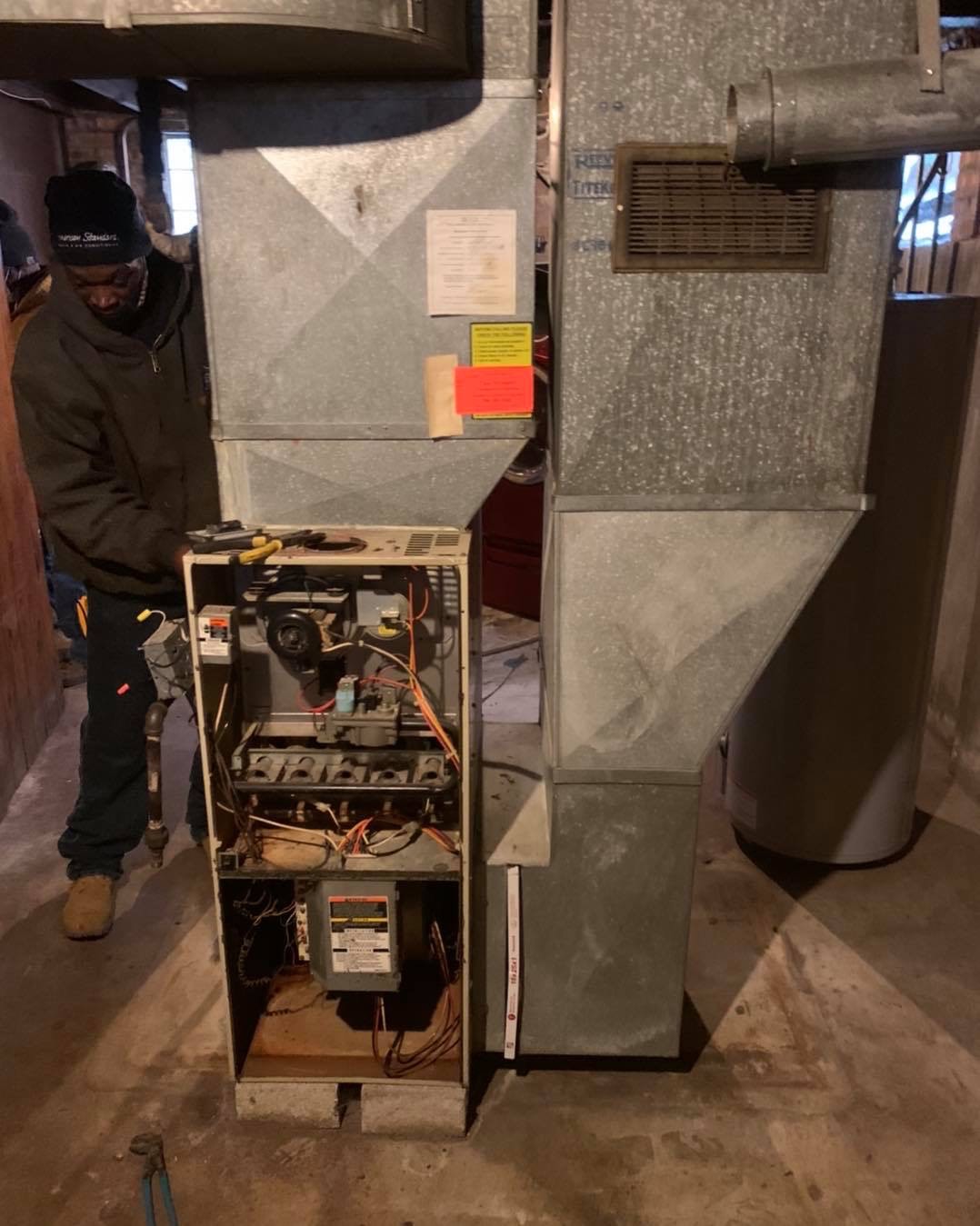
The average HVAC cost for a 1500 sq ft home in Chicago ranges from $5,000 to $12,500 for a complete system installation in 2026. This price includes both heating and cooling equipment, labor, and basic installation materials. Your actual cost depends on the system type you choose, efficiency ratings, and whether you need ductwork modifications.
Understanding these costs upfront helps you avoid surprises and plan your budget with confidence. Chicago's extreme temperature swings demand reliable heating and cooling, making your HVAC investment one of the most important decisions for your home's comfort.
This guide breaks down every factor that affects HVAC pricing in the Chicago market, compares system options, and shows you how to get the best value for your investment.
Average HVAC Cost for a 1500 Sq Ft Home in Chicago
Chicago homeowners typically spend between $5,000 and $12,500 for a complete HVAC system in a 1500 square foot home. This range reflects the variety of equipment options, efficiency levels, and installation requirements common in the local market.
The lower end of this range covers basic, builder-grade equipment with standard efficiency ratings. Mid-range systems with better efficiency and longer warranties fall between $7,500 and $9,500. Premium installations featuring high-efficiency equipment, advanced controls, and extended warranties reach the upper end of the pricing spectrum.
These figures represent total installed costs, including equipment, labor, permits, and standard materials. However, your specific situation may require additional work that affects the final price.
Central Air Conditioning Installation Costs
Installing a central air conditioner for a 1500 sq ft Chicago home costs between $3,500 and $7,500. A standard 2.5 to 3-ton unit handles this square footage effectively in our climate.
Basic units with 14-16 SEER ratings start around $3,500 installed. High-efficiency models rated 18 SEER or higher range from $5,500 to $7,500. The efficiency rating directly impacts your summer cooling bills, with higher-rated units delivering meaningful savings over their lifespan.
Installation complexity also affects pricing. Homes with existing ductwork in good condition cost less than those requiring duct repairs or modifications.
Furnace Installation and Replacement Costs
Gas furnace installation in Chicago ranges from $2,500 to $6,000 for a 1500 sq ft home. Given our harsh winters, most homeowners choose furnaces with 80,000 to 100,000 BTU capacity.
Standard 80% AFUE furnaces cost $2,500 to $3,500 installed. These units vent through a chimney and work well for budget-conscious homeowners. High-efficiency 96% AFUE furnaces range from $4,000 to $6,000 but reduce heating costs by 15-20% compared to standard models.
Chicago's cold winters make furnace efficiency particularly important. The extra investment in a high-efficiency unit often pays for itself within 5-7 years through lower gas bills.
Complete HVAC System Replacement Costs
Replacing both your furnace and air conditioner together costs $6,000 to $12,500 for a 1500 sq ft Chicago home. Bundling these installations typically saves $500 to $1,000 compared to separate projects.
A matched system ensures optimal performance and efficiency. When your furnace and AC work together as designed, you get better comfort, lower operating costs, and fewer repair issues. Most manufacturers also require matched systems to honor full warranty coverage.
Complete system replacements make sense when both units are aging or when one component fails on a system over 12-15 years old.
Factors That Affect HVAC Pricing in Chicago
Several variables influence your final HVAC cost beyond the basic equipment price. Understanding these factors helps you anticipate your total investment and make informed decisions.
System Type and Efficiency Ratings (SEER, AFUE)
Equipment efficiency ratings significantly impact both purchase price and long-term operating costs. Higher efficiency costs more upfront but reduces monthly energy bills.
Air conditioner efficiency uses the SEER (Seasonal Energy Efficiency Ratio) scale. The current federal minimum is 14 SEER for northern states like Illinois. Units rated 16-18 SEER cost 20-30% more than minimum-efficiency models but use proportionally less electricity.
Furnace efficiency uses the AFUE (Annual Fuel Utilization Efficiency) rating. An 80% AFUE furnace sends 20% of the fuel's energy up the chimney as exhaust. A 96% AFUE model captures nearly all that energy for heating your home.
Labor Costs and Installation Complexity
Labor typically accounts for 30-50% of your total HVAC installation cost. Chicago-area labor rates reflect the skilled workforce required for safe, code-compliant installations.
Simple replacements where new equipment fits existing infrastructure cost less. Complex installations requiring electrical upgrades, gas line modifications, or structural changes add to labor hours and total cost.
Basement installations generally cost less than attic installations due to easier access. Multi-story homes may require additional labor for equipment placement and duct connections.
Ductwork Condition and Modifications
Existing ductwork condition dramatically affects installation costs. Ducts in good condition require only minor sealing and adjustments. Damaged, undersized, or poorly designed ductwork needs repair or replacement.
Duct modifications add $1,000 to $5,000 to your project cost depending on scope. Complete duct replacement for a 1500 sq ft home ranges from $3,000 to $7,000.
Many older Chicago homes have undersized ducts that restrict airflow and reduce system efficiency. Upgrading ductwork during equipment replacement improves comfort and helps your new system perform as designed.
Seasonal Demand and Timing
HVAC installation costs fluctuate with seasonal demand. Summer and winter represent peak seasons when contractors stay busy with emergency repairs and replacements.
Scheduling your installation during spring or fall often yields better pricing and more flexible scheduling. Some contractors offer off-season discounts of 5-15% to keep crews working during slower periods.
Emergency replacements during extreme weather typically cost more due to overtime labor and expedited equipment delivery. Planning your replacement before your system fails completely gives you more options and negotiating power.
Chicago Climate Considerations
Chicago's climate demands robust HVAC systems capable of handling temperature extremes. Summer humidity requires adequate cooling capacity and proper dehumidification. Winter temperatures regularly drop below zero, stressing heating systems.
This climate reality affects equipment recommendations and sizing. Contractors familiar with Chicago conditions properly size systems for our weather patterns rather than using generic calculations.
Local building codes also influence installation requirements and costs. Chicago and surrounding municipalities have specific permit requirements and inspection processes that affect project timelines and expenses.
HVAC System Types and Price Comparisons
Different HVAC system types offer varying benefits, efficiency levels, and price points. Understanding your options helps you choose the best fit for your home and budget.
Central Air Conditioners
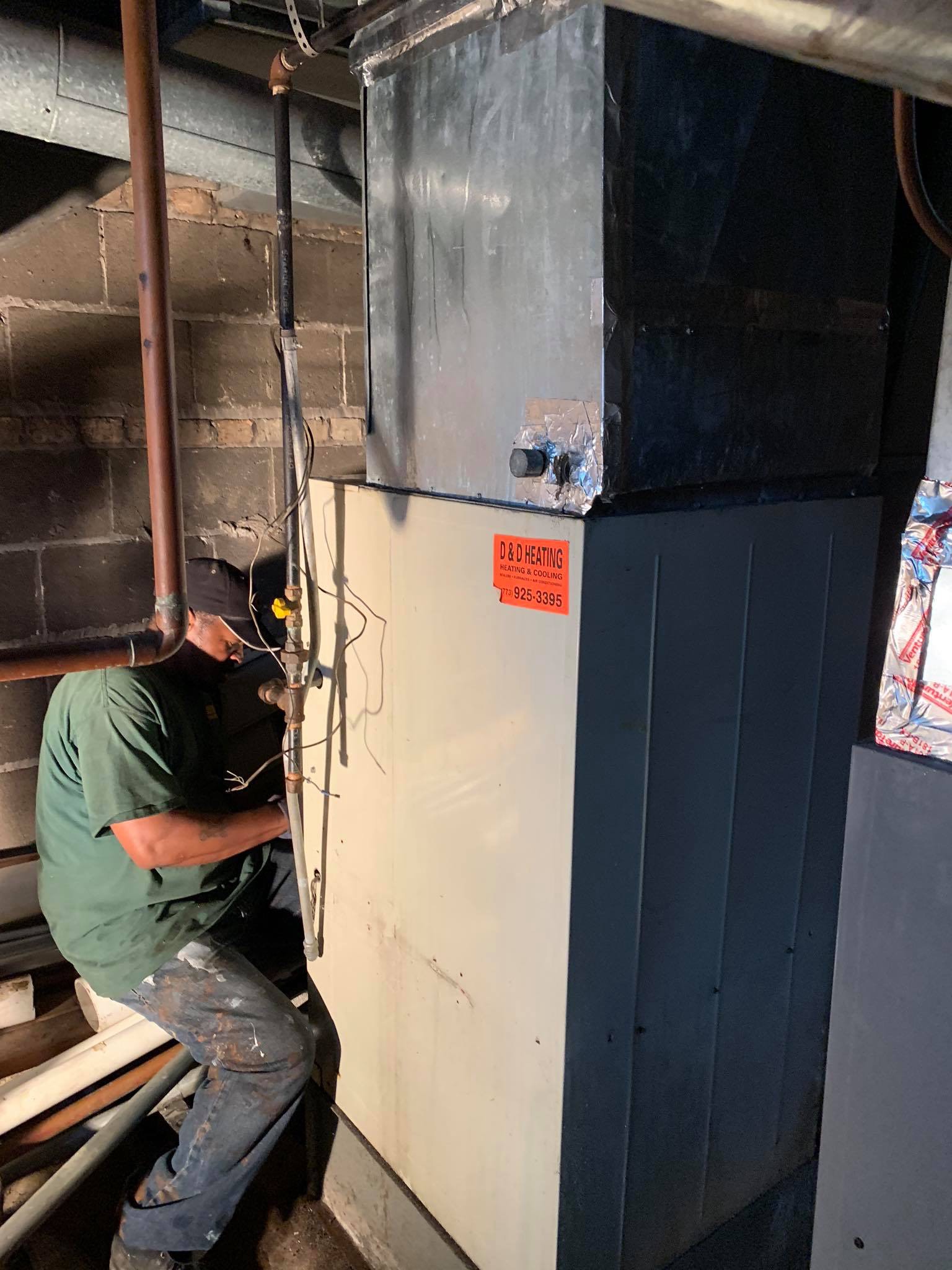
Central air conditioning remains the most common cooling solution for Chicago homes with existing ductwork. These systems use an outdoor condenser unit connected to an indoor evaporator coil mounted on your furnace.
Cost range for 1500 sq ft: $3,500 to $7,500 installed
Central AC offers reliable cooling with straightforward maintenance requirements. Units typically last 15-20 years with proper care. The main limitation is the requirement for ductwork, which adds cost if your home lacks existing ducts.
Gas Furnaces
Natural gas furnaces provide the most cost-effective heating for Chicago homes with gas service. Gas prices in Illinois remain relatively stable compared to electricity rates, making gas heating economical.
Cost range for 1500 sq ft: $2,500 to $6,000 installed
Modern gas furnaces offer excellent efficiency and reliability. Variable-speed models provide quieter operation and better humidity control. Two-stage furnaces adjust output based on demand, improving comfort and efficiency.
Heat Pumps
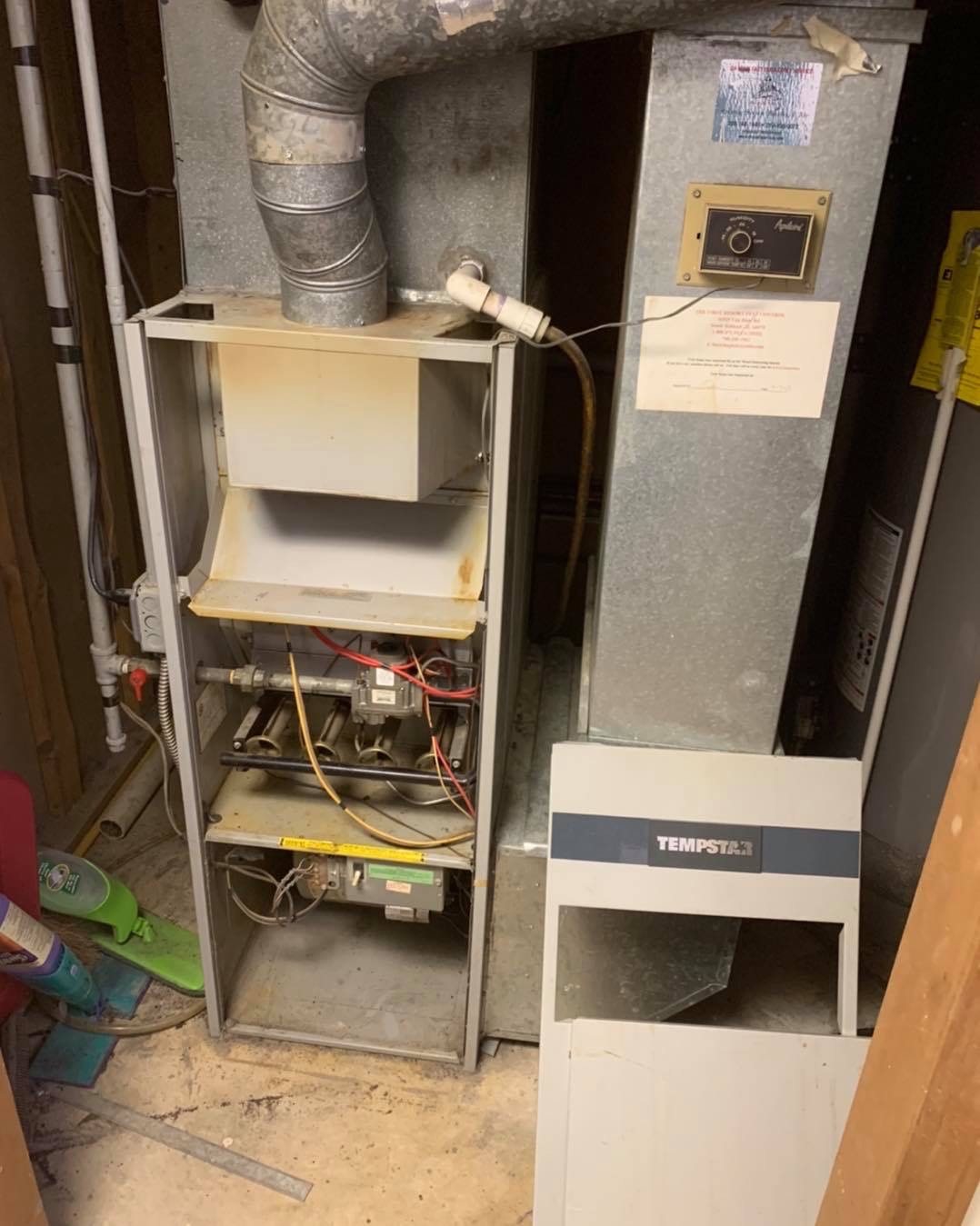
Heat pumps provide both heating and cooling from a single system. They work like air conditioners in summer and reverse operation to extract heat from outdoor air in winter.
Cost range for 1500 sq ft: $4,500 to $10,000 installed
Traditional heat pumps struggle in extreme cold, requiring backup heating when temperatures drop below 25-30°F. However, cold-climate heat pumps now operate efficiently down to -15°F, making them viable for Chicago homes.
Heat pumps work best for homeowners seeking all-electric heating or those with high gas prices. They also qualify for federal tax credits and utility rebates.
Ductless Mini-Split Systems
Ductless mini-splits provide zoned heating and cooling without ductwork. An outdoor unit connects to one or more indoor air handlers mounted on walls or ceilings.
Cost range for 1500 sq ft: $5,000 to $15,000 installed (multi-zone)
Mini-splits excel in homes without existing ductwork, additions, or converted spaces. They offer precise temperature control for individual rooms and high efficiency ratings. The main drawbacks include visible indoor units and higher per-ton costs compared to central systems.
Hybrid and Dual-Fuel Systems
Hybrid systems combine a heat pump with a gas furnace, automatically switching between them based on outdoor temperature and energy costs.
Cost range for 1500 sq ft: $7,000 to $14,000 installed
These systems use the heat pump during mild weather when it operates most efficiently. When temperatures drop and the heat pump loses efficiency, the system switches to gas heating. This approach optimizes comfort and operating costs throughout Chicago's variable climate.
Installation vs. Replacement: Understanding the Cost Difference
Installation costs vary significantly between new construction and replacement projects. Understanding these differences helps you budget accurately for your specific situation.
New Construction Installation Costs
Installing HVAC in new construction or major renovations typically costs 10-20% less than replacement work. Open walls and ceilings allow easier duct installation and equipment placement.
New construction also allows optimal system design from the start. Contractors can plan duct routes, equipment locations, and electrical connections without working around existing structures.
However, new construction projects require complete system installation including all ductwork, which adds to total cost compared to equipment-only replacements.
Replacement Costs for Existing Systems
Replacing existing HVAC equipment involves working within your home's current infrastructure. This creates both advantages and challenges that affect pricing.
Straightforward replacements where new equipment fits existing connections cost less. These projects typically complete in one day with minimal disruption.
Complex replacements requiring equipment relocation, duct modifications, or code upgrades cost more. Older homes often need electrical panel upgrades or gas line modifications to support modern equipment.
When Repair Makes More Sense Than Replacement
Replacement isn't always the most cost-effective choice. Consider repair when your system is under 10 years old, the repair costs less than 50% of replacement, and no major components have failed.
The "5,000 rule" offers a helpful guideline: multiply your system's age by the repair cost. If the result exceeds $5,000, replacement typically makes more financial sense.
For example, a 12-year-old system needing a $500 repair scores 6,000 (12 × 500), suggesting replacement. A 6-year-old system with the same repair scores 3,000, favoring repair.
Long-Term Operating Costs and Energy Savings
Your HVAC purchase price represents only part of the total cost of ownership. Operating costs over the system's lifespan often exceed the initial investment.
Monthly Energy Costs by System Type
Heating and cooling account for roughly 50% of a typical Chicago home's energy use. Your system choice directly impacts these ongoing costs.
For a 1500 sq ft Chicago home, expect monthly heating costs of $100-200 during winter depending on furnace efficiency and thermostat settings. Summer cooling costs range from $80-150 monthly based on AC efficiency and usage patterns.
High-efficiency systems reduce these costs by 20-40% compared to minimum-efficiency equipment. Over a 15-year system lifespan, this difference adds up to thousands of dollars.
High-Efficiency Systems and ROI
High-efficiency HVAC equipment costs more upfront but delivers measurable returns through lower operating costs. The payback period depends on efficiency improvement, local energy prices, and usage patterns.
Upgrading from a 14 SEER to an 18 SEER air conditioner typically saves $150-250 annually on cooling costs. Upgrading from an 80% to 96% AFUE furnace saves $200-400 annually on heating.
Most high-efficiency upgrades pay for themselves within 5-8 years, then continue delivering savings for the remainder of the system's life.
Rebates and Incentives in Illinois
Several programs help offset high-efficiency HVAC costs for Illinois homeowners. These incentives make premium equipment more affordable.
The federal energy efficiency tax credit offers up to $2,000 for qualifying heat pumps and $600 for other efficient HVAC equipment. This credit applies to equipment installed through 2032.
ComEd and Nicor Gas offer rebates for high-efficiency equipment through the Illinois Home Weatherization Assistance Program. Rebates range from $200 to $1,000 depending on equipment type and efficiency level.
How to Budget for Your HVAC Investment
Proper budgeting prevents financial stress and helps you make confident decisions. Plan for both expected costs and potential additions.
Getting Accurate Estimates
Accurate estimates require in-home assessments. Phone or online quotes based solely on square footage often miss important factors that affect pricing.
Request detailed written estimates from at least three contractors. Each estimate should itemize equipment, labor, materials, permits, and any additional work required.
Compare estimates carefully, ensuring each covers the same scope of work. The lowest price isn't always the best value if it excludes necessary items or uses inferior equipment.
Financing Options for Chicago Homeowners
Several financing options help manage HVAC costs without depleting savings. Many contractors offer financing through partnerships with lending institutions.
Manufacturer financing programs often feature promotional rates, including 0% interest for qualified buyers. These programs typically require good credit and specific equipment purchases.
Home equity loans and lines of credit offer another option, often with tax-deductible interest. Personal loans provide flexibility but typically carry higher interest rates.
Hidden Costs to Plan For
Budget an additional 10-15% beyond your base estimate for unexpected expenses. Common additions include:
Permit fees range from $75 to $300 depending on municipality. Some contractors include permits in their quotes; others list them separately.
Electrical upgrades may be required if your panel lacks capacity for new equipment. Expect $200-500 for minor upgrades or $1,500-3,000 for panel replacement.
Thermostat upgrades add $150-500 for programmable or smart models. Many homeowners choose to upgrade during installation for convenience.
Choosing the Right HVAC Contractor in Chicago
Your contractor choice affects installation quality, system performance, and long-term reliability. Take time to evaluate options carefully.
What to Look for in an HVAC Company
Licensed and insured contractors protect you from liability and ensure code-compliant work. Verify Illinois HVAC contractor licensing and ask for insurance certificates.
Experience with your specific equipment type matters. Contractors familiar with your chosen brand understand proper installation procedures and can troubleshoot effectively.
Look for manufacturers' dealer certifications, which indicate specialized training and access to warranty support. Factory-authorized dealers often provide better service and more comprehensive warranties.
Questions to Ask Before Signing a Contract
Ask about installation timeline and what happens if delays occur. Understand who will perform the work and whether subcontractors are involved.
Request details about warranty coverage, including labor warranties beyond manufacturer equipment warranties. Many quality contractors offer 1-2 year labor warranties.
Clarify what's included in the quoted price and what might generate additional charges. Ask specifically about permits, disposal of old equipment, and any potential complications.
Red Flags to Avoid
Be cautious of contractors who provide quotes without visiting your home. Accurate pricing requires assessing your specific situation.
Extremely low bids often indicate cut corners, inferior equipment, or hidden charges. If one quote is significantly below others, ask why.
High-pressure sales tactics and demands for large deposits signal potential problems. Reputable contractors provide information and allow time for decisions.
Avoid contractors who cannot provide references or proof of licensing and insurance. These basic credentials protect your investment.
Conclusion
Understanding HVAC costs for your 1500 sq ft Chicago home empowers you to budget effectively and choose the right system for your needs. From equipment selection and efficiency ratings to installation factors and long-term operating costs, each element contributes to your total investment and comfort outcomes.
The right HVAC system balances upfront costs with long-term value, delivering reliable comfort through Chicago's demanding climate while keeping energy bills manageable. Working with a knowledgeable local contractor ensures proper sizing, quality installation, and ongoing support.
We invite you to contact Chicago Comfort HVAC for a free, no-obligation estimate tailored to your home. Our team provides transparent pricing, expert recommendations, and professional installation that delivers lasting comfort and value.
Frequently Asked Questions
How much does a new HVAC system cost for a 1500 sq ft house?
A complete HVAC system for a 1500 sq ft home in Chicago costs between $5,000 and $12,500 installed. This includes both heating and cooling equipment, labor, and standard installation materials. Your specific cost depends on equipment efficiency, brand selection, and installation complexity.
What size HVAC unit do I need for 1500 square feet?
Most 1500 sq ft Chicago homes need a 2.5 to 3-ton air conditioner and an 80,000 to 100,000 BTU furnace. However, proper sizing requires a load calculation considering insulation, windows, and home orientation. Oversized or undersized equipment causes comfort problems and higher operating costs.
Is it cheaper to repair or replace an HVAC system?
Repair makes sense when your system is under 10 years old and repair costs less than half the replacement price. Use the 5,000 rule: multiply system age by repair cost. Results over 5,000 favor replacement. Systems over 15 years old typically benefit from replacement regardless of repair cost.
How long does HVAC installation take?
Standard equipment replacement typically completes in one day, usually 6-10 hours. Complex installations requiring ductwork modifications or electrical upgrades may take 2-3 days. New construction installations vary based on home size and system complexity.
What is the best time of year to buy an HVAC system in Chicago?
Spring and fall offer the best combination of pricing and scheduling flexibility. Contractors are less busy during these shoulder seasons and may offer discounts. Avoid emergency replacements during summer heat waves or winter cold snaps when demand peaks and prices rise.
Do high-efficiency HVAC systems really save money?
Yes, high-efficiency systems deliver measurable savings. Upgrading from minimum to high-efficiency equipment typically reduces energy costs by 20-40%. Most efficiency upgrades pay for themselves within 5-8 years and continue saving money for the system's remaining lifespan.
What SEER rating should I choose for Chicago weather?
For Chicago's climate, 16 SEER offers a good balance of efficiency and cost. Higher ratings (18-20+ SEER) provide additional savings but with longer payback periods. The federal minimum of 14 SEER works for budget-focused projects but results in higher operating costs.
Are there rebates for HVAC installation in Illinois?
Yes, several rebate programs exist. The federal tax credit offers up to $2,000 for qualifying heat pumps. ComEd and Nicor Gas provide utility rebates ranging from $200 to $1,000 for high-efficiency equipment. Your contractor can help identify available incentives.
How much does ductwork add to HVAC installation costs?
Duct modifications add $1,000 to $5,000 depending on scope. Complete duct replacement for a 1500 sq ft home costs $3,000 to $7,000. Minor sealing and adjustments may add only a few hundred dollars. Your contractor should assess ductwork condition during the estimate process.
What is included in an HVAC installation quote?
A complete quote should itemize equipment (brand, model, efficiency ratings), labor, standard materials, permits, and old equipment disposal. Ask specifically about items that might generate additional charges, such as electrical upgrades, duct modifications, or thermostat installation.
Follow a maintenance program
Ante gravida id aenean quis egestas risus nam amet nullam leo diam diam aliquam eu eu malesuada arcu rhoncus suspendisse nulla mattis ut amet sagittis in justo egestas.

search for a trusted mechanic
Lorem ipsum dolor sit amet, consectetur adipiscing elit lobortis arcu enim urna adipiscing praesent velit viverra sit semper lorem eu cursus vel hendrerit elementum morbi curabitur etiam nibh justo, lorem aliquet donec sed sit mi dignissim at ante massa mattis.
- Neque sodales ut etiam sit amet nisl purus non tellus orci ac auctor
- Adipiscing elit ut aliquam purus sit amet viverra suspendisse potent
- Mauris commodo quis imperdiet massa tincidunt nunc pulvinar
- Excepteur sint occaecat cupidatat non proident sunt in culpa qui officia
Check the air pressure in your tires
Vitae congue eu consequat ac felis placerat vestibulum lectus mauris ultrices cursus sit amet dictum sit amet justo donec enim diam porttitor lacus luctus accumsan tortor posuere praesent tristique magna sit amet purus gravida quis blandit turpis.
Review your suspension frequently
At risus viverra adipiscing at in tellus integer feugiat nisl pretium fusce id velit ut tortor sagittis orci a scelerisque purus semper eget at lectus urna duis convallis. porta nibh venenatis cras sed felis eget neque laoreet suspendisse interdum consectetur libero id faucibus nisl donec pretium vulputate sapien nec sagittis aliquam nunc lobortis mattis aliquam faucibus purus in.
- Neque sodales ut etiam sit amet nisl purus non tellus orci ac auctor
- Adipiscing elit ut aliquam purus sit amet viverra suspendisse potent
- Mauris commodo quis imperdiet massa tincidunt nunc pulvinar
- Excepteur sint occaecat cupidatat non proident sunt in culpa qui officia
Service your vehicle as regularly as posible
At risus viverra adipiscing at in tellus integer feugiat nisl pretium fusce id velit ut tortor sagittis orci a scelerisque purus semper eget at lectus urna duis convallis. porta nibh venenatis cras sed felis eget neque laoreet suspendisse interdum consectetur libero id faucibus nisl donec pretium vulputate sapien nec sagittis aliquam nunc lobortis mattis aliquam faucibus purus in.
“Nisi quis eleifend quam adipiscing vitae aliquet bibendum enim facilisis gravida neque velit euismod in pellentesque”
Conclusion
Eget lorem dolor sed viverra ipsum nunc aliquet bibendum felis donec et odio pellentesque diam volutpat commodo sed egestas aliquam sem fringilla ut morbi tincidunt augue interdum velit euismod eu tincidunt tortor aliquam nulla facilisi aenean sed adipiscing diam donec adipiscing ut lectus arcu bibendum at varius vel pharetra nibh venenatis cras sed felis eget.
