HVAC Cost for 2500 Sq Ft Home
HVAC Cost for 2500 Sq Ft Home in Chicago | 2026 Pricing Guide
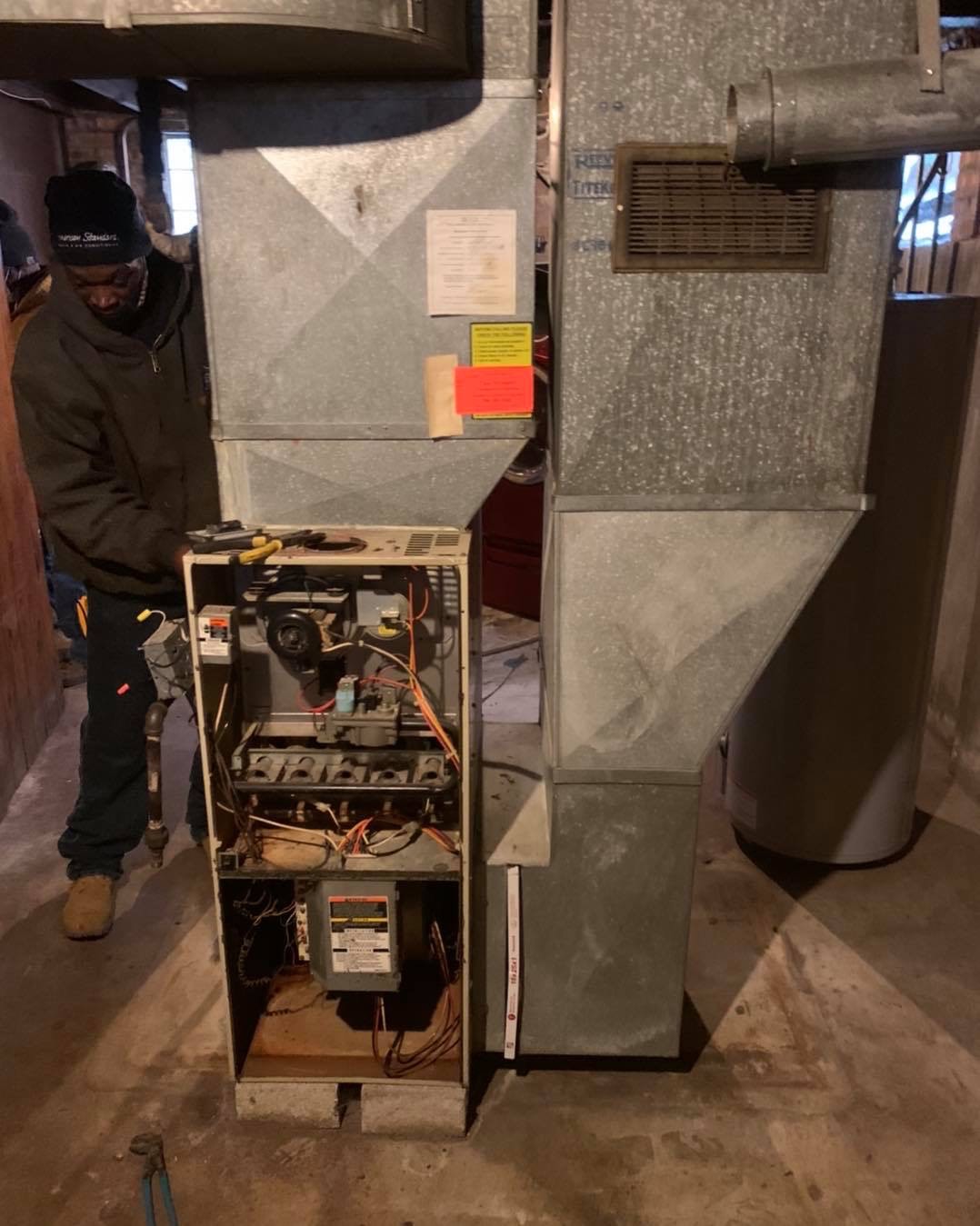
A complete HVAC system for a 2500 square foot home in Chicago typically costs between $8,500 and $18,000 installed, depending on system type, efficiency rating, and your home's specific requirements. This range covers everything from basic single-stage units to high-efficiency variable-speed systems with smart controls.
Understanding these costs matters because Chicago's extreme temperature swings demand reliable heating and cooling. The wrong system choice can mean thousands in wasted energy bills or premature replacement costs over the next decade.
This guide breaks down exact pricing for different system types, explains what drives costs up or down, and helps you budget confidently for your HVAC investment.
Average HVAC Cost for a 2500 Sq Ft Home in Chicago
Chicago homeowners replacing or installing a complete HVAC system in a 2500 square foot home should budget between $8,500 and $18,000 for equipment and professional installation. This wide range reflects the significant differences between entry-level and premium systems, as well as installation complexity.
The Chicago market tends to run slightly higher than national averages due to stricter permit requirements, higher labor costs, and the need for equipment rated for extreme temperature variations. A system that works fine in moderate climates may struggle with Chicago's subzero winters and humid summers.
Central Air Conditioning Installation Costs
Central air conditioning installation for a 2500 sq ft Chicago home ranges from $4,200 to $8,500, including the outdoor condenser unit, indoor evaporator coil, and labor. A standard 3.5 to 4-ton unit with a 14-16 SEER rating falls at the lower end, while high-efficiency 20+ SEER systems with variable-speed compressors reach the higher end.
Installation typically takes one to two days when connecting to existing ductwork. If your home needs electrical upgrades or refrigerant line modifications, expect an additional $500 to $1,500.
Furnace Installation and Replacement Costs
Gas furnace installation in Chicago costs between $3,800 and $7,500 for a 2500 square foot home. The price depends heavily on efficiency rating, measured in AFUE (Annual Fuel Utilization Efficiency). Standard 80% AFUE furnaces cost less upfront but waste 20 cents of every heating dollar. High-efficiency 96-98% AFUE models cost more initially but dramatically reduce monthly gas bills.
Given Chicago's lengthy heating season, most homeowners find that high-efficiency furnaces pay for themselves within five to seven years through energy savings.
Complete HVAC System Package Pricing
Purchasing a matched air conditioner and furnace together typically saves $1,000 to $2,000 compared to buying components separately. Complete system packages for a 2500 sq ft Chicago home break down as follows:
Entry-level package (80% AFUE furnace + 14 SEER AC): $8,500 to $11,000 installed
Mid-range package (96% AFUE furnace + 16 SEER AC): $11,000 to $14,500 installed
Premium package (98% AFUE furnace + 20+ SEER AC with variable speed): $14,500 to $18,000+ installed
These prices include standard installation, permits, and manufacturer warranties. Extended labor warranties and maintenance agreements add $200 to $600.
Factors That Affect HVAC Installation Costs in Chicago
Several variables can push your final cost toward the higher or lower end of these ranges. Understanding these factors helps you anticipate expenses and make informed decisions about where to invest and where to save.
System Type and Efficiency Ratings (SEER and AFUE)
Efficiency ratings directly impact both purchase price and long-term operating costs. For air conditioners, SEER (Seasonal Energy Efficiency Ratio) measures cooling efficiency. The federal minimum is 14 SEER, while premium units reach 26 SEER. Each SEER point increase typically adds $300 to $500 to equipment cost but reduces cooling bills by 5-7%.
For furnaces, AFUE indicates what percentage of fuel becomes usable heat. An 80% AFUE furnace is the minimum allowed for non-condensing units, while condensing furnaces reach 98% AFUE. Upgrading from 80% to 96% AFUE typically costs $1,500 to $2,500 more but can save Chicago homeowners $400 to $700 annually on heating bills.
Ductwork Condition and Modification Requirements
Existing ductwork condition significantly impacts installation cost. Homes with well-maintained, properly sized ducts may need only minor sealing and adjustments, adding $200 to $500 to the project. However, undersized ducts, extensive leaks, or outdated designs can require modifications costing $1,500 to $5,000.
Many Chicago homes built before 1980 have ductwork designed for less efficient systems. Installing a modern high-capacity unit on undersized ducts wastes money and shortens equipment life. A reputable contractor will assess duct condition before quoting and recommend necessary upgrades.
Labor Costs and Seasonal Pricing Fluctuations
Labor accounts for 30-40% of total HVAC installation cost in Chicago. Licensed technicians in the Chicago market typically charge $75 to $150 per hour, with most installations requiring 8 to 16 labor hours depending on complexity.
Timing matters significantly. Peak demand during extreme summer heat and winter cold drives prices up and extends wait times. Scheduling installation during spring or fall shoulder seasons often yields better pricing and faster service. Some contractors offer 10-15% discounts during slower periods.
Chicago Climate Considerations and Equipment Sizing
Chicago's climate demands equipment capable of handling both extremes. Winter temperatures regularly drop below zero, requiring robust heating capacity. Summer humidity combined with temperatures in the 90s demands efficient dehumidification alongside cooling.
Proper sizing is critical. An undersized system runs constantly without reaching comfortable temperatures, while an oversized system short-cycles, wasting energy and failing to remove humidity. Professional load calculations using Manual J methodology account for your home's insulation, window placement, sun exposure, and other factors to determine correct equipment size.
For a 2500 sq ft Chicago home, most installations require 3.5 to 5 tons of cooling capacity and 80,000 to 120,000 BTU heating capacity, depending on home construction and insulation levels.
HVAC System Types and Price Comparisons
Different system types suit different homes and budgets. Understanding your options helps you choose the best value for your specific situation.
Traditional Split Systems
Traditional split systems remain the most common choice for Chicago homes with existing ductwork. These systems pair an outdoor condenser with an indoor air handler or furnace, distributing conditioned air through ducts.
Pros: Proven reliability, wide contractor familiarity, competitive pricing, easy maintenance
Cons: Requires ductwork, less efficient than newer technologies, single-speed models waste energy
Cost for 2500 sq ft: $8,500 to $14,000 installed
Heat Pump Systems
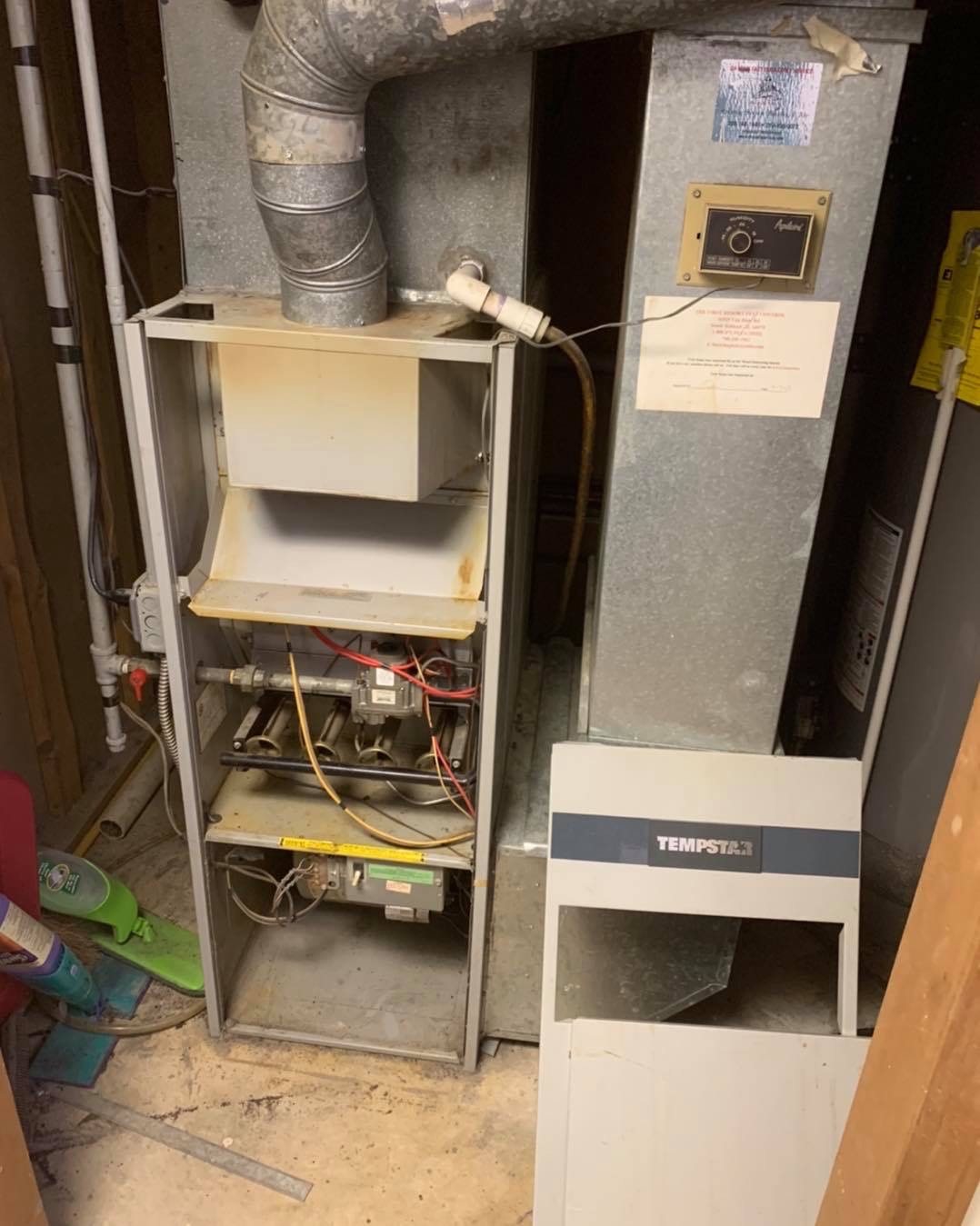
Heat pumps provide both heating and cooling from a single outdoor unit, transferring heat rather than generating it. Modern cold-climate heat pumps work effectively in Chicago's winters, though most installations include a backup gas furnace for extreme cold snaps.
Pros: High efficiency, lower operating costs, single system for heating and cooling, eligible for federal tax credits
Cons: Higher upfront cost, may need backup heat source, requires contractor expertise
Cost for 2500 sq ft: $12,000 to $20,000 installed (dual-fuel system with gas backup)
According to the Department of Energy, heat pumps can reduce electricity use for heating by approximately 50% compared to electric resistance heating.
Ductless Mini-Split Systems
Ductless systems work well for homes without existing ductwork or for adding climate control to specific areas. Each indoor unit operates independently, allowing zone-based temperature control.
Pros: No ductwork needed, zone control, high efficiency, quiet operation
Cons: Higher cost per ton, visible indoor units, multiple outdoor units for whole-home coverage
Cost for 2500 sq ft (whole-home coverage): $15,000 to $25,000 installed
Most Chicago homeowners use mini-splits to supplement existing systems rather than as whole-home solutions.
High-Efficiency vs Standard Efficiency Units
The efficiency decision involves balancing upfront cost against long-term savings. Here's a practical comparison for a 2500 sq ft Chicago home:
Efficiency Level
Upfront Cost
Annual Energy Cost
10-Year Total Cost
Standard (80% AFUE / 14 SEER)
$8,500
$2,400
$32,500
Mid-Range (96% AFUE / 16 SEER)
$12,000
$1,800
$30,000
Premium (98% AFUE / 20 SEER)
$16,000
$1,400
$30,000
These estimates assume average Chicago energy prices and typical usage patterns. High-efficiency systems often break even within 5-7 years and provide superior comfort through better humidity control and quieter operation.
HVAC Replacement vs Repair: Cost Analysis for Chicago Homeowners
Deciding between repairing an existing system and investing in replacement requires honest assessment of your current equipment's condition and remaining lifespan.
When to Repair Your Existing System
Repair makes financial sense when your system is relatively young and the repair cost is reasonable compared to replacement value. Generally, consider repair when:
- Your system is less than 10 years old
- Repair cost is less than 50% of replacement cost
- The issue is isolated (single component failure, not systemic problems)
- Energy bills remain reasonable
- The system still uses current refrigerant types
Common repairs like capacitor replacement ($150-$300), contactor replacement ($150-$400), or blower motor repair ($400-$700) often extend system life significantly.
When Replacement Makes Financial Sense
Replacement becomes the smarter investment when repair costs approach replacement value or when your system's inefficiency wastes money monthly. Consider replacement when:
- Your system is 15+ years old
- Repair costs exceed 50% of replacement value
- You're facing multiple component failures
- Your system uses R-22 refrigerant (phased out, increasingly expensive)
- Energy bills have increased significantly
- Comfort problems persist despite repairs
The ENERGY STAR program notes that replacing a 15-year-old system with a high-efficiency model can reduce energy bills by 20-40%.
Long-Term Operating Cost Considerations
Beyond purchase price, consider total cost of ownership over the system's expected 15-20 year lifespan. A $16,000 high-efficiency system that saves $600 annually in energy costs delivers $9,000 in savings over 15 years, effectively reducing its real cost to $7,000.
Factor in maintenance costs ($150-$300 annually for professional tune-ups), potential repair frequency as systems age, and the value of improved comfort and reliability.
How to Budget for Your HVAC Project
Smart budgeting ensures you get the best system for your investment without financial strain.
Financing Options and Payment Plans
Most HVAC contractors offer financing through partnerships with lending institutions. Common options include:
Same-as-cash financing: 0% interest if paid within 6-18 months. Ideal if you can pay off quickly.
Low-interest installment loans: Fixed monthly payments over 3-10 years at 5-12% APR. Predictable budgeting.
Home equity options: Lower rates but uses your home as collateral. Best for larger projects.
Monthly payments for a $12,000 system typically range from $150-$250 depending on term length and interest rate.
Available Rebates and Tax Incentives
Several programs reduce HVAC costs for Chicago homeowners:
Federal tax credits: The Inflation Reduction Act provides tax credits up to $2,000 for qualifying heat pumps and up to $600 for high-efficiency furnaces and air conditioners. Check IRS guidelines for current eligibility requirements.
Utility rebates: ComEd and Peoples Gas offer rebates ranging from $100 to $1,000+ for high-efficiency equipment. Requirements change annually, so verify current programs before purchasing.
Manufacturer rebates: Seasonal promotions from major brands like Carrier, Trane, and Lennox offer $200-$500 in additional savings.
Combining available incentives can reduce project cost by $1,500 to $3,500.
Getting Accurate Estimates from Contractors
Accurate estimates require in-home assessments. Phone quotes without seeing your home are unreliable. When getting estimates:
- Request itemized quotes showing equipment, labor, permits, and warranty costs separately
- Ensure quotes specify exact equipment models, not just brand names
- Confirm what's included (thermostat, permits, disposal of old equipment)
- Ask about warranty terms for both equipment and labor
- Get at least three quotes from licensed contractors
Be wary of quotes significantly below market rates. Extremely low prices often indicate inferior equipment, unlicensed work, or hidden costs that appear later.
Choosing the Right HVAC Contractor in Chicago
Your contractor choice affects installation quality, system performance, and long-term reliability as much as equipment selection.
What to Look for in a Licensed Contractor
Verify these credentials before hiring:
State licensing: Illinois requires HVAC contractors to hold appropriate licenses. Verify through the Illinois Department of Financial and Professional Regulation.
Insurance: Confirm current liability insurance and workers' compensation coverage. Request certificates directly from their insurance provider.
Manufacturer certifications: Factory-trained technicians ensure proper installation. Major brands like Carrier, Trane, and Lennox certify dealers who meet training and quality standards.
Local reputation: Check Google reviews, BBB ratings, and ask for recent customer references in your area.
Experience: Established companies with 10+ years in the Chicago market understand local codes, climate requirements, and common home construction types.
Questions to Ask Before Signing a Contract
Before committing, get clear answers to:
- Who will perform the actual installation? (Employees or subcontractors?)
- What permits are required and who pulls them?
- How long will installation take?
- What happens if problems arise after installation?
- What does the warranty cover, and for how long?
- Will you perform a Manual J load calculation?
- What's included in the quoted price, and what might cost extra?
Document answers in writing as part of your contract.
Red Flags to Avoid
Watch for these warning signs:
- Pressure to sign immediately or "today-only" pricing
- Quotes given without inspecting your home
- Unwillingness to provide references or proof of licensing
- Requests for large upfront payments (standard is 10-30% deposit)
- Vague contracts without specific equipment models listed
- No mention of permits or inspections
- Significantly lower prices than other reputable contractors
A trustworthy contractor welcomes questions and provides transparent information without pressure tactics.
Conclusion
Understanding HVAC costs for your 2500 square foot Chicago home empowers you to make confident decisions about system type, efficiency level, and contractor selection. The investment ranges from $8,500 for basic systems to $18,000+ for premium high-efficiency equipment, with long-term energy savings often justifying higher upfront costs.
Chicago's demanding climate requires properly sized, professionally installed equipment to deliver reliable comfort year-round. Taking time to compare options, verify contractor credentials, and understand total cost of ownership protects your investment for years to come.
We're here to help you navigate these decisions with honest assessments and transparent pricing. Contact Chicago Comfort HVAC today for a free in-home consultation and detailed estimate tailored to your home's specific needs.
Frequently Asked Questions
How much does a new HVAC system cost for a 2500 sq ft home?
A complete HVAC system for a 2500 square foot home in Chicago costs between $8,500 and $18,000 installed. The final price depends on system type, efficiency ratings, and installation complexity. Mid-range systems with good efficiency typically fall in the $11,000 to $14,500 range.
What size HVAC unit do I need for 2500 square feet?
Most 2500 square foot Chicago homes need a 3.5 to 5-ton air conditioning system and an 80,000 to 120,000 BTU furnace. Exact sizing requires a professional load calculation that considers your home's insulation, windows, and layout. Improper sizing wastes energy and reduces comfort.
How long does HVAC installation take?
Standard HVAC installation takes one to two days when replacing existing equipment with similar systems. Installations requiring ductwork modifications, electrical upgrades, or complex configurations may take two to three days. Your contractor should provide a timeline during the estimate process.
Is a high-efficiency HVAC system worth the extra cost?
For most Chicago homeowners, yes. High-efficiency systems cost $3,000 to $6,000 more upfront but typically save $500 to $800 annually in energy costs. With Chicago's long heating season, most homeowners recover the extra investment within five to seven years while enjoying better comfort.
What is the best time of year to install HVAC in Chicago?
Spring and fall offer the best combination of pricing, availability, and weather conditions. Contractors are less busy during these shoulder seasons, often offering better pricing and faster scheduling. Avoid emergency replacements during extreme summer heat or winter cold when demand peaks.
How much does it cost to replace ductwork?
Partial ductwork repairs or modifications cost $500 to $2,000 for most homes. Complete ductwork replacement for a 2500 square foot home ranges from $3,000 to $7,000 depending on accessibility and complexity. Many installations only require sealing and minor adjustments rather than full replacement.
Can I install a heat pump in Chicago's climate?
Yes, modern cold-climate heat pumps work effectively in Chicago. Most installations pair the heat pump with a gas furnace backup (dual-fuel system) for extreme cold days. This combination provides high efficiency most of the year while ensuring reliable heat during subzero temperatures.
What SEER rating should I choose for my air conditioner?
For Chicago's climate, 16 SEER offers a good balance of efficiency and value. Higher SEER ratings (18-26) provide additional savings but with diminishing returns. Consider your budget, how long you plan to stay in your home, and available rebates when deciding.
How often should I replace my HVAC system?
Most HVAC systems last 15 to 20 years with proper maintenance. Consider replacement when your system reaches 15 years, requires frequent repairs, uses outdated refrigerant, or no longer maintains comfortable temperatures efficiently. Annual maintenance extends system life and helps identify problems early.
Does HVAC installation include permits and inspections?
Reputable contractors include permit costs in their quotes and handle the permit process for you. Chicago requires permits for HVAC installations, and inspections ensure work meets code requirements. Always confirm permit handling is included before signing a contract, and never hire a contractor who suggests skipping permits.
Follow a maintenance program
Ante gravida id aenean quis egestas risus nam amet nullam leo diam diam aliquam eu eu malesuada arcu rhoncus suspendisse nulla mattis ut amet sagittis in justo egestas.

search for a trusted mechanic
Lorem ipsum dolor sit amet, consectetur adipiscing elit lobortis arcu enim urna adipiscing praesent velit viverra sit semper lorem eu cursus vel hendrerit elementum morbi curabitur etiam nibh justo, lorem aliquet donec sed sit mi dignissim at ante massa mattis.
- Neque sodales ut etiam sit amet nisl purus non tellus orci ac auctor
- Adipiscing elit ut aliquam purus sit amet viverra suspendisse potent
- Mauris commodo quis imperdiet massa tincidunt nunc pulvinar
- Excepteur sint occaecat cupidatat non proident sunt in culpa qui officia
Check the air pressure in your tires
Vitae congue eu consequat ac felis placerat vestibulum lectus mauris ultrices cursus sit amet dictum sit amet justo donec enim diam porttitor lacus luctus accumsan tortor posuere praesent tristique magna sit amet purus gravida quis blandit turpis.
Review your suspension frequently
At risus viverra adipiscing at in tellus integer feugiat nisl pretium fusce id velit ut tortor sagittis orci a scelerisque purus semper eget at lectus urna duis convallis. porta nibh venenatis cras sed felis eget neque laoreet suspendisse interdum consectetur libero id faucibus nisl donec pretium vulputate sapien nec sagittis aliquam nunc lobortis mattis aliquam faucibus purus in.
- Neque sodales ut etiam sit amet nisl purus non tellus orci ac auctor
- Adipiscing elit ut aliquam purus sit amet viverra suspendisse potent
- Mauris commodo quis imperdiet massa tincidunt nunc pulvinar
- Excepteur sint occaecat cupidatat non proident sunt in culpa qui officia
Service your vehicle as regularly as posible
At risus viverra adipiscing at in tellus integer feugiat nisl pretium fusce id velit ut tortor sagittis orci a scelerisque purus semper eget at lectus urna duis convallis. porta nibh venenatis cras sed felis eget neque laoreet suspendisse interdum consectetur libero id faucibus nisl donec pretium vulputate sapien nec sagittis aliquam nunc lobortis mattis aliquam faucibus purus in.
“Nisi quis eleifend quam adipiscing vitae aliquet bibendum enim facilisis gravida neque velit euismod in pellentesque”
Conclusion
Eget lorem dolor sed viverra ipsum nunc aliquet bibendum felis donec et odio pellentesque diam volutpat commodo sed egestas aliquam sem fringilla ut morbi tincidunt augue interdum velit euismod eu tincidunt tortor aliquam nulla facilisi aenean sed adipiscing diam donec adipiscing ut lectus arcu bibendum at varius vel pharetra nibh venenatis cras sed felis eget.