
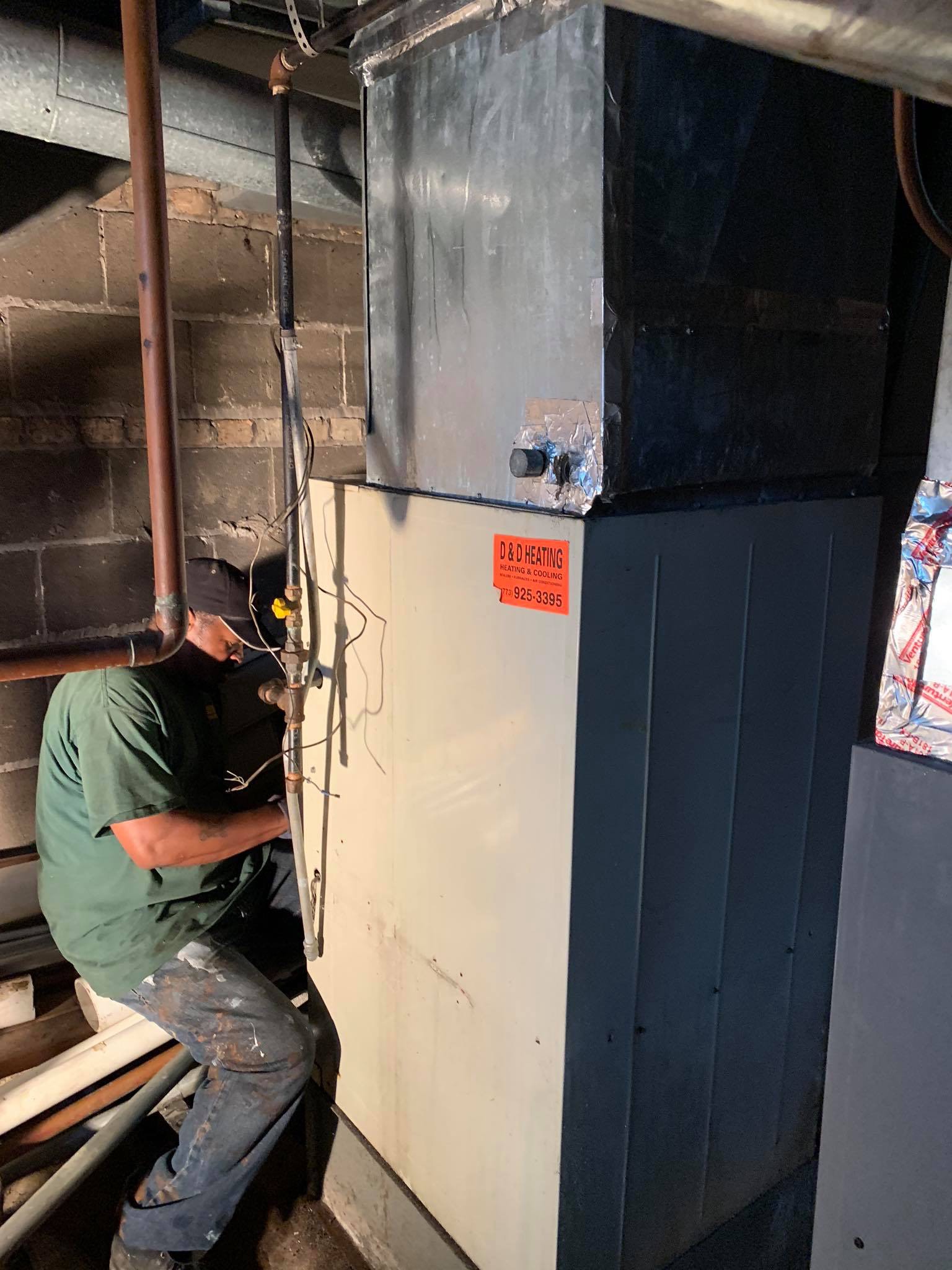
Chicago homeowners typically spend between $5,000 and $12,500 for a complete HVAC system installation, with costs varying based on system type, home size, and efficiency ratings. Understanding these numbers helps you budget accurately and avoid overpaying.
Whether you're replacing a failing furnace before winter hits or upgrading to a more efficient air conditioning system, knowing what drives HVAC pricing in Chicago puts you in control. Local factors like our extreme temperature swings and older housing stock directly impact what you'll pay.
This guide breaks down installation costs, repair pricing, efficiency considerations, and what to look for when getting quotes from Chicago HVAC contractors.
Average HVAC Installation Costs in Chicago
HVAC installation costs in Chicago range widely depending on whether you're installing a single component or replacing your entire heating and cooling system. Labor rates in the Chicago metro area typically run $75 to $150 per hour, which adds significantly to equipment costs.
Most Chicago homeowners find that getting multiple quotes reveals a price spread of 20-30% between contractors for identical equipment. This variation comes from differences in overhead, installation quality, and warranty coverage.
Central Air Conditioning Installation Costs
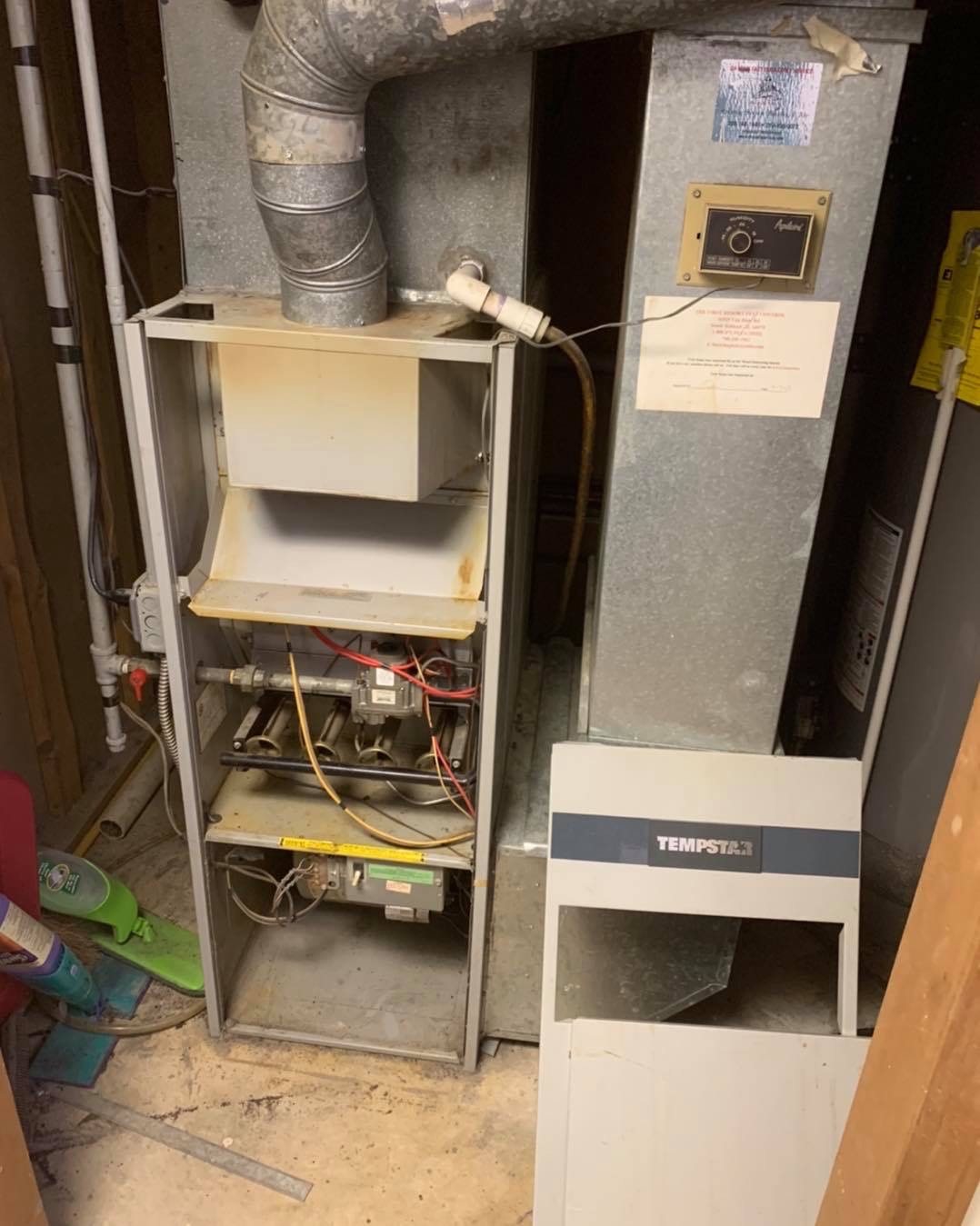
Installing central air conditioning in a Chicago home typically costs $3,500 to $7,500 for a standard efficiency unit. High-efficiency systems with SEER ratings of 18 or higher push that range to $5,000 to $10,000 or more.
Homes without existing ductwork face additional costs of $2,000 to $5,000 for duct installation. Many older Chicago bungalows and two-flats fall into this category, making ductless mini-split systems an increasingly popular alternative at $3,000 to $8,000 for multi-zone setups.
Furnace Installation Costs
Gas furnace installation in Chicago ranges from $2,500 to $6,500 depending on efficiency and heating capacity. Standard 80% AFUE furnaces sit at the lower end, while high-efficiency 96%+ AFUE models command premium pricing.
Chicago's cold winters make furnace selection particularly important. A properly sized high-efficiency furnace can reduce heating bills by $300 to $500 annually compared to minimum-efficiency models, often recovering the price difference within five to seven years.
Complete HVAC System Replacement Costs
Replacing both your furnace and air conditioner simultaneously typically costs $8,000 to $15,000 in Chicago. This bundled approach often saves $500 to $1,500 compared to separate installations because contractors can complete both jobs in a single visit.
Premium installations featuring variable-speed equipment, smart thermostats, and enhanced air filtration can reach $18,000 to $25,000. These systems deliver superior comfort and efficiency but require careful cost-benefit analysis based on your specific situation.
Factors That Affect HVAC Pricing in Chicago
Understanding what drives HVAC costs helps you evaluate quotes and make informed decisions. Several factors specific to Chicago's market and climate directly impact what you'll pay.
System Type and Efficiency Ratings
Equipment efficiency significantly affects both purchase price and long-term operating costs. Air conditioners are rated by SEER (Seasonal Energy Efficiency Ratio), with minimum standards now at 14 SEER for northern climates and high-efficiency units reaching 24+ SEER.
Each step up in SEER rating typically adds $500 to $1,000 to equipment costs. Furnaces follow similar patterns with AFUE (Annual Fuel Utilization Efficiency) ratings, where the jump from 80% to 96% efficiency adds $800 to $1,500 to the price.
Heat pumps represent another option gaining popularity in Chicago. Modern cold-climate heat pumps operate efficiently down to -15°F, making them viable for our winters. Installation costs range from $4,500 to $12,000 depending on capacity and whether you're adding backup heating.
Home Size and Ductwork Requirements
HVAC systems are sized in tons (for cooling) and BTUs (for heating). A typical 2,000-square-foot Chicago home needs a 2.5 to 3.5-ton air conditioner and a furnace producing 80,000 to 100,000 BTUs.
Undersized systems run constantly without adequately heating or cooling your home. Oversized systems cycle on and off too frequently, wasting energy and creating uncomfortable temperature swings. Proper load calculations by qualified contractors prevent both problems.
Ductwork condition matters significantly. Leaky or undersized ducts can reduce system efficiency by 20-30%. Duct sealing costs $300 to $700, while partial duct replacement runs $1,000 to $3,000 depending on accessibility.
Labor Costs and Seasonal Demand
Chicago HVAC labor rates reflect the region's higher cost of living and strong union presence in the trades. Expect installation labor to represent 30-50% of your total project cost.
Seasonal demand creates predictable price fluctuations. Emergency furnace replacements in January or AC installations during July heat waves often carry premium pricing due to high demand. Scheduling installations in spring or fall can save 10-15% on labor costs when contractors have more availability.
Permit costs in Chicago add $100 to $300 to most HVAC installations. Reputable contractors include permit fees in their quotes and handle the paperwork for you.
Chicago Climate Considerations
Chicago's climate demands robust HVAC systems. With winter temperatures regularly dropping below 0°F and summer heat indexes exceeding 100°F, your equipment works hard year-round.
This climate stress means Chicago HVAC systems often have shorter lifespans than those in milder regions. Plan for 12 to 18 years of service from quality equipment with proper maintenance, compared to the 15 to 20 years often cited nationally.
Lake effect weather patterns create additional considerations for homes near Lake Michigan. Higher humidity levels in summer increase cooling loads, while harsh winter winds accelerate heat loss. Contractors familiar with Chicago's microclimates can recommend appropriate equipment sizing.
HVAC Repair Costs in Chicago
Not every HVAC problem requires full system replacement. Understanding common repair costs helps you evaluate whether fixing your current system makes financial sense.
Common AC Repair Costs
Air conditioning repairs in Chicago typically range from $150 to $650 for common issues. Refrigerant recharges cost $150 to $400 depending on the type and amount needed. Capacitor replacements run $150 to $300, while compressor repairs or replacements range from $400 to $1,800.
Diagnostic fees from Chicago HVAC companies typically run $75 to $150, often waived if you proceed with repairs. Emergency or after-hours service calls add $100 to $200 to standard rates.
Furnace Repair Costs
Furnace repairs generally cost $150 to $500 for most common problems. Ignitor replacements run $150 to $300, blower motor repairs cost $300 to $600, and heat exchanger issues range from $500 to $1,500.
Heat exchanger cracks represent a serious safety concern due to carbon monoxide risks. If your technician identifies heat exchanger damage in a furnace over 15 years old, replacement usually makes more sense than repair given the cost and age of the equipment.
When to Repair vs. Replace Your HVAC System
The repair-versus-replace decision depends on several factors. A useful guideline: if repair costs exceed 50% of replacement cost and your system is over 10 years old, replacement typically offers better long-term value.
Consider replacement when facing:
- Frequent repairs (more than two per year)
- Rising energy bills despite maintenance
- Uneven heating or cooling throughout your home
- R-22 refrigerant systems (this refrigerant is phased out and expensive)
- Equipment over 15 years old
Repair makes sense when:
- Your system is under 10 years old
- The repair is minor and isolated
- Energy bills remain stable
- The system still heats and cools effectively
Energy Efficiency and Long-Term Operating Costs
Upfront HVAC costs tell only part of the story. Operating costs over your system's lifespan often exceed the initial purchase price, making efficiency a critical factor in your decision.
Understanding SEER and AFUE Ratings
SEER ratings measure air conditioning efficiency. A 14 SEER system (current minimum) uses significantly more electricity than an 18 SEER unit cooling the same space. The higher-rated system costs more upfront but delivers lower monthly bills.
For a typical Chicago home, upgrading from 14 SEER to 18 SEER can reduce cooling costs by 25-30%. With average summer cooling bills of $150 to $250 monthly, that translates to $40 to $75 in monthly savings during peak cooling season.
AFUE ratings work similarly for furnaces. An 80% AFUE furnace sends 20 cents of every heating dollar up the chimney as waste. A 96% AFUE model captures nearly all that energy, reducing gas consumption proportionally.
Monthly Energy Cost Comparisons
Chicago homeowners spend an average of $150 to $300 monthly on heating during winter and $100 to $200 monthly on cooling during summer. High-efficiency equipment can reduce these costs by 20-40% depending on your current system's age and efficiency.
Over a 15-year system lifespan, the difference between standard and high-efficiency equipment often totals $5,000 to $10,000 in energy savings. This calculation helps justify higher upfront costs for premium equipment.
Smart thermostats add another 5-15% in savings by optimizing run times and adjusting temperatures when you're away. Most Chicago utility companies offer rebates of $50 to $100 on qualifying smart thermostat purchases.
Available Rebates and Incentives in Illinois
Illinois homeowners can access several programs that reduce HVAC upgrade costs. ComEd offers rebates of $200 to $800 on qualifying high-efficiency air conditioners and heat pumps.
Nicor Gas provides rebates of $200 to $600 on high-efficiency furnaces meeting specific AFUE thresholds. Combined utility rebates can offset $400 to $1,400 of your installation costs.
Federal tax credits through the Inflation Reduction Act offer 30% of installation costs (up to $2,000 annually) for qualifying heat pumps and $600 for high-efficiency furnaces and central air conditioners. These credits apply to equipment meeting specific efficiency standards installed through 2032.
How to Get Accurate HVAC Quotes in Chicago
Getting reliable quotes requires understanding the process and knowing what questions to ask. Accurate estimates protect you from surprises and help you compare contractors fairly.
What to Expect During an HVAC Assessment
Quality contractors perform detailed assessments before providing quotes. This process should take 45 minutes to 2 hours depending on your home's complexity and include:
- Measuring your home's square footage and ceiling heights
- Inspecting existing ductwork condition and sizing
- Evaluating insulation levels and air sealing
- Assessing electrical panel capacity for new equipment
- Discussing your comfort concerns and priorities
Contractors who quote over the phone without visiting your home cannot provide accurate pricing. Insist on in-person assessments from any contractor you're seriously considering.
Questions to Ask Your HVAC Contractor
Prepare these questions before meeting with contractors:
About the company:
- How long have you been in business in Chicago?
- Are you licensed and insured in Illinois?
- Do you pull permits for installations?
About the quote:
- What equipment brands do you recommend and why?
- What warranty coverage comes with installation?
- Does the quote include all materials, labor, and permits?
- What's your timeline for completing the work?
About the installation:
- Who performs the actual installation work?
- How do you handle unexpected issues discovered during installation?
- What's included in your post-installation support?
Red Flags to Avoid When Comparing Estimates
Watch for these warning signs when evaluating HVAC contractors:
Pricing red flags:
- Quotes significantly lower than competitors (often indicates corners being cut)
- Pressure to decide immediately or "today only" pricing
- Verbal quotes without detailed written documentation
- Requests for large deposits before work begins
Professional red flags:
- No physical business address in the Chicago area
- Inability to provide proof of licensing and insurance
- Reluctance to pull required permits
- Poor or no online reviews from Chicago customers
Technical red flags:
- Recommending equipment without performing load calculations
- One-size-fits-all recommendations regardless of home specifics
- Unwillingness to explain equipment choices or answer questions
Financing Options for HVAC Systems
HVAC replacement represents a significant investment, and most Chicago homeowners benefit from understanding available financing options.
Many HVAC contractors offer 0% APR financing for 12 to 24 months through partnerships with lending companies. These programs let you spread costs without interest charges if you pay within the promotional period.
Longer-term financing at 4.99% to 12.99% APR extends payments over 5 to 12 years, reducing monthly costs but increasing total expense. A $10,000 system financed at 7.99% for 10 years costs approximately $121 monthly with total interest of about $4,500.
Home equity loans and HELOCs often provide lower interest rates than contractor financing, typically 6% to 9% for qualified borrowers. These options work well for homeowners with significant equity who prefer lower rates over convenience.
Some Chicago homeowners use credit cards with 0% introductory APR offers for HVAC purchases, providing 15 to 21 months of interest-free payments. This approach requires discipline to pay off the balance before promotional rates expire.
Conclusion
Understanding HVAC costs in Chicago empowers you to budget accurately, evaluate contractor quotes, and choose equipment that balances upfront investment with long-term operating expenses. From installation pricing to efficiency ratings and available rebates, informed decisions lead to better outcomes.
Chicago's demanding climate requires reliable heating and cooling systems, making contractor selection and equipment quality particularly important. Taking time to get multiple quotes, ask detailed questions, and verify credentials protects your investment.
We're here to help you navigate HVAC decisions with confidence. Contact Chicago Comfort HVAC for a transparent assessment and honest pricing tailored to your home's specific needs.
Frequently Asked Questions
How much does a new HVAC system cost in Chicago?
A complete HVAC system including furnace and air conditioner typically costs $8,000 to $15,000 in Chicago. Premium high-efficiency systems with advanced features can reach $18,000 to $25,000 depending on home size and equipment specifications.
What is the average cost to replace a furnace in Chicago?
Furnace replacement in Chicago averages $2,500 to $6,500 including installation. High-efficiency models with 96%+ AFUE ratings cost more upfront but deliver significant energy savings over their lifespan.
How long does HVAC installation take?
Most HVAC installations in Chicago take 1 to 3 days depending on complexity. Simple furnace replacements often complete in one day, while full system replacements with ductwork modifications may require two to three days.
Is it cheaper to install HVAC in winter or summer?
Spring and fall typically offer the best pricing because contractor demand is lower. Scheduling installations during these shoulder seasons can save 10-15% compared to emergency replacements during extreme weather.
What size HVAC system do I need for my Chicago home?
Proper sizing requires professional load calculations based on your home's square footage, insulation, windows, and orientation. A typical 2,000-square-foot Chicago home needs approximately 2.5 to 3.5 tons of cooling capacity.
How much does HVAC maintenance cost in Chicago?
Annual HVAC maintenance in Chicago typically costs $150 to $300 for a complete tune-up of both heating and cooling systems. Many contractors offer maintenance plans at $15 to $30 monthly that include priority scheduling and repair discounts.
Do HVAC prices include installation labor?
Reputable contractors provide all-inclusive quotes covering equipment, labor, materials, and permits. Always confirm what's included before signing any agreement, and be wary of quotes that separate equipment and labor costs.
What HVAC brands are best for Chicago weather?
Brands like Carrier, Trane, Lennox, and Rheem perform well in Chicago's climate. More important than brand is proper sizing, quality installation, and choosing efficiency ratings appropriate for your budget and energy goals.
Can I finance an HVAC system with bad credit?
Many HVAC financing programs accept applicants with credit scores as low as 580 to 620, though interest rates increase for lower scores. Some contractors offer in-house financing or rent-to-own programs for customers who don't qualify for traditional financing.
How often should I replace my HVAC system in Chicago?
Chicago's extreme temperatures typically reduce HVAC lifespan to 12 to 18 years with proper maintenance. Consider replacement when repair costs become frequent, energy bills rise significantly, or your system no longer maintains comfortable temperatures.
Follow a maintenance program
Ante gravida id aenean quis egestas risus nam amet nullam leo diam diam aliquam eu eu malesuada arcu rhoncus suspendisse nulla mattis ut amet sagittis in justo egestas.

search for a trusted mechanic
Lorem ipsum dolor sit amet, consectetur adipiscing elit lobortis arcu enim urna adipiscing praesent velit viverra sit semper lorem eu cursus vel hendrerit elementum morbi curabitur etiam nibh justo, lorem aliquet donec sed sit mi dignissim at ante massa mattis.
- Neque sodales ut etiam sit amet nisl purus non tellus orci ac auctor
- Adipiscing elit ut aliquam purus sit amet viverra suspendisse potent
- Mauris commodo quis imperdiet massa tincidunt nunc pulvinar
- Excepteur sint occaecat cupidatat non proident sunt in culpa qui officia
Check the air pressure in your tires
Vitae congue eu consequat ac felis placerat vestibulum lectus mauris ultrices cursus sit amet dictum sit amet justo donec enim diam porttitor lacus luctus accumsan tortor posuere praesent tristique magna sit amet purus gravida quis blandit turpis.
Review your suspension frequently
At risus viverra adipiscing at in tellus integer feugiat nisl pretium fusce id velit ut tortor sagittis orci a scelerisque purus semper eget at lectus urna duis convallis. porta nibh venenatis cras sed felis eget neque laoreet suspendisse interdum consectetur libero id faucibus nisl donec pretium vulputate sapien nec sagittis aliquam nunc lobortis mattis aliquam faucibus purus in.
- Neque sodales ut etiam sit amet nisl purus non tellus orci ac auctor
- Adipiscing elit ut aliquam purus sit amet viverra suspendisse potent
- Mauris commodo quis imperdiet massa tincidunt nunc pulvinar
- Excepteur sint occaecat cupidatat non proident sunt in culpa qui officia
Service your vehicle as regularly as posible
At risus viverra adipiscing at in tellus integer feugiat nisl pretium fusce id velit ut tortor sagittis orci a scelerisque purus semper eget at lectus urna duis convallis. porta nibh venenatis cras sed felis eget neque laoreet suspendisse interdum consectetur libero id faucibus nisl donec pretium vulputate sapien nec sagittis aliquam nunc lobortis mattis aliquam faucibus purus in.
“Nisi quis eleifend quam adipiscing vitae aliquet bibendum enim facilisis gravida neque velit euismod in pellentesque”
Conclusion
Eget lorem dolor sed viverra ipsum nunc aliquet bibendum felis donec et odio pellentesque diam volutpat commodo sed egestas aliquam sem fringilla ut morbi tincidunt augue interdum velit euismod eu tincidunt tortor aliquam nulla facilisi aenean sed adipiscing diam donec adipiscing ut lectus arcu bibendum at varius vel pharetra nibh venenatis cras sed felis eget.
