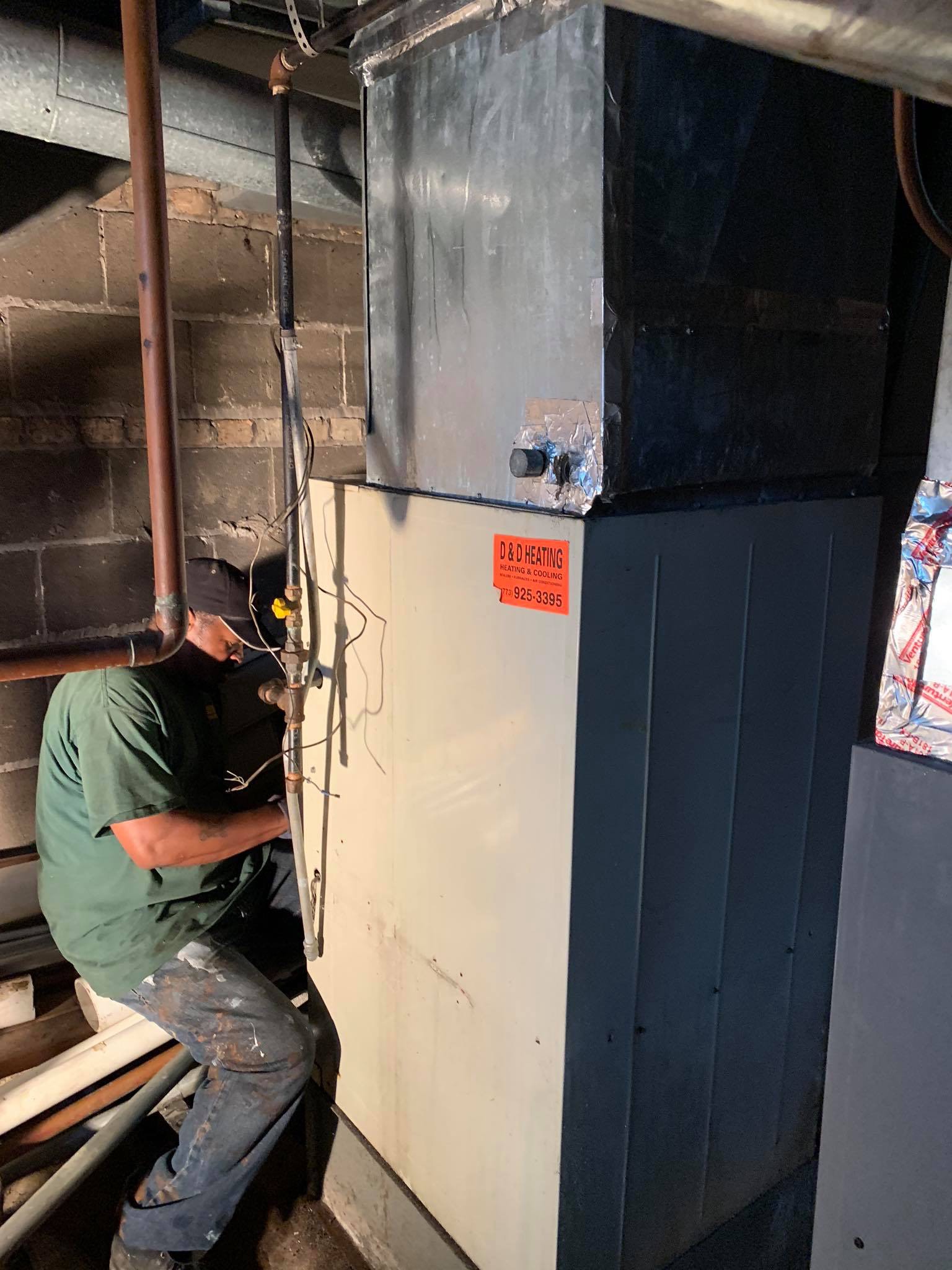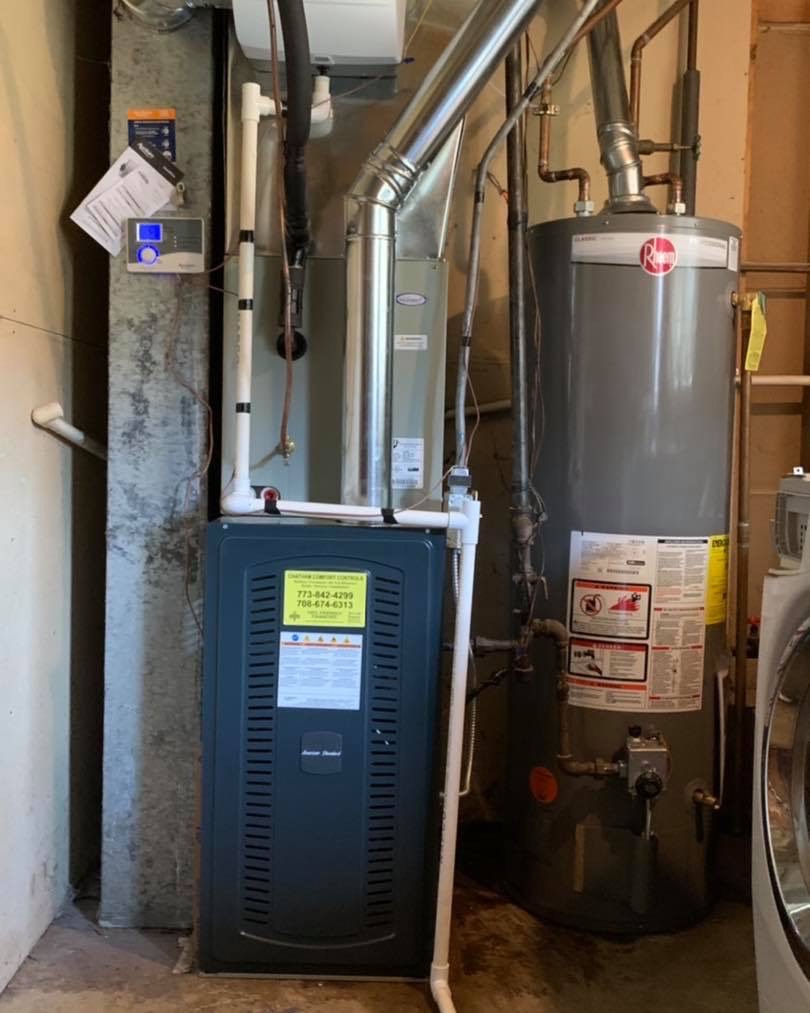
Your furnace is not blowing hot air because of thermostat issues, dirty filters, ignition problems, or mechanical failures that prevent proper heating. Chicago winters demand reliable heat. When your furnace runs but only pushes cold air, you need answers fast. The fix might be simple or require professional help.
This problem affects thousands of Chicago homeowners each winter season. Temperatures regularly drop below zero here. A malfunctioning furnace becomes more than an inconvenience. It becomes a safety concern for your family.
In this blog, we will explain why your furnace is not blowing hot air and how to fix it. You will learn DIY troubleshooting steps, recognize serious mechanical issues, and know when to call a professional.
Common Reasons Your Furnace Is Not Blowing Hot Air in Chicago
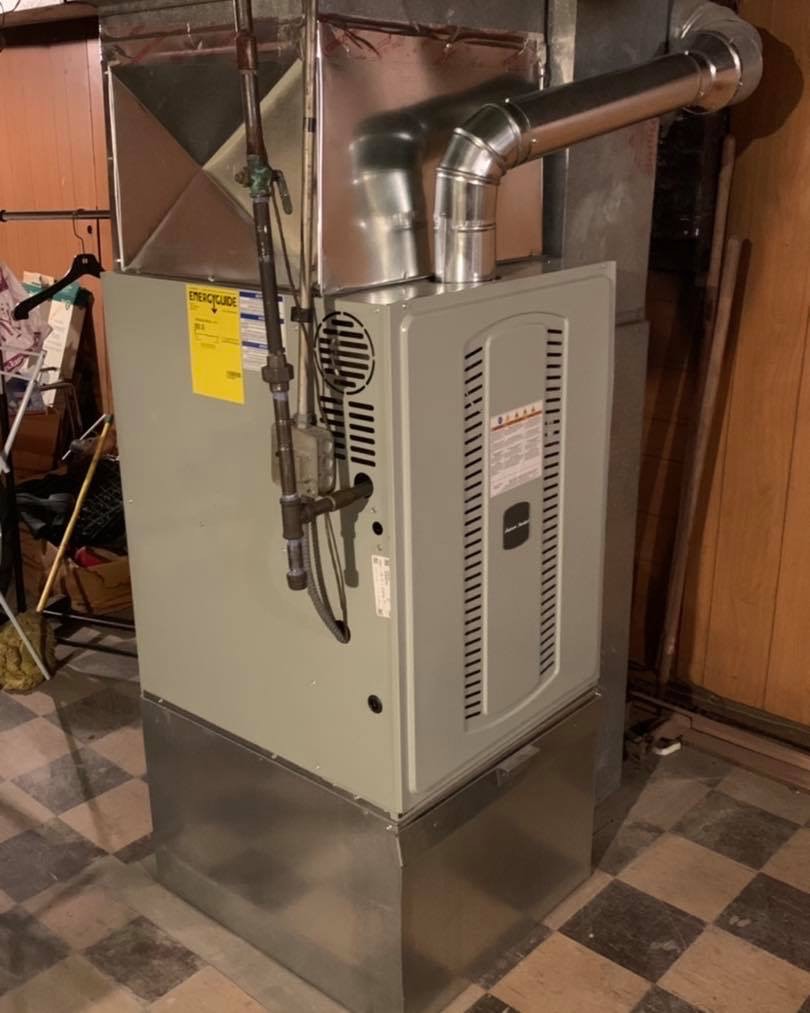
Chicago homes face unique heating challenges during brutal winters. Understanding the most common causes helps you diagnose problems quickly. Most issues fall into a few predictable categories.
Incorrect Thermostat Settings or Miscommunication
Your thermostat might be the culprit behind cold air problems. Check if someone accidentally switched it to "cool" mode. The fan setting matters too. When set to "on" instead of "auto," your blower runs constantly. It pushes unheated air between heating cycles. This feels like cold air even when nothing is wrong.
Smart thermostats sometimes lose their programming after power outages. Chicago storms cause frequent electrical interruptions. Your thermostat may need a simple reset to restore proper communication with your furnace.
Dirty Furnace Air Filter Restricting Airflow
A clogged filter is the most common cause of furnace problems. Dirty filters block airflow to your heat exchanger. This causes overheating and automatic shutdowns. Your furnace protects itself by stopping heat production.
Chicago homes with pets or older construction need filter changes more often. Check your filter monthly during heavy use periods. A $10 filter replacement can prevent a $300 service call. Most homeowners forget this simple maintenance task.
Power Loss from a Tripped Circuit Breaker
Furnaces need electricity to operate gas valves and blowers. A tripped breaker cuts power to critical components. Your blower might run on a separate circuit from ignition controls. This creates situations where air moves but heat never starts.
Older Chicago homes often have outdated electrical panels. These systems trip more easily under heavy winter loads. Space heaters and holiday lights add strain. Check your electrical panel before assuming the worst.
Pilot Light or Ignition System Not Operating
Gas furnaces need a working ignition source to produce heat. Older units use standing pilot lights that can blow out. Newer furnaces use electronic ignition systems. Both can fail and leave you without heat.
Strong Chicago winds sometimes affect pilot lights in older equipment. Drafts through basement windows or gaps create problems. Electronic igniters wear out after years of use. They typically last 7-10 years before needing replacement.
Gas Supply Problems or Low Gas Pressure
Your furnace cannot produce heat without adequate gas flow. Check if other gas appliances work properly. A stove that will not light indicates a larger supply issue. Contact your gas utility immediately if you suspect a leak.
Low gas pressure affects furnace performance significantly. This problem requires professional diagnosis and repair. Never attempt to adjust gas valves yourself. The risks far outweigh any potential savings.
Blocked or Closed Supply Vents or Return Registers
Closed vents disrupt your entire heating system balance. Many homeowners close vents in unused rooms to save money. This actually reduces efficiency and causes problems. Your furnace needs proper airflow to function correctly.
Check every vent and register in your home. Furniture, rugs, and curtains often block airflow accidentally. Return registers need clear space too. Restricted returns cause the same overheating issues as dirty filters.
Why Your Furnace Runs but Only Blows Cold Air
Sometimes your furnace operates but never produces warmth. This frustrating situation has specific causes. Understanding them helps you communicate better with technicians.
Furnace Needs Warm Up Time After Startup
Modern furnaces delay blower operation intentionally. They wait until the heat exchanger reaches proper temperature. This prevents cold air from entering your home initially. The delay typically lasts 30-90 seconds after ignition.
If your furnace just started after being off, give it time. Walk away for a few minutes before checking again. Constant thermostat adjustments interrupt this warm-up process. Patience often solves what seems like a problem.
Overheating Caused by a Tripped High Limit Switch
Your furnace has built-in safety controls that prevent fires. The high limit switch monitors heat exchanger temperature. When temperatures exceed safe levels, it shuts down burners. The blower continues running to cool internal components.
Dirty filters cause most high limit switch trips. Blocked vents create the same overheating condition. The switch resets automatically once temperatures drop. However, repeated trips indicate underlying problems needing attention.
Burner Ignites but Shuts Off Shortly After
A dirty flame sensor causes this common problem. The sensor confirms that gas is actually burning safely. When coated with residue, it cannot detect flames properly. Your furnace shuts down as a safety precaution.
This cycle repeats endlessly without producing sustained heat. You might notice brief warmth followed by cold air. The burner lights, runs for seconds, then stops. Flame sensor cleaning is a routine maintenance task.
Undersized Furnace Struggling to Heat the Home
Some Chicago homes have furnaces too small for their square footage. Previous owners may have installed cheaper, smaller units. Additions and renovations change heating requirements over time.
An undersized furnace runs constantly without satisfying thermostat demands. It produces some heat but never enough. This feels like lukewarm or cool air from vents. Proper sizing calculations prevent this expensive mistake.
Simple Furnace Troubleshooting Steps for Homeowners
Before calling for service, try these safe troubleshooting steps. Many furnace problems have simple solutions. You might restore heat in minutes without spending money.
Check and Reset the Thermostat
Start at your thermostat before checking anything else. Verify the setting shows "heat" mode selected. Set the temperature at least 5 degrees above current room temperature. This ensures the furnace receives a clear call for heat.
Replace thermostat batteries if your display looks dim. Dead batteries cause communication failures with your furnace. Try switching to a different temperature setting temporarily. Sometimes thermostats need a fresh signal to respond.
Inspect and Replace a Dirty Furnace Filter
Locate your furnace filter and check its condition. Hold it up to light to assess airflow restriction. If you cannot see light through the filter, replace it immediately. Keep spare filters on hand during Chicago winters.
Note the filter size printed on the frame. Common sizes include 16x25x1 and 20x25x1 inches. Higher MERV ratings catch more particles but restrict airflow more. Balance filtration needs with your system's airflow requirements.
Reset Any Tripped Electrical Breaker
Find your home's electrical panel and locate furnace breakers. Look for breakers in the "tripped" middle position. Flip them fully off, then back on to reset. Some furnaces have two breakers for different components.
Check for a power switch near your furnace too. It looks like a regular light switch on the wall. Someone might have turned it off accidentally. This simple oversight causes many unnecessary service calls.
Relight the Pilot Light on Gas Furnaces
Older furnaces with standing pilots need occasional relighting. Locate the pilot assembly near the burners. Follow the manufacturer's instructions printed on your furnace. Hold the pilot button while applying flame to the pilot opening.
Wait 30 seconds before releasing the button. This allows the thermocouple to heat properly. If the pilot will not stay lit, the thermocouple likely needs replacement. This repair costs around $150-$250 with professional installation.
Ensure All Vents and Registers Are Fully Open
Walk through your entire home checking every vent. Open all supply registers completely for maximum airflow. Remove any obstructions blocking return air grilles. Proper circulation requires unobstructed pathways throughout your home.
Closing vents does not save energy as many believe. It actually increases system strain and reduces efficiency. Keep all vents open for balanced heating. Your furnace was sized assuming full airflow distribution.
Mechanical or Technical Furnace Issues That Require Attention
Some problems exceed DIY repair capabilities. These issues require professional tools and expertise. Recognizing them helps you avoid wasted troubleshooting time.
Dirty Flame Sensor Preventing Proper Ignition
The flame sensor is a small metal rod near your burners. It develops a coating of combustion residue over time. This coating prevents accurate flame detection. Your furnace shuts down thinking no flame exists.
Technicians clean flame sensors with fine sandpaper or steel wool. The repair takes minutes but requires furnace disassembly. Some homeowners attempt this repair themselves. However, improper reassembly creates safety hazards.
Faulty High Limit Switch Causing Shutdown
High limit switches fail after years of thermal cycling. A faulty switch may trip even at normal temperatures. This causes random shutdowns without apparent cause. Replacement costs typically run $150-$300 including labor.
Technicians test switches with multimeters to confirm failure. They also investigate why overheating occurred originally. Simply replacing the switch without addressing root causes wastes money. The new switch will fail prematurely too.
Blower Motor Malfunction or Failure
Your blower motor moves heated air throughout your home. Motors fail gradually with warning signs like squealing noises. Complete failure leaves your furnace unable to distribute heat. The heat exchanger overheats and shuts down.
Blower motor replacement costs $400-$700 for most Chicago homes. Variable speed motors cost more than single-speed units. This repair makes sense for furnaces under 15 years old. Older systems might warrant complete replacement instead.
Clogged Burners or a Malfunctioning Gas Valve
Burner ports clog with dust, rust, and debris over time. Clogged burners produce weak, uneven flames. This reduces heat output significantly. Professional cleaning restores proper combustion.
Gas valves control fuel flow to your burners. They fail electrically or mechanically after years of use. Valve replacement costs $300-$600 depending on your furnace model. This repair requires licensed gas work in Chicago.
Frozen Condensate Line or Blocked Drain in Winter Conditions
High-efficiency furnaces produce condensation during operation. This water drains through plastic tubing to a floor drain. Chicago's freezing temperatures can freeze exposed condensate lines. Frozen lines trigger automatic furnace shutdowns.
Insulating exposed drain lines prevents freezing problems. Technicians can reroute lines away from cold areas. Blocked drains cause water backup and similar shutdowns. Annual maintenance includes drain line inspection and cleaning.
Leaking or Damaged Ductwork Reducing Heat Delivery
Your ductwork carries heated air from furnace to rooms. Leaks allow warm air to escape into unconditioned spaces. Damaged ducts in attics or crawlspaces waste significant energy. You feel less heat despite normal furnace operation.
Duct sealing improves comfort and reduces energy bills. Professional sealing costs $1,000-$2,500 for typical Chicago homes. This investment pays back through lower heating costs. Many homeowners overlook ductwork as a heat loss source.
Faulty Control Board or Electrical Components
Modern furnaces rely on electronic control boards for operation. These circuit boards manage ignition sequences and safety controls. Power surges and age cause board failures. Symptoms include erratic operation or complete shutdown.
Control board replacement costs $400-$800 for most furnaces. Technicians diagnose board problems using error codes and testing. Some boards have LED indicators showing fault codes. These codes help identify specific component failures.
How Chicago's Winter Climate Impacts Furnace Performance
Chicago winters push heating systems to their limits. Average January temperatures hover around 22°F with frequent subzero stretches. Your furnace works harder here than in milder climates.
Extreme cold increases heating demand dramatically. Furnaces run longer cycles to maintain indoor temperatures. This accelerated use causes faster component wear. Parts that last 15 years elsewhere might fail in 10 years here.
Wind chill affects homes with poor insulation significantly. Chicago's famous winds penetrate gaps and cracks easily. Your furnace compensates by running almost continuously. This strains motors, igniters, and other components.
Snow and ice create additional challenges for furnaces. Blocked exhaust vents cause dangerous carbon monoxide buildup. Ice formation around outdoor intakes restricts combustion air. Regular exterior checks during storms prevent these hazards.
Chicago's older housing stock presents unique heating challenges. Many homes have original ductwork from decades past. These systems leak conditioned air into walls and attics. Upgrading insulation and sealing ducts improves furnace effectiveness.
When to Call a Professional HVAC Technician in Chicago
Some situations require professional expertise immediately. Knowing when to call saves time and prevents safety hazards. Chicago comfort hvac technicians handle complex repairs safely.
When DIY Troubleshooting Does Not Restore Heat
If basic troubleshooting fails, professional diagnosis is needed. Technicians have tools and training you lack. They identify problems quickly using systematic testing. Continued DIY attempts might cause additional damage.
Do not wait too long during cold weather emergencies. Chicago temperatures can make homes dangerously cold within hours. Professional response times increase during extreme weather. Call early to secure prompt service.
For Complicated Gas or Electrical Furnace Repairs
Gas and electrical work require licensed professionals. Chicago building codes mandate permits for certain repairs. Improper gas work creates explosion and fire risks. Electrical mistakes cause shocks and equipment damage.
Professional repairs include warranties protecting your investment. DIY repairs void manufacturer warranties on new equipment. The cost difference rarely justifies the risks involved. Trust trained technicians for complex system work.
Importance of Safe and Accurate Diagnostics in Harsh Chicago Winters
Accurate diagnosis prevents unnecessary part replacements. Inexperienced technicians sometimes guess at problems. This wastes money on parts that were not faulty. Experienced professionals test systematically before recommending repairs.
Safety diagnostics protect your family from carbon monoxide. Cracked heat exchangers leak this deadly gas into your home. Professional combustion analysis detects dangerous conditions. This testing should occur during every service visit.
Preventative Furnace Maintenance Tips for Chicago Homeowners
Regular maintenance prevents most furnace problems before they start. Simple habits keep your system running reliably. Professional tune-ups catch developing issues early.
Change your filter monthly during heating season. Mark your calendar or set phone reminders. Stock up on filters before winter arrives. This single habit prevents most common furnace problems.
Schedule professional maintenance every fall before cold weather. Technicians clean components, test safety controls, and check efficiency. Annual tune-ups cost $100-$200 but prevent expensive emergency repairs. Most HVAC companies offer maintenance agreements with priority scheduling.
Keep your thermostat at consistent temperatures. Dramatic temperature swings stress your furnace unnecessarily. Programmable thermostats maintain comfort while saving energy. Set reasonable temperatures and avoid constant adjustments.
Clear snow and ice from exterior vents after storms. Your furnace needs unobstructed exhaust and intake openings. Check these vents whenever significant snow falls. This simple task prevents dangerous operating conditions.
Listen for unusual sounds during furnace operation. Squealing, banging, or grinding noises indicate developing problems. Address strange sounds before complete failures occur. Early intervention costs less than emergency repairs.
Key Takeaways
- Check thermostat settings and replace dirty filters before calling for service
- Tripped breakers and closed vents cause many cold air complaints
- Flame sensor cleaning resolves most short-cycling problems
- Chicago's extreme winters accelerate furnace component wear
- Professional maintenance prevents most emergency breakdowns
- Gas and electrical repairs require licensed technician expertise
- Annual tune-ups cost far less than emergency winter repairs
Conclusion
Furnace problems during Chicago winters demand quick action and smart decisions. Most cold air issues stem from simple causes like dirty filters or thermostat settings. Understanding your system helps you troubleshoot effectively.
Chicago comfort hvac provides expert furnace diagnosis and repair throughout the Chicago area. Our technicians arrive prepared with common parts for fast repairs. We explain problems clearly and provide honest cost estimates before starting work.
We help Chicago homeowners stay warm through the harshest winters. Contact us today for furnace service that restores your comfort quickly. Your family deserves reliable heat when temperatures drop.
FAQs
Why is my furnace blowing cold air after running fine yesterday?
Sudden cold air often indicates a tripped safety switch or failed igniter. Check your filter first since clogs cause overheating shutdowns. If the filter looks clean, you likely need professional diagnosis.
How often should I change my furnace filter in Chicago?
Change filters monthly during heating season for best results. Chicago's cold winters mean heavy furnace use from November through March. Homes with pets or allergies may need more frequent changes.
Can a dirty filter really stop my furnace from heating?
Yes, dirty filters cause most furnace problems homeowners experience. Restricted airflow overheats your heat exchanger and triggers safety shutdowns. A clean filter is the easiest and cheapest fix available.
Why does my furnace keep turning on and off repeatedly?
Short cycling usually indicates a dirty flame sensor or overheating condition. The flame sensor needs cleaning when coated with residue. Overheating from blocked airflow also causes this cycling pattern.
Is it dangerous if my furnace blows cold air?
Cold air itself is not dangerous, but the underlying cause might be. Cracked heat exchangers can leak carbon monoxide while producing little heat. Professional inspection ensures safe operation.
How much does furnace repair typically cost in Chicago?
Simple repairs like flame sensor cleaning cost $100-$200. Major component replacements range from $300-$800 depending on parts needed. Complete furnace replacement costs $4,000-$8,000 for most Chicago homes.
Should I repair or replace my old furnace that keeps breaking down?
Consider replacement if repair costs exceed 50% of new furnace price. Furnaces over 15 years old often warrant replacement for efficiency gains. Newer units reduce energy bills while providing more reliable heat.
Follow a maintenance program
Ante gravida id aenean quis egestas risus nam amet nullam leo diam diam aliquam eu eu malesuada arcu rhoncus suspendisse nulla mattis ut amet sagittis in justo egestas.

search for a trusted mechanic
Lorem ipsum dolor sit amet, consectetur adipiscing elit lobortis arcu enim urna adipiscing praesent velit viverra sit semper lorem eu cursus vel hendrerit elementum morbi curabitur etiam nibh justo, lorem aliquet donec sed sit mi dignissim at ante massa mattis.
- Neque sodales ut etiam sit amet nisl purus non tellus orci ac auctor
- Adipiscing elit ut aliquam purus sit amet viverra suspendisse potent
- Mauris commodo quis imperdiet massa tincidunt nunc pulvinar
- Excepteur sint occaecat cupidatat non proident sunt in culpa qui officia
Check the air pressure in your tires
Vitae congue eu consequat ac felis placerat vestibulum lectus mauris ultrices cursus sit amet dictum sit amet justo donec enim diam porttitor lacus luctus accumsan tortor posuere praesent tristique magna sit amet purus gravida quis blandit turpis.
Review your suspension frequently
At risus viverra adipiscing at in tellus integer feugiat nisl pretium fusce id velit ut tortor sagittis orci a scelerisque purus semper eget at lectus urna duis convallis. porta nibh venenatis cras sed felis eget neque laoreet suspendisse interdum consectetur libero id faucibus nisl donec pretium vulputate sapien nec sagittis aliquam nunc lobortis mattis aliquam faucibus purus in.
- Neque sodales ut etiam sit amet nisl purus non tellus orci ac auctor
- Adipiscing elit ut aliquam purus sit amet viverra suspendisse potent
- Mauris commodo quis imperdiet massa tincidunt nunc pulvinar
- Excepteur sint occaecat cupidatat non proident sunt in culpa qui officia
Service your vehicle as regularly as posible
At risus viverra adipiscing at in tellus integer feugiat nisl pretium fusce id velit ut tortor sagittis orci a scelerisque purus semper eget at lectus urna duis convallis. porta nibh venenatis cras sed felis eget neque laoreet suspendisse interdum consectetur libero id faucibus nisl donec pretium vulputate sapien nec sagittis aliquam nunc lobortis mattis aliquam faucibus purus in.
“Nisi quis eleifend quam adipiscing vitae aliquet bibendum enim facilisis gravida neque velit euismod in pellentesque”
Conclusion
Eget lorem dolor sed viverra ipsum nunc aliquet bibendum felis donec et odio pellentesque diam volutpat commodo sed egestas aliquam sem fringilla ut morbi tincidunt augue interdum velit euismod eu tincidunt tortor aliquam nulla facilisi aenean sed adipiscing diam donec adipiscing ut lectus arcu bibendum at varius vel pharetra nibh venenatis cras sed felis eget.