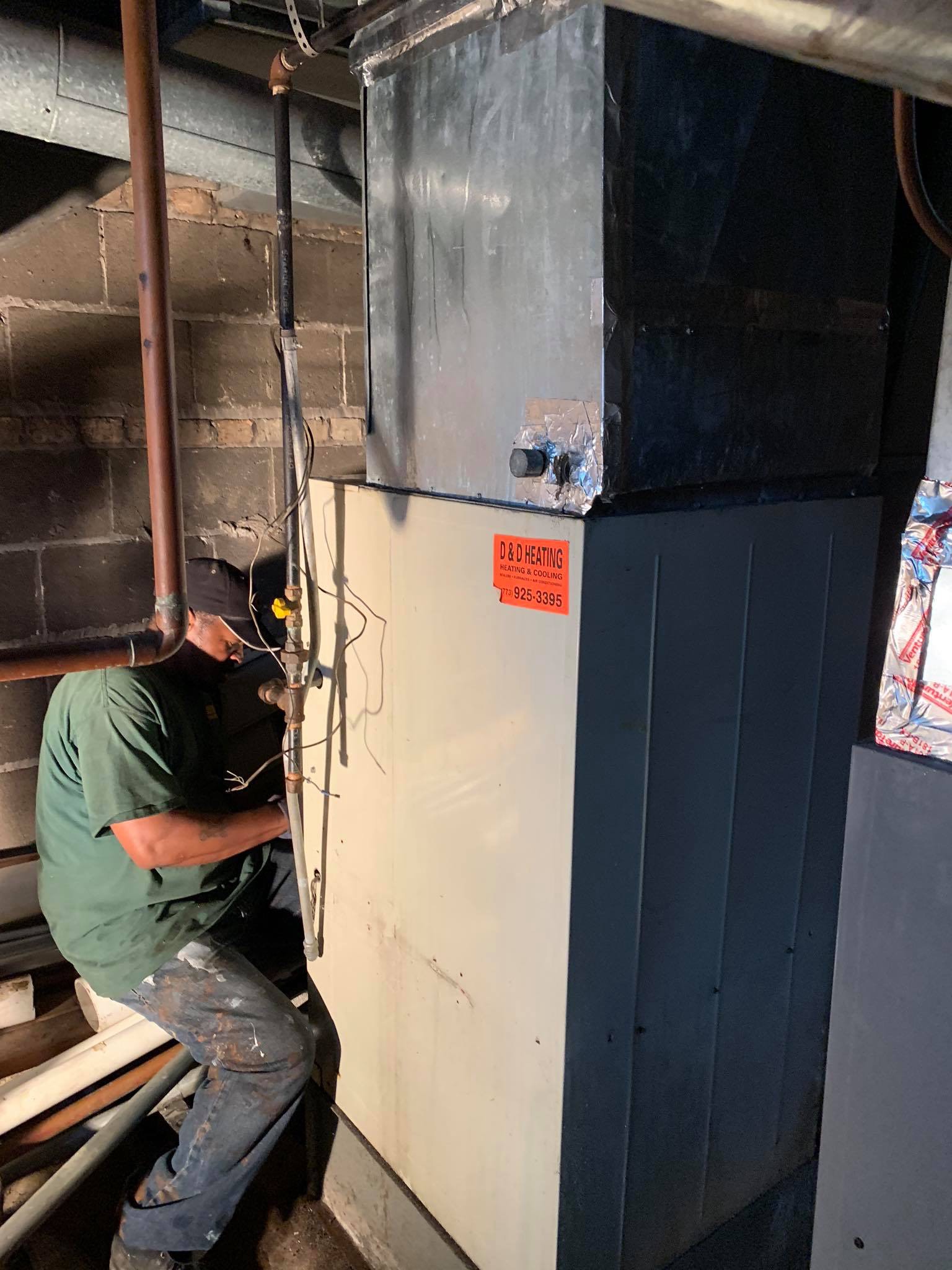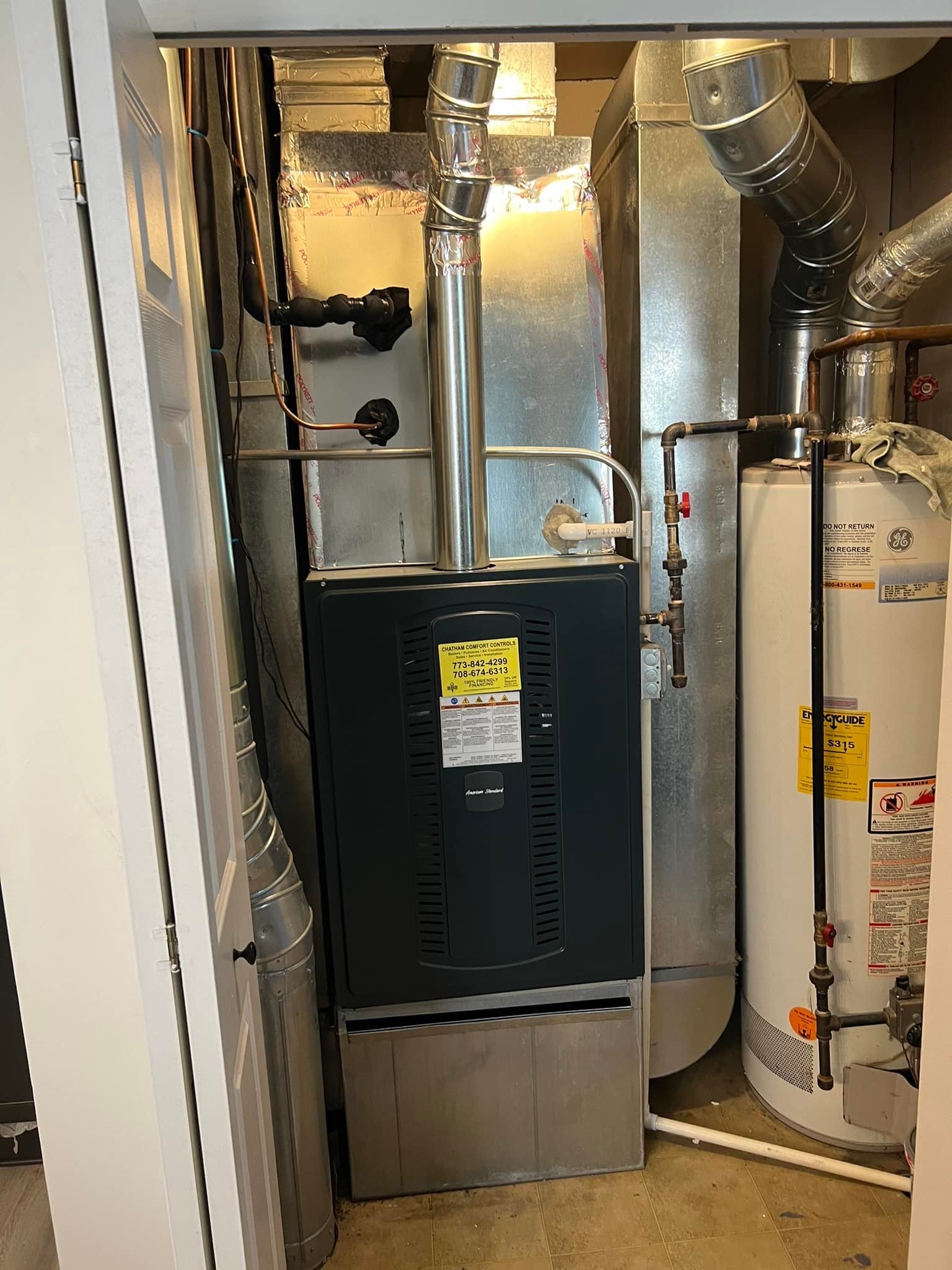
A rattling furnace usually means something is loose, dirty, or failing inside your heating system. Chicago homeowners often hear these noises during cold winter months when furnaces work overtime. Your furnace might have loose bolts or screws, debris buildup, or a faulty blower motor causing the sound.
We understand how unsettling strange furnace noises can be in your home. A rattling sound disrupts your comfort and signals potential safety risks. Our team has fixed thousands of noisy furnaces across Chicago over 20 years.
This guide explains every common cause of furnace rattling and what to do. You will learn simple fixes you can try safely at home. We also cover when you need professional help to protect your family.
Common Causes of Furnace Rattling in Chicago Homes
Loose Components and Vibrating Panels
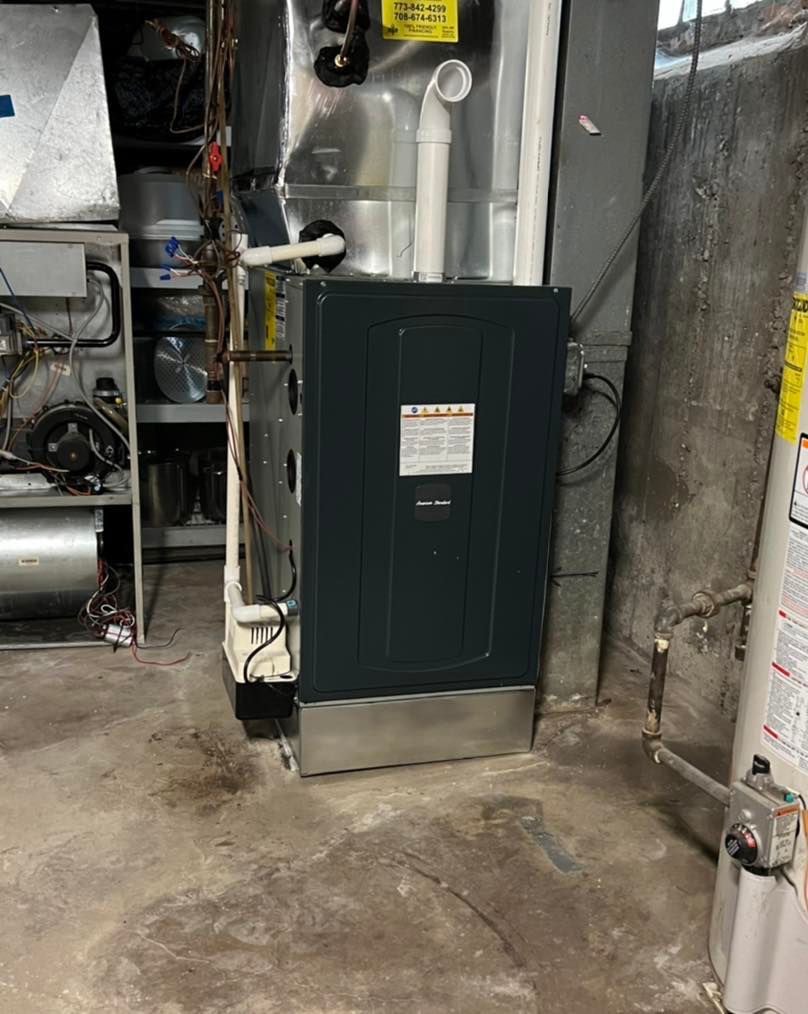
Loose bolts or screws and vibrating loose cover panels create most rattling sounds in furnaces. Metal parts shake and bang against each other during normal operation. This problem gets worse as your furnace ages and hardware loosens naturally.
Screws, Panels, and Ductwork Connections Can Loosen Over Time
Loose cover panels vibrate when air moves through your system rapidly. Screws holding access doors work themselves free from constant heating cycles. Loose or warped ductwork connections also rattle when hot air pushes through metal seams.
How to Inspect and Tighten Loose Parts Safely
Turn off power to your furnace at the breaker box first. Check all visible screws and bolts on access panels carefully. Tighten any loose hardware with a screwdriver or wrench gently. Inspect ductwork connections near the furnace for gaps or movement.
Debris or Dust in the Blower Assembly
Dirt accumulation on blower components causes imbalance and loud rattling noises. Broken or dirty motor fan blades spin unevenly and hit surrounding metal parts. This creates a persistent rattling that worsens over time.
How Dirt on the Blower Wheel Causes Vibration and Rattling
Dust and debris stick to blower wheel fins and create uneven weight. The wheel wobbles during rotation and strikes the blower housing repeatedly. This imbalance produces a distinctive rattling or scraping sound pattern.
Safe Methods for Cleaning the Blower Wheel
Shut off all power before opening the blower compartment door. Use a soft brush and vacuum to remove visible dust carefully. Call a technician if debris is packed tightly or hard to reach.
Dirty Burners or Pilot Light Issues
Dirty burners and a failing pilot light cause rattling during furnace startup. Gas flow becomes uneven when burner ports clog with carbon deposits. This creates small explosions that sound like rattling or popping.
How Improper Ignition or Gas Flow Creates Rattling Sounds
Blocked burner openings delay ignition and allow gas to build up. When ignition finally occurs, the extra gas creates a small boom. This produces rattling sounds that echo through the heat exchanger.
Why Professional Cleaning and Burner Inspection Are Essential
Only licensed technicians should clean gas burners or adjust pilot lights. Working with gas components requires special tools and safety training. Improper repairs can cause dangerous gas leaks or carbon monoxide exposure.
Worn or Failing Blower Motor
A faulty blower motor with worn bearings creates grinding or rattling noises. Loose motor mountings allow the entire assembly to vibrate excessively. These sounds often start quietly and grow louder over weeks.
Signs of Worn Bearings or Loose Mountings Causing Noise
Listen for squealing sounds that accompany the rattling during operation. Check if the noise changes when the blower speed increases. Worn bearings often produce heat and a burning smell too.
When to Repair or Replace the Furnace Motor
Motors with worn bearings usually need complete replacement for reliable operation. Loose mountings can sometimes be tightened to eliminate minor rattling. A technician can test motor performance and recommend the best solution.
Cracked Heat Exchanger Warning
A cracked heat exchanger is the most dangerous cause of furnace rattling. Cracks release combustion gases and create popping or metallic rattling sounds. This represents a serious carbon monoxide risk to your household.
How Cracks Cause Dangerous Rattling or Popping Noises
Metal heat exchangers expand when hot and contract when cooling down. Cracks widen during heating and snap shut during cooling cycles. This produces distinctive popping or rattling sounds that repeat predictably.
Carbon Monoxide Risk and Safety Inspection Importance
The Consumer Product Safety Commission identified 539 fatal incidents from furnace carbon monoxide between 2000 and 2019. Turn off your furnace immediately if you suspect exchanger damage. Evacuate your home and call emergency services if anyone feels dizzy.
Warped or Loose Ductwork
Loose or warped ductwork vibrates when air rushes through at high pressure. Metal ducts expand and contract with temperature changes throughout operation. Loose connections amplify these movements and create rattling sounds.
How Airflow Vibrations Create Metal Rattling in Ducts
High-velocity air causes thin metal ductwork to flex and vibrate. Loose seams or joints allow sections to bang together repeatedly. Temperature changes make metal expand and produce popping or rattling.
How HVAC Technicians Seal and Reinforce Ductwork Properly
Professionals secure loose ducts with metal fasteners or specialized tape. They add insulation to reduce temperature-related expansion and noise. Proper sealing also improves energy efficiency and reduces heating costs.
Why Furnace Rattling Is Common During Chicago's Cold Winters
Metal Expansion and Contraction from Extreme Temperature Swings
Chicago's harsh winters create dramatic temperature differences inside furnace components. Metal parts expand when heated and shrink when cooled rapidly. This constant movement loosens connections and creates rattling over time.
Long Heating Cycles and Heavy Usage Increasing Component Wear
The National Renewable Energy Laboratory found Cook County has America's highest residential heating demand. Chicago furnaces run longer cycles than most regions during winter months. Extended operation accelerates wear on motors, bearings, and mounting hardware.
Furnace Rattling vs. Other HVAC Noises
How to Identify Rattling vs. Banging, Scraping, or Thumping Sounds
Rattling sounds like loose metal parts shaking together at high speed. Banging indicates delayed ignition or expanding ductwork making single loud pops. Scraping suggests metal components rubbing together and needs immediate attention.
Why Correct Noise Identification Prevents Costly Misdiagnosis
Different sounds indicate specific problems that require different repair approaches. Misidentifying the noise can lead to unnecessary part replacements. Accurate diagnosis saves money and fixes the real problem faster.
When Furnace Rattling Becomes a Serious Problem
Key Warning Signs That Indicate System Damage
Persistent or loud rattling signals loose, unbalanced, or failing furnace components. Rattling accompanied by burning smells indicates serious motor or electrical problems. Any rattling with gas odors requires immediate professional emergency service.
How Ignoring Rattling Noises Can Lead to Major Repairs
Small problems like loose bolts or screws eventually damage surrounding components. A defective inducer motor can fail completely and prevent furnace operation. The Illinois Department of Commerce notes heating represents 45 percent of energy bills.
How to Troubleshoot Furnace Rattling at Home
Safety Steps Before Inspecting or Calling an HVAC Technician
Turn off power at the circuit breaker before touching any furnace parts. Never inspect gas components or attempt burner adjustments yourself. Wear gloves and use a flashlight to see inside compartments clearly.
Simple Tools and Fixes for Minor Rattling Issues
Keep a screwdriver set and wrench handy for tightening loose hardware. Use a vacuum with a brush attachment for cleaning accessible areas. Check and replace clogged air filters monthly during heavy use periods.
DIY Fixes vs. When to Call a Professional in Chicago, IL
Safe Homeowner Fixes for Minor Furnace Rattles
Tighten visible loose bolts or screws on access panels carefully. Replace dirty air filters to improve airflow and reduce system strain. Secure loose ductwork connections with metal tape as a temporary fix.
Situations That Require Licensed HVAC Service or Emergency Repair
Call professionals immediately for suspected cracked heat exchanger problems or gas odors. A faulty blower motor or defective inducer motor needs expert diagnosis and replacement. Any electrical issues or persistent loud noises require professional attention.
Preventing Future Furnace Rattling and System Wear
Routine Cleaning and Filter Replacement Schedule
How Regular Filter Changes Improve Airflow and Reduce Noise
Clean filters allow proper airflow and reduce strain on blower motors. Clogged air filters force motors to work harder and vibrate more. Better airflow also prevents dust from reaching broken or dirty motor fan blades.
Recommended Maintenance Frequency for Chicago Homes
Replace standard filters monthly during winter heating season in Chicago. Check filters every two weeks during extreme cold when furnaces run constantly. Upgrade to high-quality filters that last three months for convenience.
Benefits of Annual HVAC Tune-Ups During Harsh Chicago Winters
What's Included in a Professional Furnace Tune-Up Service
Technicians inspect all components including motors, burners, and heat exchangers thoroughly. They clean blower assemblies and check for loose or warped ductwork issues. Complete tune-ups include safety testing for carbon monoxide and gas leaks.
How Preventive Inspections Save Energy and Reduce Repair Costs
The DOE states furnaces average 21.4 years of service life with proper maintenance. Regular inspections catch small problems before they become expensive emergency repairs. Illinois homes could save $1.4 billion yearly through better HVAC performance.
Stop Furnace Rattling Before It Starts
Schedule a Professional Furnace Inspection in Chicago, IL
How Regular Maintenance Prevents Costly Noise-Related Repairs
Professional maintenance identifies worn parts before they fail and cause rattling. Technicians tighten connections and clean components that homeowners cannot reach safely. Preventive care protects your investment and ensures reliable winter heating.
Conclusion
Furnace rattling usually indicates loose parts, dirty components, or failing motors. Most rattling problems start small but grow worse without proper attention. Chicago's extreme winters put extra stress on heating systems and accelerate wear.
We are Chicago's trusted HVAC contractor with over 20 years of experience. Our team has diagnosed and repaired thousands of rattling furnaces across the area. We understand the unique challenges Chicago homeowners face during harsh winter months.
Contact Chicago Comfort HVAC Services today for a complete furnace inspection. We will identify the exact cause of your rattling and fix it right. Our expert technicians provide fast, reliable service to restore your home's comfort.
Follow a maintenance program
Ante gravida id aenean quis egestas risus nam amet nullam leo diam diam aliquam eu eu malesuada arcu rhoncus suspendisse nulla mattis ut amet sagittis in justo egestas.

search for a trusted mechanic
Lorem ipsum dolor sit amet, consectetur adipiscing elit lobortis arcu enim urna adipiscing praesent velit viverra sit semper lorem eu cursus vel hendrerit elementum morbi curabitur etiam nibh justo, lorem aliquet donec sed sit mi dignissim at ante massa mattis.
- Neque sodales ut etiam sit amet nisl purus non tellus orci ac auctor
- Adipiscing elit ut aliquam purus sit amet viverra suspendisse potent
- Mauris commodo quis imperdiet massa tincidunt nunc pulvinar
- Excepteur sint occaecat cupidatat non proident sunt in culpa qui officia
Check the air pressure in your tires
Vitae congue eu consequat ac felis placerat vestibulum lectus mauris ultrices cursus sit amet dictum sit amet justo donec enim diam porttitor lacus luctus accumsan tortor posuere praesent tristique magna sit amet purus gravida quis blandit turpis.
Review your suspension frequently
At risus viverra adipiscing at in tellus integer feugiat nisl pretium fusce id velit ut tortor sagittis orci a scelerisque purus semper eget at lectus urna duis convallis. porta nibh venenatis cras sed felis eget neque laoreet suspendisse interdum consectetur libero id faucibus nisl donec pretium vulputate sapien nec sagittis aliquam nunc lobortis mattis aliquam faucibus purus in.
- Neque sodales ut etiam sit amet nisl purus non tellus orci ac auctor
- Adipiscing elit ut aliquam purus sit amet viverra suspendisse potent
- Mauris commodo quis imperdiet massa tincidunt nunc pulvinar
- Excepteur sint occaecat cupidatat non proident sunt in culpa qui officia
Service your vehicle as regularly as posible
At risus viverra adipiscing at in tellus integer feugiat nisl pretium fusce id velit ut tortor sagittis orci a scelerisque purus semper eget at lectus urna duis convallis. porta nibh venenatis cras sed felis eget neque laoreet suspendisse interdum consectetur libero id faucibus nisl donec pretium vulputate sapien nec sagittis aliquam nunc lobortis mattis aliquam faucibus purus in.
“Nisi quis eleifend quam adipiscing vitae aliquet bibendum enim facilisis gravida neque velit euismod in pellentesque”
Conclusion
Eget lorem dolor sed viverra ipsum nunc aliquet bibendum felis donec et odio pellentesque diam volutpat commodo sed egestas aliquam sem fringilla ut morbi tincidunt augue interdum velit euismod eu tincidunt tortor aliquam nulla facilisi aenean sed adipiscing diam donec adipiscing ut lectus arcu bibendum at varius vel pharetra nibh venenatis cras sed felis eget.