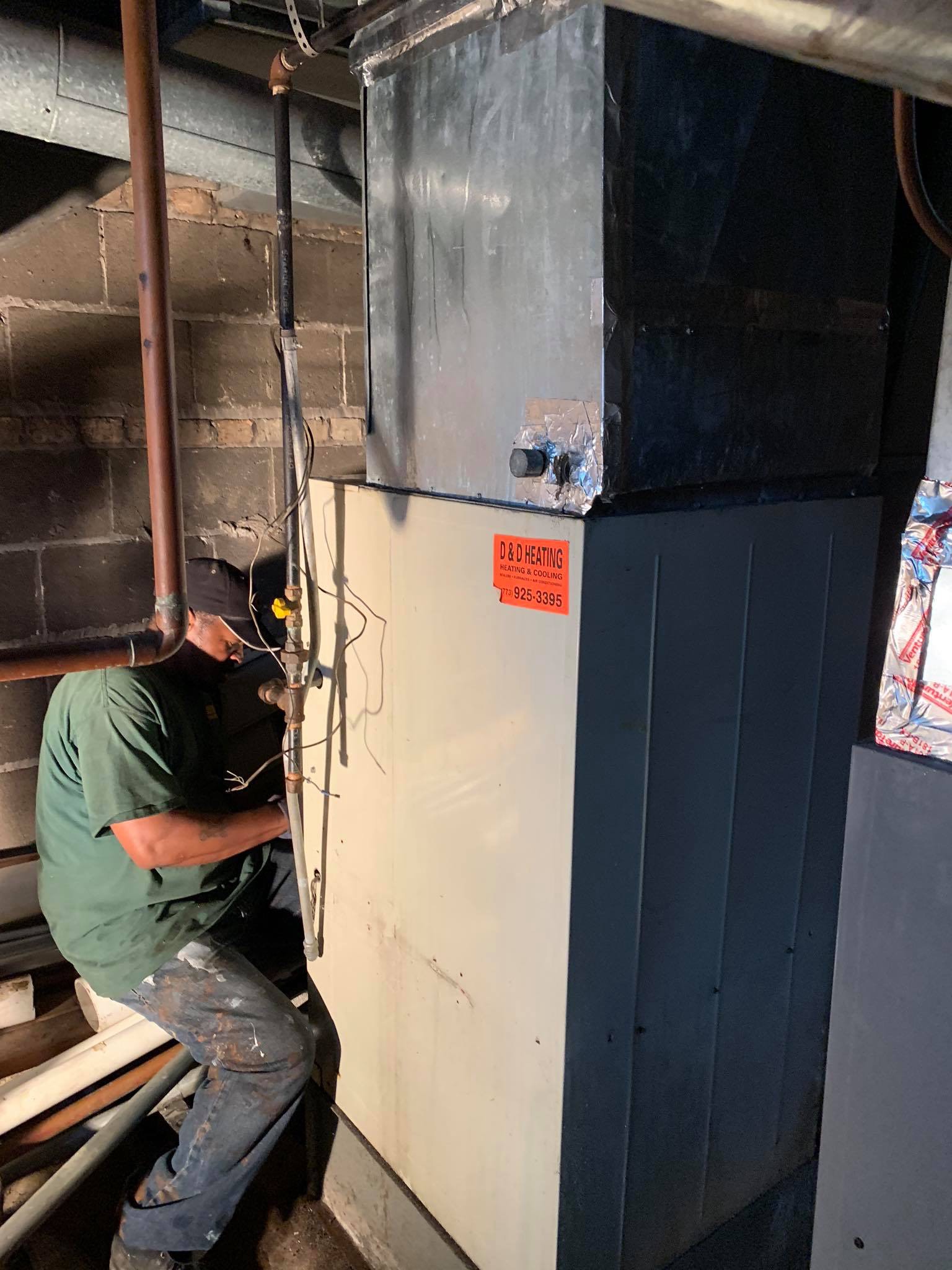
How Much Does AC Replacement Cost?
AC Replacement Cost in Chicago | 2026 Pricing Guide
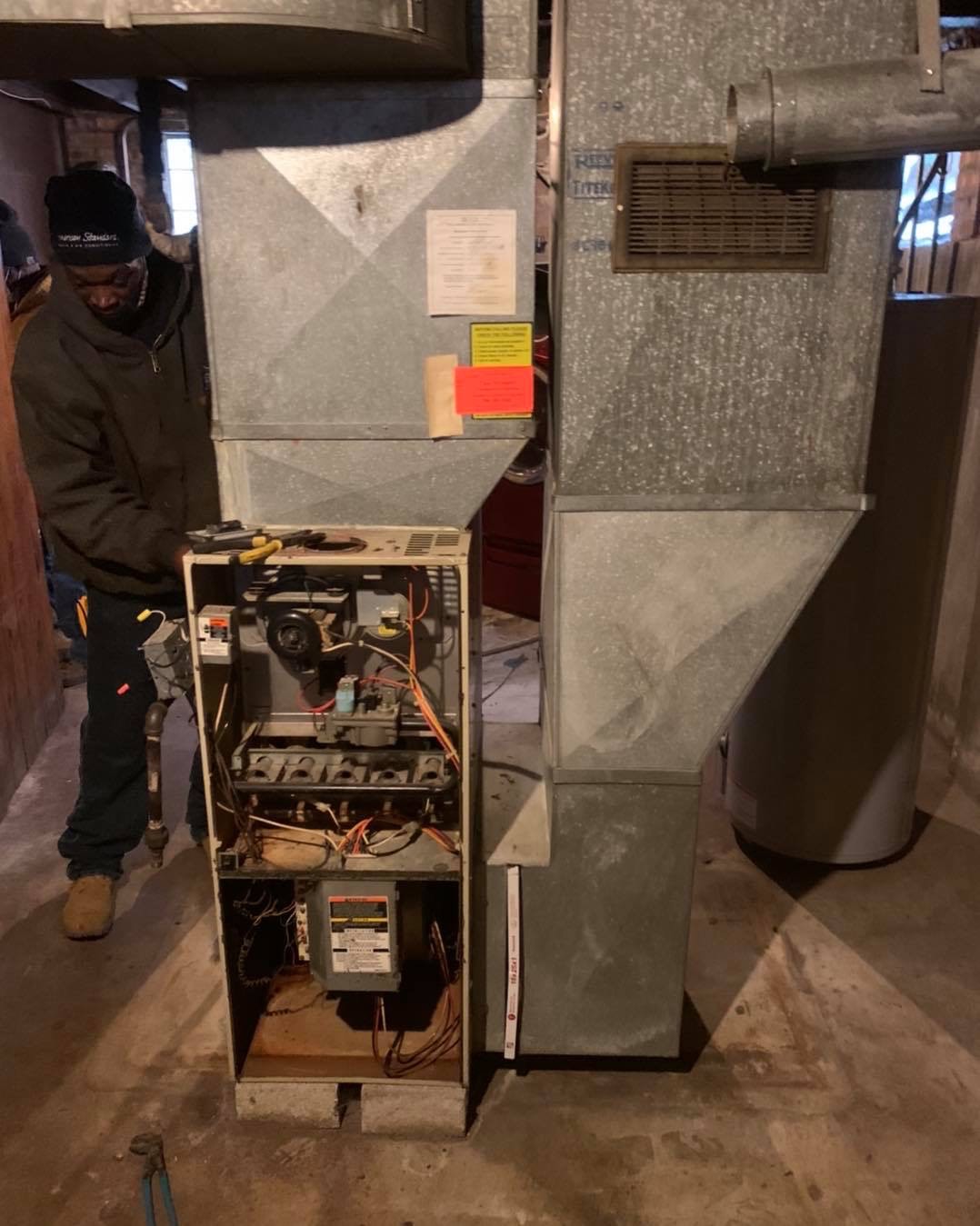
AC replacement in Chicago typically costs between $4,500 and $12,500 for a central air conditioning system, including equipment and professional installation. The final price depends on system size, efficiency rating, brand, and installation complexity specific to your home or building.
Understanding these costs helps you budget accurately and avoid surprises. Chicago's extreme temperature swings demand reliable cooling systems, making this investment essential for comfort and property value.
This guide breaks down average costs by system type, explains the factors that influence pricing, and shows you how to get the best value on your AC replacement in the Chicago area.
Average AC Replacement Cost in Chicago
Chicago homeowners and business owners can expect AC replacement costs to vary significantly based on the type of system they choose. The local market reflects both national pricing trends and regional factors like labor rates and seasonal demand.
Most residential AC replacements fall within a predictable range, though commercial properties and larger homes may see higher totals. Getting multiple quotes from licensed contractors helps ensure you receive fair pricing for your specific situation.
Central Air Conditioner Replacement Costs
Central air conditioning systems represent the most common replacement choice for Chicago homes with existing ductwork. A standard central AC replacement costs between $4,500 and $12,500, with most homeowners paying around $7,500 for a mid-efficiency unit installed.
Entry-level systems with lower SEER ratings start around $4,500 to $6,000 installed. Mid-range units with SEER ratings between 16 and 18 typically cost $6,500 to $9,000. Premium high-efficiency systems with SEER ratings of 20 or higher can reach $10,000 to $12,500 or more.
These prices include the outdoor condenser unit, indoor evaporator coil, refrigerant lines, thermostat, and standard installation labor. Complex installations requiring electrical upgrades or significant ductwork modifications add to the total.
Ductless Mini-Split System Costs
Ductless mini-split systems offer an alternative for homes without existing ductwork or for adding cooling to specific zones. Single-zone mini-split installation costs between $3,000 and $5,000 in the Chicago market.
Multi-zone systems that cool several rooms independently range from $5,000 to $15,000 depending on the number of indoor units required. A typical three-zone system costs approximately $8,000 to $10,000 installed.
Mini-splits provide excellent efficiency and zone control but require professional installation to ensure proper refrigerant charging and electrical connections. Chicago's older homes with radiator heating often benefit from this ductless approach.
Window and Portable Unit Costs
Window air conditioners and portable units offer the lowest upfront costs but serve limited applications. Window units range from $150 to $700 per unit, while portable AC units cost $300 to $800.
These options work best for cooling single rooms or as temporary solutions. They lack the whole-home comfort and efficiency of central systems or mini-splits. Installation costs remain minimal since most homeowners can install window units themselves.
For rental properties or supplemental cooling needs, these budget-friendly options provide immediate relief without major investment. However, they typically cost more to operate per BTU of cooling compared to central systems.
Factors That Affect AC Replacement Pricing
Several variables influence your final AC replacement cost beyond the base equipment price. Understanding these factors helps you make informed decisions and recognize fair pricing when comparing contractor quotes.
Each home presents unique installation requirements that affect labor time and material needs. Discussing these factors with your HVAC contractor ensures accurate estimates and prevents unexpected charges.
System Size and Cooling Capacity (BTU/Tonnage)
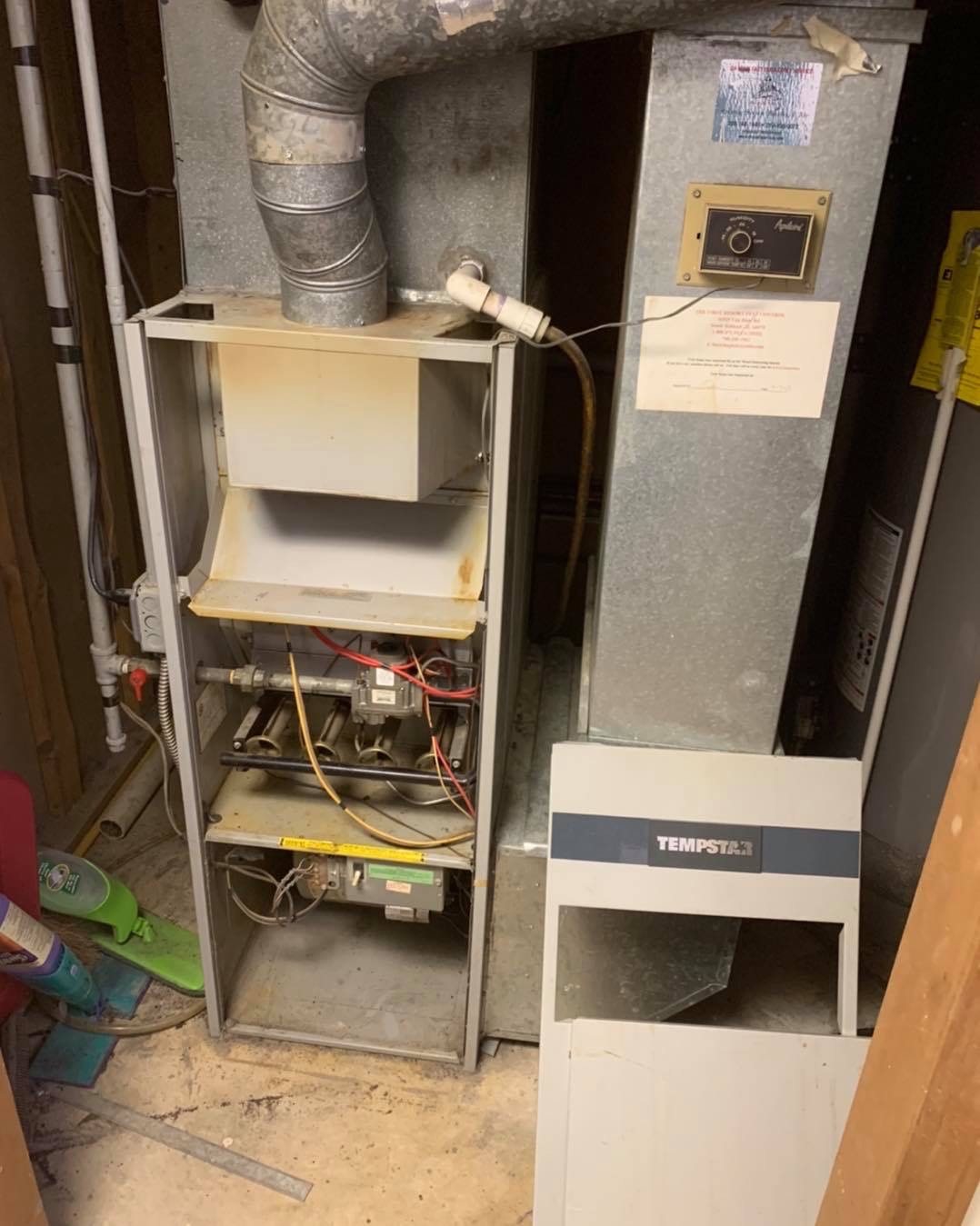
Air conditioner size directly impacts equipment cost. AC systems are measured in tons, with each ton providing 12,000 BTUs of cooling capacity. Chicago homes typically require 2 to 5 ton systems depending on square footage and other factors.
A 2-ton system suitable for homes around 1,000 to 1,500 square feet costs less than a 4-ton system needed for 2,000 to 2,500 square feet. Each additional ton of capacity adds approximately $500 to $1,500 to equipment costs.
Proper sizing matters tremendously. An undersized system runs constantly without adequately cooling your space. An oversized system cycles on and off too frequently, wasting energy and creating humidity problems. Professional load calculations ensure correct sizing for your specific property.
SEER Rating and Energy Efficiency
The Seasonal Energy Efficiency Ratio measures how efficiently an AC system converts electricity into cooling. Higher SEER ratings mean lower operating costs but higher purchase prices. Current federal minimums require 14 SEER for northern states including Illinois.
Standard efficiency units rated 14 to 16 SEER cost the least upfront. Mid-efficiency systems rated 17 to 19 SEER add $500 to $1,500 to equipment costs. High-efficiency units rated 20 SEER and above can add $2,000 to $4,000 compared to baseline models.
The efficiency premium often pays for itself through energy savings, especially in Chicago where summer cooling demands run high. A 20 SEER system uses roughly 30% less electricity than a 14 SEER system for the same cooling output.
Brand and Equipment Quality
AC equipment brands range from budget-friendly to premium, with pricing reflecting build quality, warranty coverage, and expected lifespan. Premium brands like Carrier, Trane, and Lennox typically cost 20% to 40% more than value brands.
Mid-tier brands including Rheem, Ruud, and American Standard offer solid reliability at moderate prices. Budget brands provide lower upfront costs but may have shorter lifespans and limited warranty coverage.
Warranty terms vary significantly between manufacturers. Premium brands often include 10-year parts warranties and optional extended coverage. Budget brands may offer only 5-year limited warranties. Consider total cost of ownership rather than just purchase price.
Labor and Installation Complexity
Installation labor represents a significant portion of AC replacement costs, typically $1,500 to $3,500 for standard residential installations in Chicago. Complex installations requiring additional work cost more.
Factors increasing labor costs include difficult equipment access, second-floor or attic installations, electrical panel upgrades, and refrigerant line modifications. Older Chicago homes with unique architectural features often present installation challenges.
Licensed HVAC contractors in Chicago charge between $75 and $150 per hour for skilled technicians. A straightforward replacement takes 4 to 8 hours, while complex installations may require 10 to 16 hours or multiple days.
Ductwork Modifications and Repairs
Existing ductwork condition affects replacement costs significantly. Ductwork repairs or modifications add $500 to $2,500 to most projects, with complete duct replacement costing $3,000 to $7,000 or more.
Common ductwork issues include leaks, inadequate sizing, poor insulation, and damaged sections. Sealing leaky ducts alone can improve system efficiency by 20% or more while adding only a few hundred dollars to project costs.
Chicago's older homes frequently have outdated ductwork designed for different heating and cooling loads. Upgrading ducts during AC replacement ensures your new system performs optimally and delivers conditioned air efficiently throughout your space.
Chicago-Specific Cost Considerations
The Chicago market presents unique factors affecting AC replacement costs compared to national averages. Local climate demands, seasonal pricing patterns, and municipal requirements all influence your total investment.
Working with contractors familiar with Chicago's specific conditions ensures your system meets local needs and complies with all applicable codes and regulations.
Climate Demands and System Requirements
Chicago's climate features hot, humid summers and harsh winters, placing significant demands on HVAC systems. Summer temperatures regularly exceed 90°F with high humidity, requiring robust cooling capacity.
This climate favors higher-efficiency systems that handle humidity effectively while managing operating costs during extended cooling seasons. Two-stage or variable-speed compressors perform particularly well in Chicago conditions, maintaining comfort during both moderate and extreme heat.
The temperature differential between summer highs and winter lows also stresses equipment. Quality systems designed for northern climates withstand these demands better than units intended for milder regions.
Seasonal Pricing Fluctuations
AC replacement costs in Chicago fluctuate based on seasonal demand. Spring and early summer represent peak season, when contractor schedules fill quickly and pricing reflects high demand.
Scheduling replacement during fall or winter often yields better pricing and faster installation. Contractors have more availability during off-peak months and may offer discounts to maintain steady work for their crews.
Emergency replacements during heat waves cost more due to urgent scheduling needs and limited equipment availability. Planning ahead and replacing aging systems before they fail completely saves money and stress.
Local Permit and Code Requirements
Chicago requires permits for AC replacement involving electrical work or refrigerant line modifications. Permit fees typically range from $75 to $250 depending on project scope.
Building codes specify minimum efficiency standards, proper installation practices, and safety requirements. Licensed contractors handle permit applications and ensure installations meet all code requirements.
Working with unlicensed contractors to avoid permit costs creates significant risks. Unpermitted work can complicate home sales, void warranties, and create safety hazards. The modest permit cost provides important protections.
AC Replacement vs. Repair: When to Replace
Deciding between repairing your existing AC and replacing it entirely requires evaluating several factors. Sometimes repairs make financial sense, while other situations clearly favor replacement.
Understanding these decision points helps you invest wisely and avoid pouring money into a system nearing the end of its useful life.
Age of Your Current System
AC systems typically last 15 to 20 years with proper maintenance. Systems approaching or exceeding this age range become candidates for replacement even if still functioning.
Older systems use outdated refrigerants, operate less efficiently, and face increasing repair needs. A system over 10 years old requiring major repairs often warrants replacement rather than expensive fixes.
Newer systems under 10 years old with minor issues usually justify repair costs. The remaining useful life provides time to recoup repair investments through continued operation.
Frequency and Cost of Repairs
Frequent repairs signal declining system health. If repair costs exceed 50% of replacement cost, replacement typically makes better financial sense. This threshold accounts for the value of a new warranty and improved efficiency.
Track your repair history and costs. A system requiring multiple service calls annually or experiencing repeated failures of the same components has likely reached the end of its reliable service life.
Major component failures like compressor or condenser coil problems often cost $1,500 to $3,000 to repair. At these price points, applying that money toward a new system provides better long-term value.
Energy Bill Increases
Rising cooling costs despite consistent usage patterns indicate declining system efficiency. Older systems lose efficiency over time as components wear and refrigerant levels drop.
Compare your current cooling costs to previous years. Significant increases without corresponding rate changes or usage increases suggest your system works harder to produce the same cooling output.
A new high-efficiency system can reduce cooling costs by 20% to 40% compared to an aging standard-efficiency unit. These savings compound annually, offsetting the replacement investment over time.
How to Budget for AC Replacement
Planning financially for AC replacement helps you make better decisions and avoid rushed choices during emergency situations. Several options exist to manage this significant home investment.
Starting the planning process before your current system fails gives you time to research options, compare quotes, and arrange financing if needed.
Financing Options and Payment Plans
Many HVAC contractors offer financing programs that spread replacement costs over time. Common terms include 12 to 60 month payment plans with interest rates varying based on credit qualifications.
Some manufacturers and contractors offer promotional financing with deferred interest or low APR periods. These programs make high-efficiency systems more accessible by reducing the immediate financial impact.
Home equity loans and lines of credit provide another financing avenue, often with lower interest rates than contractor financing. Personal loans from banks or credit unions offer additional options for qualified borrowers.
Rebates and Tax Credits for Energy-Efficient Systems
Federal tax credits and utility rebates reduce the effective cost of high-efficiency AC systems. The federal energy efficiency tax credit offers up to $600 for qualifying central air conditioners meeting efficiency requirements.
ComEd and Nicor Gas offer rebates for energy-efficient HVAC equipment installed in their service territories. Rebates typically range from $200 to $800 depending on system efficiency and type.
Combining available incentives significantly reduces net replacement costs. A $10,000 high-efficiency system might effectively cost $8,500 or less after applying all available credits and rebates.
Getting Accurate Estimates
Obtaining multiple quotes ensures competitive pricing and helps identify the best value. Request at least three estimates from licensed, insured contractors before making decisions.
Quality estimates include detailed breakdowns of equipment costs, labor charges, permit fees, and any additional work required. Vague or incomplete quotes often lead to surprise charges during or after installation.
Ask contractors to explain their recommendations and justify their pricing. Reputable contractors welcome questions and provide clear explanations of their proposed solutions.
Choosing the Right HVAC Contractor in Chicago
Selecting the right contractor impacts both installation quality and long-term system performance. Chicago has many HVAC companies, making careful evaluation essential.
Taking time to verify credentials and check references protects your investment and ensures professional results.
What to Look for in a Contractor
Verify that contractors hold proper Illinois HVAC licenses and carry adequate insurance coverage. Licensed contractors meet state requirements for training and competency. Insurance protects you from liability for accidents during installation.
Check reviews on Google, Yelp, and the Better Business Bureau. Look for patterns in feedback rather than focusing on individual reviews. Consistent praise or complaints reveals true service quality.
Ask about experience with your specific system type and home style. Contractors familiar with Chicago's housing stock understand common challenges and proven solutions for local conditions.
Questions to Ask Before Hiring
Request detailed written estimates including equipment specifications, warranty terms, and project timeline. Compare quotes based on equivalent equipment rather than just total price.
Ask about the installation crew's experience and whether subcontractors will perform any work. Some companies use less experienced installers or subcontract work, affecting quality.
Inquire about post-installation support and service agreements. Quality contractors stand behind their work and offer ongoing maintenance programs to protect your investment.
Conclusion
AC replacement costs in Chicago range from $4,500 to $12,500 for central systems, with final pricing determined by system size, efficiency rating, brand selection, and installation requirements. Understanding these factors helps you budget accurately and evaluate contractor quotes confidently.
Chicago's climate demands reliable, efficient cooling systems that handle both extreme heat and high humidity. Investing in appropriate equipment and professional installation ensures years of comfortable, cost-effective operation for your home or business.
We invite you to contact Chicago Comfort HVAC for a free, no-obligation estimate on your AC replacement. Our team provides transparent pricing, expert recommendations, and professional installation backed by our commitment to your long-term comfort and satisfaction.
Frequently Asked Questions
How long does AC replacement take?
Most residential AC replacements take 4 to 8 hours to complete. Complex installations requiring ductwork modifications or electrical upgrades may take a full day or extend into a second day.
What size AC unit do I need for my Chicago home?
AC sizing depends on square footage, insulation levels, window area, and other factors. A professional load calculation determines the correct size. Generally, Chicago homes need 20 to 25 BTUs per square foot of living space.
Is a higher SEER rating worth the extra cost?
Higher SEER systems cost more upfront but reduce monthly energy bills. In Chicago's climate with significant cooling demands, upgrading from 14 to 18 SEER typically pays back within 5 to 7 years through energy savings.
Can I replace just the outdoor AC unit?
Replacing only the outdoor unit is possible but not recommended. Mismatched components reduce efficiency and may void warranties. Replacing both indoor and outdoor components together ensures optimal performance and full warranty coverage.
What is the best time of year to replace an AC in Chicago?
Fall and late winter offer the best timing for AC replacement in Chicago. Contractors have more availability, pricing may be more competitive, and you avoid emergency replacement during summer heat waves.
Do I need a permit for AC replacement in Chicago?
Yes, Chicago requires permits for AC installations involving electrical work or refrigerant line modifications. Licensed contractors handle permit applications and ensure installations meet all code requirements.
How much can I save with an energy-efficient AC?
High-efficiency systems can reduce cooling costs by 20% to 40% compared to older standard-efficiency units. For a typical Chicago home spending $150 monthly on summer cooling, this translates to $30 to $60 in monthly savings.
What brands of AC units are most reliable?
Carrier, Trane, Lennox, and American Standard consistently rank among the most reliable AC brands. Reliability also depends heavily on proper installation and regular maintenance regardless of brand.
Does AC replacement include ductwork?
Standard AC replacement includes connecting to existing ductwork but not duct repairs or modifications. Ductwork inspection is included in quality installations, with any needed repairs quoted separately.
How do I know if my AC is undersized?
Signs of an undersized AC include constant running without reaching set temperature, uneven cooling between rooms, high humidity despite AC operation, and excessive energy bills. A load calculation confirms whether your current system matches your home's needs.
Follow a maintenance program
Ante gravida id aenean quis egestas risus nam amet nullam leo diam diam aliquam eu eu malesuada arcu rhoncus suspendisse nulla mattis ut amet sagittis in justo egestas.

search for a trusted mechanic
Lorem ipsum dolor sit amet, consectetur adipiscing elit lobortis arcu enim urna adipiscing praesent velit viverra sit semper lorem eu cursus vel hendrerit elementum morbi curabitur etiam nibh justo, lorem aliquet donec sed sit mi dignissim at ante massa mattis.
- Neque sodales ut etiam sit amet nisl purus non tellus orci ac auctor
- Adipiscing elit ut aliquam purus sit amet viverra suspendisse potent
- Mauris commodo quis imperdiet massa tincidunt nunc pulvinar
- Excepteur sint occaecat cupidatat non proident sunt in culpa qui officia
Check the air pressure in your tires
Vitae congue eu consequat ac felis placerat vestibulum lectus mauris ultrices cursus sit amet dictum sit amet justo donec enim diam porttitor lacus luctus accumsan tortor posuere praesent tristique magna sit amet purus gravida quis blandit turpis.
Review your suspension frequently
At risus viverra adipiscing at in tellus integer feugiat nisl pretium fusce id velit ut tortor sagittis orci a scelerisque purus semper eget at lectus urna duis convallis. porta nibh venenatis cras sed felis eget neque laoreet suspendisse interdum consectetur libero id faucibus nisl donec pretium vulputate sapien nec sagittis aliquam nunc lobortis mattis aliquam faucibus purus in.
- Neque sodales ut etiam sit amet nisl purus non tellus orci ac auctor
- Adipiscing elit ut aliquam purus sit amet viverra suspendisse potent
- Mauris commodo quis imperdiet massa tincidunt nunc pulvinar
- Excepteur sint occaecat cupidatat non proident sunt in culpa qui officia
Service your vehicle as regularly as posible
At risus viverra adipiscing at in tellus integer feugiat nisl pretium fusce id velit ut tortor sagittis orci a scelerisque purus semper eget at lectus urna duis convallis. porta nibh venenatis cras sed felis eget neque laoreet suspendisse interdum consectetur libero id faucibus nisl donec pretium vulputate sapien nec sagittis aliquam nunc lobortis mattis aliquam faucibus purus in.
“Nisi quis eleifend quam adipiscing vitae aliquet bibendum enim facilisis gravida neque velit euismod in pellentesque”
Conclusion
Eget lorem dolor sed viverra ipsum nunc aliquet bibendum felis donec et odio pellentesque diam volutpat commodo sed egestas aliquam sem fringilla ut morbi tincidunt augue interdum velit euismod eu tincidunt tortor aliquam nulla facilisi aenean sed adipiscing diam donec adipiscing ut lectus arcu bibendum at varius vel pharetra nibh venenatis cras sed felis eget.