
Can I Service My Own HVAC?
Learn which HVAC tasks you can safely handle yourself and which require a licensed Chicago pro. Compare DIY vs. professional costs and avoid costly mistakes.
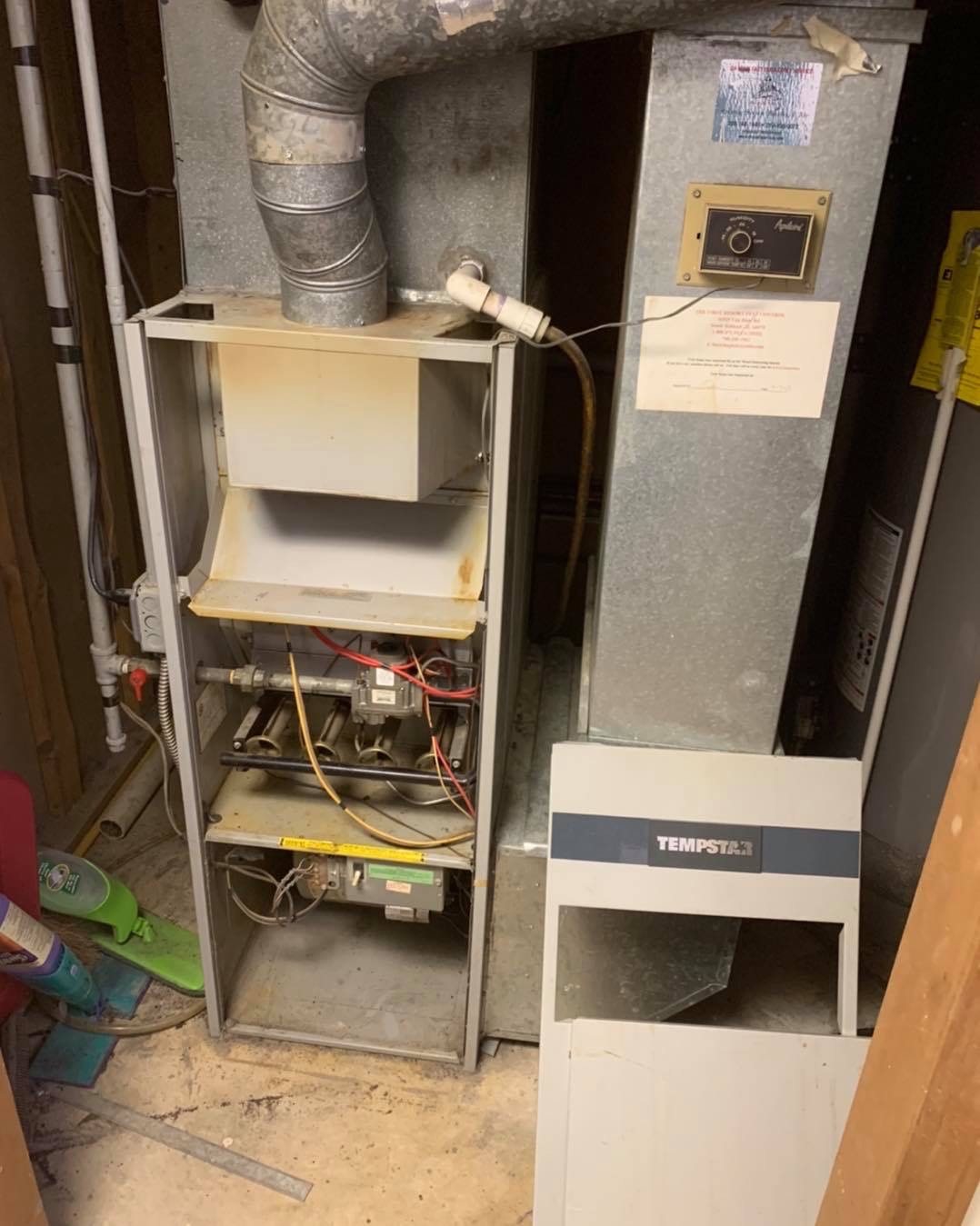
Yes, you can handle basic HVAC maintenance yourself, but most repair, diagnostic, and installation work requires a licensed professional. Tasks like changing filters, cleaning vents, and clearing debris from your outdoor unit are safe DIY jobs that keep your system running efficiently.
Chicago's extreme temperature swings, strict building codes, and permit requirements make it especially important to know where the DIY line ends. Getting it wrong can void warranties, violate local ordinances, or create safety hazards.
This guide breaks down exactly which HVAC tasks you can do yourself, which ones demand a licensed technician, what each approach costs in the Chicago market, and how to make the smartest decision for your home or business.
What Does HVAC Servicing Actually Include?
HVAC servicing covers a wide range of work, from simple filter swaps to complex system overhauls. Understanding the full scope helps you identify which tasks fall within your skill set and which ones don't.
Most homeowners think of "servicing" as a single activity. In reality, it breaks into three distinct categories with very different skill requirements, safety risks, and legal considerations.
Routine Maintenance Tasks
Routine maintenance is the preventive work that keeps your heating and cooling system running efficiently. This includes replacing air filters, cleaning components, lubricating moving parts, checking thermostat calibration, and inspecting the system for visible wear.
These tasks are designed to prevent breakdowns before they happen. Most HVAC manufacturers recommend routine maintenance at least twice per year, once before heating season and once before cooling season.
Many routine tasks are straightforward enough for homeowners to handle. They require no specialized tools, no refrigerant handling, and no electrical work beyond checking that your thermostat is functioning correctly.
Diagnostic and Repair Work
Diagnostic work involves identifying why your system isn't performing correctly. This requires specialized tools like manifold gauges, multimeters, combustion analyzers, and refrigerant leak detectors.
Repairs range from replacing a capacitor or contactor to fixing refrigerant leaks, repairing heat exchangers, or replacing blower motors. These tasks involve working with high-voltage electrical components, pressurized refrigerant lines, or natural gas connections.
This category is where DIY work becomes risky. Misdiagnosing a problem can lead to replacing parts that don't need replacing, missing the actual issue, or creating new problems. A failed capacitor might look like a bad compressor to an untrained eye, and that misdiagnosis could cost you thousands.
System Installation and Replacement
Installation and replacement work includes sizing a new system for your space, removing old equipment, running new refrigerant lines, connecting gas lines, wiring electrical components, and commissioning the system.
This is the most complex and regulated category of HVAC work. Improper installation is the leading cause of premature system failure and reduced efficiency. Even a correctly sized unit will underperform if the installation is flawed.
In Chicago, installation work requires permits and inspections. The work must comply with the Chicago Building Code, the International Mechanical Code, and EPA regulations for refrigerant handling. This is not DIY territory.
HVAC Maintenance Tasks You Can Safely Do Yourself
Several maintenance tasks are genuinely safe for homeowners to perform. These jobs require no special licensing, use basic tools, and carry minimal risk when done correctly.
Handling these tasks yourself saves money on service calls and keeps your system in better shape between professional tune-ups. Think of DIY maintenance as the equivalent of checking your car's oil and tire pressure. You still need a mechanic for the big stuff.
Changing Air Filters
Filter replacement is the single most impactful maintenance task any homeowner can do. A clogged filter restricts airflow, forces your system to work harder, increases energy consumption, and accelerates wear on components.
Locate your filter slot, which is typically near the return air duct or inside the blower compartment. Check the size printed on the existing filter's frame. Slide the old filter out, note the airflow direction arrow, and insert the new filter with the arrow pointing toward the blower.
In Chicago, where systems run hard during both brutal winters and humid summers, check your filter monthly. Replace it every 30 to 90 days depending on filter type, pet ownership, and household dust levels. A standard pleated filter costs between $5 and $20.
Cleaning Vents and Registers
Dust, pet hair, and debris accumulate on supply and return vents throughout your home. This buildup restricts airflow and circulates allergens.
Remove vent covers and wash them with warm soapy water. Use a vacuum with a hose attachment to clean inside the visible duct opening. Wipe down the surrounding wall or floor area.
Do this every few months, or more frequently if you have pets or allergy concerns. It takes about 30 minutes for a typical Chicago home and costs nothing beyond the cleaning supplies you already own.
Clearing the Outdoor Condenser Unit
Your air conditioner's outdoor condenser unit needs clear airflow to reject heat effectively. Leaves, grass clippings, cottonwood seeds, and other debris collect on the fins and restrict performance.
Turn off the system at the thermostat and the outdoor disconnect switch before doing any work. Remove large debris by hand. Use a garden hose to gently spray the fins from the inside out. Never use a pressure washer, as the high pressure bends the delicate aluminum fins.
Maintain at least two feet of clearance around the unit. Trim back bushes, remove stored items, and keep mulch or landscaping materials away from the base. In Chicago, do this in spring before cooling season starts and again in fall before covering the unit for winter.
Checking Your Thermostat Settings
A misconfigured thermostat is one of the most common reasons homeowners think their system is malfunctioning. Before calling for service, verify your settings.
Confirm the system is set to the correct mode (heat or cool). Check that the fan setting is on "auto" rather than "on," unless you have a specific reason for continuous fan operation. Verify the programmed schedule matches your actual routine.
If you have an older mercury thermostat, consider upgrading to a programmable or smart thermostat. This is a straightforward DIY project for most homeowners. Modern thermostats can reduce heating and cooling costs by up to 10% annually according to Energy.gov's thermostat guidance.
Inspecting Visible Ductwork
Walk through your basement, attic, or crawl space and visually inspect any exposed ductwork. Look for obvious disconnections, holes, crushed sections, or deteriorating tape and insulation.
Seal small gaps or loose joints with mastic sealant or metal-backed HVAC tape. Do not use standard cloth duct tape, as it deteriorates quickly and loses adhesion in temperature extremes.
According to Energy Star's duct sealing information, leaky ducts can reduce system efficiency by up to 20%. Sealing accessible leaks yourself is a low-cost improvement that pays for itself quickly, especially in older Chicago homes with aging ductwork.
HVAC Tasks That Require a Licensed Professional
Certain HVAC work is dangerous, legally restricted, or technically complex enough that attempting it yourself creates serious risks. These tasks require training, specialized equipment, and in many cases, state or municipal licensing.
Knowing where to draw the line protects your safety, your equipment, your warranty, and your compliance with Chicago regulations.

Refrigerant Handling and Recharging
Federal law under the EPA's Clean Air Act, specifically Section 608, requires anyone who handles refrigerant to hold an EPA Section 608 certification. This applies to adding refrigerant, recovering refrigerant, and repairing refrigerant leaks.
Purchasing regulated refrigerants like R-410A or R-22 requires certification. Venting refrigerant into the atmosphere carries fines of up to $44,539 per day per violation under current EPA enforcement guidelines.
Beyond the legal issues, refrigerant work requires manifold gauges, vacuum pumps, recovery equipment, and the knowledge to properly charge a system. Overcharging or undercharging refrigerant damages the compressor and reduces efficiency. This is not a YouTube tutorial job.
Electrical Component Repairs
HVAC systems operate on 240-volt circuits for the condenser and furnace, with additional low-voltage control wiring. Working on these components without proper training creates electrocution and fire hazards.
Capacitors store electrical charge even after the system is powered off. Contactors, relays, and circuit boards require proper diagnostic procedures. Incorrect wiring can damage the equipment, trip breakers, or create arc flash hazards.
In Illinois, electrical work beyond basic homeowner tasks typically requires a licensed electrician or HVAC technician. Even if you're comfortable with residential wiring, HVAC electrical systems have specific requirements that differ from standard household circuits.
Gas Furnace and Heat Exchanger Work
Gas furnace work involves natural gas connections, combustion analysis, and heat exchanger inspection. A cracked heat exchanger can leak carbon monoxide into your living space, which is an invisible, odorless, potentially fatal hazard.
Proper combustion analysis requires a calibrated combustion analyzer to measure flue gas temperatures, carbon monoxide levels, and combustion efficiency. Visual inspection alone cannot reliably detect hairline cracks in a heat exchanger.
The City of Chicago requires gas work to be performed by licensed professionals. The Illinois Commerce Commission regulates gas utility connections, and improper gas work can result in service disconnection, fines, or worse.
Full System Installation or Replacement
HVAC installation involves load calculations, equipment sizing, refrigerant line routing, electrical connections, gas piping, condensate drainage, ductwork modifications, and system commissioning.
An improperly sized system creates persistent comfort problems. An oversized unit short-cycles, causing humidity issues and premature wear. An undersized unit runs constantly without reaching setpoint. Proper sizing requires Manual J load calculations that account for your home's insulation, window area, orientation, and Chicago's climate data.
Chicago requires permits for HVAC installation and replacement. The work must pass inspection by the City of Chicago Department of Buildings. Unpermitted work can create problems when selling your home, filing insurance claims, or resolving warranty disputes.
Chicago-Specific HVAC Considerations for DIY vs. Professional Service
Chicago's regulatory environment, climate extremes, and housing stock create unique factors that affect the DIY vs. professional decision. What might be acceptable in a less regulated market or milder climate carries different implications here.
Chicago Building Codes and Permit Requirements
The City of Chicago enforces its own building code, which is separate from the statewide code used in most Illinois municipalities. HVAC work that requires a permit in Chicago includes new installations, system replacements, and significant modifications to existing systems.
Permits require that the work be performed by or under the supervision of a licensed contractor. The City of Chicago's Department of Buildings oversees permit applications and inspections for mechanical work.
Performing permitted work without a license or permit can result in fines, required removal of the work, and complications with property sales or insurance claims. Even if you're technically capable, the regulatory framework in Chicago limits what you can legally do yourself.
Extreme Weather Demands on HVAC Systems
Chicago's climate pushes HVAC systems hard. Winter temperatures regularly drop below 0°F, and summer heat indices can exceed 100°F. This temperature range of over 100 degrees means your system needs to perform reliably at both extremes.
This climate intensity means maintenance mistakes have amplified consequences. A poorly maintained furnace that might limp through a mild winter elsewhere will fail during a Chicago polar vortex. A neglected air conditioner that works adequately in moderate heat will struggle during a July heat wave.
Professional technicians calibrate systems for these extremes. They verify that defrost cycles work correctly, that refrigerant charges are optimized for peak cooling loads, and that gas furnaces achieve proper combustion efficiency at maximum output.
Warranty and Insurance Implications
Most HVAC manufacturer warranties require that installation and major repairs be performed by licensed professionals. Performing your own work, even competently, can void the manufacturer's warranty on your equipment.
Homeowner's insurance policies typically cover HVAC-related damage (like a furnace fire or water damage from a failed condensate line) only when the system was properly installed and maintained. DIY work that leads to a claim may be denied if the insurer determines the work was performed without proper licensing.
Extended warranties and home warranty plans almost universally exclude coverage for systems that were self-installed or repaired by unlicensed individuals. Before doing any work beyond basic maintenance, check your warranty terms.
The Real Cost of DIY HVAC Service vs. Hiring a Pro
Cost is usually the primary motivation for DIY HVAC work. Understanding the actual numbers helps you make a realistic comparison rather than an assumption-based one.
What DIY Maintenance Costs
Basic DIY maintenance is genuinely inexpensive. Here's what the common tasks cost in materials:
Task
Material Cost
Frequency
Air filter replacement
$5 - $20 per filter
Every 1-3 months
Condenser cleaning
$0 (garden hose)
Twice per year
Vent cleaning
$0 (vacuum + soap)
Every 2-3 months
Thermostat batteries
$3 - $5
Annually
Duct tape/mastic sealant
$5 - $15
As needed
Programmable thermostat upgrade
$25 - $250
One-time
Annual DIY maintenance costs typically run between $50 and $150 in materials. Your time investment is roughly 2 to 4 hours spread across the year.
What Professional HVAC Service Costs in Chicago
Professional maintenance and service costs in the Chicago market reflect the area's higher labor rates, licensing requirements, and cost of living.
Service
Typical Chicago Cost Range
Annual maintenance tune-up
$80 - $200 per visit
Diagnostic service call
$75 - $150
Minor repair (capacitor, contactor)
$150 - $400
Major repair (compressor, motor)
$500 - $2,000+
Full system replacement
$5,000 - $15,000+
Many Chicago HVAC companies offer maintenance plans that include two annual tune-ups, priority scheduling, and discounts on repairs. These plans typically cost between $150 and $300 per year.
Hidden Costs of DIY Mistakes
The real cost comparison must include the risk of errors. DIY mistakes on HVAC systems tend to be expensive because they often damage other components or go undetected until they cause a larger failure.
Common costly DIY errors include overcharging or undercharging refrigerant (compressor damage: $1,500 - $3,000 to repair), incorrect wiring (circuit board damage: $300 - $800), improper gas connections (safety hazard plus repair costs), and installing the wrong size equipment (complete reinstallation required).
A single significant DIY mistake can cost more than years of professional maintenance. The math favors doing basic maintenance yourself while leaving complex work to licensed technicians.
When to Call an HVAC Professional
Even if you're comfortable with basic maintenance, certain situations require professional expertise. Recognizing these situations early prevents small problems from becoming expensive emergencies.
Warning Signs Your System Needs Expert Attention
Call a professional if you notice any of these issues:
Unusual sounds. Grinding, screeching, banging, or clicking noises indicate mechanical problems with motors, bearings, or loose components.
Inconsistent temperatures. Rooms that won't reach setpoint, hot and cold spots, or a system that runs constantly without satisfying the thermostat suggest airflow, refrigerant, or sizing issues.
Unusual odors. A rotten egg smell near a gas furnace indicates a potential gas leak. Call your utility company immediately. Burning or electrical smells suggest overheating components. Musty odors point to mold in the ductwork or drain pan.
Increased energy bills. A sudden spike in heating or cooling costs without a corresponding change in usage patterns suggests declining system efficiency.
Frequent cycling. A system that turns on and off every few minutes is short-cycling, which indicates an oversized system, a failing component, or a refrigerant issue.
Visible ice. Ice on refrigerant lines or the outdoor coil points to airflow restrictions or low refrigerant charge.
Seasonal Maintenance Schedules for Chicago Homes
Chicago's climate demands a proactive maintenance schedule. Here's what professional service looks like across the year:
Spring (March - May). Schedule professional air conditioning tune-up. Technician checks refrigerant charge, cleans coils, tests capacitors and contactors, verifies thermostat operation, and inspects electrical connections. DIY: clean condenser, change filter, clear drain line.
Summer (June - August). Monitor system performance. DIY: change filters monthly during heavy use. Call a professional if cooling performance drops or energy bills spike unexpectedly.
Fall (September - November). Schedule professional furnace tune-up. Technician inspects heat exchanger, tests safety controls, checks gas connections, cleans burners, and verifies ignition sequence. DIY: clean vents, change filter, clear debris from outdoor unit before covering.
Winter (December - February). Monitor heating performance. DIY: change filters monthly during heavy use. Call a professional immediately if you smell gas, hear unusual furnace noises, or notice the system failing to maintain temperature during extreme cold.
How to Choose a Reliable HVAC Contractor in Chicago
When you do need professional service, choosing the right contractor matters as much as the work itself. Chicago has hundreds of HVAC companies, and quality varies significantly.
Licensing and Insurance Verification
In Chicago, HVAC contractors must hold appropriate licenses issued by the City of Chicago. Verify licensing through the City of Chicago License Lookup before hiring anyone.
Confirm the contractor carries general liability insurance and workers' compensation coverage. Ask for certificates of insurance. If an uninsured worker is injured on your property, you may be liable.
Transparent Pricing and Written Estimates
Reputable contractors provide written estimates before starting work. The estimate should itemize equipment costs, labor charges, permit fees, and any additional materials.
Be cautious of contractors who quote over the phone without seeing your system, who pressure you into immediate decisions, or who offer prices dramatically lower than other quotes. Unusually low bids often indicate cut corners, unlicensed workers, or bait-and-switch pricing.
Get at least two to three estimates for any major work. Compare not just price but also equipment brands, warranty terms, and included services.
Questions to Ask Before Hiring
Before committing to a contractor, ask these questions:
What licenses do you hold, and are they current with the City of Chicago? Will you pull the required permits for this work? What manufacturer warranties come with the equipment, and what do you warranty on the labor? Can you provide references from recent Chicago-area jobs? What is your timeline for completing the work? Do you offer maintenance plans for ongoing service?
The answers reveal professionalism, transparency, and commitment to doing the work correctly. A contractor who avoids these questions or gives vague answers is a contractor to avoid.
Conclusion
You can absolutely handle basic HVAC maintenance yourself. Changing filters, cleaning vents, clearing your condenser, and monitoring thermostat settings are safe, money-saving tasks every Chicago homeowner should know. But diagnostic work, refrigerant handling, gas furnace repairs, and system installation require licensed professionals, especially under Chicago's strict building codes and extreme climate demands.
The smartest approach combines consistent DIY maintenance with professional service for everything beyond the basics. This protects your equipment, your warranty, your safety, and your budget over the long term.
We help Chicago homeowners and businesses make confident HVAC decisions every day. Contact Chicago Comfort HVAC for transparent pricing, expert diagnostics, and professional service you can trust, whether you need a seasonal tune-up or a complete system replacement.
Frequently Asked Questions
Is it legal to work on my own HVAC system in Chicago?
You can perform basic maintenance like changing filters and cleaning vents. However, work requiring permits, such as system installation, replacement, or gas line modifications, must be done by a licensed contractor under Chicago's building code.
What HVAC maintenance can I do without voiding my warranty?
Most manufacturers allow homeowners to change filters, clean accessible components, and clear debris from outdoor units. Any work involving refrigerant, electrical components, or gas connections typically must be performed by a licensed technician to maintain warranty coverage.
How often should I change my HVAC air filter in Chicago?
Check your filter monthly and replace it every 30 to 90 days. During peak heating and cooling seasons in Chicago, monthly replacement is recommended, especially if you have pets, allergies, or a home with above-average dust levels.
Can I install my own furnace or air conditioner in Illinois?
Technically, homeowners in some jurisdictions can perform their own work, but Chicago requires permits and licensed contractors for HVAC installation. Additionally, EPA Section 608 certification is required to handle refrigerants, and improper installation voids manufacturer warranties.
How much does professional HVAC maintenance cost in Chicago?
A standard tune-up in Chicago typically costs between $80 and $200 per visit. Annual maintenance plans covering two seasonal visits usually range from $150 to $300 per year and often include repair discounts and priority scheduling.
What happens if I make a mistake servicing my own HVAC?
DIY mistakes can range from minor inefficiency to serious safety hazards. Common consequences include voided warranties, damaged components requiring expensive professional repair, reduced system lifespan, and in the case of gas furnace errors, potential carbon monoxide exposure.
Do I need a permit for HVAC work in Chicago?
Yes, for most work beyond basic maintenance. The City of Chicago requires permits for new HVAC installations, system replacements, and significant modifications. Permits ensure the work meets code requirements and passes inspection. Working without required permits can result in fines and complications with future property transactions.
Follow a maintenance program
Ante gravida id aenean quis egestas risus nam amet nullam leo diam diam aliquam eu eu malesuada arcu rhoncus suspendisse nulla mattis ut amet sagittis in justo egestas.

search for a trusted mechanic
Lorem ipsum dolor sit amet, consectetur adipiscing elit lobortis arcu enim urna adipiscing praesent velit viverra sit semper lorem eu cursus vel hendrerit elementum morbi curabitur etiam nibh justo, lorem aliquet donec sed sit mi dignissim at ante massa mattis.
- Neque sodales ut etiam sit amet nisl purus non tellus orci ac auctor
- Adipiscing elit ut aliquam purus sit amet viverra suspendisse potent
- Mauris commodo quis imperdiet massa tincidunt nunc pulvinar
- Excepteur sint occaecat cupidatat non proident sunt in culpa qui officia
Check the air pressure in your tires
Vitae congue eu consequat ac felis placerat vestibulum lectus mauris ultrices cursus sit amet dictum sit amet justo donec enim diam porttitor lacus luctus accumsan tortor posuere praesent tristique magna sit amet purus gravida quis blandit turpis.
Review your suspension frequently
At risus viverra adipiscing at in tellus integer feugiat nisl pretium fusce id velit ut tortor sagittis orci a scelerisque purus semper eget at lectus urna duis convallis. porta nibh venenatis cras sed felis eget neque laoreet suspendisse interdum consectetur libero id faucibus nisl donec pretium vulputate sapien nec sagittis aliquam nunc lobortis mattis aliquam faucibus purus in.
- Neque sodales ut etiam sit amet nisl purus non tellus orci ac auctor
- Adipiscing elit ut aliquam purus sit amet viverra suspendisse potent
- Mauris commodo quis imperdiet massa tincidunt nunc pulvinar
- Excepteur sint occaecat cupidatat non proident sunt in culpa qui officia
Service your vehicle as regularly as posible
At risus viverra adipiscing at in tellus integer feugiat nisl pretium fusce id velit ut tortor sagittis orci a scelerisque purus semper eget at lectus urna duis convallis. porta nibh venenatis cras sed felis eget neque laoreet suspendisse interdum consectetur libero id faucibus nisl donec pretium vulputate sapien nec sagittis aliquam nunc lobortis mattis aliquam faucibus purus in.
“Nisi quis eleifend quam adipiscing vitae aliquet bibendum enim facilisis gravida neque velit euismod in pellentesque”
Conclusion
Eget lorem dolor sed viverra ipsum nunc aliquet bibendum felis donec et odio pellentesque diam volutpat commodo sed egestas aliquam sem fringilla ut morbi tincidunt augue interdum velit euismod eu tincidunt tortor aliquam nulla facilisi aenean sed adipiscing diam donec adipiscing ut lectus arcu bibendum at varius vel pharetra nibh venenatis cras sed felis eget.
