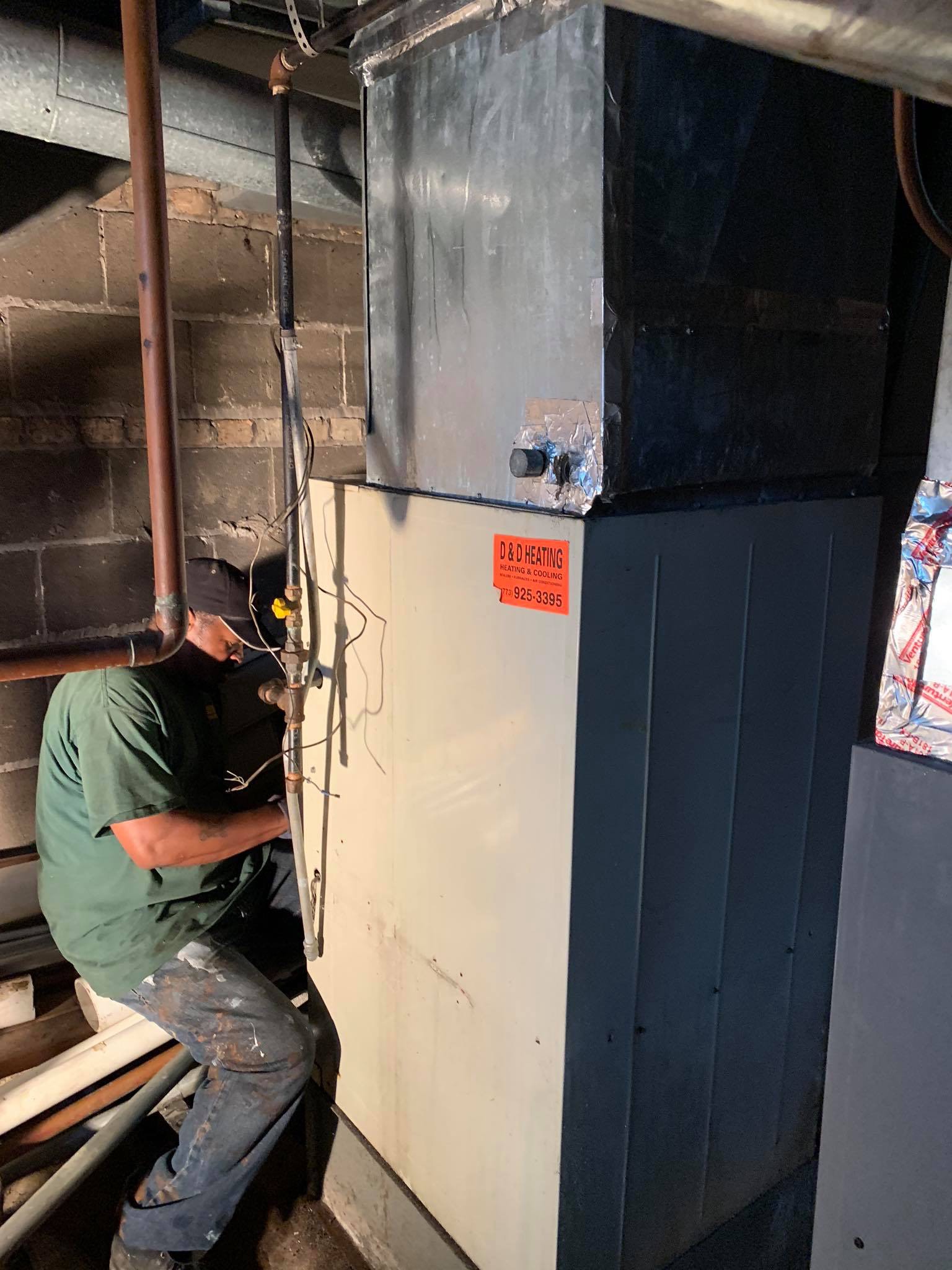
Do HVAC Companies Offer Free Quotes?
Find out if HVAC companies offer free quotes in Chicago. Learn what's included, how to compare estimates, and what affects pricing. Get your free quote today.
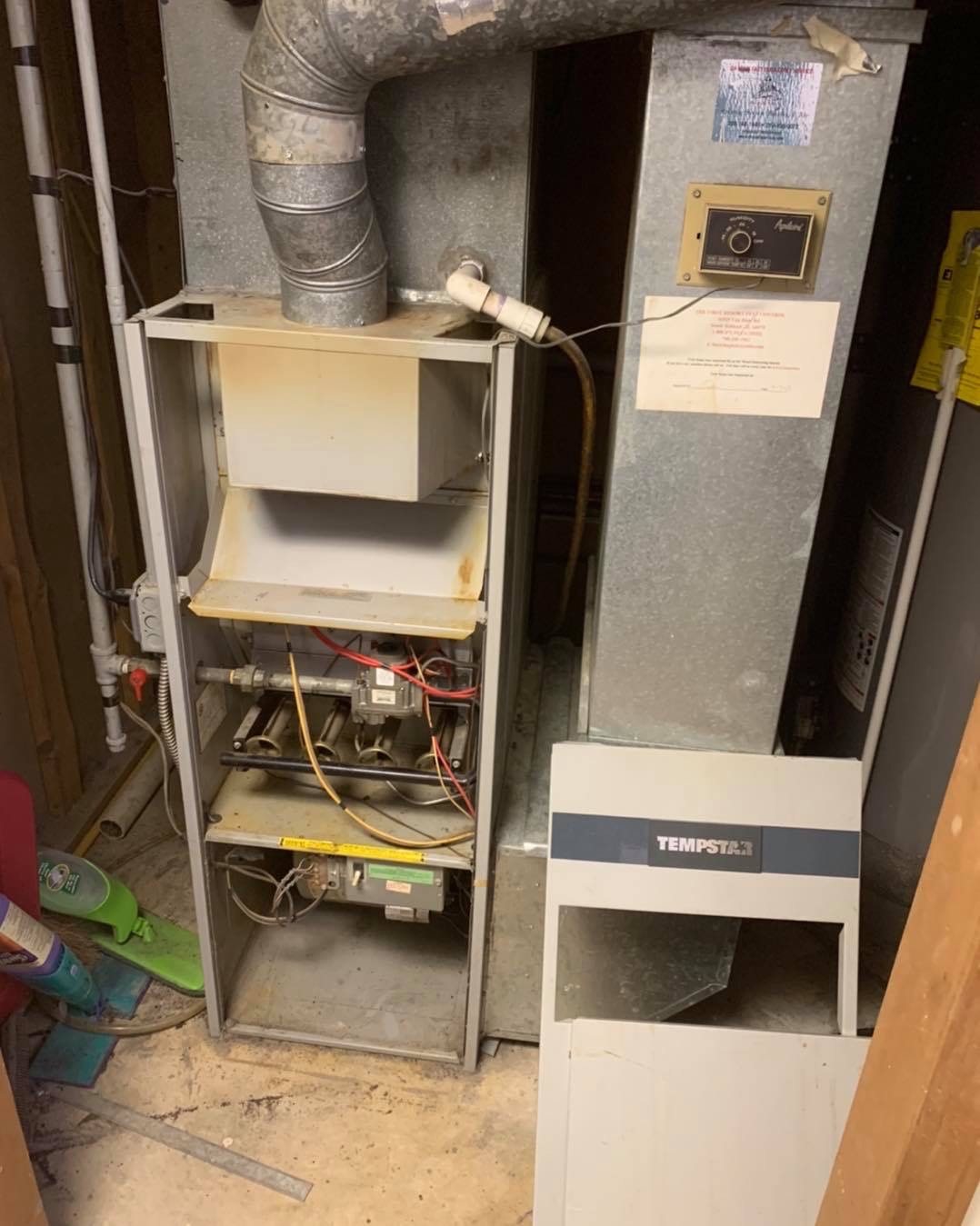
Yes, most reputable HVAC companies in Chicago offer free quotes for installation, replacement, and major repair projects. A free quote typically includes an in-home assessment, equipment pricing, labor costs, and a written breakdown you can compare against other contractors.
Understanding what goes into that quote matters more than just getting one. The difference between a thorough, transparent estimate and a vague ballpark number can mean thousands of dollars and years of comfort.
This guide covers exactly what free HVAC quotes include, how Chicago-specific factors affect your pricing, how to compare estimates, and what red flags to avoid before signing anything.
What Does a Free HVAC Quote Actually Include?
A legitimate free HVAC quote is not a guess over the phone. It is a detailed, written document produced after a contractor evaluates your property, measures your space, inspects existing equipment, and calculates the work required. Here is what each component covers.
System Assessment and Home Evaluation
The contractor walks through your home or commercial space to assess your current HVAC system. They check the age, condition, and capacity of your existing furnace, air conditioner, or heat pump. They measure square footage, inspect ductwork for leaks or damage, evaluate insulation levels, and note window placement and sun exposure.
In Chicago, this step is critical. Older homes in neighborhoods like Lincoln Park, Bridgeport, and Hyde Park often have outdated ductwork or insufficient insulation that directly impacts system sizing. A contractor who skips this step is guessing, and guesses cost you money.
Equipment and Material Cost Breakdown
Your quote should list the specific equipment being recommended. That means brand name, model number, capacity (measured in tons for cooling, BTUs for heating), and efficiency rating. For air conditioners, look for the SEER2 rating. For furnaces, look for the AFUE percentage.
The quote should also itemize materials: refrigerant lines, thermostats, duct modifications, drain lines, electrical work, and any accessories like air purifiers or humidifiers. If a quote just says "new AC system" with a single dollar amount, it is incomplete.
Labor, Permits, and Installation Estimates
Labor is a significant portion of any HVAC project. Your quote should specify how many hours or days the installation will take, what the labor rate is, and whether permit fees are included. In Chicago, HVAC installations require permits from the City of Chicago Department of Buildings. A trustworthy contractor includes this cost upfront rather than adding it later.
The quote should also clarify who handles the permit application, whether old equipment removal and disposal is included, and if there are any warranty terms tied to the installation.
Why Most HVAC Companies in Chicago Offer Free Quotes
Free quotes are standard across the HVAC industry, especially for installation and replacement projects. Understanding why helps you use this process to your advantage.
Industry-Standard Practice for Residential and Commercial Jobs
Providing free quotes is how HVAC contractors compete for your business. For jobs involving new system installation, full replacement, or major upgrades, the quote process is essentially a sales opportunity for the contractor and a comparison tool for you. Most established companies in the Chicago market absorb the cost of sending a technician to your home because they expect to earn the project.
This applies to both residential and commercial properties. Whether you own a single-family home in Edison Park or manage a multi-unit building in Lakeview, you should expect free quotes from any contractor worth hiring.
How Free Estimates Help You Compare Contractors
Getting multiple free quotes gives you leverage. You can compare not just price, but scope of work, equipment quality, warranty terms, and professionalism. A contractor who provides a detailed, line-item quote demonstrates transparency. One who gives you a single number on a napkin does not.
Free quotes also let you gauge how a company communicates. Did they show up on time? Did they explain their recommendations? Did they answer your questions without pressure? These signals matter as much as the dollar amount.
When a Company Might Charge for a Quote
Some HVAC companies charge a diagnostic fee for service calls and repairs. This is different from a project quote. If your furnace stops working in January and you call for emergency service, the company may charge a trip fee to diagnose the problem. That fee typically ranges from $75 to $150 in the Chicago area.
However, if you are requesting a quote for a new system installation or full replacement, you should not be paying for that estimate. If a company charges for an installation quote, treat it as a signal to call someone else.
Free Quote vs. Free Estimate vs. Paid Diagnostic: What's the Difference?
These three terms get used interchangeably, but they mean different things. Knowing the distinction protects your budget.
Free Quote Defined
A free quote is a written, itemized document that specifies exact costs for a defined scope of work. It includes equipment, labor, materials, permits, and any additional fees. A quote is typically binding for a set period, often 30 days, meaning the contractor agrees to honor that price if you accept within the window.
Free Estimate Defined
A free estimate is a general approximation of cost. It is less detailed than a quote and is not binding. Estimates are common for initial conversations or phone consultations. They give you a ballpark but should not be the basis for a final decision. Always request a formal written quote before committing.
Paid Diagnostic Visit Explained
A paid diagnostic is a service call where a technician troubleshoots a specific problem with your existing system. The fee covers the technician's time and expertise in identifying the issue. Many companies waive the diagnostic fee if you proceed with the recommended repair. This is standard practice and separate from the free quote process for installations.
Free Quote
Free Estimate
Paid Diagnostic
Cost to you
$0
$0
$75 to $150
Detail level
Line-item breakdown
General ballpark
Problem diagnosis
Binding?
Yes, for a set period
No
No
Best for
Installation, replacement
Initial research
Repairs, troubleshooting
Includes home visit?
Yes
Sometimes
Yes
What Factors Affect Your HVAC Quote in Chicago?
Two homes on the same block can receive quotes that differ by thousands of dollars. The variables below explain why.
System Type and Efficiency Ratings (SEER, AFUE)
The type of system you choose is the single biggest cost driver. A basic single-stage central air conditioner costs significantly less than a variable-speed heat pump with dual-fuel capability. Higher efficiency ratings, like a SEER2 rating of 18 or above for cooling or an AFUE of 97% for furnaces, increase equipment cost but reduce monthly energy bills.
In Chicago's climate, where you need both reliable heating through sub-zero winters and effective cooling through humid summers, system selection has long-term financial consequences. A higher-efficiency system costs more upfront but can save hundreds per year in utility costs.
Home Size, Ductwork, and Insulation
Larger homes require larger systems. A 1,200-square-foot bungalow in Portage Park needs a different capacity than a 3,500-square-foot home in Naperville. But size alone does not determine the quote. Ductwork condition matters enormously.
If your ducts are undersized, leaking, or poorly routed, the contractor may need to modify or replace sections. Homes built before 1970 in Chicago frequently have ductwork issues. Insulation quality also affects system sizing. Poor insulation means the system works harder, which means you need a larger, more expensive unit.
Chicago Climate and Seasonal Demand
Chicago's extreme temperature swings, from below zero in January to the mid-90s in July, require HVAC systems that perform reliably at both ends. This eliminates some budget equipment options that work fine in milder climates but fail under Chicago conditions.
Seasonal demand also affects pricing. Scheduling your installation in spring or fall, outside peak heating and cooling seasons, can sometimes result in better pricing and faster availability. Contractors are busiest during the first heat wave and the first deep freeze. Planning ahead gives you more options.
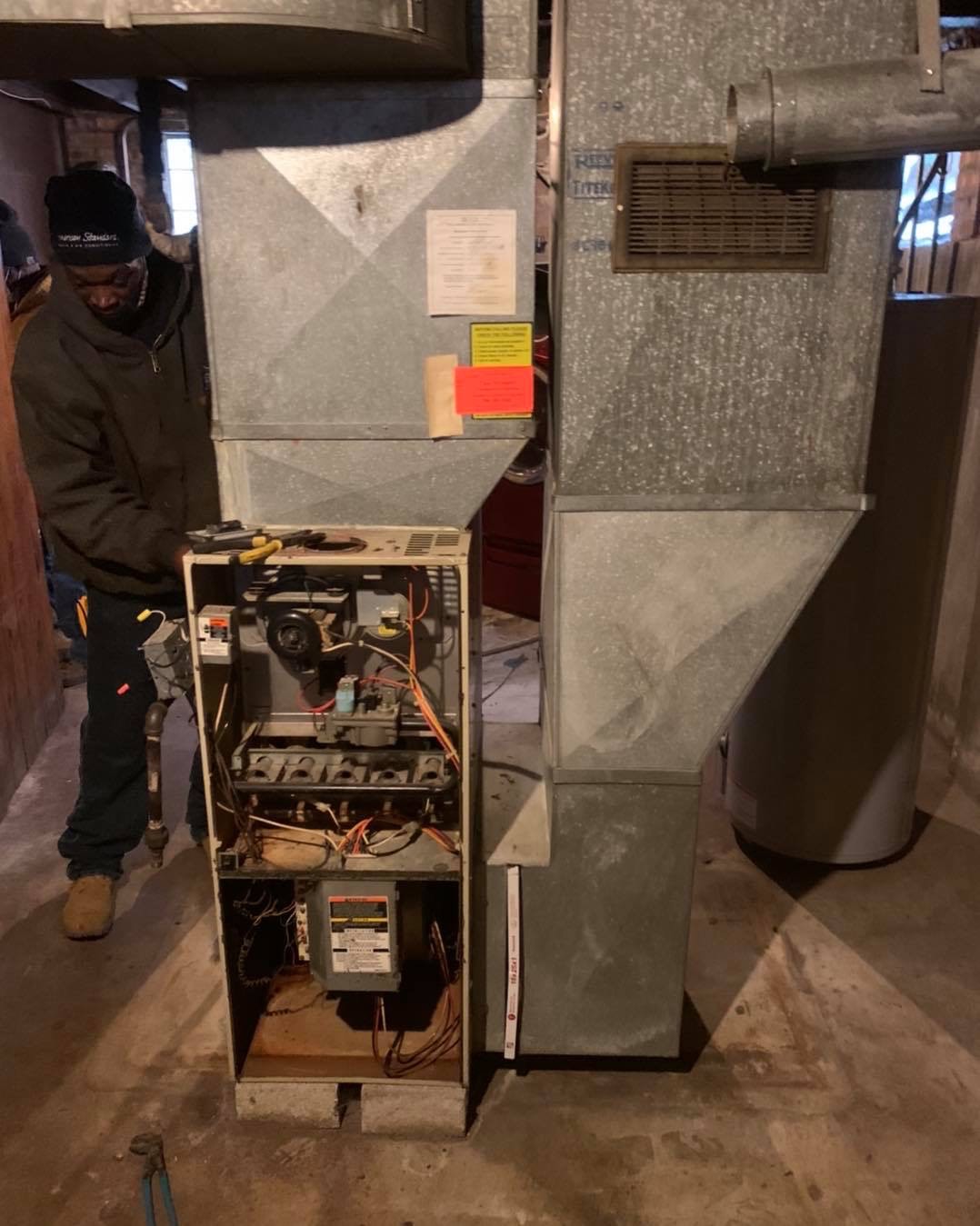
Labor Costs and Local Permit Requirements
Chicago labor rates for licensed HVAC technicians are higher than national averages. This reflects the cost of living, union labor availability, and the licensing requirements enforced by the City of Chicago. Your quote should reflect local labor rates honestly.
Permit costs in Chicago vary by project scope. A straightforward furnace replacement may require a simpler permit than a full system installation with new ductwork and electrical modifications. Your contractor should handle the permit process and include those fees in the quote.
How to Get the Most Accurate Free HVAC Quote
The quality of your quote depends partly on how prepared you are. These steps help ensure accuracy.
Schedule an In-Home Assessment
Never accept a quote based solely on a phone call or online form. Any contractor who gives you a firm price without seeing your property is guessing. An in-home assessment lets the technician measure your space, inspect your current system, evaluate ductwork, and identify any complications before quoting.
This visit typically takes 45 minutes to an hour. It is free, and it is the only way to get a number you can trust.
Prepare Your Home's Details Before the Visit
Before the technician arrives, gather the following: your current system's make, model, and age (check the nameplate on your furnace or AC unit), your most recent energy bills, any known issues with heating or cooling in specific rooms, and your preferences for features like smart thermostats or zoning.
If you have a preferred budget range, share it. A good contractor will work within your budget and explain the tradeoffs between different equipment tiers.
Ask the Right Questions During the Estimate
Use the quote visit to evaluate the contractor, not just the price. Ask these questions:
- What specific equipment are you recommending, and why?
- What is the SEER2 or AFUE rating of the recommended system?
- Is the permit fee included in this quote?
- What warranty comes with the equipment and the installation labor?
- How long is this quote valid?
- What happens if you find unexpected issues during installation?
- Do you offer financing or payment plans?
The answers tell you whether this contractor is thorough and transparent or rushing to close a sale.
Red Flags to Watch for When Getting HVAC Quotes
Not every free quote is created equal. Watch for these warning signs.
Quotes Given Without a Home Visit
If a contractor quotes you a price over the phone or through email without ever seeing your property, that number is unreliable. Accurate HVAC pricing requires measuring your space, inspecting ductwork, and evaluating your existing system. A phone quote is a guess, and it almost always changes once work begins.
Pressure Tactics and Same-Day Signing Demands
"This price is only good today" is a pressure tactic, not a legitimate business practice. A reputable HVAC company gives you a written quote that is valid for at least 30 days. They encourage you to get competing quotes. They answer follow-up questions without rushing you.
If a contractor pressures you to sign immediately, especially during an in-home visit, walk away. Legitimate companies are confident enough in their pricing and service to let you compare.
Missing Line Items or Vague Pricing
A quote that lists a single total without breaking down equipment, labor, materials, and permits is hiding something. You need line items to compare quotes accurately. If one contractor quotes $8,500 and another quotes $12,000, you cannot evaluate the difference without knowing what each includes.
Ask for a detailed breakdown. If the contractor refuses or says "that's just how we do it," find a contractor who respects your right to understand what you are paying for.
How Many HVAC Quotes Should You Get in Chicago?
The Three-Quote Rule and Why It Works
Getting three quotes is the standard recommendation, and it works for a reason. Three quotes give you enough data to identify outliers. If two contractors quote between $9,000 and $11,000 and a third quotes $5,500, that low quote likely cuts corners on equipment quality, labor, or permits.
Three quotes also let you compare communication styles, professionalism, and thoroughness. The cheapest quote is rarely the best value.
Comparing Quotes Beyond the Bottom Line
When you have three quotes side by side, compare these elements:
- Equipment brand and model: Are they quoting the same tier of equipment?
- Efficiency ratings: Higher SEER2 or AFUE means lower operating costs.
- Warranty terms: Equipment warranty and labor warranty should both be listed.
- Permit inclusion: Is the permit fee in the quote or added later?
- Timeline: When can they start, and how long will installation take?
- Removal and disposal: Is old equipment removal included?
The best quote is the one that offers the right equipment, installed correctly, with clear warranty terms, at a fair price.
What to Expect During a Free HVAC Quote from Chicago Comfort HVAC
Our Step-by-Step Quote Process
When you contact Chicago Comfort HVAC for a free quote, here is exactly what happens. First, we schedule a convenient time for an in-home assessment. Our technician arrives on time, introduces themselves, and walks through your property. They inspect your current system, measure your space, check ductwork, and discuss your comfort goals and budget.
Within 24 to 48 hours, you receive a detailed written quote with every line item explained.
Transparent Pricing with No Hidden Fees
Our quotes include everything: equipment, labor, materials, permits, old system removal, and disposal. The number on your quote is the number you pay. We do not add surprise fees after you sign. We do not inflate the initial quote to leave room for "discounts." We price the job honestly from the start.
Every quote includes the specific equipment brand, model number, efficiency rating, and warranty terms. You know exactly what you are getting.
Honest Recommendations Based on Your Budget
We do not push the most expensive system on every homeowner. If a mid-tier furnace meets your needs and fits your budget, that is what we recommend. If a higher-efficiency system will save you enough on energy bills to justify the upfront cost, we show you the math and let you decide.
Our job is to give you the information you need to make a confident decision. Your job is to choose what works best for your home and your budget.
Average HVAC Installation and Replacement Costs in Chicago (2025)
Understanding typical price ranges helps you evaluate whether a quote is fair. These figures reflect the Chicago market, including local labor rates and permit costs.
Central Air Conditioning Installation Costs
A new central air conditioning system in Chicago typically costs between $4,500 and $12,500, depending on the system's capacity, efficiency rating, and whether ductwork modifications are needed. A standard 14 SEER2 unit for a mid-sized home falls on the lower end. A high-efficiency 20+ SEER2 variable-speed system with a smart thermostat falls on the higher end.
Furnace Replacement Costs
Furnace replacement in Chicago ranges from $3,500 to $9,500. A basic 80% AFUE furnace is the most affordable option but is less efficient and may not meet current energy code requirements for new installations. A 96% to 98% AFUE high-efficiency furnace costs more upfront but significantly reduces winter heating bills, which matters in a city where heating season runs from October through April.
Heat Pump and Dual-System Costs
Heat pumps are gaining popularity in Chicago, especially cold-climate models designed to operate efficiently in sub-zero temperatures. A cold-climate heat pump system typically costs between $6,000 and $18,000, depending on capacity and whether it includes a backup furnace for extreme cold days (dual-fuel configuration).
Dual-fuel systems pair an electric heat pump with a gas furnace, automatically switching between the two based on outdoor temperature. This configuration maximizes efficiency across Chicago's full temperature range.
Cost Comparison Table by System Type
System Type
Typical Chicago Cost Range
Efficiency Rating
Best For
Central AC (standard)
$4,500 to $8,000
14 to 16 SEER2
Budget-conscious cooling
Central AC (high-efficiency)
$8,000 to $12,500
18 to 22 SEER2
Long-term energy savings
Gas Furnace (standard)
$3,500 to $5,500
80% to 90% AFUE
Basic heating needs
Gas Furnace (high-efficiency)
$5,500 to $9,500
96% to 98% AFUE
Maximum winter efficiency
Cold-Climate Heat Pump
$6,000 to $14,000
9 to 12 HSPF2
All-electric heating and cooling
Dual-Fuel System
$10,000 to $18,000
Varies
Best overall Chicago performance
These ranges include equipment, labor, permits, and standard installation. Complex installations involving ductwork replacement, electrical upgrades, or structural modifications will fall at the higher end or above these ranges.
How to Budget for HVAC Work After Getting Your Quote
A free quote gives you a number. These strategies help you pay for it wisely.
Financing Options and Payment Plans
Most established HVAC companies offer financing through third-party lenders. Common options include 0% interest for 12 to 18 months, low-interest plans extending 36 to 72 months, and same-as-cash promotions. Ask your contractor about available financing before assuming you need to pay the full amount upfront.
Chicago Comfort HVAC offers flexible financing options designed to make quality HVAC systems accessible without straining your budget.
Rebates, Tax Credits, and Chicago-Area Incentives
Federal tax credits through the Inflation Reduction Act can offset a significant portion of high-efficiency HVAC equipment costs. Heat pumps that meet efficiency requirements may qualify for federal tax credits. Additionally, local utility companies like ComEd and Peoples Gas periodically offer rebates for energy-efficient equipment upgrades.
Check current incentive programs before finalizing your decision. Your contractor should be able to identify which rebates and credits apply to the equipment in your quote.
Long-Term Energy Savings vs. Upfront Cost
A higher-efficiency system costs more on day one but less over its lifetime. In Chicago, where heating costs dominate winter utility bills, the difference between an 80% AFUE furnace and a 97% AFUE furnace can translate to hundreds of dollars saved annually.
When comparing quotes at different price points, ask your contractor to estimate annual operating costs for each option. A system that costs $2,000 more upfront but saves $400 per year in energy costs pays for itself in five years and continues saving money for the remaining 10 to 15 years of its lifespan.
Conclusion
Most HVAC companies in Chicago offer free quotes for installation and replacement projects. The key is knowing what a thorough quote includes, how to compare multiple estimates, and which pricing factors are specific to Chicago's climate and building stock.
Getting the right HVAC system at a fair price starts with working with a contractor who provides transparent, detailed, and honest pricing. Every homeowner and business owner deserves to understand exactly what they are paying for before making a decision.
We invite you to experience the Chicago Comfort HVAC difference. Contact us today for your free, no-obligation quote and see why Chicago property owners trust us for straightforward pricing and expert HVAC solutions.
Frequently Asked Questions
Are HVAC quotes really free in Chicago?
Yes. Most reputable HVAC contractors in Chicago provide free quotes for installation, replacement, and major upgrade projects. The quote includes an in-home assessment at no cost. You should never pay for an installation or replacement estimate.
How long does a free HVAC quote take?
The in-home assessment typically takes 45 minutes to one hour. You will receive your written quote within 24 to 48 hours after the visit. Some contractors provide the quote on-site the same day.
Should I get multiple HVAC quotes before deciding?
Yes. Getting at least three quotes allows you to compare equipment quality, pricing, warranty terms, and contractor professionalism. Multiple quotes help you identify outliers and choose the best overall value, not just the lowest price.
What is the difference between an HVAC quote and an estimate?
A quote is a detailed, written, line-item document with binding pricing for a set period. An estimate is a general approximation that is not binding. Always request a formal quote before committing to any HVAC project.
Can I get a free quote for HVAC repair, not just installation?
It depends on the company. Many contractors charge a diagnostic fee for repair visits because troubleshooting requires technician time and expertise. However, some companies waive the diagnostic fee if you proceed with the repair. Ask upfront before scheduling.
Do HVAC companies charge for diagnostic visits?
Yes, most HVAC companies charge between $75 and $150 for a diagnostic visit to identify a problem with your existing system. This is separate from a free installation or replacement quote. Many companies credit the diagnostic fee toward the repair cost if you hire them.
How do I know if an HVAC quote is fair?
Compare at least three quotes from licensed Chicago contractors. Check that each quote includes line-item pricing for equipment, labor, permits, and materials. Verify the equipment brand, model, and efficiency rating. A fair quote is detailed, transparent, and competitive with other local estimates for the same scope of work.
Follow a maintenance program
Ante gravida id aenean quis egestas risus nam amet nullam leo diam diam aliquam eu eu malesuada arcu rhoncus suspendisse nulla mattis ut amet sagittis in justo egestas.

search for a trusted mechanic
Lorem ipsum dolor sit amet, consectetur adipiscing elit lobortis arcu enim urna adipiscing praesent velit viverra sit semper lorem eu cursus vel hendrerit elementum morbi curabitur etiam nibh justo, lorem aliquet donec sed sit mi dignissim at ante massa mattis.
- Neque sodales ut etiam sit amet nisl purus non tellus orci ac auctor
- Adipiscing elit ut aliquam purus sit amet viverra suspendisse potent
- Mauris commodo quis imperdiet massa tincidunt nunc pulvinar
- Excepteur sint occaecat cupidatat non proident sunt in culpa qui officia
Check the air pressure in your tires
Vitae congue eu consequat ac felis placerat vestibulum lectus mauris ultrices cursus sit amet dictum sit amet justo donec enim diam porttitor lacus luctus accumsan tortor posuere praesent tristique magna sit amet purus gravida quis blandit turpis.
Review your suspension frequently
At risus viverra adipiscing at in tellus integer feugiat nisl pretium fusce id velit ut tortor sagittis orci a scelerisque purus semper eget at lectus urna duis convallis. porta nibh venenatis cras sed felis eget neque laoreet suspendisse interdum consectetur libero id faucibus nisl donec pretium vulputate sapien nec sagittis aliquam nunc lobortis mattis aliquam faucibus purus in.
- Neque sodales ut etiam sit amet nisl purus non tellus orci ac auctor
- Adipiscing elit ut aliquam purus sit amet viverra suspendisse potent
- Mauris commodo quis imperdiet massa tincidunt nunc pulvinar
- Excepteur sint occaecat cupidatat non proident sunt in culpa qui officia
Service your vehicle as regularly as posible
At risus viverra adipiscing at in tellus integer feugiat nisl pretium fusce id velit ut tortor sagittis orci a scelerisque purus semper eget at lectus urna duis convallis. porta nibh venenatis cras sed felis eget neque laoreet suspendisse interdum consectetur libero id faucibus nisl donec pretium vulputate sapien nec sagittis aliquam nunc lobortis mattis aliquam faucibus purus in.
“Nisi quis eleifend quam adipiscing vitae aliquet bibendum enim facilisis gravida neque velit euismod in pellentesque”
Conclusion
Eget lorem dolor sed viverra ipsum nunc aliquet bibendum felis donec et odio pellentesque diam volutpat commodo sed egestas aliquam sem fringilla ut morbi tincidunt augue interdum velit euismod eu tincidunt tortor aliquam nulla facilisi aenean sed adipiscing diam donec adipiscing ut lectus arcu bibendum at varius vel pharetra nibh venenatis cras sed felis eget.