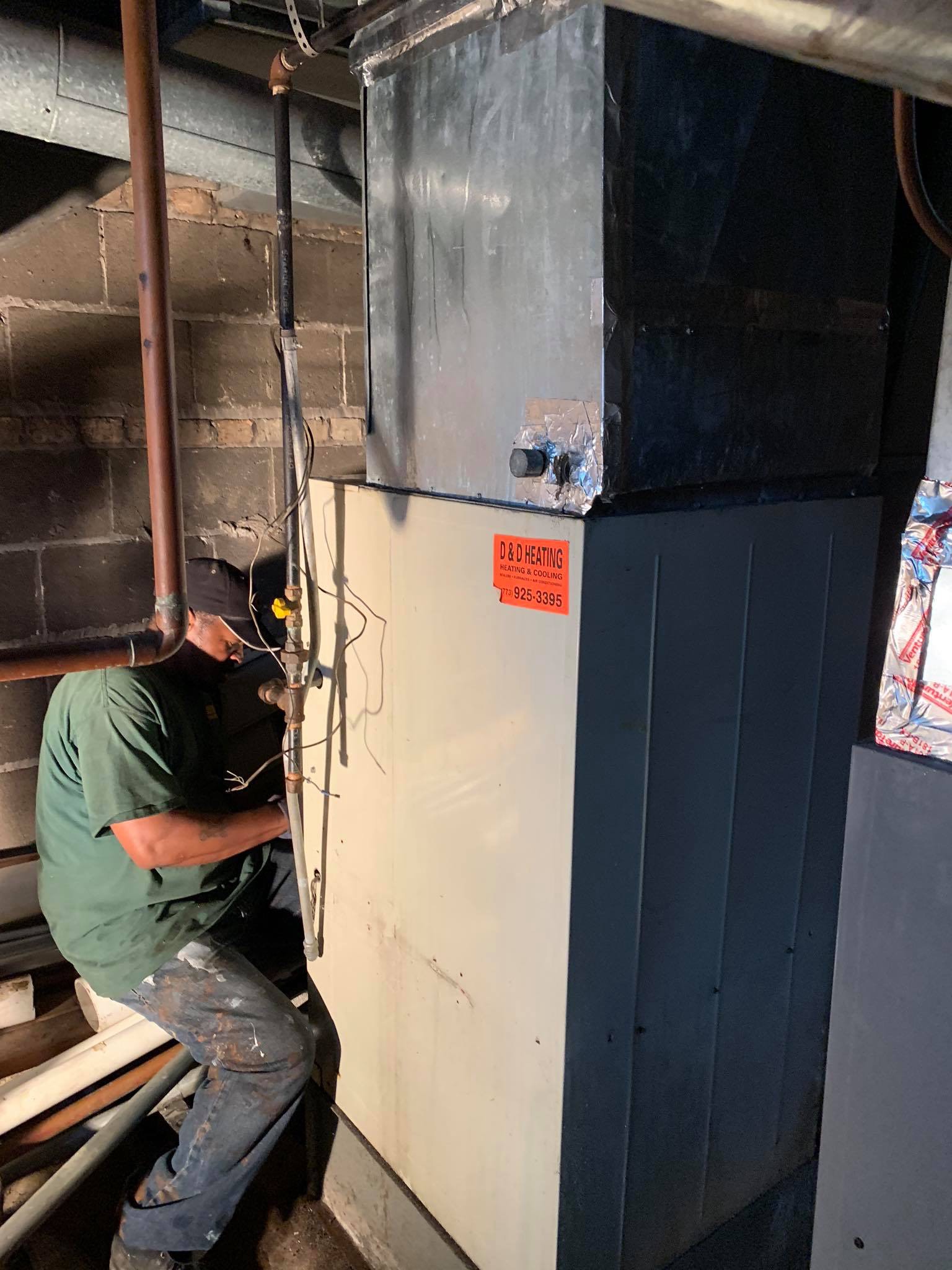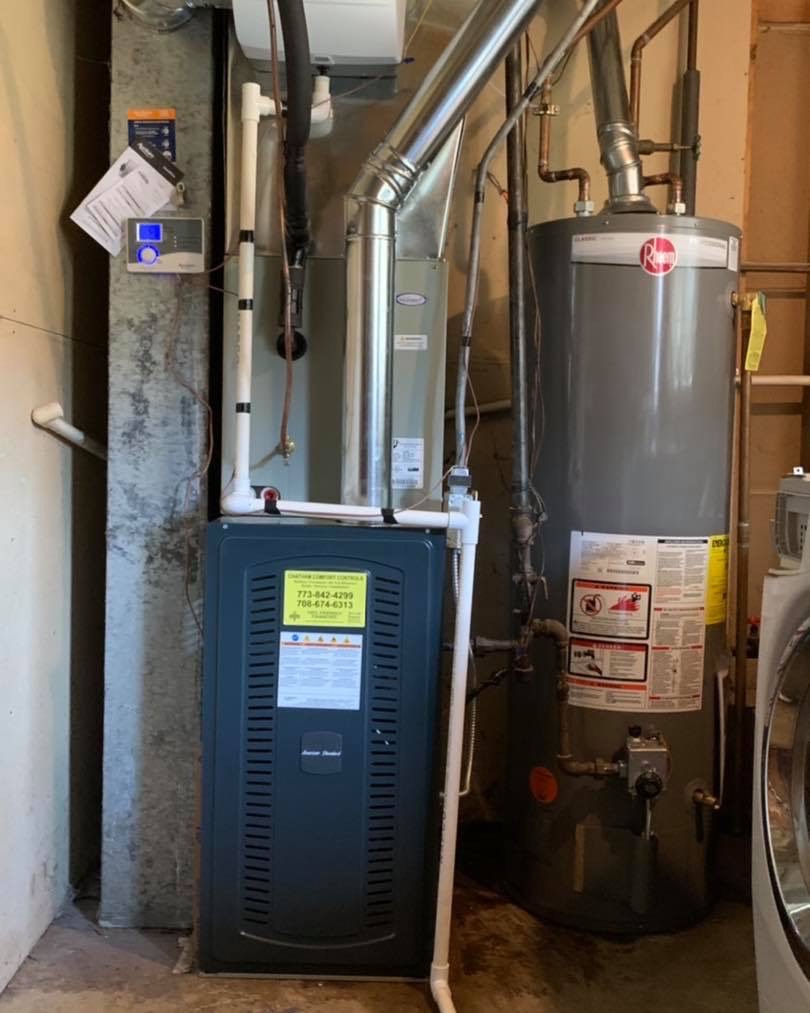
A humming furnace typically signals electrical issues, loose components, or motor problems that cost between $75 and $600 to repair in Chicago. This common noise affects thousands of Chicago homeowners each winter season. The sound ranges from a gentle hum to a loud vibration that disrupts your daily life.
Chicago's brutal winters push furnaces to their limits. Your heating system works overtime when temperatures drop below zero. This stress reveals problems that might stay hidden in milder climates.
In this blog, we will explain the best solutions for humming furnace noise and help you identify the root cause. You will learn DIY troubleshooting steps, understand when professional help is needed, and discover preventative measures to keep your system quiet.
Common Reasons Your Furnace Is Not Blowing Hot Air in Chicago
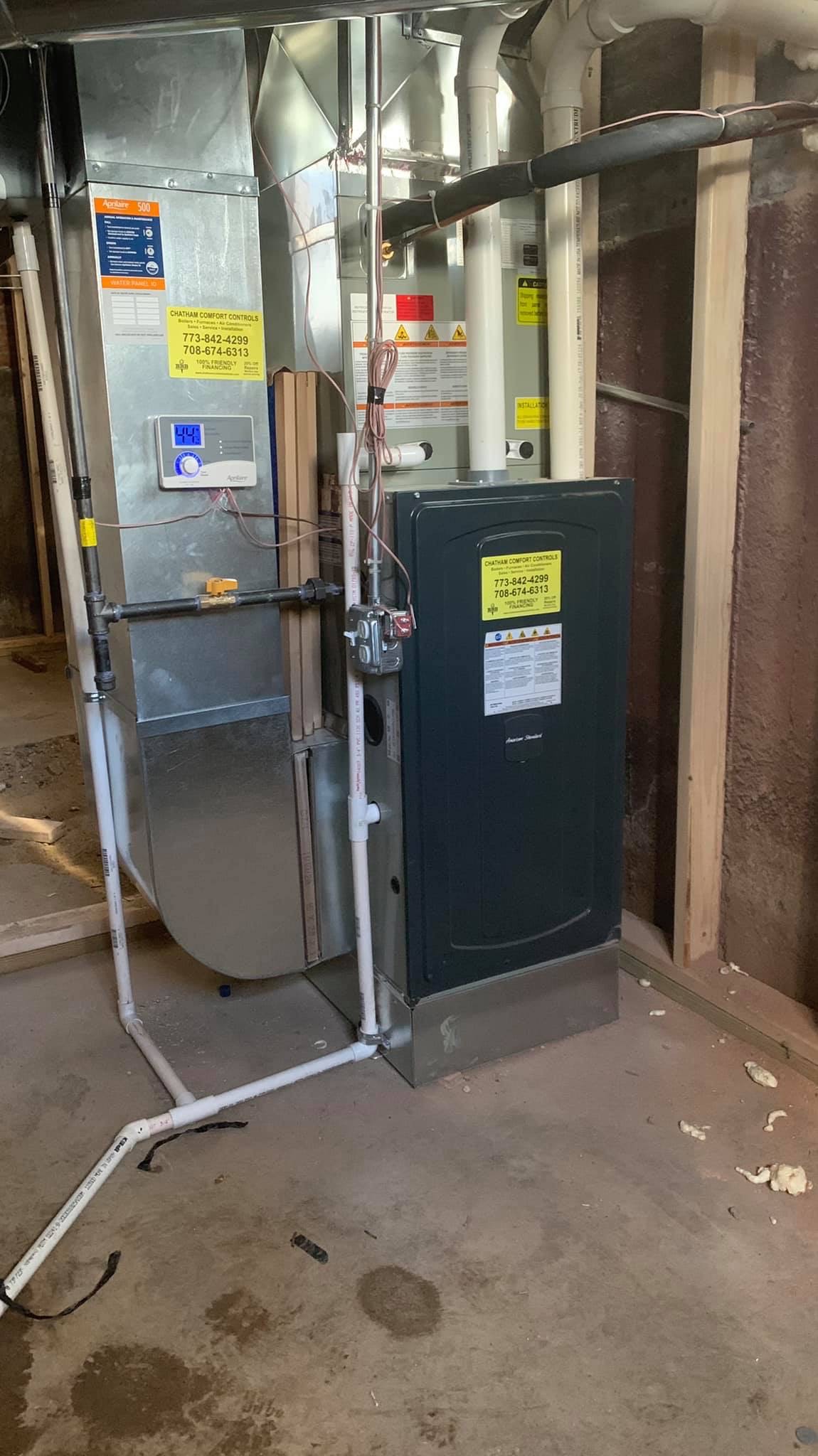
A furnace that hums but fails to produce heat often has multiple underlying causes. Chicago homeowners face unique challenges due to extreme temperature swings. Understanding these common issues helps you diagnose problems faster.
Incorrect Thermostat Settings or Miscommunication
Your thermostat might be set to "fan only" instead of "heat" mode. This simple oversight causes the blower to run without activating the burners. Smart thermostats sometimes lose their programming after power outages. Check that your temperature setting exceeds the current room temperature by at least two degrees.
Dirty Furnace Air Filter Restricting Airflow
A clogged filter forces your furnace to work harder and creates strain on the blower motor. According to Energy.gov, replacing a dirty filter can lower energy consumption by 5% to 15%. Chicago homes with pets or older construction need filter changes every 30 to 60 days during peak heating season.
Power Loss from a Tripped Circuit Breaker
Furnaces require consistent electrical power to operate all components. A tripped breaker might allow the fan to run while cutting power to the ignition system. Check your electrical panel for any switches in the middle position. Reset the breaker fully by switching it off first, then back on.
Pilot Light or Ignition System Not Operating
Older furnaces use standing pilot lights that can blow out during strong Chicago winds. Modern systems use electronic ignition that can fail due to dirty components. A humming sound without heat often indicates the blower runs while the ignition system struggles.
Gas Supply Problems or Low Gas Pressure
Your gas valve might be partially closed or malfunctioning. Low gas pressure from your utility company affects furnace performance during peak demand periods. Chicago winters create high demand that occasionally strains the gas supply infrastructure.
Blocked or Closed Supply Vents or Return Registers
Furniture, rugs, or closed dampers restrict airflow throughout your home. This restriction causes the furnace to overheat and shut down prematurely. Walk through your home and ensure all vents remain open and unobstructed.
Why Your Furnace Runs but Only Blows Cold Air
A running furnace that produces cold air frustrates Chicago homeowners during freezing weather. Several mechanical and operational factors cause this problem. Identifying the specific cause saves time and money on repairs.
Furnace Needs Warm Up Time After Startup
Most furnaces delay blower activation until the heat exchanger reaches proper temperature. This delay prevents cold air from circulating through your home. Wait three to five minutes after startup before expecting warm air from your vents.
Overheating Caused by a Tripped High Limit Switch
The high limit switch protects your furnace from dangerous overheating conditions. When triggered, it shuts down the burners while allowing the blower to continue running. Restricted airflow from dirty filters commonly causes this safety shutdown.
Burner Ignites but Shuts Off Shortly After
A dirty flame sensor fails to detect the burner flame properly. The furnace control board shuts down gas flow as a safety precaution. This cycle repeats, creating intermittent heating and a persistent humming from the blower motor.
Undersized Furnace Struggling to Heat the Home
Chicago's older homes sometimes have furnaces that cannot meet heating demands. An undersized unit runs constantly without reaching the thermostat setpoint. The Department of Energy recommends proper sizing based on Manual J calculations for optimal performance.
Simple Furnace Troubleshooting Steps for Homeowners
Many humming furnace issues have simple solutions you can handle yourself. These steps address the most common causes of furnace noise and heating problems. Always prioritize safety when working around your heating system.
Check and Reset the Thermostat
Remove your thermostat cover and check for dust buildup on sensors. Replace batteries in wireless models to ensure proper communication. Set the system to heat mode with the fan on "auto" rather than "on" for normal operation.
Inspect and Replace a Dirty Furnace Filter
Locate your filter in the return air duct or furnace cabinet. Hold the filter up to light to check for blockage. A filter you cannot see through needs immediate replacement. Stock up on filters during fall to avoid emergency trips during cold snaps.
Reset Any Tripped Electrical Breaker
Find your furnace breaker in the main electrical panel. Switch it completely off, wait 30 seconds, then switch it back on. This reset clears minor electrical faults that cause operational problems.
Relight the Pilot Light on Gas Furnaces
Follow the instructions printed on your furnace access panel. Turn the gas valve to "pilot" and hold the reset button while lighting. Keep the button pressed for 30 seconds after the pilot ignites. Modern furnaces with electronic ignition do not have pilot lights to relight.
Ensure All Vents and Registers Are Fully Open
Check every room in your home for closed or blocked vents. Open all dampers in your ductwork to maximum airflow. Closing vents to unused rooms actually increases system strain and noise.
Mechanical or Technical Furnace Issues That Require Attention
Some furnace problems require professional diagnosis and repair. These issues involve components that affect safety and system longevity. Chicago comfort hvac technicians encounter these problems regularly during winter service calls.
Dirty Flame Sensor Preventing Proper Ignition
The flame sensor verifies that gas ignites properly in the combustion chamber. Carbon buildup on this sensor causes false readings and system shutdowns. Professional cleaning costs between $80 and $150 and restores proper operation quickly.
Faulty High Limit Switch Causing Shutdown
A malfunctioning limit switch triggers unnecessary shutdowns even without overheating. Replacement costs range from $150 to $300 including labor. This repair prevents repeated cycling that damages other furnace components.
Blower Motor Malfunction or Failure
The blower motor creates the humming sound you hear during operation. Worn bearings, failing capacitors, or motor windings cause abnormal noise levels. Motor replacement costs between $400 and $600 for most residential furnaces in Chicago.
Clogged Burners or a Malfunctioning Gas Valve
Dirty burners produce uneven flames and incomplete combustion. Gas valve problems affect fuel delivery and create operational inconsistencies. These repairs require licensed technicians due to gas safety concerns.
Frozen Condensate Line or Blocked Drain in Winter Conditions
High-efficiency furnaces produce condensation that drains through plastic tubing. Chicago's freezing temperatures can ice these lines and trigger system shutdowns. Insulating exposed condensate lines prevents this common winter problem.
Leaking or Damaged Ductwork Reducing Heat Delivery
According to Energy Star, typical homes lose 20% to 30% of heated air through duct leaks. Damaged ducts force your furnace to work harder and run longer. Professional duct sealing improves comfort and reduces energy costs.
Faulty Control Board or Electrical Components
The control board manages all furnace operations and safety systems. Electrical surges and component age cause board failures. Replacement costs range from $300 to $600 depending on your furnace model.
How Chicago's Winter Climate Impacts Furnace Performance
Chicago's climate creates unique challenges for residential heating systems. Temperature swings from mild to subzero stress furnace components significantly. The city's lakefront location adds humidity and wind factors that affect system operation.
Furnaces in Chicago run more hours annually than units in milder climates. This extended operation accelerates wear on motors, bearings, and electrical components. The National Weather Service reports Chicago averages 28 days below freezing each winter season.
Older Chicago homes often have inadequate insulation that increases heating demands. Two-flats and bungalows built before 1950 require furnaces to work harder. Upgrading insulation reduces furnace strain and extends equipment life.
Key Takeaways
- Humming furnace noise typically indicates motor, electrical, or loose component issues
- Dirty filters cause most preventable furnace problems in Chicago homes
- DIY troubleshooting can resolve many common heating issues safely
- Professional repair costs range from $80 to $600 depending on the problem
- Chicago's extreme winters accelerate furnace wear and component failure
- Annual maintenance prevents most emergency heating repairs
- Duct leaks waste up to 30% of your heated air
When to Call a Professional HVAC Technician in Chicago
Some furnace problems exceed safe DIY repair limits. Professional technicians have tools and training to diagnose complex issues accurately. Knowing when to call for help protects your safety and your equipment.
When DIY Troubleshooting Does Not Restore Heat
If basic troubleshooting fails to resolve your heating problem, professional diagnosis is needed. Continuing to operate a malfunctioning furnace risks further damage. Chicago comfort hvac offers same-day diagnostic services during heating emergencies.
For Complicated Gas or Electrical Furnace Repairs
Gas leaks and electrical faults create serious safety hazards. Licensed technicians carry proper equipment to detect and repair these issues safely. Never attempt gas line repairs or electrical work without proper training and certification.
Importance of Safe and Accurate Diagnostics in Harsh Chicago Winters
Misdiagnosis leads to unnecessary repairs and continued discomfort. Professional technicians use diagnostic tools that identify root causes accurately. Proper diagnosis the first time saves money and restores heat faster.
Preventative Furnace Maintenance Tips for Chicago Homeowners
Regular maintenance prevents most furnace problems before they cause discomfort. Chicago homeowners benefit from seasonal preparation for extreme weather. These simple steps keep your heating system running quietly and efficiently.
Schedule professional maintenance before each heating season begins. Technicians clean components, check safety systems, and identify worn parts. This service typically costs between $80 and $150 and prevents costly emergency repairs.
Change your furnace filter monthly during peak heating season. Mark your calendar or set phone reminders to maintain this schedule. Clean filters reduce motor strain and eliminate many causes of abnormal furnace noise.
Keep the area around your furnace clear of storage items and debris. Furnaces need adequate airflow for safe combustion and cooling. Maintain at least three feet of clearance on all sides of your equipment.
Listen for changes in your furnace sounds throughout the winter. New noises often indicate developing problems that worsen over time. Early attention to unusual sounds prevents breakdowns during the coldest weather.
Conclusion
Humming furnace noise signals problems ranging from simple filter issues to complex motor failures. Chicago homeowners face unique challenges due to extreme winter conditions. Understanding common causes helps you respond appropriately to heating problems.
Chicago comfort hvac provides expert diagnosis and repair for all furnace issues. Our technicians understand the specific demands Chicago winters place on heating equipment. We offer transparent pricing and honest recommendations for every service call.
We help Chicago homeowners maintain comfortable, quiet homes throughout the heating season. Contact us today for professional furnace service that restores peace and warmth. Your comfort is our priority.
FAQs
Why Does My Furnace Hum but Not Turn On?
A humming furnace that fails to start typically has a faulty capacitor or stuck blower motor. The capacitor provides the electrical boost needed to start the motor. Replacement costs between $150 and $300 and restores normal operation.
Is a Humming Furnace Dangerous?
Most humming noises indicate minor issues that do not pose immediate danger. However, persistent humming combined with burning smells requires immediate professional attention. Turn off your furnace and call a technician if you detect unusual odors.
How Much Does It Cost to Fix a Humming Furnace in Chicago?
Repair costs range from $80 for simple cleaning to $600 for motor replacement. The average humming furnace repair in Chicago costs between $150 and $350. Diagnostic fees typically apply toward repair costs if you proceed with service.
Can I Fix a Humming Furnace Myself?
Some causes of furnace humming have DIY solutions like filter replacement or breaker resets. Motor and electrical repairs require professional training and tools. Attempting complex repairs without experience risks injury and equipment damage.
Why Does My Furnace Hum Loudly at Night?
Nighttime humming seems louder due to reduced ambient noise in your home. Temperature drops at night also increase furnace run time and motor strain. Loose mounting brackets or worn motor bearings amplify vibration noise.
How Often Should I Service My Furnace to Prevent Noise Issues?
Annual professional maintenance prevents most noise-related furnace problems. Schedule service in early fall before the heating season begins. Monthly filter changes between professional visits maintain optimal airflow and reduce motor strain.
What Causes a Transformer to Hum in My Furnace?
Furnace transformers hum due to electromagnetic vibration in their core. Loose mounting or failing components increase this normal sound. Transformer replacement costs between $100 and $200 if the noise becomes excessive.
Follow a maintenance program
Ante gravida id aenean quis egestas risus nam amet nullam leo diam diam aliquam eu eu malesuada arcu rhoncus suspendisse nulla mattis ut amet sagittis in justo egestas.

search for a trusted mechanic
Lorem ipsum dolor sit amet, consectetur adipiscing elit lobortis arcu enim urna adipiscing praesent velit viverra sit semper lorem eu cursus vel hendrerit elementum morbi curabitur etiam nibh justo, lorem aliquet donec sed sit mi dignissim at ante massa mattis.
- Neque sodales ut etiam sit amet nisl purus non tellus orci ac auctor
- Adipiscing elit ut aliquam purus sit amet viverra suspendisse potent
- Mauris commodo quis imperdiet massa tincidunt nunc pulvinar
- Excepteur sint occaecat cupidatat non proident sunt in culpa qui officia
Check the air pressure in your tires
Vitae congue eu consequat ac felis placerat vestibulum lectus mauris ultrices cursus sit amet dictum sit amet justo donec enim diam porttitor lacus luctus accumsan tortor posuere praesent tristique magna sit amet purus gravida quis blandit turpis.
Review your suspension frequently
At risus viverra adipiscing at in tellus integer feugiat nisl pretium fusce id velit ut tortor sagittis orci a scelerisque purus semper eget at lectus urna duis convallis. porta nibh venenatis cras sed felis eget neque laoreet suspendisse interdum consectetur libero id faucibus nisl donec pretium vulputate sapien nec sagittis aliquam nunc lobortis mattis aliquam faucibus purus in.
- Neque sodales ut etiam sit amet nisl purus non tellus orci ac auctor
- Adipiscing elit ut aliquam purus sit amet viverra suspendisse potent
- Mauris commodo quis imperdiet massa tincidunt nunc pulvinar
- Excepteur sint occaecat cupidatat non proident sunt in culpa qui officia
Service your vehicle as regularly as posible
At risus viverra adipiscing at in tellus integer feugiat nisl pretium fusce id velit ut tortor sagittis orci a scelerisque purus semper eget at lectus urna duis convallis. porta nibh venenatis cras sed felis eget neque laoreet suspendisse interdum consectetur libero id faucibus nisl donec pretium vulputate sapien nec sagittis aliquam nunc lobortis mattis aliquam faucibus purus in.
“Nisi quis eleifend quam adipiscing vitae aliquet bibendum enim facilisis gravida neque velit euismod in pellentesque”
Conclusion
Eget lorem dolor sed viverra ipsum nunc aliquet bibendum felis donec et odio pellentesque diam volutpat commodo sed egestas aliquam sem fringilla ut morbi tincidunt augue interdum velit euismod eu tincidunt tortor aliquam nulla facilisi aenean sed adipiscing diam donec adipiscing ut lectus arcu bibendum at varius vel pharetra nibh venenatis cras sed felis eget.