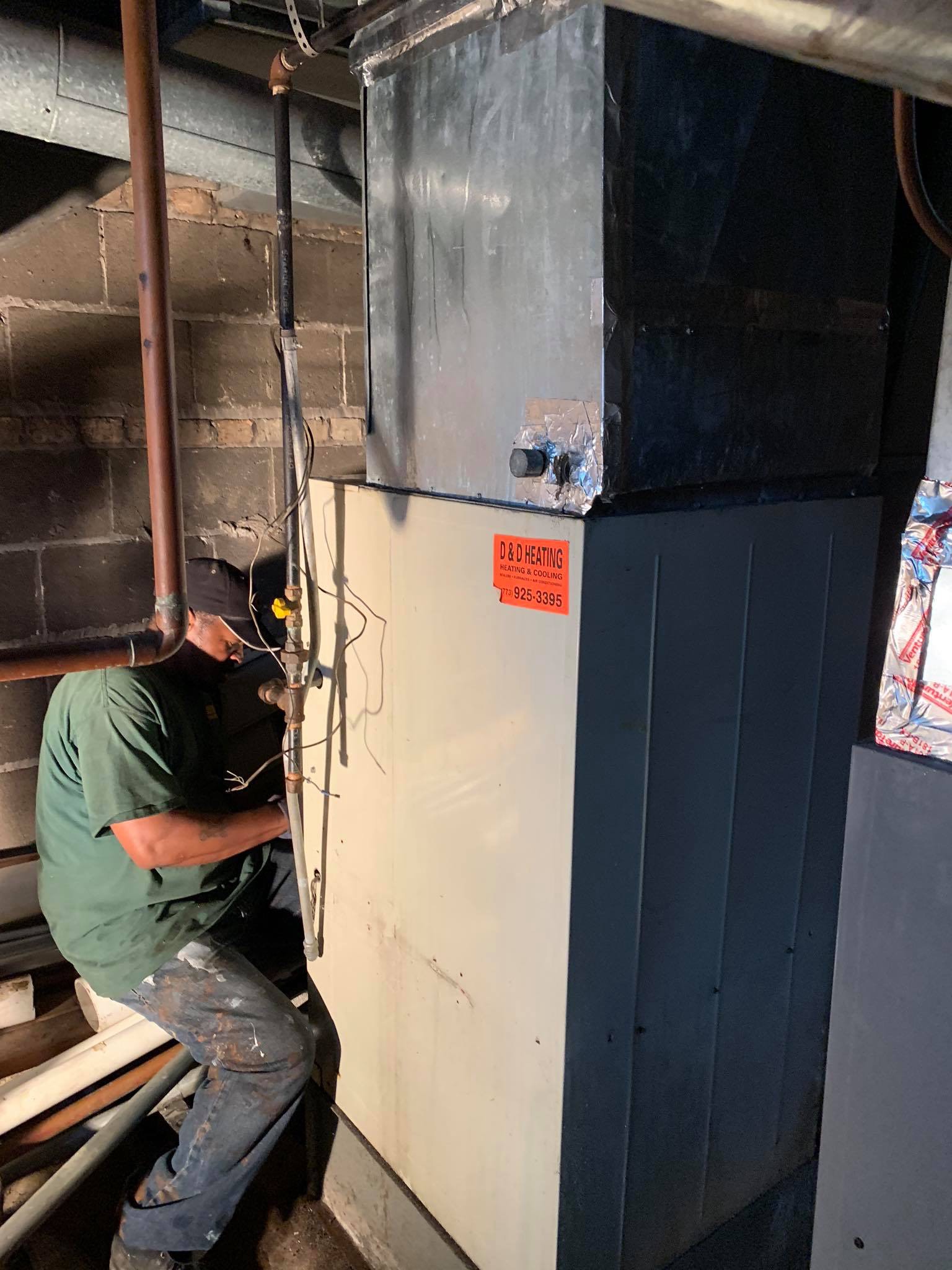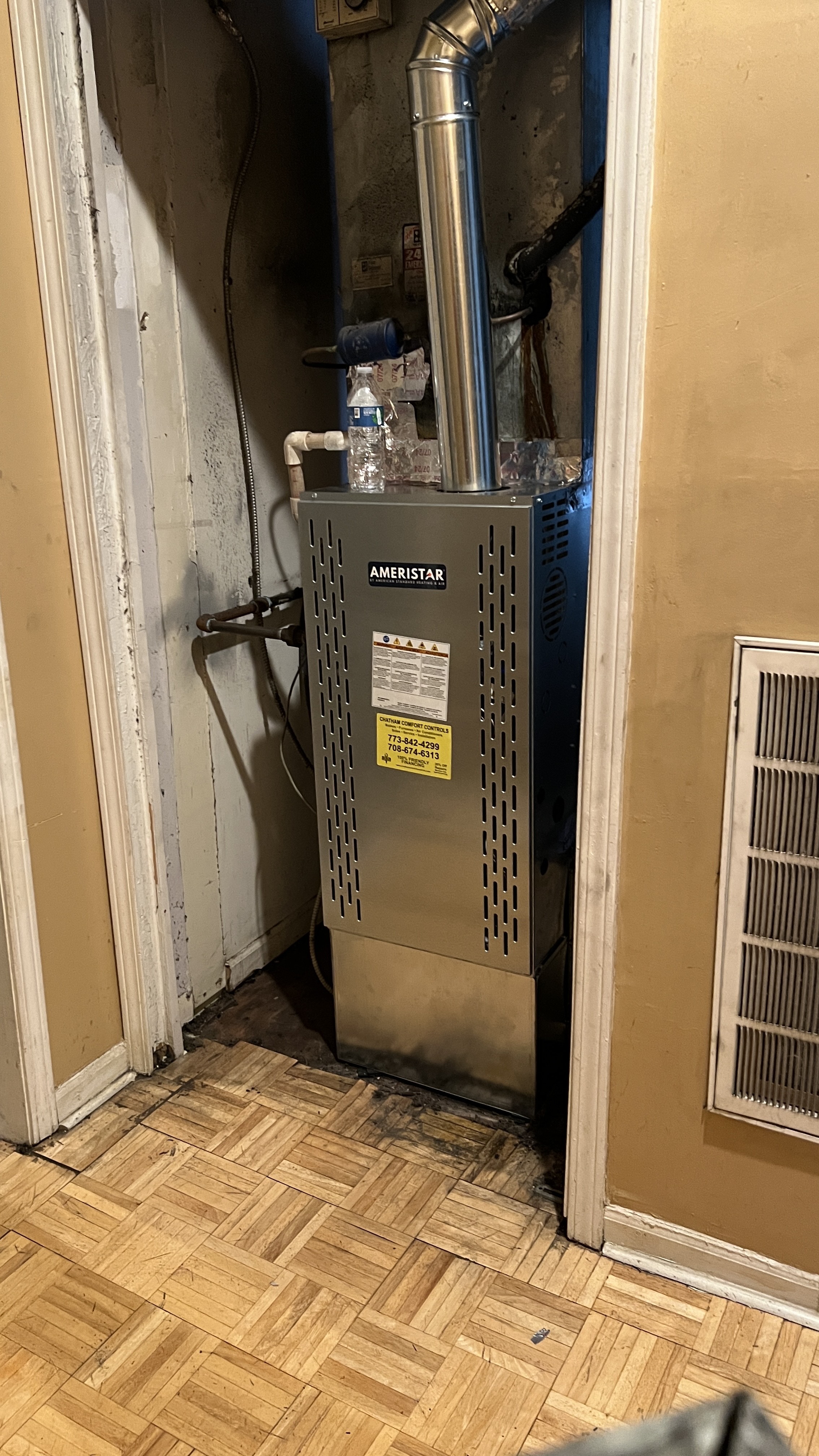
Annual furnace maintenance includes cleaning burners, inspecting heat exchangers, replacing filters, lubricating moving parts, and testing safety controls. These core components keep your heating system running safely and efficiently through Chicago's brutal winters. Skipping even one step can lead to breakdowns, higher bills, or dangerous carbon monoxide leaks.
Chicago homeowners face unique challenges. Your furnace works harder and longer than systems in milder climates. That extra strain makes professional tune-ups essential for protecting your investment.
In this blog, we will explain the components of furnace maintenance and how each step saves you money. You will learn what technicians check, why timing matters, and when to call for help.
Key Benefits of Annual Furnace Maintenance for Chicago Homeowners
Regular maintenance delivers measurable returns on a modest investment. Most Chicago homeowners spend between $80 and $150 on annual tune-ups. That small cost prevents repairs that often exceed $500.
Increased Energy Efficiency and Lower Utility Bills
A well-maintained furnace uses less fuel to heat your home. Dirty burners and clogged filters force the system to work harder. According to the U.S. Department of Energy, proper maintenance can reduce energy consumption by 5% to 15%. For Chicago households paying $150 monthly for winter heating, that translates to real savings.
Clean components transfer heat more effectively. Your system cycles less frequently. Both factors lower your utility costs throughout the heating season.
Prevention of Costly Furnace Breakdowns
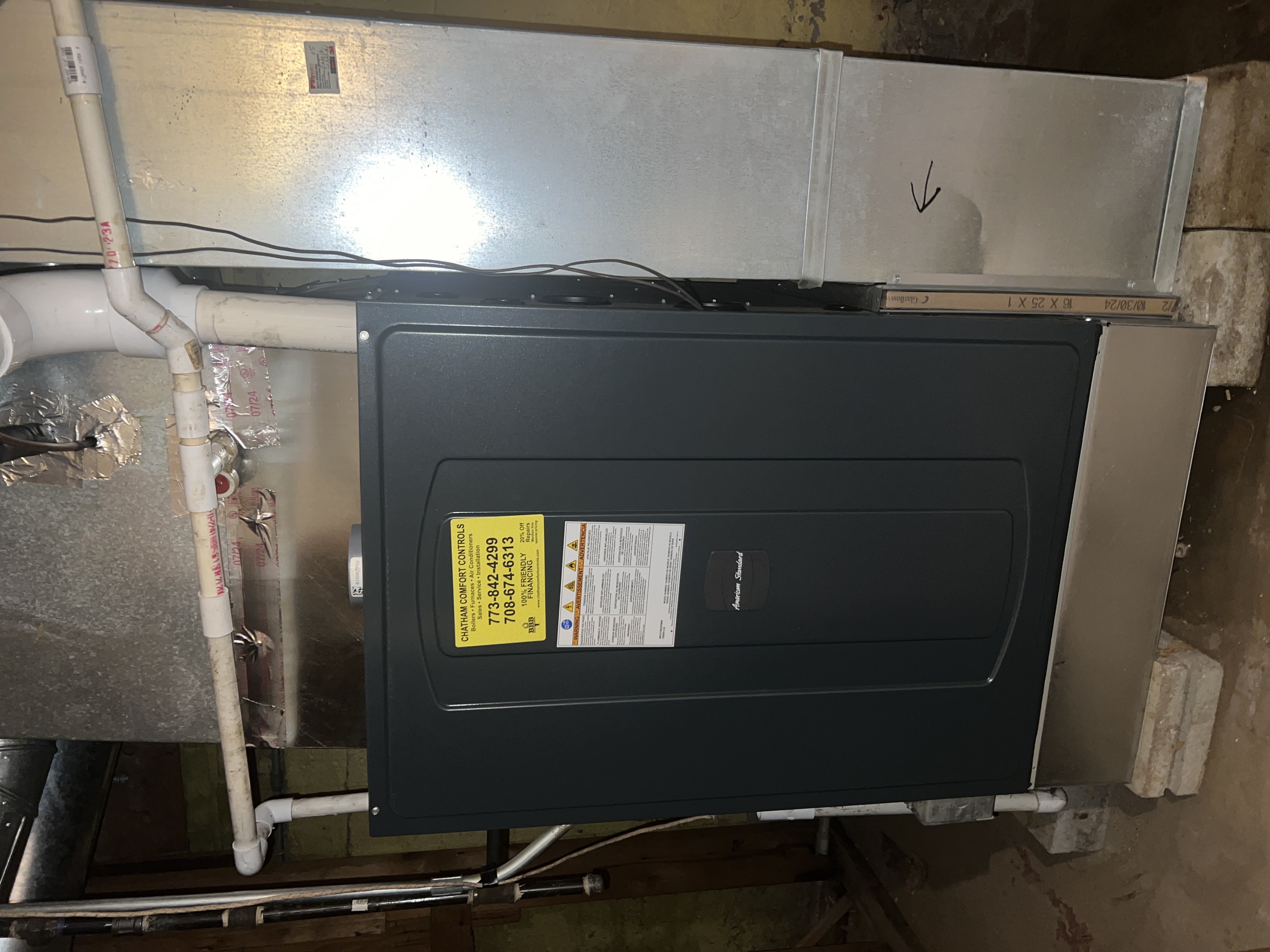
Most emergency furnace repairs happen during extreme cold. Technicians charge premium rates for after-hours calls. Parts may not be available immediately. You could wait days for heat in freezing temperatures.
Annual inspections catch worn parts before they fail. Technicians spot cracked belts, failing igniters, and loose connections. Replacing a $20 capacitor during a tune-up beats paying $400 for an emergency visit.
Extending the Lifespan of Your Heating System
The average furnace lasts 15 to 20 years with proper care. Neglected systems often fail within 10 to 12 years. That difference represents thousands of dollars in premature replacement costs.
Lubrication reduces friction on motors and bearings. Clean burners prevent overheating. Proper airflow keeps the heat exchanger from cracking. Each maintenance task adds years to your equipment.
Enhanced Safety Through Professional Inspections
Furnaces burn natural gas to produce heat. That combustion process creates carbon monoxide. A cracked heat exchanger or blocked vent can allow CO to enter your living space.
Professional technicians test for gas leaks and CO levels. They inspect flue pipes and verify proper venting. These safety checks protect your family from invisible dangers.
Keeping Your Manufacturer Warranty Valid
Most furnace warranties require annual professional maintenance. Skip a year, and you may void your coverage. That $3,000 heat exchanger replacement becomes your responsibility.
Keep all service records. Provide them if you ever file a warranty claim. Chicago Comfort HVAC documents every visit for your protection.
What to Expect During a Professional Furnace Tune-Up
A thorough tune-up takes 60 to 90 minutes and covers multiple system components. Knowing what technicians check helps you understand the value of professional service.
Thorough Cleaning of Burners and System Components
Burners accumulate dust, rust, and debris over time. Dirty burners produce uneven flames and incomplete combustion. Technicians remove burners, clean them, and inspect for corrosion.
The blower assembly also collects dust. A dirty blower moves less air and strains the motor. Cleaning restores proper airflow and reduces energy consumption.
Inspecting the Heat Exchanger for Cracks or Damage
The heat exchanger is your furnace's most critical safety component. It separates combustion gases from your home's air supply. Cracks allow carbon monoxide to leak into your ductwork.
Technicians use cameras and specialized tools to inspect exchanger surfaces. They look for rust, corrosion, and stress cracks. Finding damage early prevents dangerous CO exposure.
Evaluating and Replacing the Air Filter if Needed
Clogged filters restrict airflow and force your system to work harder. They also allow dust to reach internal components. Most filters need replacement every 30 to 90 days during heating season.
Technicians check filter condition and recommend the right replacement. They consider your home's air quality needs and system specifications. Using the wrong filter can damage your equipment.
Lubrication of Key Mechanical Parts
Motors, bearings, and fan shafts need proper lubrication. Metal-on-metal friction generates heat and accelerates wear. Dry bearings can seize and destroy motors.
Technicians apply manufacturer-specified lubricants to all moving parts. This simple step prevents expensive motor replacements. It also reduces operating noise.
Calibrating the Thermostat and Checking Electrical Connections
An inaccurate thermostat wastes energy and creates comfort problems. Technicians verify temperature readings and adjust calibration. They also test programmable features and battery backup.
Loose electrical connections cause intermittent failures and fire hazards. Technicians tighten all terminals and inspect wiring for damage. They test voltage and amperage at key points.
Ensuring Proper Airflow and Safe Venting
Blocked vents and restricted ductwork reduce heating efficiency. They also create safety hazards. Technicians measure airflow at supply and return registers.
Flue pipes must vent combustion gases safely outside. Technicians check for blockages, corrosion, and proper slope. They verify that exhaust exits your home completely.
Why Annual Furnace Maintenance Matters More in Chicago, IL
Chicago's climate creates unique demands on heating equipment. Your furnace works harder here than in most American cities.
Intense Winter Use and Prolonged Heating Seasons
Chicago's heating season typically runs from October through April. That's six to seven months of continuous furnace operation. According to the National Weather Service, Chicago averages 2,800 heating degree days annually, ranking among the coldest major U.S. cities.
Your furnace may run 2,000 hours or more each winter. Compare that to 800 hours in Atlanta or Dallas. More operating hours mean faster wear on every component.
Cold Spikes That Put Extra Stress on Furnace Parts
Polar vortex events push temperatures well below zero. Your furnace runs continuously during these cold snaps. It never gets a chance to rest or cool down.
Extended run cycles stress motors, igniters, and heat exchangers. Components that might last years in mild climates fail faster here. Annual maintenance identifies parts nearing the end of their service life.
Carbon Monoxide Risks in Airtight Chicago Homes
Many Chicago homes have been weatherized for energy efficiency. Tight building envelopes reduce drafts and lower heating costs. They also trap indoor air pollutants, including carbon monoxide.
Older Chicago homes may have inadequate combustion air supplies. Modern furnaces need fresh air to burn fuel safely. Technicians verify that your system has proper ventilation.
What Happens If You Skip Yearly Furnace Maintenance
Neglecting maintenance creates compounding problems that grow more expensive over time. Small issues become major failures.
Greater Risk of Mid-Winter System Failures
Furnaces rarely fail during mild weather. They break down when you need them most. A failed igniter on a January night means a cold house and an emergency service call.
Emergency repairs cost 50% to 100% more than scheduled service. Parts may require overnight shipping. You might need temporary heating while waiting for repairs.
Decreased Energy Efficiency and Higher Heating Costs
Dirty systems consume more fuel to produce the same heat output. Efficiency drops gradually, so you may not notice immediately. Your utility bills creep higher each month.
A furnace rated at 95% efficiency might operate at 80% when neglected. That 15% difference adds up over a Chicago winter. You're paying for heat that never reaches your living space.
Faster Wear and Premature Equipment Replacement
Every component in your furnace has a service life. Proper maintenance extends that life. Neglect shortens it dramatically.
Replacing a furnace costs $4,000 to $8,000 or more in Chicago. Getting 20 years instead of 12 years from your equipment saves thousands. Annual tune-ups are the cheapest insurance available.
Increased Safety Hazards Including CO Leaks
Carbon monoxide is odorless and colorless. You cannot detect it without proper equipment. The CDC reports that over 400 Americans die from unintentional CO poisoning each year.
Cracked heat exchangers and blocked vents are leading causes. Both conditions develop gradually and worsen without maintenance. Professional inspections catch these hazards before they become deadly.
Risk of Losing Manufacturer Warranty Coverage
Warranty terms are specific and enforceable. Most require documented annual maintenance by a licensed technician. DIY service or skipped years can void your coverage.
A heat exchanger replacement under warranty costs nothing. Without warranty coverage, you might pay $2,000 to $3,500. Keep your maintenance records organized and accessible.
Do New Furnaces in Chicago Still Require Maintenance?
Yes, new furnaces need annual maintenance from the first year of operation. Age does not determine maintenance requirements.
Why High-Efficiency Units Still Need Annual Service
High-efficiency furnaces have more components than standard models. They include secondary heat exchangers, condensate drains, and sophisticated controls. Each component requires inspection and cleaning.
Condensing furnaces produce acidic condensate that can corrode drain lines. Blocked drains cause water damage and system shutdowns. Annual service prevents these problems.
Maintenance Requirements Set by Furnace Manufacturers
Every major manufacturer requires annual professional maintenance. Carrier, Lennox, Trane, and Rheem all include this requirement in warranty terms. The language is clear and consistent.
New equipment often comes with 10-year parts warranties. Those warranties become worthless without documented maintenance. Protect your investment from day one.
Chicago Climate Conditions That Increase Furnace Maintenance Needs
Local environmental factors create additional stress on heating equipment. Chicago presents challenges that other cities don't share.
Longer Heating Seasons and Extended Run Times
Your furnace operates more hours per year than systems in warmer regions. More operating hours mean more wear on every component. Filters clog faster. Bearings wear sooner.
Plan for more frequent filter changes during peak heating months. Check filters monthly from November through March. Replace them whenever they appear dirty.
Moisture and Humidity from Lake Michigan Impacting Components
Lake Michigan influences Chicago's humidity levels year-round. Moisture accelerates corrosion on metal components. It promotes mold growth in ductwork and around equipment.
Technicians inspect for rust and corrosion during annual visits. They check condensate drains and humidity levels. Addressing moisture issues protects your equipment and indoor air quality.
Ventilation Issues in Chicago's Older Residential Structures
Many Chicago homes date from the early 1900s. Original construction didn't anticipate modern high-efficiency furnaces. Chimney flues may be oversized or deteriorated.
Older homes often lack dedicated combustion air supplies. Modern furnaces need fresh air to operate safely. Technicians evaluate ventilation and recommend improvements when needed.
Warning Signs That Your Furnace Needs Immediate Service
Certain symptoms indicate problems that cannot wait for scheduled maintenance. Call for service if you notice any of these warning signs.
Strange noises signal mechanical problems. Banging, squealing, or grinding sounds indicate failing components. Ignoring these sounds leads to complete breakdowns.
Yellow or flickering burner flames suggest combustion problems. Healthy flames burn blue and steady. Yellow flames may indicate carbon monoxide production.
Frequent cycling wastes energy and stresses components. Your furnace should run in consistent cycles. Short cycling often indicates thermostat or airflow problems.
Uneven heating throughout your home points to distribution issues. Some rooms too hot while others stay cold suggests ductwork or blower problems.
Rising utility bills without explanation indicate declining efficiency. Compare your bills to previous years. Significant increases warrant professional evaluation.
How Annual Furnace Maintenance Saves Money in Chicago
Maintenance costs are predictable and manageable. Repairs and replacements are not.
Preventing Expensive Emergency Repairs
Emergency service calls typically cost $150 to $300 just for the visit. Parts and labor add hundreds more. Weekend and holiday rates increase costs further.
Scheduled maintenance catches problems early. Replacing a worn part during a tune-up costs a fraction of emergency repair. You also avoid the stress and discomfort of unexpected breakdowns.
Boosting Fuel Efficiency in Gas Heating Systems
Natural gas prices fluctuate, but efficiency improvements always save money. A clean, well-tuned furnace extracts maximum heat from every cubic foot of gas.
Chicago Comfort HVAC technicians optimize combustion during every tune-up. They adjust gas pressure and verify proper flame characteristics. These adjustments maximize your heating value.
How Often Should You Schedule Furnace Maintenance in Chicago, IL?
Schedule professional maintenance once per year, ideally in early fall. September and October appointments ensure your system is ready before cold weather arrives.
Fall scheduling offers several advantages. Technicians have more availability before the busy season. You have time to address any issues before you need heat. Prices may be lower during off-peak periods.
Some Chicago homeowners prefer spring maintenance after the heating season ends. This timing allows repairs during warmer months when you don't need the furnace. Either approach works if you maintain consistency.
Homes with older equipment or heavy use may benefit from semi-annual inspections. Ask your technician whether your system needs additional attention.
Key Takeaways
- Annual maintenance includes cleaning, inspection, lubrication, and safety testing
- Chicago's harsh winters create extra stress on furnace components
- Skipping maintenance voids warranties and increases breakdown risk
- New high-efficiency furnaces need service from year one
- Warning signs like strange noises or yellow flames require immediate attention
- Fall scheduling ensures your system is ready before heating season
- Professional tune-ups cost far less than emergency repairs
Conclusion
Furnace maintenance protects your comfort, safety, and budget through Chicago's demanding winters. Each component of a professional tune-up serves a specific purpose. Together, they keep your heating system running efficiently for years.
Chicago Comfort HVAC provides thorough maintenance services with transparent pricing. Our technicians document every visit to protect your warranty coverage. We catch small problems before they become expensive emergencies.
We help Chicago homeowners stay warm without worrying about unexpected breakdowns. Schedule your annual furnace tune-up before the cold arrives. Contact us today for reliable service you can trust.
FAQs
How much does furnace maintenance cost in Chicago?
Most Chicago HVAC companies charge between $80 and $150 for standard furnace maintenance. This includes inspection, cleaning, and minor adjustments. Additional repairs or parts cost extra.
Can I perform furnace maintenance myself?
Homeowners can change filters and keep vents clear. However, professional maintenance requires specialized tools and training. DIY service also voids most manufacturer warranties.
What is the best month to schedule furnace maintenance in Chicago?
September and October are ideal for Chicago furnace maintenance. Scheduling before heating season ensures your system is ready. Technicians also have more availability during these months.
How long does a furnace tune-up take?
A thorough professional tune-up takes 60 to 90 minutes. Complex systems or older equipment may require additional time. Technicians should never rush through safety inspections.
Will maintenance fix my high heating bills?
Maintenance often improves efficiency and lowers bills. However, very old or undersized equipment may need replacement. Your technician can evaluate whether maintenance or replacement makes more sense.
What happens if my heat exchanger is cracked?
A cracked heat exchanger is a serious safety hazard. It can leak carbon monoxide into your home. Most technicians recommend immediate replacement or system shutdown.
How do I know if my furnace maintenance was done correctly?
Request a detailed service report listing all tasks completed. Ask about any concerns the technician found. A reputable company provides documentation and explains their findings clearly.
Follow a maintenance program
Ante gravida id aenean quis egestas risus nam amet nullam leo diam diam aliquam eu eu malesuada arcu rhoncus suspendisse nulla mattis ut amet sagittis in justo egestas.

search for a trusted mechanic
Lorem ipsum dolor sit amet, consectetur adipiscing elit lobortis arcu enim urna adipiscing praesent velit viverra sit semper lorem eu cursus vel hendrerit elementum morbi curabitur etiam nibh justo, lorem aliquet donec sed sit mi dignissim at ante massa mattis.
- Neque sodales ut etiam sit amet nisl purus non tellus orci ac auctor
- Adipiscing elit ut aliquam purus sit amet viverra suspendisse potent
- Mauris commodo quis imperdiet massa tincidunt nunc pulvinar
- Excepteur sint occaecat cupidatat non proident sunt in culpa qui officia
Check the air pressure in your tires
Vitae congue eu consequat ac felis placerat vestibulum lectus mauris ultrices cursus sit amet dictum sit amet justo donec enim diam porttitor lacus luctus accumsan tortor posuere praesent tristique magna sit amet purus gravida quis blandit turpis.
Review your suspension frequently
At risus viverra adipiscing at in tellus integer feugiat nisl pretium fusce id velit ut tortor sagittis orci a scelerisque purus semper eget at lectus urna duis convallis. porta nibh venenatis cras sed felis eget neque laoreet suspendisse interdum consectetur libero id faucibus nisl donec pretium vulputate sapien nec sagittis aliquam nunc lobortis mattis aliquam faucibus purus in.
- Neque sodales ut etiam sit amet nisl purus non tellus orci ac auctor
- Adipiscing elit ut aliquam purus sit amet viverra suspendisse potent
- Mauris commodo quis imperdiet massa tincidunt nunc pulvinar
- Excepteur sint occaecat cupidatat non proident sunt in culpa qui officia
Service your vehicle as regularly as posible
At risus viverra adipiscing at in tellus integer feugiat nisl pretium fusce id velit ut tortor sagittis orci a scelerisque purus semper eget at lectus urna duis convallis. porta nibh venenatis cras sed felis eget neque laoreet suspendisse interdum consectetur libero id faucibus nisl donec pretium vulputate sapien nec sagittis aliquam nunc lobortis mattis aliquam faucibus purus in.
“Nisi quis eleifend quam adipiscing vitae aliquet bibendum enim facilisis gravida neque velit euismod in pellentesque”
Conclusion
Eget lorem dolor sed viverra ipsum nunc aliquet bibendum felis donec et odio pellentesque diam volutpat commodo sed egestas aliquam sem fringilla ut morbi tincidunt augue interdum velit euismod eu tincidunt tortor aliquam nulla facilisi aenean sed adipiscing diam donec adipiscing ut lectus arcu bibendum at varius vel pharetra nibh venenatis cras sed felis eget.