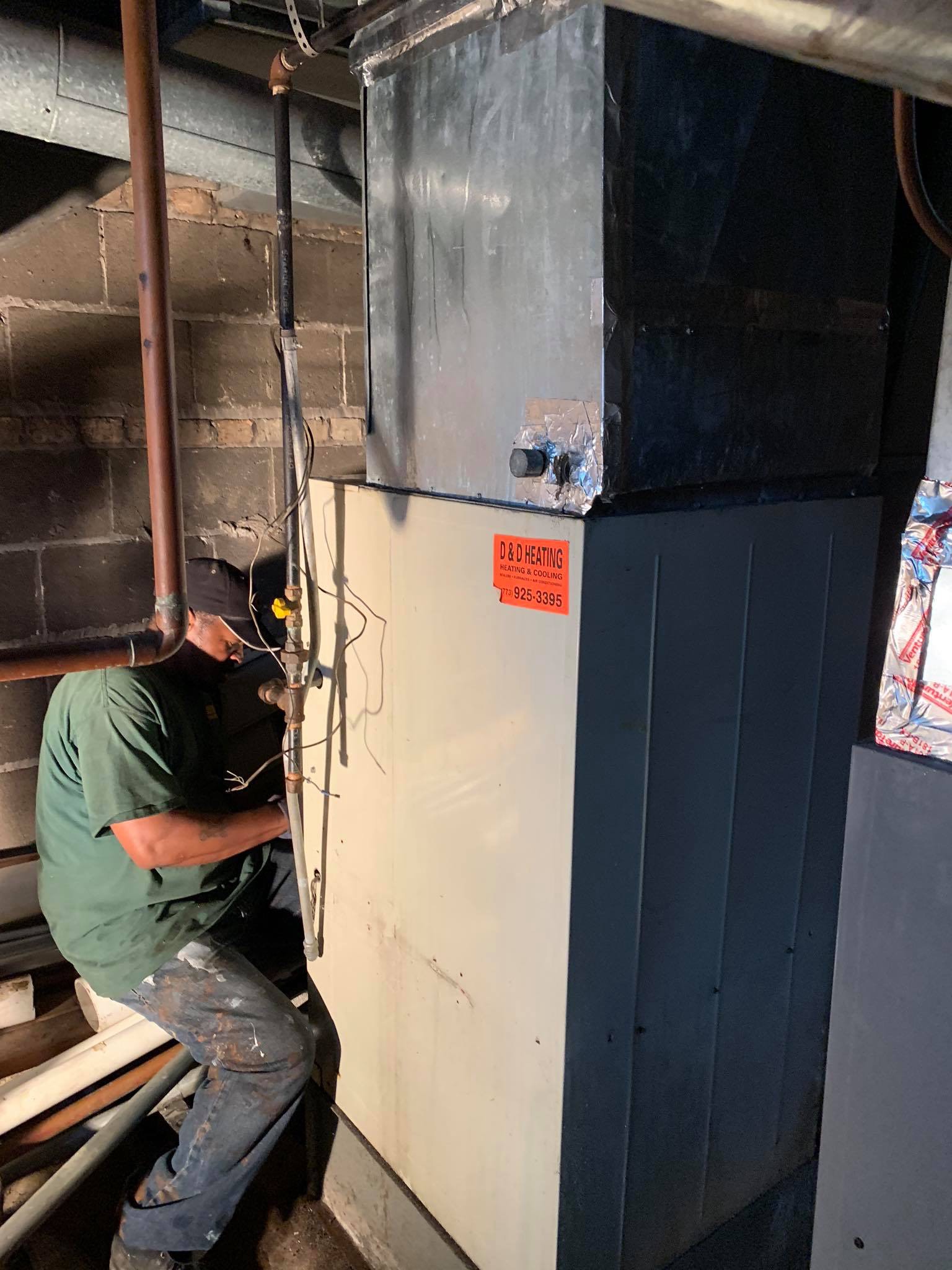
Does a Furnace Really Need Annual Maintenance?
Does a Furnace Really Need Annual Maintenance?
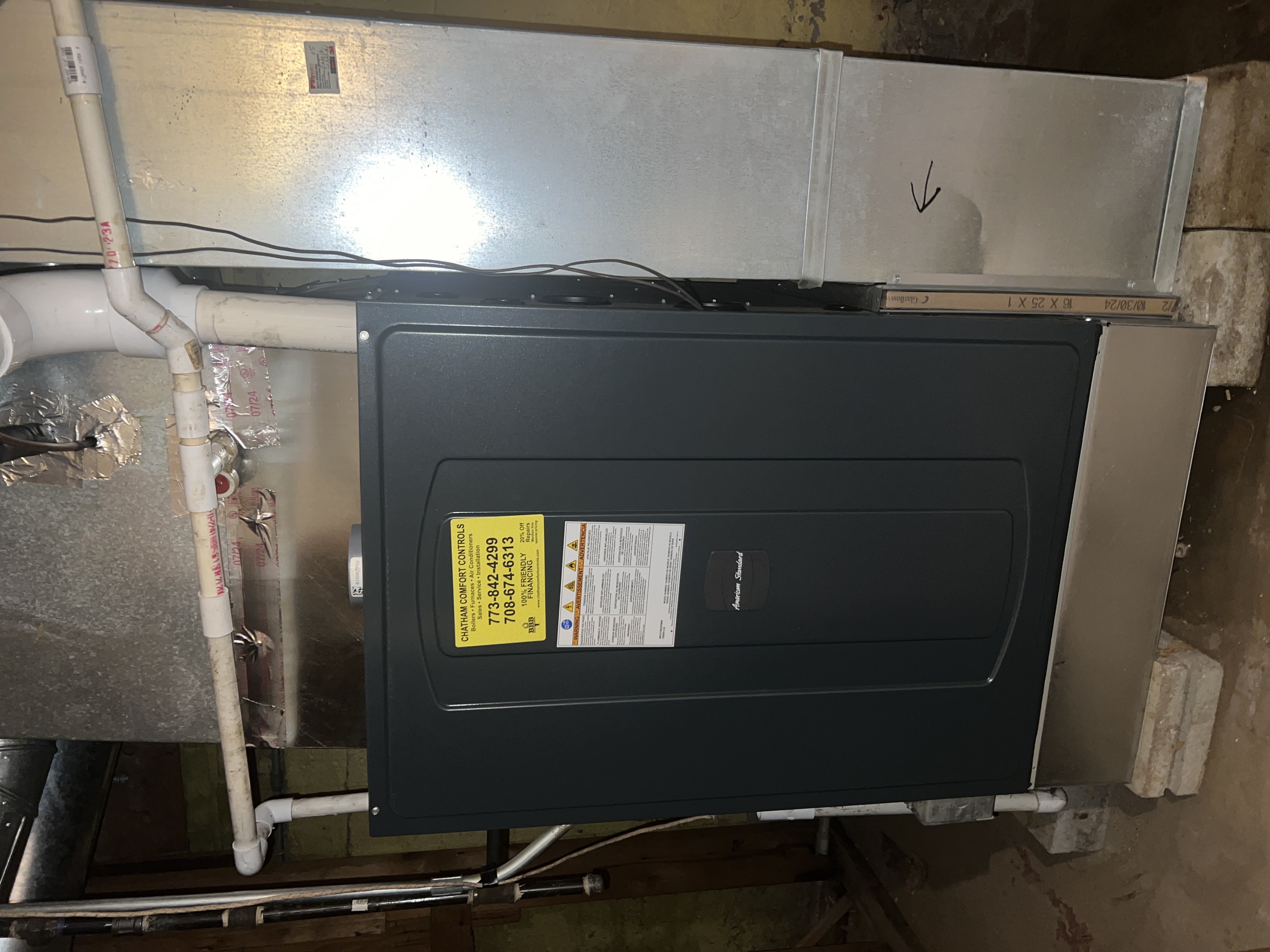
Yes, your furnace needs annual maintenance to run safely, efficiently, and reliably through Chicago's harsh winters. Skipping yearly tune-ups can reduce efficiency by 5% annually and lead to costly breakdowns. Most furnace manufacturers require documented maintenance to keep warranties valid.
Chicago homeowners face unique heating challenges. Our winters demand more from furnaces than most U.S. cities. A well-maintained system protects your investment and keeps your family safe.
In this blog, we will explain why annual furnace maintenance matters and what Chicago homeowners should expect. You will learn about cost savings, safety benefits, and warning signs that indicate your system needs attention.
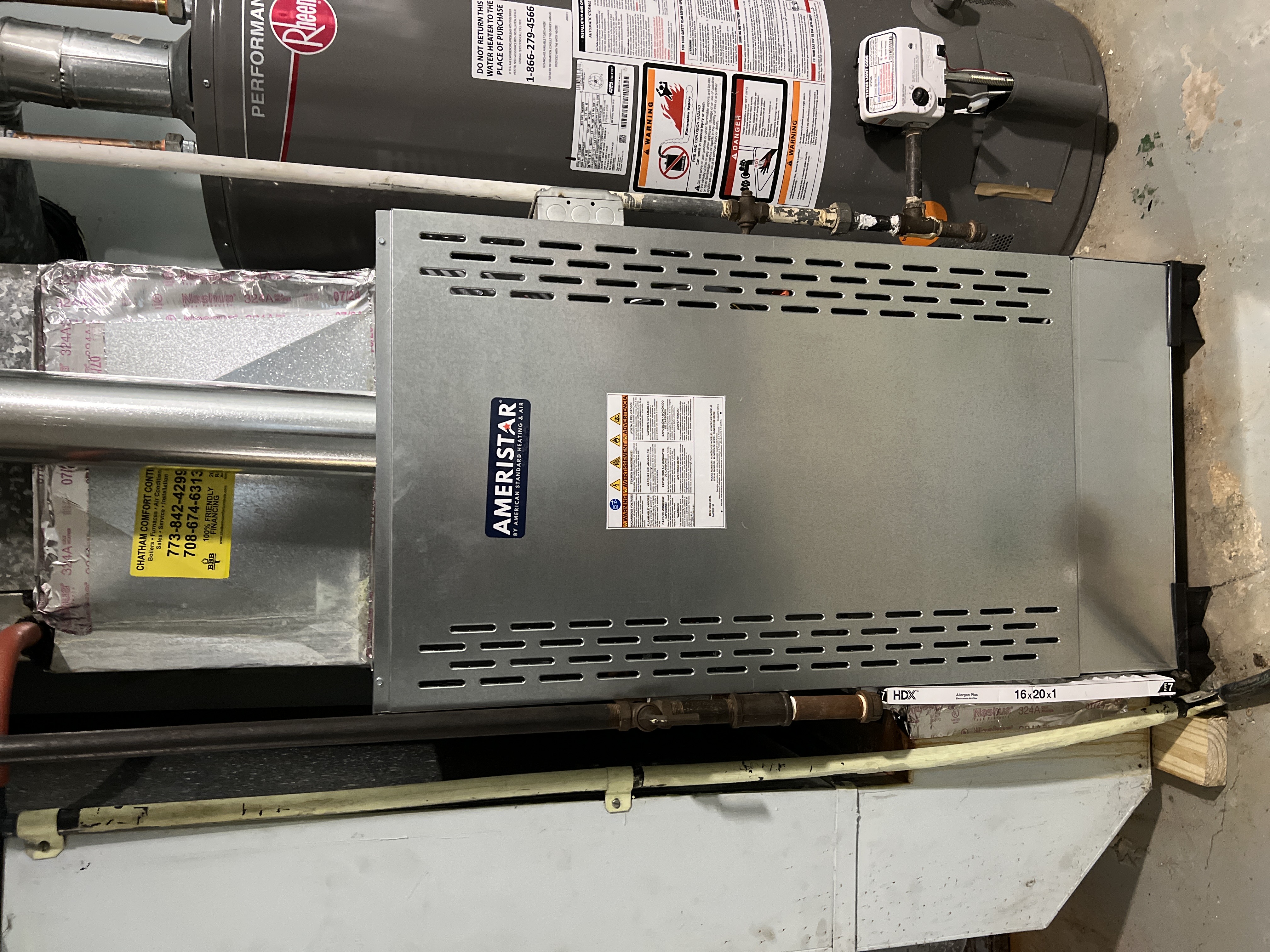
Key Benefits of Annual Furnace Maintenance for Chicago Homeowners
Annual maintenance delivers measurable returns for Chicago homeowners. A professional tune-up catches small problems before they become expensive repairs. Your furnace works harder here than in milder climates. That extra stress makes regular service essential.
Increased Energy Efficiency and Lower Utility Bills
A clean, tuned furnace uses less fuel to heat your home. Dirty burners and clogged filters force your system to work harder. According to the U.S. Department of Energy, regular maintenance can improve efficiency by 5-15%. For Chicago households spending $1,200-$1,800 on winter heating, that translates to real savings.
Prevention of Costly Furnace Breakdowns
Most emergency furnace repairs happen during extreme cold. Technicians find worn parts during routine inspections. Replacing a $15 capacitor during maintenance beats paying $300-$500 for an emergency weekend call. Preventive care keeps your system running when you need it most.
Extending the Lifespan of Your Heating System
The average furnace lasts 15-20 years with proper care. Neglected systems often fail at 10-12 years. Annual maintenance reduces wear on critical components. You protect a $4,000-$8,000 investment with a simple yearly service.
Enhanced Safety Through Professional Inspections
Gas furnaces produce carbon monoxide during combustion. Cracked heat exchangers can leak this deadly gas into your home. Professional technicians test for CO leaks and check gas connections. This safety inspection alone justifies the cost of annual service.
Keeping Your Manufacturer Warranty Valid
Most furnace warranties require annual professional maintenance. Skipping service can void your coverage entirely. A $150 tune-up protects a warranty worth thousands in potential repairs. Always keep service records for warranty claims.
What to Expect During a Professional Furnace Tune-Up
A thorough tune-up takes 60-90 minutes and covers every critical component. Knowing what technicians check helps you understand the value of professional service. Chicago Comfort HVAC follows a comprehensive checklist for every maintenance visit.
Thorough Cleaning of Burners and System Components
Technicians remove and clean burner assemblies. Dust and debris accumulate over months of operation. Clean burners ignite properly and burn fuel efficiently. This step alone can improve heating performance noticeably.
Inspecting the Heat Exchanger for Cracks or Damage
The heat exchanger separates combustion gases from your home's air. Cracks allow carbon monoxide to enter living spaces. Technicians use cameras and visual inspection to check for damage. This safety check is critical for older furnaces.
Evaluating and Replacing the Air Filter if Needed
Clogged filters restrict airflow and strain your blower motor. Most homes need filter changes every 1-3 months during heating season. Technicians check filter condition and recommend the right replacement. Proper filtration protects both your system and indoor air quality.
Lubrication of Key Mechanical Parts
Blower motors and bearings need periodic lubrication. Dry components create friction and wear faster. Proper lubrication reduces noise and extends part life. This simple step prevents premature motor failure.
Calibrating the Thermostat and Checking Electrical Connections
Technicians verify thermostat accuracy and tighten electrical connections. Loose wires cause intermittent failures and safety hazards. Proper calibration ensures your home reaches set temperatures efficiently. Electrical issues account for many furnace service calls.
Ensuring Proper Airflow and Safe Venting
Blocked vents and restricted airflow reduce heating efficiency. Technicians check all supply and return registers. They also inspect exhaust venting for blockages or damage. Proper venting prevents carbon monoxide buildup.
Why Annual Furnace Maintenance Matters More in Chicago, IL
Chicago's climate puts exceptional demands on heating systems. Our furnaces run longer and harder than those in moderate climates. Local conditions create specific maintenance needs that homeowners should understand.
Intense Winter Use and Prolonged Heating Seasons
Chicago's heating season typically runs October through April. That means 6-7 months of continuous furnace operation. According to the National Weather Service, Chicago averages 2,800 heating degree days annually. Your furnace cycles thousands of times each winter.
Cold Spikes That Put Extra Stress on Furnace Parts
Polar vortex events push temperatures below -20°F. These extreme conditions stress every furnace component. Ignitors, gas valves, and blower motors work overtime. Systems without maintenance often fail during these critical periods.
Carbon Monoxide Risks in Airtight Chicago Homes
Many Chicago homes have been weatherized for energy efficiency. Tight building envelopes reduce natural ventilation. This makes proper furnace venting even more critical. Annual inspections catch venting problems before they become dangerous.
What Happens If You Skip Yearly Furnace Maintenance
Neglecting maintenance creates compounding problems over time. Each skipped year increases your risk of breakdowns and safety issues. Understanding these consequences helps homeowners make informed decisions.
Greater Risk of Mid-Winter System Failures
Unmaintained furnaces fail at the worst possible times. Emergency repairs during cold snaps cost 50-100% more than scheduled service. You may wait days for a technician during peak demand. Preventive maintenance eliminates most emergency situations.
Decreased Energy Efficiency and Higher Heating Costs
Efficiency drops 5% or more each year without maintenance. Dirty components and worn parts waste fuel. A furnace running at 80% efficiency instead of 95% costs hundreds extra annually. Those losses add up quickly over several winters.
Faster Wear and Premature Equipment Replacement
Components wear faster without proper care. A neglected furnace may need replacement 5-8 years earlier than expected. That represents $4,000-$8,000 in premature replacement costs. Annual maintenance is far cheaper than early system failure.
Increased Safety Hazards Including CO Leaks
Carbon monoxide poisoning sends 50,000 Americans to emergency rooms annually according to the CDC. Cracked heat exchangers and blocked vents create CO risks. Professional inspections catch these hazards before they harm your family.
Risk of Losing Manufacturer Warranty Coverage
Warranty claims require proof of annual maintenance. Most manufacturers specify professional service requirements. A denied warranty claim on a $1,500 heat exchanger hurts financially. Keep all maintenance records for warranty protection.
Do New Furnaces in Chicago Still Require Maintenance?
New furnaces need annual maintenance just like older systems. Modern equipment has specific service requirements. Skipping maintenance on new systems creates problems quickly.
Why High-Efficiency Units Still Need Annual Service
High-efficiency furnaces have more components than standard models. Condensate drains, secondary heat exchangers, and variable-speed motors all need attention. These systems achieve 90-98% AFUE ratings only when properly maintained. Neglect reduces efficiency to standard furnace levels.
Maintenance Requirements Set by Furnace Manufacturers
Brands like Carrier, Lennox, and Trane require annual professional service. Their warranties specifically mandate documented maintenance. New furnace owners should schedule service within the first year. Chicago Comfort HVAC provides maintenance documentation for all major brands.
Chicago Climate Conditions That Increase Furnace Maintenance Needs
Local environmental factors affect furnace performance uniquely. Chicago homeowners face challenges that other regions don't experience. Understanding these factors helps explain why maintenance matters here.
Longer Heating Seasons and Extended Run Times
Our furnaces operate nearly twice as long as those in southern states. More run time means more wear on every component. Blower motors, ignitors, and gas valves cycle thousands of extra times. This extended use demands more frequent professional attention.
Moisture and Humidity from Lake Michigan Impacting Components
Lake-effect humidity affects furnace components year-round. Moisture accelerates corrosion on metal parts. Electrical connections can develop oxidation that causes failures. Technicians check for humidity-related damage during maintenance visits.
Ventilation Issues in Chicago's Older Residential Structures
Many Chicago homes date from the early 1900s. Older construction often has inadequate venting for modern furnaces. Chimneys may not draft properly for high-efficiency systems. Professional inspections identify venting problems specific to older homes.
Warning Signs That Your Furnace Needs Immediate Service
Some problems cannot wait for scheduled maintenance. Recognizing warning signs helps you act before small issues become emergencies. Contact a professional immediately if you notice these symptoms.
Strange noises like banging, squealing, or grinding indicate mechanical problems. Yellow or flickering pilot flames suggest combustion issues. Uneven heating throughout your home points to airflow or ductwork problems. Frequent cycling on and off signals thermostat or sensor malfunctions.
Rising utility bills without usage changes indicate efficiency loss. Visible rust or cracks on furnace components require immediate attention. Any smell of gas demands evacuation and emergency service. Carbon monoxide detector alarms mean leaving your home and calling 911.
How Annual Furnace Maintenance Saves Money in Chicago
Maintenance costs far less than the problems it prevents. Chicago homeowners see clear financial benefits from annual service. The math strongly favors preventive care over reactive repairs.
Preventing Expensive Emergency Repairs
Emergency furnace repairs average $300-$600 in Chicago. Weekend and holiday calls cost even more. Annual maintenance typically runs $100-$175 and prevents most emergencies. You save money and avoid the stress of unexpected breakdowns.
Boosting Fuel Efficiency in Gas Heating Systems
Clean, tuned furnaces burn less gas to produce the same heat. A 10% efficiency improvement saves $120-$180 annually on a typical Chicago heating bill. Maintenance pays for itself through lower utility costs alone. Additional savings come from avoided repairs and extended equipment life.
How Often Should You Schedule Furnace Maintenance in Chicago, IL?
Schedule professional maintenance once per year, ideally in early fall. September and October appointments ensure your system is ready before cold weather arrives. This timing also offers easier scheduling before the busy heating season.
Homes with older furnaces or health-sensitive occupants may benefit from twice-yearly checks. Systems over 15 years old deserve extra attention. Chicago Comfort HVAC offers maintenance plans that include priority scheduling and discounts on repairs.
Key Takeaways
- Annual maintenance improves furnace efficiency by 5-15% and lowers heating bills
- Chicago's 6-7 month heating season creates extra wear requiring professional attention
- Skipping maintenance can void manufacturer warranties worth thousands in coverage
- Professional tune-ups catch carbon monoxide risks and safety hazards early
- Preventive service costs $100-$175 versus $300-$600 for emergency repairs
- Schedule maintenance in early fall before Chicago's heating season begins
- Even new high-efficiency furnaces require annual professional service
Conclusion
Annual furnace maintenance protects your investment, reduces energy costs, and keeps your family safe. Chicago's demanding winters make professional service essential rather than optional. The small cost of yearly tune-ups prevents expensive repairs and premature system replacement.
Chicago Comfort HVAC provides thorough furnace maintenance with transparent pricing and expert workmanship. Our technicians understand the specific challenges Chicago homeowners face. We help you budget confidently while ensuring reliable heating all winter.
We make furnace maintenance simple and affordable for Chicago homeowners. Schedule your annual tune-up before the heating season rush. Contact us today to protect your comfort and your investment.
FAQs
How much does annual furnace maintenance cost in Chicago?
Professional furnace maintenance in Chicago typically costs $100-$175 for a standard tune-up. Prices vary based on system type and any additional services needed. This investment prevents repairs costing $300-$600 or more.
When is the best time to schedule furnace maintenance?
Schedule maintenance in September or October before Chicago's heating season begins. Early fall appointments ensure your system is ready for cold weather. You also avoid the busy season rush and potential scheduling delays.
Can I perform furnace maintenance myself?
Homeowners can change filters and keep vents clear. However, professional maintenance includes safety checks, combustion analysis, and electrical testing. These tasks require specialized tools and training. DIY maintenance does not satisfy warranty requirements.
How long does a furnace tune-up take?
A thorough professional tune-up takes 60-90 minutes. Technicians inspect, clean, and test all major components. Rushed service often misses important issues. Quality maintenance requires adequate time for complete inspection.
Will skipping one year of maintenance really matter?
Skipping even one year allows problems to develop undetected. Efficiency drops and wear accelerates without service. More importantly, one missed year can void your manufacturer warranty. Consistent annual maintenance provides the best protection.
What is included in a professional furnace tune-up?
Professional tune-ups include burner cleaning, heat exchanger inspection, filter evaluation, and electrical testing. Technicians also check gas connections, thermostat calibration, and safety controls. A complete service covers 15-20 inspection points minimum.
Does a new furnace need maintenance in the first year?
Yes, new furnaces require maintenance within the first year. Manufacturers specify this requirement for warranty coverage. First-year service also catches any installation issues. Schedule maintenance 10-12 months after installation.
Follow a maintenance program
Ante gravida id aenean quis egestas risus nam amet nullam leo diam diam aliquam eu eu malesuada arcu rhoncus suspendisse nulla mattis ut amet sagittis in justo egestas.

search for a trusted mechanic
Lorem ipsum dolor sit amet, consectetur adipiscing elit lobortis arcu enim urna adipiscing praesent velit viverra sit semper lorem eu cursus vel hendrerit elementum morbi curabitur etiam nibh justo, lorem aliquet donec sed sit mi dignissim at ante massa mattis.
- Neque sodales ut etiam sit amet nisl purus non tellus orci ac auctor
- Adipiscing elit ut aliquam purus sit amet viverra suspendisse potent
- Mauris commodo quis imperdiet massa tincidunt nunc pulvinar
- Excepteur sint occaecat cupidatat non proident sunt in culpa qui officia
Check the air pressure in your tires
Vitae congue eu consequat ac felis placerat vestibulum lectus mauris ultrices cursus sit amet dictum sit amet justo donec enim diam porttitor lacus luctus accumsan tortor posuere praesent tristique magna sit amet purus gravida quis blandit turpis.
Review your suspension frequently
At risus viverra adipiscing at in tellus integer feugiat nisl pretium fusce id velit ut tortor sagittis orci a scelerisque purus semper eget at lectus urna duis convallis. porta nibh venenatis cras sed felis eget neque laoreet suspendisse interdum consectetur libero id faucibus nisl donec pretium vulputate sapien nec sagittis aliquam nunc lobortis mattis aliquam faucibus purus in.
- Neque sodales ut etiam sit amet nisl purus non tellus orci ac auctor
- Adipiscing elit ut aliquam purus sit amet viverra suspendisse potent
- Mauris commodo quis imperdiet massa tincidunt nunc pulvinar
- Excepteur sint occaecat cupidatat non proident sunt in culpa qui officia
Service your vehicle as regularly as posible
At risus viverra adipiscing at in tellus integer feugiat nisl pretium fusce id velit ut tortor sagittis orci a scelerisque purus semper eget at lectus urna duis convallis. porta nibh venenatis cras sed felis eget neque laoreet suspendisse interdum consectetur libero id faucibus nisl donec pretium vulputate sapien nec sagittis aliquam nunc lobortis mattis aliquam faucibus purus in.
“Nisi quis eleifend quam adipiscing vitae aliquet bibendum enim facilisis gravida neque velit euismod in pellentesque”
Conclusion
Eget lorem dolor sed viverra ipsum nunc aliquet bibendum felis donec et odio pellentesque diam volutpat commodo sed egestas aliquam sem fringilla ut morbi tincidunt augue interdum velit euismod eu tincidunt tortor aliquam nulla facilisi aenean sed adipiscing diam donec adipiscing ut lectus arcu bibendum at varius vel pharetra nibh venenatis cras sed felis eget.