How to Choose an HVAC Service Provider
Learn how to choose the right HVAC service provider in Chicago. Compare credentials, pricing, and quotes to find a trusted contractor for your home or business.
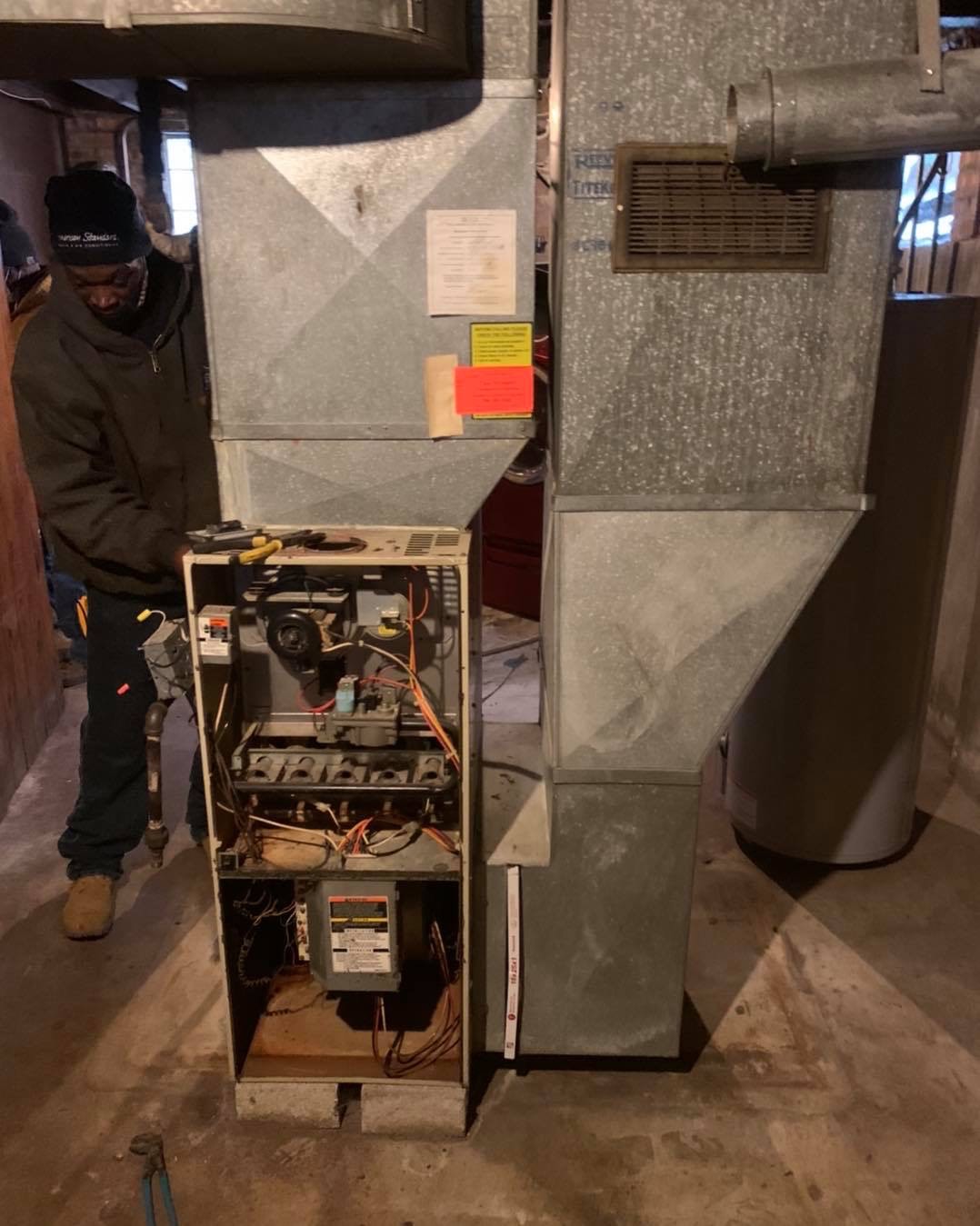
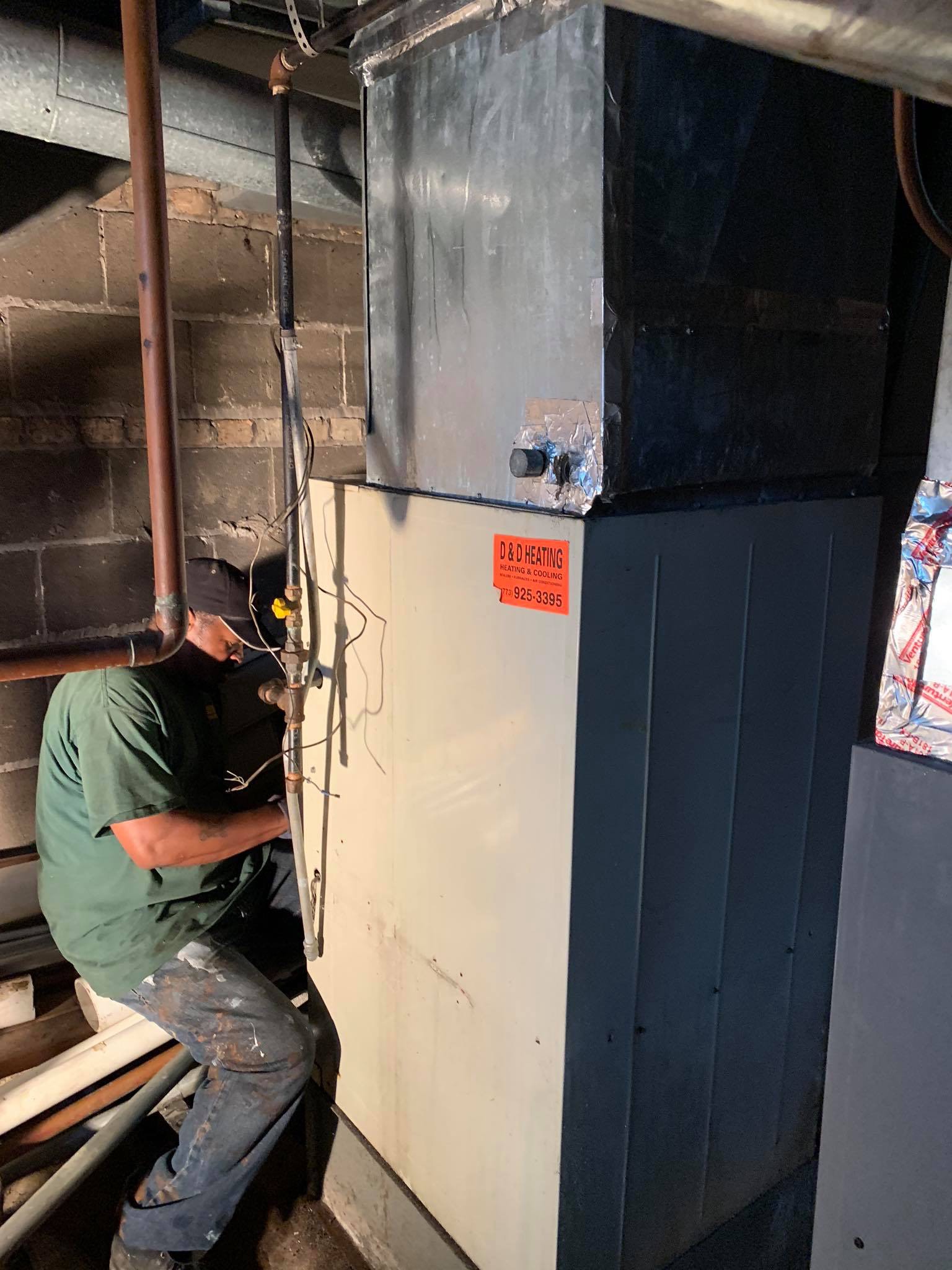
Choosing the right HVAC service provider comes down to verifying credentials, comparing detailed estimates, and confirming the contractor understands Chicago's specific heating and cooling demands. A wrong hire can cost thousands in wasted equipment spend, failed inspections, and premature system breakdowns.
This decision affects your comfort, energy bills, and property value for the next 15 to 25 years. Whether you are replacing an aging furnace, installing central air for the first time, or planning a full system upgrade for a commercial property, the contractor you choose determines the outcome.
This guide walks you through exactly what to evaluate, which questions to ask, how to compare bids, and what Chicago-specific factors influence HVAC pricing so you can hire with confidence and budget accurately.
Why Choosing the Right HVAC Service Provider Matters
An HVAC system is one of the largest mechanical investments in any property. For most Chicago homeowners, a full heating and cooling system runs between $7,000 and $20,000+ depending on equipment type, home size, and installation complexity. For commercial properties, that number climbs significantly. The contractor you select directly impacts whether that investment performs as promised or becomes a recurring expense.
The difference between a qualified HVAC provider and an unqualified one is not just about installation quality. It affects system efficiency, equipment lifespan, warranty validity, code compliance, and long-term operating costs. In a city where winter temperatures regularly drop below zero and summer humidity pushes cooling systems hard, proper installation and sizing are not optional.
The Cost of Hiring the Wrong Contractor
A poorly installed HVAC system does not just underperform. It costs more to operate every single month. Improperly sized equipment short-cycles, meaning it turns on and off too frequently, which increases wear and inflates energy bills. Incorrect ductwork connections create pressure imbalances that leave rooms too hot or too cold. Skipped steps during installation, like failing to perform a proper refrigerant charge, can reduce system efficiency by 15% to 25% from day one.
Then there are the harder costs. A failed city inspection means rework and delays. Voided manufacturer warranties mean you pay out of pocket for parts that should have been covered. According to ENERGY STAR, roughly half of all HVAC systems are improperly installed, which directly reduces efficiency and equipment life.
In Chicago, where heating alone can account for a significant portion of annual utility costs, those inefficiencies compound fast.
How a Qualified HVAC Provider Protects Your Investment
A qualified contractor does more than connect equipment. They perform a Manual J load calculation to size the system correctly for your specific property. They evaluate existing ductwork, insulation levels, and building envelope conditions. They pull the required City of Chicago permits and schedule inspections. They commission the system after installation, verifying airflow, refrigerant levels, and thermostat calibration.
This process protects your investment in measurable ways. Properly sized and installed equipment runs fewer cycles, uses less energy, lasts longer, and maintains valid manufacturer warranties. It also means your system actually delivers the comfort levels you are paying for, even during a Chicago polar vortex or a July heat wave.
What to Look for in an HVAC Service Provider

Not every HVAC company operates at the same standard. Before you request a single quote, establish a baseline of non-negotiable qualifications. These criteria separate professional contractors from those who cut corners.
Licensing and Insurance Requirements in Chicago
Illinois does not have a statewide HVAC license, but the City of Chicago requires contractors to hold specific licenses to perform mechanical work. Any HVAC contractor working in Chicago should carry a valid City of Chicago Regulated Business License and comply with the Chicago Municipal Code for mechanical installations.
Beyond the city license, verify that the contractor carries:
- General liability insurance (minimum $1 million is standard)
- Workers' compensation insurance for all employees
- A bond if required by your municipality or project scope
Ask for certificates of insurance directly. A legitimate contractor will provide them without hesitation. If a contractor cannot produce current insurance documentation, that is a disqualifying factor, not a negotiation point.
Industry Certifications and Manufacturer Authorizations
Licensing is the legal minimum. Certifications indicate a higher level of technical competence. Look for:
- NATE Certification (North American Technician Excellence): The most widely recognized HVAC technician certification in the industry. NATE-certified technicians have passed rigorous specialty exams in installation, service, or both.
- EPA Section 608 Certification: Required by federal law for any technician handling refrigerants. This is mandatory, not optional.
- Manufacturer Dealer Authorization: Brands like Carrier, Trane, Lennox, and Rheem authorize specific dealers who meet training, installation quality, and customer satisfaction benchmarks. Authorized dealers can often offer extended warranties and priority support.
These certifications are verifiable. Ask for technician names and certification numbers, then confirm them through the issuing organizations.
Years of Experience and Track Record
Experience matters, but context matters more. A company that has operated in Chicago for 15 years has encountered the full range of local challenges: aging bungalow ductwork, high-rise mechanical rooms, two-flat conversions, and the specific permitting requirements of different neighborhoods.
Look for contractors who can demonstrate experience with your specific type of project. Residential furnace replacement requires different expertise than commercial rooftop unit installation. Ask for references from projects similar to yours in scope and property type.
Online Reviews and Reputation Signals
Check multiple platforms, not just one. Google Business Profile reviews, Yelp, the Better Business Bureau, and Angi all provide different perspectives. Look for patterns rather than individual reviews.
Key signals to evaluate:
- Volume and recency: A company with 200+ reviews accumulated over several years is more reliable than one with 15 reviews posted in the last month.
- Response to negative reviews: How a company handles complaints reveals more than the complaints themselves.
- Specificity in positive reviews: Reviews that mention specific technicians, clear communication, on-time arrival, and clean work areas indicate consistent operational quality.
- Consistent themes: If multiple reviewers mention the same strengths or weaknesses, those patterns are likely accurate.
Questions to Ask Before Hiring an HVAC Contractor
The consultation phase is your best opportunity to evaluate a contractor's professionalism, technical knowledge, and transparency. Come prepared with specific questions. The quality of the answers tells you everything you need to know.
Questions About Pricing and Estimates
- Will you provide a written, itemized estimate that separates equipment, labor, materials, and permit costs?
- Are there any potential additional charges not included in this estimate, such as ductwork modifications, electrical upgrades, or disposal fees?
- Do you offer financing options, and if so, what are the terms and interest rates?
- How does the price change if I choose a higher-efficiency system?
- Is there a charge for the initial consultation or load calculation?
A contractor who resists itemizing costs or gives a single lump-sum number without explanation is not providing the transparency you need to make an informed decision.
Questions About Equipment and System Options
- What brand and model are you recommending, and why?
- What SEER2 rating (for cooling) and AFUE rating (for heating) does this system carry?
- Is this system appropriately sized for my property based on a load calculation?
- Are there rebates or incentives available for higher-efficiency equipment in Chicago or through ComEd and Peoples Gas?
- What is the expected lifespan of this equipment with proper maintenance?
The contractor should be able to explain their equipment recommendation in terms of your specific property, not just default to whatever brand they carry.
Questions About Warranties and Post-Installation Support
- What does the manufacturer warranty cover, and for how long?
- Do you offer a labor warranty separate from the manufacturer warranty?
- What maintenance is required to keep the warranty valid?
- Do you offer a maintenance plan or service agreement?
- What is your response time for emergency service calls?
Warranty terms vary significantly between manufacturers and between dealers. A 10-year parts warranty means little if the labor to replace those parts is not covered. Clarify every detail before signing.
How to Compare HVAC Quotes in Chicago
Getting multiple quotes is standard advice. Knowing how to actually compare them is where most homeowners and business owners struggle. Not all quotes are structured the same way, and the differences in what is included or excluded can represent thousands of dollars.
What a Detailed HVAC Estimate Should Include
A professional HVAC estimate should clearly list:
- Equipment: Brand, model number, efficiency rating, and unit cost
- Labor: Installation hours and labor rate
- Materials: Ductwork, refrigerant lines, thermostats, pads, disconnects, and any other components
- Permits: City of Chicago permit fees
- Removal and disposal: Cost to remove and dispose of old equipment
- Modifications: Any required ductwork changes, electrical work, or structural adjustments
- Timeline: Estimated start date and completion date
- Warranty terms: Both manufacturer and labor warranty details
- Payment terms: Deposit requirements, payment schedule, and financing options
If a quote is missing any of these line items, ask for clarification before comparing it against other bids.
Red Flags in HVAC Bids and Proposals
Watch for these warning signs when reviewing estimates:
- No on-site visit before quoting: Any contractor who provides a price without physically inspecting your property is guessing. Accurate HVAC pricing requires evaluating your existing system, ductwork, electrical panel, and building layout.
- Pressure to sign immediately: Legitimate contractors give you time to compare options. High-pressure sales tactics often indicate inflated pricing or low-quality work.
- Vague line items: "Installation: $8,500" with no further breakdown is not an estimate. It is a number.
- No permit mention: If the contractor does not mention pulling permits, they may be planning to skip them. Unpermitted HVAC work in Chicago creates legal and resale complications.
- Cash-only or no contract: Professional contractors provide written contracts and accept standard payment methods.
- Significantly lower price than all other bids: If one quote is 30% to 40% below the others, something is being left out. That could be permit costs, proper equipment sizing, or quality installation practices.
Why the Lowest Price Is Rarely the Best Value
HVAC installation is not a commodity purchase. The same furnace installed by two different contractors can perform very differently based on installation quality, ductwork configuration, and system commissioning.
A contractor who charges less may be cutting costs by skipping the load calculation, using undersized ductwork, not pulling permits, or rushing the installation. Those shortcuts save money upfront but cost significantly more over the system's lifetime through higher energy bills, more frequent repairs, and shorter equipment life.
The better comparison metric is total cost of ownership. A higher-efficiency system installed correctly by a qualified contractor will cost more initially but deliver lower monthly operating costs, fewer service calls, and a longer equipment lifespan. Over 15 to 20 years, that difference often amounts to thousands of dollars in net savings.
Understanding HVAC Pricing Factors in Chicago
HVAC costs are not arbitrary. They are driven by specific, measurable variables. Understanding these factors helps you evaluate whether a quote is reasonable and where you have flexibility in your budget.
System Type and Efficiency Ratings
The type of system you choose is the single largest cost variable. Here is how the main options compare for a typical Chicago residential installation:
System Type
Typical Cost Range (Installed)
Best For
Gas Furnace + Central AC
$7,000 - $15,000
Most Chicago homes with existing ductwork
Heat Pump (Ducted)
$8,000 - $18,000
Homes seeking dual heating/cooling efficiency
Ductless Mini-Split
$3,000 - $10,000+
Additions, older homes without ductwork
Boiler Replacement
$5,000 - $15,000
Older Chicago homes with radiator systems
Commercial Rooftop Unit
$10,000 - $40,000+
Commercial properties
Efficiency ratings directly affect both equipment cost and long-term operating expense. A furnace with a 97% AFUE rating costs more upfront than one rated at 80% AFUE, but it converts nearly all fuel into heat. In Chicago, where the heating season runs roughly six months, that efficiency difference translates to meaningful annual savings on gas bills.
For cooling, the industry transitioned to SEER2 ratings in 2023. Higher SEER2 numbers indicate greater cooling efficiency. The federal minimum for northern regions is 13.4 SEER2, but units rated 16 SEER2 and above offer noticeably lower electricity consumption during Chicago's humid summers.
Labor Costs and Seasonal Demand
Labor typically represents 30% to 50% of total HVAC installation cost. In the Chicago market, labor rates reflect the higher cost of living, union presence in the trades, and the technical demands of working with the city's diverse building stock.
Seasonal demand also affects pricing and availability. The busiest periods for Chicago HVAC contractors are:
- Late spring (May-June): Homeowners preparing for summer
- Early fall (September-October): Furnace replacements before winter
- Emergency periods: During extreme cold snaps or heat waves
Scheduling your installation during the off-peak months of late winter (February-March) or early fall (September) can sometimes result in better availability, shorter wait times, and occasionally more competitive pricing. Contractors with open schedules have more flexibility.
Home Size, Ductwork, and Installation Complexity
A 1,200-square-foot Chicago bungalow requires a very different system than a 3,500-square-foot two-story home in Lincoln Park. System capacity is measured in tons (for cooling) and BTUs (for heating), and proper sizing depends on square footage, ceiling height, insulation quality, window count and type, and building orientation.
Ductwork condition is a major cost variable that many homeowners overlook. If your existing ductwork is undersized, damaged, or poorly sealed, it must be modified or replaced to support a new system. Duct modifications can add $1,500 to $5,000+ to a project depending on scope.
Other complexity factors include:
- Electrical panel upgrades needed for new equipment
- Structural modifications for equipment placement
- Accessibility challenges in older Chicago homes (tight crawl spaces, narrow stairways)
- Zoning system installation for multi-story homes
Chicago Climate Considerations and Equipment Sizing
Chicago sits in IECC Climate Zone 5A, characterized by cold winters, warm humid summers, and significant temperature swings during spring and fall. This climate profile creates specific equipment requirements.
Heating capacity must handle sustained temperatures below zero. The January design temperature for Chicago is approximately -4°F, meaning your heating system must maintain comfortable indoor temperatures at that extreme. Undersized equipment will run continuously during cold snaps without reaching setpoint, driving up energy costs and accelerating wear.
Cooling systems must handle both temperature and humidity. Chicago's summer dew points regularly exceed 65°F, which means your air conditioning system needs adequate dehumidification capacity, not just cooling capacity. Oversized cooling equipment actually performs worse in humid conditions because it short-cycles and does not run long enough to remove moisture from the air.
This is precisely why a Manual J load calculation, performed by a qualified contractor who understands Chicago's climate data, is essential. Generic sizing based on square footage alone will not account for these variables.
Choosing Between Repair, Replacement, and New Installation
Not every HVAC project requires new equipment. Sometimes a repair is the right call. Other times, continuing to repair an aging system wastes money that would be better invested in a replacement. Knowing where that line falls requires honest assessment.
When Repair Makes Financial Sense
Repair is generally the better financial decision when:
- The system is less than 10 years old
- The repair cost is less than 50% of replacement cost
- The system still meets your comfort and efficiency needs
- No major components (compressor, heat exchanger) have failed
- The system uses current refrigerant (R-410A or newer), not phased-out R-22
A single component failure on a relatively new system almost always warrants repair. Replacing a blower motor, capacitor, or control board is straightforward and cost-effective compared to full system replacement.
Signs You Need a Full System Replacement
Consider replacement when you observe multiple indicators:
- System age exceeds 15 years (furnace) or 12 to 15 years (central AC)
- Repair frequency is increasing, with multiple service calls per year
- Energy bills are rising despite consistent usage patterns
- The system uses R-22 refrigerant, which is no longer manufactured and increasingly expensive
- Uneven temperatures throughout the home that persist after duct inspection
- The heat exchanger is cracked (this is a safety issue requiring immediate action)
- The system cannot maintain comfortable temperatures during extreme weather
When multiple signs are present simultaneously, replacement typically offers better long-term value than continued repair investment.
Planning a New HVAC Installation for New Construction or Remodels
New construction and major remodels offer the advantage of designing the HVAC system from scratch. This eliminates the constraints of working around existing equipment and ductwork.
Key planning considerations for new installations:
- Engage the HVAC contractor early in the design process, ideally before framing is complete
- Coordinate with the architect and general contractor to ensure mechanical space, duct routing, and equipment placement are integrated into the building plan
- Consider zoning systems for multi-story or large-footprint properties to optimize comfort and efficiency
- Evaluate high-efficiency options like variable-speed systems and smart thermostats that are easier to integrate during new construction
- Plan for future needs, including provisions for air purification, humidification, or backup heating
In Chicago, new construction HVAC must comply with the Illinois Energy Conservation Code and pass City of Chicago mechanical inspections. Your contractor should be thoroughly familiar with both.
How to Verify an HVAC Contractor's Credentials in Illinois
Trust but verify. Every claim a contractor makes about their qualifications can and should be confirmed through independent sources.
Checking State and Local Licenses
To verify a Chicago HVAC contractor's credentials:
- City of Chicago Business License: Search the City of Chicago Business License database to confirm active license status
- Illinois Secretary of State: Verify the company's business registration and standing
- Local municipality requirements: If your property is in a Chicago suburb, check that municipality's specific licensing requirements, as they vary
Ask the contractor for their license number during the initial consultation. Legitimate contractors provide this information readily.
Confirming Insurance and Bonding
Request a Certificate of Insurance (COI) directly from the contractor. Then take the additional step of calling the insurance company listed on the certificate to confirm the policy is active and has not lapsed.
Verify:
- General liability coverage is current and adequate (minimum $1 million)
- Workers' compensation coverage is active for all employees
- The policy effective dates cover your project timeline
- Your property address can be added as an additional insured if needed for larger projects
If a contractor is uninsured and a worker is injured on your property, you could be held liable. This is not a theoretical risk. It is a financial exposure that proper insurance eliminates.
Validating Better Business Bureau and Trade Association Membership
Check the contractor's BBB profile for their rating, complaint history, and resolution record. A BBB accreditation is voluntary and indicates the company has committed to specific standards of trust.
Trade association memberships that indicate professional commitment include:
- ACCA (Air Conditioning Contractors of America)
- PHCC (Plumbing-Heating-Cooling Contractors Association)
- Local HVAC trade associations in the Chicagoland area
These memberships are not guarantees of quality, but they indicate a contractor who invests in professional development and industry standards. Combined with verified licensing, insurance, and certifications, they complete the credibility picture.
What to Expect During the HVAC Service Process
Understanding the process from first call to final inspection helps you evaluate whether your contractor is following professional standards and helps you prepare your property for the work.
Initial Consultation and Load Calculation
A professional HVAC consultation should include a thorough on-site evaluation. The contractor should inspect:
- Existing equipment type, age, and condition
- Ductwork layout, size, and condition
- Insulation levels in attic, walls, and basement
- Window types and condition
- Electrical panel capacity
- Thermostat type and location
- Any comfort complaints or problem areas
Based on this evaluation, the contractor performs a Manual J load calculation. This is the industry-standard method for determining the correct heating and cooling capacity for your specific property. It accounts for square footage, insulation R-values, window area and orientation, occupancy, climate data, and dozens of other variables.
Any contractor who sizes your system based solely on square footage or by matching the existing equipment size is not following industry best practices. Insist on a documented load calculation.
Installation Day Timeline and Preparation
A typical residential HVAC installation in Chicago takes one to three days depending on project scope. A straightforward furnace and AC replacement with existing ductwork usually completes in one day. Projects involving ductwork modifications, system type changes, or multi-zone installations may require two to three days.
To prepare your home:
- Clear a path from the entry door to the equipment location
- Remove items stored near the furnace, air handler, or outdoor unit location
- Ensure the contractor has access to the electrical panel
- Make arrangements for pets and children during installation
- Confirm the start time and expected completion time with the contractor
The installation crew should protect your floors and work areas with drop cloths, remove all packaging and debris at the end of each day, and treat your property with respect.
Post-Installation Inspection and System Testing
After installation, a professional contractor performs system commissioning. This includes:
- Verifying airflow at each register
- Checking refrigerant charge (for cooling systems)
- Testing all safety controls and limit switches
- Calibrating the thermostat
- Measuring temperature differential across the system
- Running the system through a complete heating and cooling cycle
- Walking you through system operation, thermostat programming, and filter maintenance
The contractor should also schedule the required City of Chicago mechanical inspection and ensure the installation passes. You should receive all documentation, including equipment manuals, warranty registration confirmation, permit copies, and maintenance instructions.
This final step is where you confirm that everything works as promised. Do not sign off on the project until you are satisfied with system performance and have all documentation in hand.
Conclusion
Choosing an HVAC service provider is a decision that affects your comfort, energy costs, and property value for years. The right contractor brings verified credentials, transparent pricing, proper system sizing, and professional installation practices that protect your investment from day one.
Chicago's climate demands equipment and installation quality that can handle extreme cold, summer humidity, and everything in between. By evaluating licensing, comparing detailed estimates, asking the right questions, and understanding what drives HVAC costs in this market, you put yourself in a position to make a confident, well-informed decision.
We built Chicago Comfort HVAC on transparent pricing, expert workmanship, and honest guidance for every project we take on. If you are planning an HVAC installation, replacement, or major repair, contact our team for a detailed consultation and itemized estimate tailored to your property and budget.
Frequently Asked Questions
How much does a new HVAC system cost in Chicago?
A complete residential HVAC system in Chicago typically costs between $7,000 and $20,000+ installed, depending on system type, efficiency rating, home size, and installation complexity. Commercial systems range higher based on building requirements. Getting multiple itemized quotes is the best way to establish an accurate budget for your specific property.
What licenses should an HVAC contractor have in Chicago?
An HVAC contractor working in Chicago should hold a valid City of Chicago Regulated Business License for mechanical work, carry general liability and workers' compensation insurance, and employ technicians with EPA Section 608 certification for refrigerant handling. Ask for documentation and verify it independently before hiring.
How do I know if I need HVAC repair or full replacement?
If your system is under 10 years old and the repair cost is less than half the replacement cost, repair usually makes sense. If the system is over 15 years old, requires frequent repairs, uses R-22 refrigerant, or cannot maintain comfortable temperatures, replacement is typically the better long-term investment.
What is a Manual J load calculation and why does it matter?
A Manual J load calculation is the industry-standard method for determining the correct heating and cooling capacity for a specific building. It accounts for square footage, insulation, windows, climate data, and other variables. Without it, your system may be oversized or undersized, both of which reduce efficiency, increase costs, and shorten equipment life.
When is the best time to install a new HVAC system in Chicago?
Late winter and early fall are generally the best times to schedule HVAC installation in Chicago. Contractor demand is lower during these periods, which can mean shorter wait times and better scheduling flexibility. Avoid scheduling during peak summer or mid-winter when emergency calls dominate contractor availability.
Should I get multiple HVAC quotes, and how many?
Yes. Get at least three itemized quotes from licensed, insured contractors who have physically inspected your property. Compare not just total price but line-item details, equipment specifications, warranty terms, and included services. This gives you a realistic market range and helps identify outliers.
What should I do if an HVAC contractor does not pull permits?
Do not proceed with the project. The City of Chicago requires permits for HVAC installations, and unpermitted work can result in fines, failed inspections, insurance complications, and problems when selling your property. A professional contractor includes permit costs in their estimate and handles the permitting process as part of the job.
Follow a maintenance program
Ante gravida id aenean quis egestas risus nam amet nullam leo diam diam aliquam eu eu malesuada arcu rhoncus suspendisse nulla mattis ut amet sagittis in justo egestas.

search for a trusted mechanic
Lorem ipsum dolor sit amet, consectetur adipiscing elit lobortis arcu enim urna adipiscing praesent velit viverra sit semper lorem eu cursus vel hendrerit elementum morbi curabitur etiam nibh justo, lorem aliquet donec sed sit mi dignissim at ante massa mattis.
- Neque sodales ut etiam sit amet nisl purus non tellus orci ac auctor
- Adipiscing elit ut aliquam purus sit amet viverra suspendisse potent
- Mauris commodo quis imperdiet massa tincidunt nunc pulvinar
- Excepteur sint occaecat cupidatat non proident sunt in culpa qui officia
Check the air pressure in your tires
Vitae congue eu consequat ac felis placerat vestibulum lectus mauris ultrices cursus sit amet dictum sit amet justo donec enim diam porttitor lacus luctus accumsan tortor posuere praesent tristique magna sit amet purus gravida quis blandit turpis.
Review your suspension frequently
At risus viverra adipiscing at in tellus integer feugiat nisl pretium fusce id velit ut tortor sagittis orci a scelerisque purus semper eget at lectus urna duis convallis. porta nibh venenatis cras sed felis eget neque laoreet suspendisse interdum consectetur libero id faucibus nisl donec pretium vulputate sapien nec sagittis aliquam nunc lobortis mattis aliquam faucibus purus in.
- Neque sodales ut etiam sit amet nisl purus non tellus orci ac auctor
- Adipiscing elit ut aliquam purus sit amet viverra suspendisse potent
- Mauris commodo quis imperdiet massa tincidunt nunc pulvinar
- Excepteur sint occaecat cupidatat non proident sunt in culpa qui officia
Service your vehicle as regularly as posible
At risus viverra adipiscing at in tellus integer feugiat nisl pretium fusce id velit ut tortor sagittis orci a scelerisque purus semper eget at lectus urna duis convallis. porta nibh venenatis cras sed felis eget neque laoreet suspendisse interdum consectetur libero id faucibus nisl donec pretium vulputate sapien nec sagittis aliquam nunc lobortis mattis aliquam faucibus purus in.
“Nisi quis eleifend quam adipiscing vitae aliquet bibendum enim facilisis gravida neque velit euismod in pellentesque”
Conclusion
Eget lorem dolor sed viverra ipsum nunc aliquet bibendum felis donec et odio pellentesque diam volutpat commodo sed egestas aliquam sem fringilla ut morbi tincidunt augue interdum velit euismod eu tincidunt tortor aliquam nulla facilisi aenean sed adipiscing diam donec adipiscing ut lectus arcu bibendum at varius vel pharetra nibh venenatis cras sed felis eget.