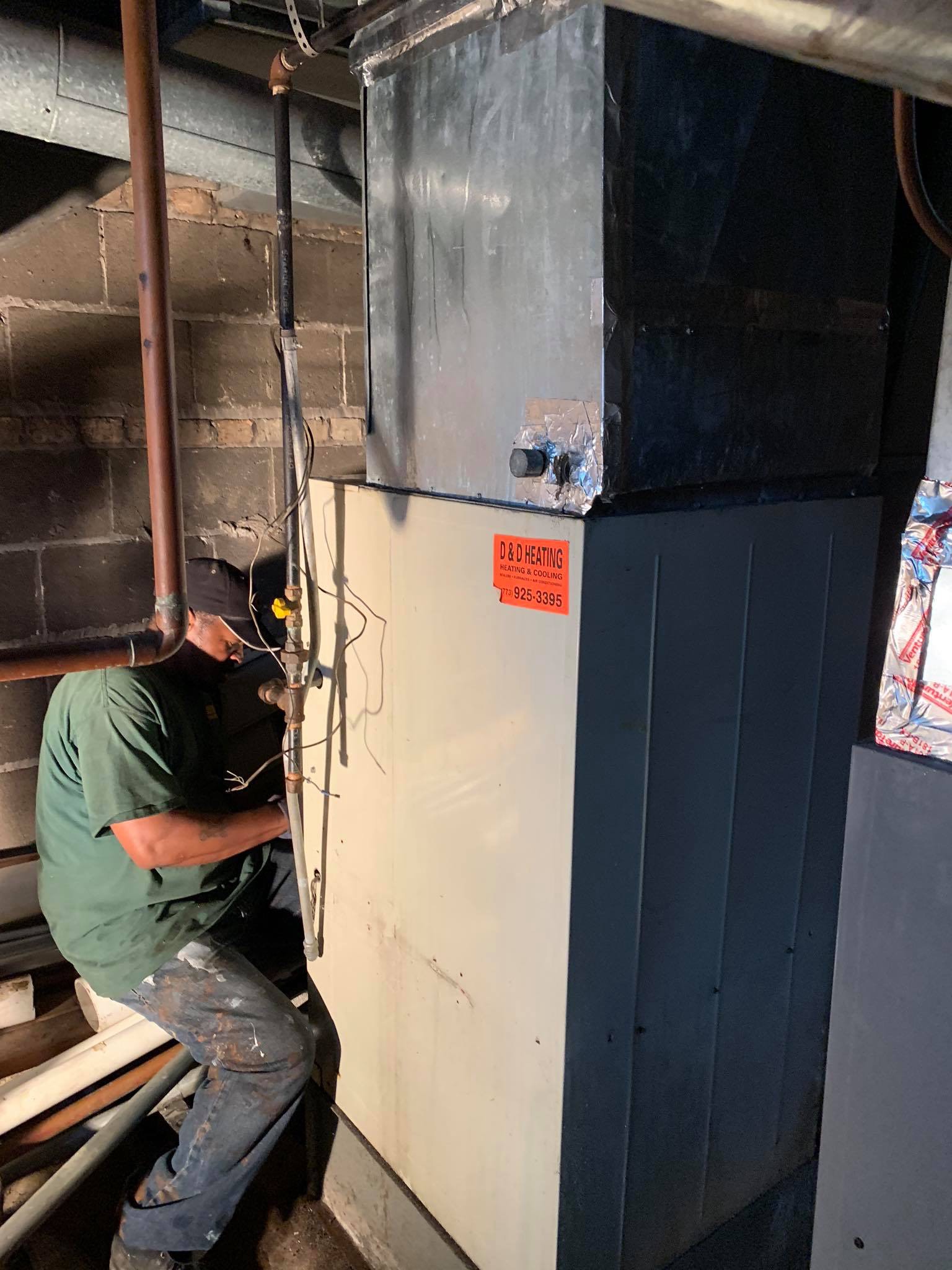
How to Choose the Right HVAC Company
Learn how to choose the right HVAC company in Chicago. Compare credentials, pricing, and reputation to find a trusted contractor for your home or business.
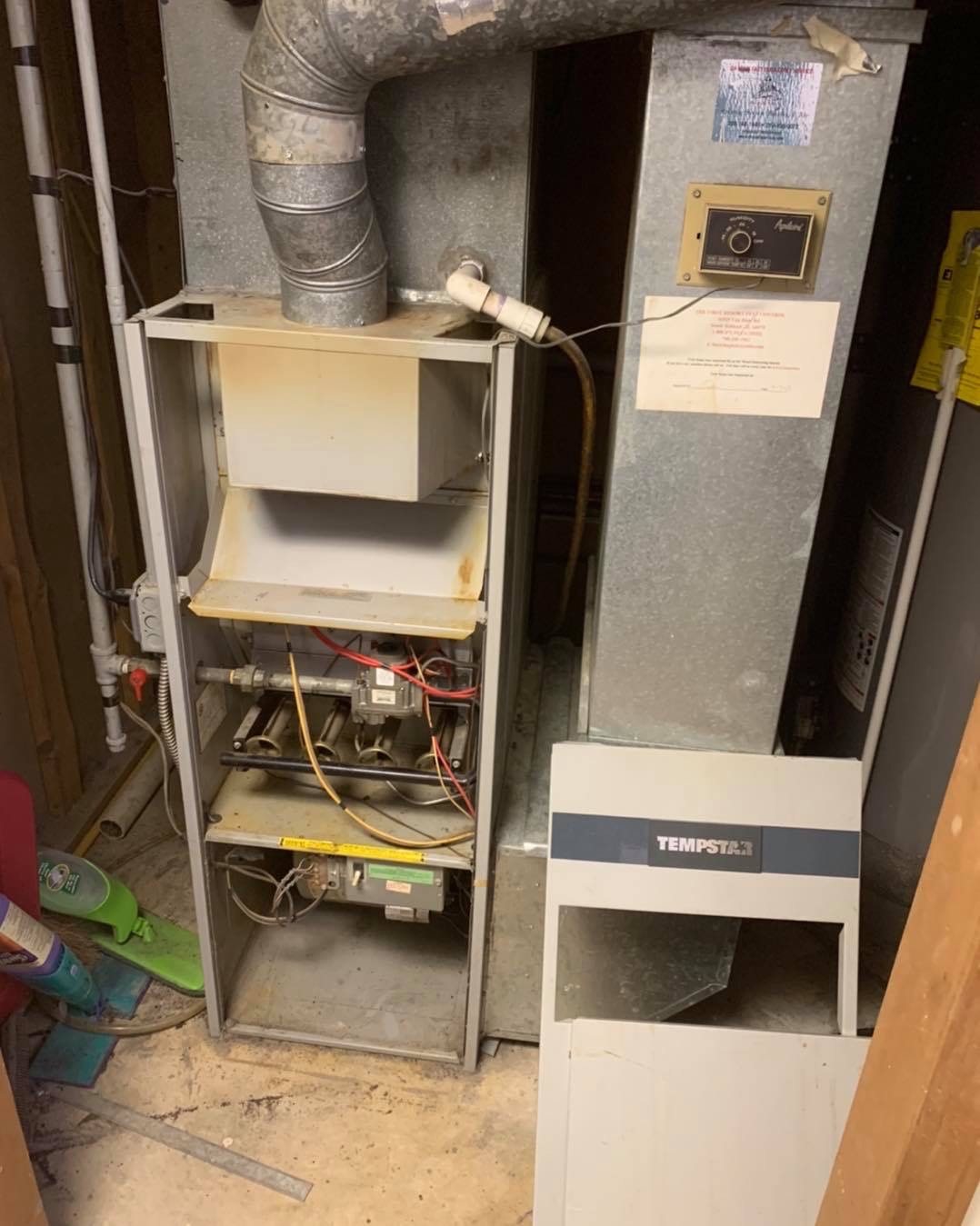
The right HVAC company will hold proper Illinois licensing, carry full insurance, provide a detailed in-home estimate with line-item pricing, and back their work with written warranties. The wrong one can cost you thousands in botched installations, voided equipment warranties, and inflated energy bills.
This guide walks Chicago homeowners, landlords, and business owners through every step of vetting an HVAC contractor. You will learn exactly what credentials to verify, which questions to ask, how to compare bids, and what red flags to avoid so you can hire with confidence and protect your investment.
Why Choosing the Right HVAC Company Matters in Chicago
Hiring an HVAC contractor is not the same as calling a handyman for a quick fix. A heating and cooling system is one of the largest mechanical investments in any Chicago property. The contractor you choose determines whether that system runs efficiently for 15 to 20 years or becomes a recurring source of breakdowns, comfort complaints, and wasted energy.
Chicago's unique climate makes this decision even more consequential than it would be in milder regions. The stakes are higher here because the margin for error is smaller. A poorly sized furnace or an incorrectly charged air conditioner does not just cause mild discomfort. It fails when you need it most.
How Chicago's Climate Puts Extra Demand on HVAC Systems
Chicago winters regularly push below zero, and summer heat indices can exceed 100 degrees. That means your HVAC system works under extreme load for large portions of the year. A furnace in Chicago runs significantly more hours annually than one in Nashville or Charlotte.
This climate reality affects everything from equipment selection to installation technique. Proper load calculations must account for Chicago's temperature swings, older housing stock with varying insulation levels, and the lake-effect weather patterns that create microclimates across different neighborhoods. A contractor unfamiliar with these local factors will undersize or oversize your system, both of which lead to premature failure and higher utility costs.
Ductwork in many Chicago bungalows, two-flats, and greystones was designed decades ago for less efficient equipment. The right HVAC company understands how to work within these structural constraints. They know when existing ducts can be reused, when they need modification, and when a ductless system makes more sense.
The Real Cost of Hiring the Wrong HVAC Contractor
A bad HVAC installation does not always reveal itself immediately. Some problems take months or even a full heating season to surface. By then, you may have already voided your manufacturer warranty by using an unqualified installer.
The financial consequences are real. An improperly installed central air system can increase your annual cooling costs by 20% to 30% due to refrigerant leaks, poor airflow, or incorrect thermostat wiring. A furnace installed without proper combustion testing can pose carbon monoxide risks. Failed inspections mean rework costs. And if the contractor disappears or goes out of business, you are left covering those repairs yourself.
Beyond direct costs, there is the time and stress of dealing with a company that does not return calls, misses appointments, or refuses to honor their warranty. Choosing carefully upfront eliminates these problems entirely.
What Credentials and Licenses to Look For
Credentials are the first filter. Before you evaluate personality, pricing, or availability, confirm that any HVAC company you consider meets the legal and professional requirements to operate in Chicago and the state of Illinois.
Illinois HVAC Licensing Requirements
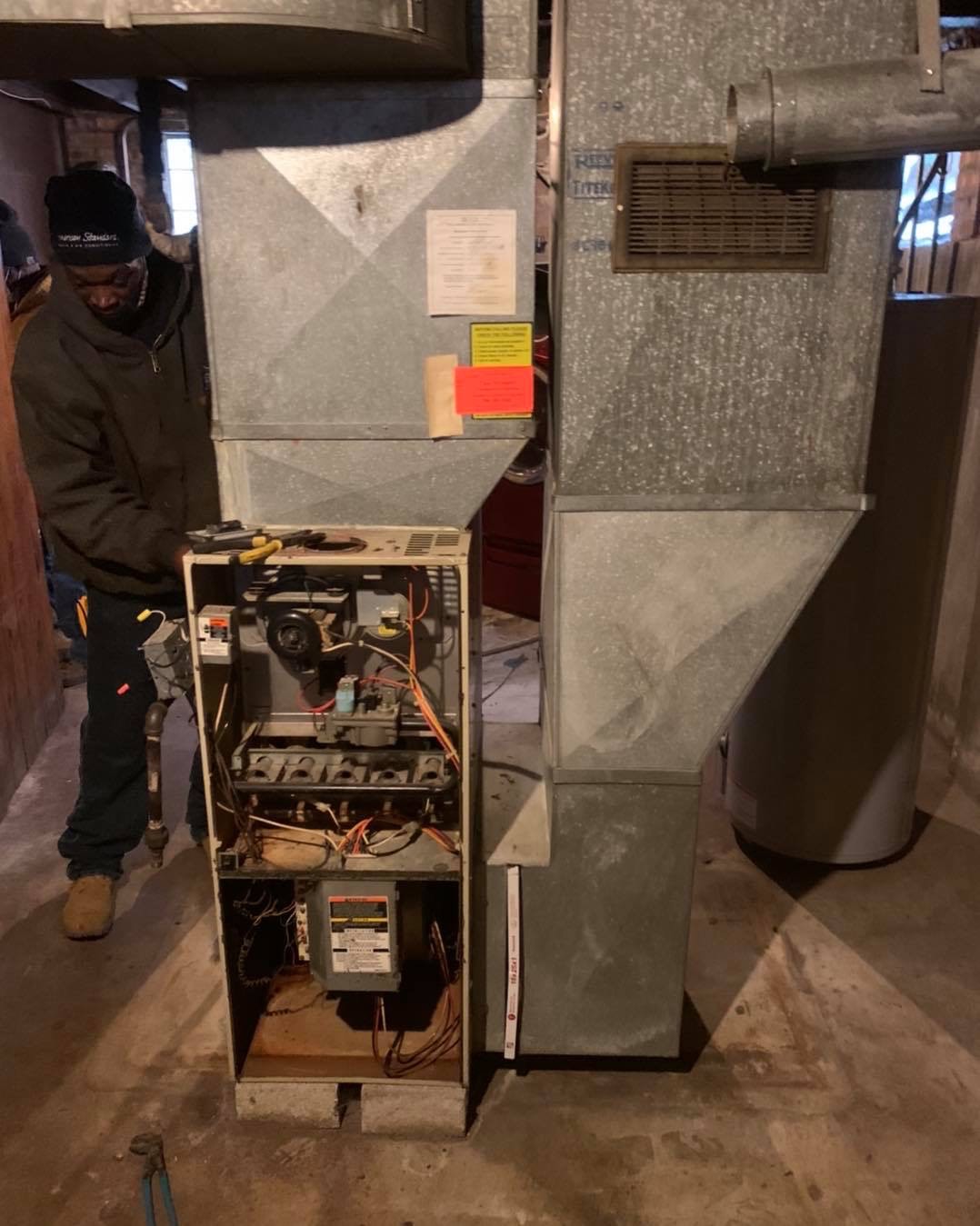
Illinois does not have a single statewide HVAC license. Instead, licensing requirements vary by municipality. In Chicago, HVAC contractors must hold the appropriate permits and work under licensed professionals who meet city code requirements.
At minimum, verify that the company employs EPA Section 608 certified technicians for any work involving refrigerants. For gas furnace installations, technicians should hold relevant gas fitting credentials. Ask the company directly what licenses and certifications their installers carry, and verify those claims independently through the Illinois Department of Financial and Professional Regulation or the City of Chicago's Department of Buildings.
A legitimate company will not hesitate to provide this information. If they dodge the question or give vague answers, move on.
Insurance, Bonding, and Worker's Compensation
Every HVAC company you consider should carry general liability insurance, worker's compensation coverage, and ideally be bonded. This protects you if a technician is injured on your property or if the installation causes damage to your home.
Ask for a certificate of insurance and verify it is current. Call the insurance provider directly if you want confirmation. This step takes five minutes and can save you from catastrophic liability.
Worker's compensation is especially important. If an uninsured worker is hurt in your home, you could be held financially responsible. No reputable HVAC company operates without this coverage.
Manufacturer Certifications and What They Mean
Major HVAC manufacturers like Carrier, Trane, Lennox, Rheem, and Daikin offer dealer certification programs. These programs require contractors to meet training standards, maintain customer satisfaction scores, and follow specific installation protocols.
A Carrier Factory Authorized Dealer, for example, has completed Carrier's training curriculum and agreed to follow their installation best practices. A Trane Comfort Specialist has met similar requirements from Trane. These certifications matter because they often come with extended warranty options that are only available through certified installers.
Manufacturer certification is not a guarantee of quality on its own, but it does indicate a baseline level of training and accountability. It also means the manufacturer has vetted the contractor to some degree, which adds a layer of assurance.
How to Evaluate HVAC Company Experience and Reputation
Credentials get a company on your shortlist. Reputation and experience determine whether they stay there. This is where you move from verifying paperwork to evaluating real-world performance.
Checking Online Reviews and BBB Ratings
Start with Google Business Profile reviews. Look at both the overall rating and the content of individual reviews. Pay attention to how the company responds to negative reviews. A professional, solution-oriented response to a complaint tells you more about a company's character than a hundred five-star ratings.
Check the Better Business Bureau for complaint history and resolution patterns. A company with an A+ BBB rating and zero complaints is a strong signal. A company with multiple unresolved complaints is a clear warning.
Also look at reviews on Yelp, Angi, and HomeAdvisor. Cross-reference patterns. If multiple reviewers mention the same issue, whether positive or negative, that pattern is likely accurate.
Asking for References and Past Project Examples
Any established HVAC company should be able to provide references from recent customers in your area. Ask for three to five references and actually call them. Ask about the installation process, whether the project stayed on budget, how the company handled any issues, and whether they would hire them again.
If the company has completed projects similar to yours, whether that is a full system replacement in a Chicago bungalow, a commercial rooftop unit installation, or a ductless mini-split retrofit, ask to see photos or case studies. Relevant experience with your specific type of project reduces the risk of surprises.
How Long the Company Has Served the Chicago Area
Longevity is not everything, but it matters. A company that has operated in the Chicago market for 10 or more years has survived economic downturns, supply chain disruptions, and the constant pressure of customer expectations. They have institutional knowledge about local building codes, permit processes, and the specific challenges of Chicago's housing stock.
Newer companies can still be excellent, especially if their owners and technicians have extensive prior experience. But if you are choosing between two otherwise equal options, the company with a longer local track record carries less risk.
What to Expect from a Professional HVAC Estimate
The estimate process is one of the most revealing stages of your search. How a company handles the estimate tells you how they will handle the entire project.
In-Home Assessment vs. Phone Quotes
A trustworthy HVAC company will insist on an in-home assessment before providing a final price for any installation or replacement. They need to see your existing system, measure your space, evaluate your ductwork, check insulation levels, and perform a Manual J load calculation to determine the correct equipment size.
Any company that quotes a firm price over the phone without seeing your home is guessing. That guess will either be too low, leading to change orders and surprise costs, or too high, meaning you are overpaying. Either way, a phone quote for a major HVAC project is a red flag.
For straightforward repairs, a phone estimate of diagnostic fees is reasonable. But for installations and replacements, demand an on-site visit.
Line-Item Pricing vs. Lump-Sum Bids
A professional estimate should break down costs into clear categories. You should see separate line items for equipment, labor, materials, permits, and any additional work like ductwork modification or electrical upgrades.
Line-item pricing lets you compare bids accurately. If Company A quotes $8,500 and Company B quotes $10,200, you cannot evaluate those numbers without knowing what each includes. Maybe Company B includes a higher-efficiency unit, a programmable thermostat, and a 10-year labor warranty. Maybe Company A's price excludes permit fees and duct sealing.
Estimate Component
What to Look For
Equipment
Brand, model number, efficiency rating (SEER/AFUE)
Labor
Hours estimated, crew size, timeline
Materials
Ductwork, refrigerant lines, electrical, thermostat
Permits
City of Chicago permit fees included or excluded
Warranties
Equipment warranty length, labor warranty length
Additional Work
Duct modification, electrical panel upgrade, disposal of old unit
Ask every company to use the same format so you can make a true comparison.
Red Flags in HVAC Estimates
Watch for these warning signs during the estimate process:
Pressure to sign immediately. A legitimate company gives you time to compare options. High-pressure sales tactics, especially "this price is only good today" language, indicate a company that relies on impulse decisions rather than quality work.
No load calculation. If the contractor does not measure your home or perform a Manual J calculation, they are guessing at equipment size. Oversized systems short-cycle, waste energy, and wear out faster. Undersized systems run constantly and never reach comfortable temperatures.
Vague or missing warranty details. The estimate should clearly state what is covered, for how long, and under what conditions. If warranty terms are not in writing, they do not exist.
No permit mention. Chicago requires permits for HVAC installations. If the contractor does not mention permits or suggests skipping them to save money, walk away. Unpermitted work can create legal and insurance problems when you sell your home.
Unusually low pricing. If one bid is dramatically lower than the others, ask why. It may mean lower-quality equipment, unlicensed subcontractors, skipped steps, or a company that will hit you with change orders once work begins.
Key Questions to Ask Before Hiring an HVAC Contractor
Asking the right questions separates informed buyers from those who end up with regrets. Use these questions during your evaluation process to get the information you need.
Questions About Equipment and System Options
Ask the contractor to explain why they are recommending a specific system for your home or building. A good contractor will walk you through the reasoning, including how they determined the correct size, why they chose that efficiency rating, and what alternatives exist at different price points.
Specific questions to ask:
- What brand and model are you recommending, and why?
- What is the SEER rating for the cooling system and the AFUE rating for the furnace?
- Did you perform a Manual J load calculation for my home?
- Are there higher-efficiency options available, and what would the cost difference be?
- Is this system compatible with my existing ductwork, or will modifications be needed?
Questions About Installation Timeline and Process
Understanding the installation process helps you plan and also reveals how organized the company is.
- How long will the installation take from start to finish?
- Who will be on the crew, and are they your employees or subcontractors?
- Will you pull the required City of Chicago permits?
- What happens if you encounter unexpected issues during installation?
- How will you protect my home during the work, including floors, walls, and furniture?
Questions About Warranties and Post-Installation Support
Warranties vary significantly between HVAC companies, and the details matter more than the headline numbers.
- What is the manufacturer warranty on the equipment, and does your installation qualify for the full warranty term?
- Do you offer a separate labor warranty? If so, for how long?
- What is your process if something goes wrong after installation?
- Do you offer a maintenance plan, and does it affect the warranty?
- Will you provide all warranty documentation in writing before I sign?
A company that answers these questions clearly and confidently has nothing to hide. A company that gets evasive or dismissive is telling you something important about how they will handle problems down the road.
Comparing HVAC Companies: What to Weigh Beyond Price
Price matters, but it should not be the only factor driving your decision. The cheapest bid often becomes the most expensive choice when you factor in callbacks, repairs, energy waste, and shortened equipment life.
Energy Efficiency Expertise and System Recommendations
The right HVAC company does not just install whatever you ask for. They guide you toward the system that makes the most sense for your property, your budget, and your long-term energy costs.
In Chicago, where heating costs dominate utility bills for six or more months per year, the difference between a 80% AFUE furnace and a 96% AFUE furnace is substantial over the system's lifetime. A knowledgeable contractor will help you calculate the payback period for higher-efficiency equipment based on your actual usage patterns and local energy rates.
Look for contractors who discuss ENERGY STAR ratings, variable-speed blower motors, two-stage heating, and smart thermostat integration. These are not upsells. They are features that directly affect your comfort and operating costs in a climate as demanding as Chicago's.
Availability of Maintenance Plans and Ongoing Service
An HVAC system needs regular maintenance to perform at its rated efficiency and reach its expected lifespan. Companies that offer maintenance agreements demonstrate a commitment to the long-term relationship, not just the initial sale.
A good maintenance plan typically includes annual furnace tune-ups in the fall, air conditioning tune-ups in the spring, priority scheduling for repairs, and discounts on parts and labor. Some plans also include filter replacements and thermostat checks.
Ask whether the company has a dedicated service department or whether they only do installations. A company that handles both installation and ongoing service is more likely to stand behind their work because they will be the ones maintaining it.
Communication, Professionalism, and Responsiveness
Pay attention to how the company communicates from your very first interaction. Do they return calls promptly? Do they show up on time for the estimate? Do they explain things clearly without talking down to you or using jargon to confuse?
These early interactions predict future behavior. A company that is responsive and professional during the sales process will likely be responsive and professional when you need warranty service or have a question about your system.
Also evaluate their digital presence. A company with a professional website, clear service descriptions, and accessible contact information is investing in their business. That investment signals stability and accountability.
Common Mistakes Chicago Homeowners Make When Choosing an HVAC Company
Knowing what to avoid is just as important as knowing what to look for. These are the most frequent mistakes we see Chicago property owners make.
Choosing Based on the Lowest Bid Alone
The lowest bid is appealing, but it rarely represents the best value. HVAC installation is not a commodity. The quality of the equipment, the skill of the installation crew, the thoroughness of the setup, and the strength of the warranty all vary dramatically between contractors.
A bid that is 25% to 40% below the competition usually means corners are being cut somewhere. That could be lower-grade equipment, skipped steps like duct sealing or proper brazing, unlicensed labor, or no permit. The money you save upfront gets spent on repairs, higher energy bills, and premature replacement.
Compare bids on value, not just price. The best bid is the one that delivers the right system, installed correctly, with strong warranty protection, at a fair price.
Skipping the Research on Permits and Code Compliance
Chicago has specific building codes and permit requirements for HVAC installations. These exist to protect you. A permitted installation is inspected by the city to verify it meets safety and performance standards.
Some contractors offer to skip the permit to save you a few hundred dollars. This is a serious mistake. Unpermitted work can void your homeowner's insurance coverage, create problems during a home sale, and leave you liable if the installation causes damage or injury.
Always confirm that your contractor will pull the required permits and schedule the necessary inspections. This is non-negotiable.
Ignoring Long-Term Value and Operating Costs
The purchase price of an HVAC system is only part of the total cost of ownership. Operating costs, maintenance expenses, and equipment lifespan all factor into the true cost.
A high-efficiency system costs more upfront but can save hundreds of dollars per year in energy costs. Over a 15-year lifespan, those savings often exceed the initial price difference. In Chicago, where heating season is long and energy prices are significant, efficiency pays for itself faster than in milder climates.
Ask your contractor to help you calculate total cost of ownership for different system options. A company that focuses only on the sticker price is not giving you the full picture.
How to Choose the Right HVAC Company for Your Specific Needs
Not every HVAC project is the same, and not every contractor is the right fit for every job. Matching the company to your specific situation improves outcomes.
Residential vs. Commercial HVAC Contractors
Residential and commercial HVAC systems differ in scale, complexity, and code requirements. A company that excels at installing furnaces and central air in single-family homes may not have the expertise for a commercial rooftop unit or a multi-zone system in an office building.
If you own commercial property, look for contractors with specific commercial experience, including familiarity with commercial building codes, three-phase electrical systems, and building automation controls. Ask for commercial references separately from residential ones.
For residential projects, prioritize contractors who specialize in the type of housing you own. A company experienced with Chicago bungalows, two-flats, or vintage greystones will understand the unique challenges those structures present, from tight mechanical spaces to aging ductwork.
Choosing a Company for Installation vs. Repair vs. Replacement
Some HVAC companies focus primarily on new construction installations. Others specialize in service and repair. The best full-service companies handle all three, but it is worth asking where their strengths lie.
For a major installation or full system replacement, you want a company with strong project management capabilities, manufacturer relationships, and installation crews who do this work daily. For repairs, you want fast response times, well-stocked service vehicles, and diagnostic expertise.
If you are replacing an aging system, look for a company that can evaluate your existing infrastructure and recommend whether a full replacement or a partial upgrade makes more sense. This requires a different skill set than simply swapping out equipment.
Seasonal Timing and Scheduling Considerations in Chicago
Timing affects both price and availability. Chicago's HVAC industry has clear peak seasons. Demand for air conditioning installations surges in late spring and summer. Furnace replacements spike in fall and early winter. During these peak periods, the best contractors are booked weeks in advance, and pricing may reflect the higher demand.
If your project is not urgent, scheduling during the shoulder seasons, late winter for cooling installations or early fall for heating work, can give you more contractor options, shorter wait times, and potentially better pricing.
However, do not delay a failing system just to save on timing. A furnace that is showing signs of failure in November should be replaced before Chicago's coldest months arrive, regardless of seasonal pricing.
Conclusion
Choosing the right HVAC company in Chicago comes down to verifying credentials, comparing detailed estimates, evaluating experience, and prioritizing long-term value over the lowest price. Every step you take during the vetting process protects your investment and your comfort.
The right contractor will be transparent about pricing, thorough in their assessment, and committed to standing behind their work with strong warranties and ongoing service. Chicago's climate demands nothing less.
We built Chicago Comfort HVAC on exactly these principles. Contact us today for a free in-home assessment and a detailed, line-item estimate so you can make your decision with complete confidence.
Frequently Asked Questions
How do I verify that an HVAC company is licensed to work in Chicago?
Contact the City of Chicago's Department of Buildings or the Illinois Department of Financial and Professional Regulation. Ask the contractor directly for their license numbers and verify them independently before signing any agreement.
Should I get multiple HVAC estimates before hiring a contractor?
Yes. Get at least three in-home estimates from different companies. This gives you a realistic price range, helps you compare equipment recommendations, and makes it easier to identify outliers that are too high or suspiciously low.
What is a Manual J load calculation and why does it matter?
A Manual J load calculation measures your home's heating and cooling requirements based on square footage, insulation, window types, and other factors. It ensures your new system is correctly sized. Without it, you risk getting equipment that is too large or too small for your space.
How much should a new HVAC system cost in Chicago?
Costs vary widely based on system type, efficiency rating, home size, and ductwork condition. A typical residential furnace and air conditioner replacement in Chicago ranges from $7,000 to $15,000 or more. Always get line-item estimates to understand exactly what you are paying for.
Is it worth paying more for a high-efficiency HVAC system?
In most cases, yes. Chicago's long heating season means a high-efficiency furnace with a 95% or higher AFUE rating can save significant money on gas bills annually. The higher upfront cost is typically recovered within five to eight years through lower operating costs.
What warranties should I expect from a reputable HVAC company?
Look for a manufacturer equipment warranty of at least 10 years on major components and a separate labor warranty from the installer covering at least one to two years. Get all warranty terms in writing before work begins, and confirm that the installer is authorized to activate the full manufacturer warranty.
When is the best time of year to replace an HVAC system in Chicago?
Late winter and early spring are ideal for scheduling replacements. Demand is lower, contractors have more availability, and you can often negotiate better pricing. Avoid waiting until the first heat wave or cold snap, when every HVAC company in the city is booked solid.
Follow a maintenance program
Ante gravida id aenean quis egestas risus nam amet nullam leo diam diam aliquam eu eu malesuada arcu rhoncus suspendisse nulla mattis ut amet sagittis in justo egestas.

search for a trusted mechanic
Lorem ipsum dolor sit amet, consectetur adipiscing elit lobortis arcu enim urna adipiscing praesent velit viverra sit semper lorem eu cursus vel hendrerit elementum morbi curabitur etiam nibh justo, lorem aliquet donec sed sit mi dignissim at ante massa mattis.
- Neque sodales ut etiam sit amet nisl purus non tellus orci ac auctor
- Adipiscing elit ut aliquam purus sit amet viverra suspendisse potent
- Mauris commodo quis imperdiet massa tincidunt nunc pulvinar
- Excepteur sint occaecat cupidatat non proident sunt in culpa qui officia
Check the air pressure in your tires
Vitae congue eu consequat ac felis placerat vestibulum lectus mauris ultrices cursus sit amet dictum sit amet justo donec enim diam porttitor lacus luctus accumsan tortor posuere praesent tristique magna sit amet purus gravida quis blandit turpis.
Review your suspension frequently
At risus viverra adipiscing at in tellus integer feugiat nisl pretium fusce id velit ut tortor sagittis orci a scelerisque purus semper eget at lectus urna duis convallis. porta nibh venenatis cras sed felis eget neque laoreet suspendisse interdum consectetur libero id faucibus nisl donec pretium vulputate sapien nec sagittis aliquam nunc lobortis mattis aliquam faucibus purus in.
- Neque sodales ut etiam sit amet nisl purus non tellus orci ac auctor
- Adipiscing elit ut aliquam purus sit amet viverra suspendisse potent
- Mauris commodo quis imperdiet massa tincidunt nunc pulvinar
- Excepteur sint occaecat cupidatat non proident sunt in culpa qui officia
Service your vehicle as regularly as posible
At risus viverra adipiscing at in tellus integer feugiat nisl pretium fusce id velit ut tortor sagittis orci a scelerisque purus semper eget at lectus urna duis convallis. porta nibh venenatis cras sed felis eget neque laoreet suspendisse interdum consectetur libero id faucibus nisl donec pretium vulputate sapien nec sagittis aliquam nunc lobortis mattis aliquam faucibus purus in.
“Nisi quis eleifend quam adipiscing vitae aliquet bibendum enim facilisis gravida neque velit euismod in pellentesque”
Conclusion
Eget lorem dolor sed viverra ipsum nunc aliquet bibendum felis donec et odio pellentesque diam volutpat commodo sed egestas aliquam sem fringilla ut morbi tincidunt augue interdum velit euismod eu tincidunt tortor aliquam nulla facilisi aenean sed adipiscing diam donec adipiscing ut lectus arcu bibendum at varius vel pharetra nibh venenatis cras sed felis eget.