
How to Clean Your Outdoor AC Unit
Learn how to clean your outdoor AC unit step by step. Save energy, prevent breakdowns, and keep your Chicago home cool with proper condenser maintenance.
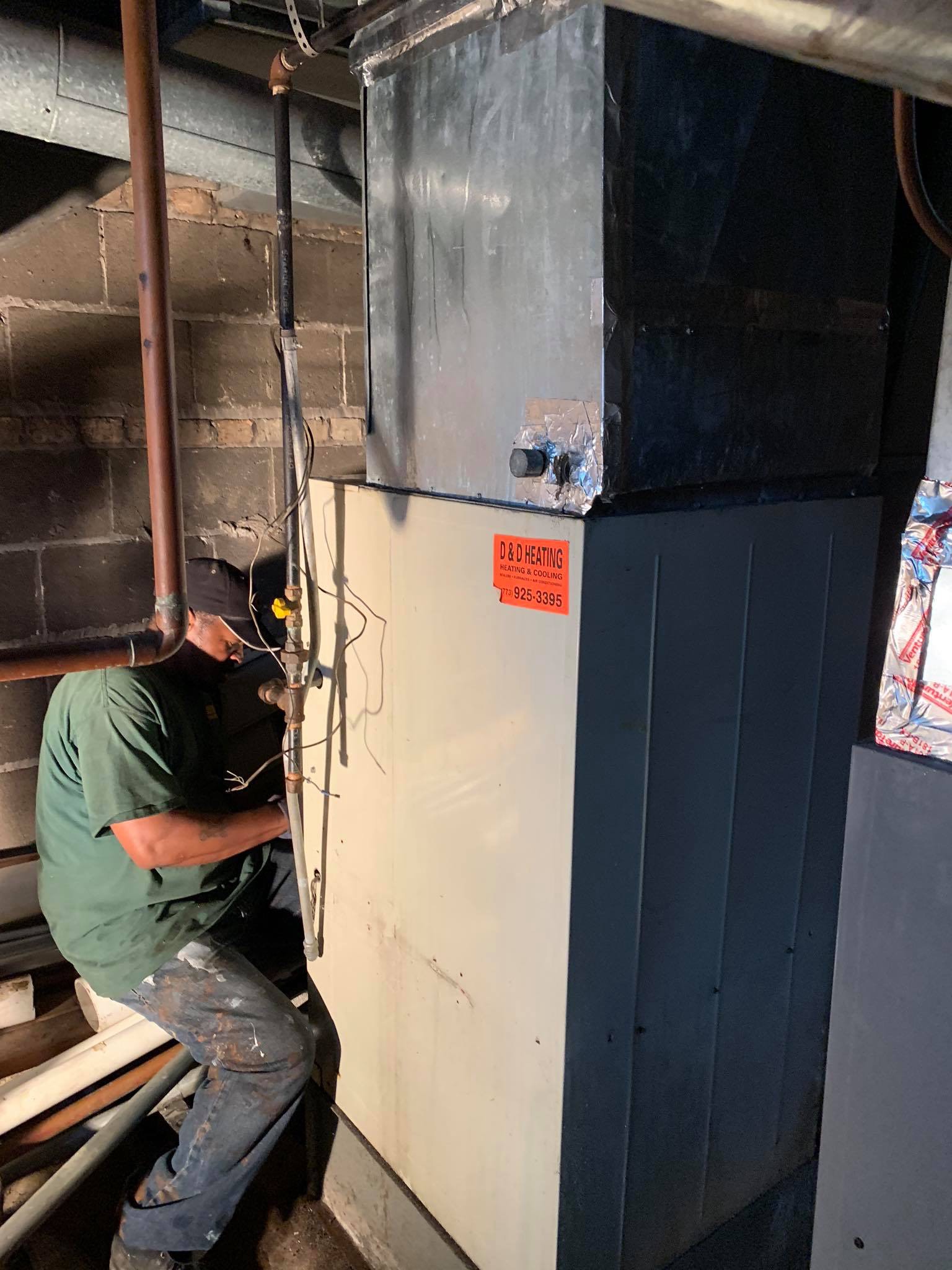
Your outdoor AC unit pulls in air through hundreds of thin aluminum fins, and every leaf, grass clipping, and cottonwood seed that sticks to those fins forces your compressor to work harder and your energy bills to climb higher.
In Chicago, where summer humidity is relentless and airborne debris is constant, a neglected condenser unit can lose up to 30% of its cooling capacity. That translates to real money and real discomfort.
This guide walks you through the complete cleaning process, the tools you need, Chicago-specific maintenance considerations, and when it makes sense to call a professional instead.
Why Cleaning Your Outdoor AC Unit Matters
Your outdoor AC unit, also called the condenser unit, is the workhorse of your entire cooling system. It releases the heat your indoor evaporator coil absorbs. When the condenser cannot release that heat efficiently, every component in the system strains harder.
A clean outdoor unit keeps refrigerant pressures within normal operating range, reduces compressor wear, and maintains the airflow your system was designed to deliver. Skipping this maintenance does not just reduce comfort. It shortens the lifespan of equipment that costs thousands of dollars to replace.
How Dirt and Debris Affect AC Efficiency
The condenser coil sits behind the metal fins on the outside of your unit. Air must pass freely through those fins for the refrigerant inside the coil to release heat. When dirt, dust, pollen, or debris coats the fins, it creates an insulating layer that blocks airflow.
Your compressor responds by running longer cycles to reach the thermostat setpoint. Longer run times mean higher electricity consumption. They also mean more mechanical wear on the compressor, which is the single most expensive component in your air conditioning system.
According to the U.S. Department of Energy, routinely replacing or cleaning filters and maintaining coils can lower your air conditioner's energy consumption by 5% to 15%. A clogged condenser coil is one of the most common and preventable causes of AC inefficiency.
Signs Your Outdoor Unit Needs Cleaning
Not sure whether your condenser needs attention? Look for these indicators:
- Visible dirt, dust, or debris buildup on the fins or coil
- Grass clippings, leaves, or cottonwood fluff matted against the unit
- Your AC runs longer than usual without reaching the set temperature
- Higher-than-normal electricity bills during cooling season
- Warm air blowing from your supply vents even though the system is running
- The unit makes louder-than-usual humming or buzzing sounds
- Ice forming on the refrigerant lines near the outdoor unit
If you notice two or more of these signs, cleaning the unit should be your first step before calling for a repair.
Tools and Supplies You Need to Clean an Outdoor AC Unit

Gather everything before you start. You do not want to leave a partially disassembled unit sitting while you run to the hardware store.
- Garden hose with a spray nozzle (adjustable pressure, not a pressure washer)
- Coil cleaner or foaming condenser cleaner (available at most hardware stores; choose a no-rinse or self-rinsing formula for convenience)
- Fin comb or fin straightening tool (matches your unit's fin spacing, typically 8 to 14 fins per inch)
- Screwdriver or nut driver (to remove the fan guard or top grille)
- Work gloves (the aluminum fins are sharp)
- Safety glasses
- Soft-bristle brush or shop vacuum (for removing loose debris)
- Weed trimmer or garden shears (to clear vegetation around the unit)
Avoid using harsh chemical cleaners, bleach, or acidic solutions on your condenser coil. These can corrode the aluminum fins and copper tubing.
How to Clean Your Outdoor AC Unit Step by Step
This process takes 45 minutes to an hour for most residential units. Follow each step in order.
Step 1: Turn Off the Power
Safety comes first. Locate the electrical disconnect box mounted on the wall near your outdoor unit. Open the box and pull the disconnect switch or remove the fuse block. This cuts power to the condenser so the fan and compressor cannot start while you are working.
Also turn off the AC at your thermostat inside the house. This prevents the system from sending a cooling signal while the outdoor unit is disconnected.
Step 2: Remove Loose Debris from the Unit
Use your hands (with gloves) to pull away any large debris stuck to the outside of the unit. Leaves, twigs, cottonwood seeds, and grass clippings tend to accumulate around the base and along the fins.
If your unit has a top grille or fan guard, use a screwdriver or nut driver to remove it. Carefully lift the fan assembly out if possible, or set it aside while still connected by its wiring. Remove any debris that has fallen inside the unit.
Step 3: Clean the Condenser Fins
Using a soft-bristle brush or the brush attachment on a shop vacuum, gently clean the exterior fins. Brush in the direction of the fins (top to bottom), not across them. The fins are thin aluminum and bend easily.
This step removes the surface layer of dust and debris so your coil cleaner and water rinse can reach the coil itself.
Step 4: Straighten Bent Fins
Inspect the fins around the entire unit. Bent or crushed fins block airflow just like dirt does. Use a fin comb that matches your unit's fin spacing to gently straighten any damaged areas.
Insert the comb into an undamaged section and carefully pull it through the bent area. Work slowly. You do not need every fin to be perfect, but restoring airflow through visibly crushed sections makes a measurable difference.
Step 5: Clean the Condenser Coils
Apply your foaming coil cleaner according to the product directions. Most foaming cleaners are sprayed directly onto the coils from the outside, allowed to sit for 5 to 10 minutes, and then rinsed off.
Rinse the coils with your garden hose from the inside out. This pushes dirt and debris out through the fins in the opposite direction it entered. Use moderate water pressure. A standard garden hose nozzle on a firm spray setting works well.
Work your way around the entire unit, rinsing each section thoroughly until the water runs clear.
Step 6: Clean the Fan and Interior Components
While the top grille is off, wipe down the fan blades with a damp cloth. Remove any dirt or buildup that could cause the fan to wobble or run out of balance.
Check the interior base pan for standing water, mud, or debris. Clear anything that could block the drain holes in the bottom of the unit. Standing water inside the condenser promotes corrosion and can attract insects.
Step 7: Clear the Area Around the Unit
Trim back any bushes, shrubs, ornamental grasses, or plants growing within two feet of the condenser on all sides. Your unit needs unobstructed airflow to function properly.
Remove any items stored near the unit: garden tools, hoses, patio furniture, trash cans. Anything that restricts airflow forces the system to work harder.
The U.S. Department of Energy recommends maintaining at least 2 feet of clearance around your outdoor condenser unit for proper airflow.
Step 8: Restore Power and Test the System
Reassemble the fan guard and top grille. Reinsert the disconnect switch or fuse block. Turn your thermostat back to cooling mode and set it a few degrees below the current room temperature.
Go outside and confirm the condenser fan is spinning and the compressor is running. Let the system run for 10 to 15 minutes, then check your supply vents inside. You should feel noticeably cooler air compared to before the cleaning.
How Often Should You Clean Your Outdoor AC Unit in Chicago
Chicago's climate and environment create specific challenges for outdoor AC units. The general recommendation is to clean your condenser at least once per year, ideally in late spring before the cooling season begins.
However, many Chicago homes benefit from cleaning twice per year. Here is a practical schedule:
Timing
Purpose
Priority
Late April to early May
Pre-season cleaning before summer cooling demand
High
Mid-July to early August
Mid-season cleaning after cottonwood season and heavy pollen
Medium to High
Late October to November
Pre-winter cleaning before covering or winterizing the unit
Medium
If your property has mature cottonwood trees nearby, you may need to rinse the fins every two to three weeks during June and July when cottonwood seeds are at their peak.
Chicago-Specific AC Maintenance Tips
Maintaining an outdoor AC unit in Chicago is different from maintaining one in Phoenix or Atlanta. The local climate, vegetation, and seasonal extremes create unique demands.
Dealing with Cottonwood, Pollen, and Lake-Effect Debris
Chicago's cottonwood trees release massive amounts of fluffy seeds every June. These seeds are the single biggest enemy of condenser coils in the Chicago metro area. They mat against the fins in thick layers and can reduce airflow dramatically within days.
During cottonwood season, check your outdoor unit weekly. A quick rinse with the garden hose, spraying from the inside out, takes five minutes and prevents the buildup from hardening into a dense layer that requires chemical cleaning.
Pollen from oak, maple, and grass also accumulates on condenser fins throughout spring and summer. Homes near Lake Michigan may also deal with fine sand and particulate carried by lake-effect winds.
Preparing Your Outdoor Unit for Chicago Winters
Chicago winters bring snow, ice, freezing rain, and sustained sub-zero temperatures. Your outdoor AC unit is built to withstand weather, but a few precautions extend its life.
- Clean the unit thoroughly in late fall after the last cooling day
- Remove all leaves and debris from inside and around the unit
- Place a breathable condenser cover or a piece of plywood over the top to prevent ice and heavy debris from falling into the fan area (do not wrap the entire unit in plastic, as this traps moisture and promotes corrosion)
- Check the unit periodically during winter to clear heavy snow accumulation
- In spring, remove the cover and inspect for any damage before starting the system
DIY Cleaning vs. Professional AC Maintenance
Cleaning your outdoor AC unit yourself is straightforward and effective for surface-level maintenance. But there are limits to what a garden hose and coil cleaner can accomplish.
What You Can Handle Yourself
The entire process described in this guide is safe and appropriate for most homeowners. Rinsing the coils, straightening fins, clearing debris, and maintaining clearance around the unit are all basic maintenance tasks that require no specialized training.
DIY cleaning is ideal for:
- Routine seasonal maintenance
- Removing visible dirt, leaves, and cottonwood buildup
- Straightening mildly bent fins
- Clearing vegetation and obstructions
When to Call a Professional HVAC Technician
Some situations require a licensed technician with specialized tools and training:
- Refrigerant issues: If your system is low on refrigerant, the coils may freeze or the unit may not cool properly even after cleaning. Only a licensed technician can check refrigerant levels and recharge the system.
- Electrical problems: If the unit does not start after restoring power, or if you notice damaged wiring, burnt components, or tripped breakers, do not attempt repairs yourself.
- Deep coil cleaning: If the coils have not been cleaned in several years, the buildup may be too severe for a garden hose. Professionals use commercial-grade coil cleaning solutions and specialized equipment.
- Mechanical noise: Grinding, screeching, or rattling sounds from the compressor or fan motor indicate internal component failure.
- Annual tune-up: A professional maintenance visit includes checking refrigerant charge, testing electrical connections, measuring airflow, lubricating moving parts, and inspecting components that are not accessible during a DIY cleaning.
A professional AC tune-up in Chicago typically costs between $75 and $200 depending on the scope of service and the contractor. This annual investment catches small problems before they become expensive repairs.
How a Dirty Outdoor Unit Increases Your Energy Costs
The connection between a dirty condenser and higher energy bills is direct and measurable.
When airflow through the condenser coil is restricted, the refrigerant inside the coil cannot release heat efficiently. The compressor must run longer and work harder to achieve the same cooling effect. Compressor run time is the primary driver of your AC's electricity consumption.
A system that should cycle on for 10 to 15 minutes per hour may run for 20 to 25 minutes per hour with a dirty condenser. Over a full Chicago summer, that additional run time adds up significantly.
The ENERGY STAR program notes that proper maintenance, including keeping coils clean, is essential to maintaining the rated efficiency of your cooling system. A system rated at 16 SEER does not perform at 16 SEER with clogged coils. It performs like a much older, less efficient unit.
For a typical Chicago home spending $150 to $250 per month on electricity during summer, even a 10% efficiency loss from a dirty condenser means $15 to $25 per month in wasted energy. Over a 4-month cooling season, that is $60 to $100 you did not need to spend.
Multiply that by several years of neglected maintenance, and you are also looking at premature compressor failure. Replacing a compressor costs $1,500 to $3,000 or more. Replacing the entire outdoor unit costs $3,000 to $7,000+ depending on the system. A $10 can of coil cleaner and an hour of your time is the most cost-effective maintenance you can perform.
Conclusion
Cleaning your outdoor AC unit is one of the simplest and most impactful maintenance tasks you can do as a Chicago homeowner. Regular cleaning protects your equipment, lowers your energy bills, and keeps your home comfortable through the hottest months.
Chicago's cottonwood seasons, pollen cycles, and harsh winters make condenser maintenance especially important in this market. Staying on a consistent cleaning schedule prevents the kind of buildup that leads to costly repairs and premature system failure.
We are here to help when you need more than a garden hose can deliver. Contact Chicago Comfort HVAC for professional AC maintenance, system inspections, and honest guidance on keeping your cooling system running at peak performance.
Frequently Asked Questions
Can I use a pressure washer to clean my outdoor AC unit?
No. A pressure washer delivers too much force and will crush the thin aluminum condenser fins, restricting airflow and potentially damaging the coil. Use a standard garden hose with an adjustable spray nozzle set to moderate pressure.
What happens if I never clean my outdoor AC unit?
The condenser coil gradually loses its ability to release heat. Your compressor runs longer, energy bills increase, and the system wears out faster. In severe cases, the compressor can overheat and fail, requiring a repair that costs $1,500 or more.
Is it safe to spray water on my AC condenser?
Yes, as long as you turn off the power at the disconnect box first. Condenser units are designed to operate outdoors in rain and storms. A garden hose rinse is a normal and recommended part of maintenance.
How much does professional AC coil cleaning cost in Chicago?
A professional condenser coil cleaning as part of an AC tune-up typically costs between $75 and $200 in the Chicago area. Standalone deep cleaning for severely neglected units may cost more depending on the level of buildup.
Should I cover my outdoor AC unit in winter?
Cover only the top of the unit with a piece of plywood or a breathable condenser cover to block falling ice and debris. Do not wrap the entire unit in a tarp or plastic. Full wrapping traps moisture inside, promotes rust and corrosion, and can attract rodents looking for shelter.
Can a dirty condenser unit cause my AC to stop working?
Yes. A severely clogged condenser forces the compressor to overheat. Most modern systems have a high-pressure safety switch that shuts the compressor down to prevent damage. If your AC stops running on hot days, a dirty condenser is one of the first things to check.
What is the best time of year to clean an outdoor AC unit in Chicago?
Late April to early May is ideal. This timing lets you clean off winter debris and prepare the system before the first hot days. A second cleaning in mid-July after cottonwood season helps maintain performance through the rest of summer.
Follow a maintenance program
Ante gravida id aenean quis egestas risus nam amet nullam leo diam diam aliquam eu eu malesuada arcu rhoncus suspendisse nulla mattis ut amet sagittis in justo egestas.

search for a trusted mechanic
Lorem ipsum dolor sit amet, consectetur adipiscing elit lobortis arcu enim urna adipiscing praesent velit viverra sit semper lorem eu cursus vel hendrerit elementum morbi curabitur etiam nibh justo, lorem aliquet donec sed sit mi dignissim at ante massa mattis.
- Neque sodales ut etiam sit amet nisl purus non tellus orci ac auctor
- Adipiscing elit ut aliquam purus sit amet viverra suspendisse potent
- Mauris commodo quis imperdiet massa tincidunt nunc pulvinar
- Excepteur sint occaecat cupidatat non proident sunt in culpa qui officia
Check the air pressure in your tires
Vitae congue eu consequat ac felis placerat vestibulum lectus mauris ultrices cursus sit amet dictum sit amet justo donec enim diam porttitor lacus luctus accumsan tortor posuere praesent tristique magna sit amet purus gravida quis blandit turpis.
Review your suspension frequently
At risus viverra adipiscing at in tellus integer feugiat nisl pretium fusce id velit ut tortor sagittis orci a scelerisque purus semper eget at lectus urna duis convallis. porta nibh venenatis cras sed felis eget neque laoreet suspendisse interdum consectetur libero id faucibus nisl donec pretium vulputate sapien nec sagittis aliquam nunc lobortis mattis aliquam faucibus purus in.
- Neque sodales ut etiam sit amet nisl purus non tellus orci ac auctor
- Adipiscing elit ut aliquam purus sit amet viverra suspendisse potent
- Mauris commodo quis imperdiet massa tincidunt nunc pulvinar
- Excepteur sint occaecat cupidatat non proident sunt in culpa qui officia
Service your vehicle as regularly as posible
At risus viverra adipiscing at in tellus integer feugiat nisl pretium fusce id velit ut tortor sagittis orci a scelerisque purus semper eget at lectus urna duis convallis. porta nibh venenatis cras sed felis eget neque laoreet suspendisse interdum consectetur libero id faucibus nisl donec pretium vulputate sapien nec sagittis aliquam nunc lobortis mattis aliquam faucibus purus in.
“Nisi quis eleifend quam adipiscing vitae aliquet bibendum enim facilisis gravida neque velit euismod in pellentesque”
Conclusion
Eget lorem dolor sed viverra ipsum nunc aliquet bibendum felis donec et odio pellentesque diam volutpat commodo sed egestas aliquam sem fringilla ut morbi tincidunt augue interdum velit euismod eu tincidunt tortor aliquam nulla facilisi aenean sed adipiscing diam donec adipiscing ut lectus arcu bibendum at varius vel pharetra nibh venenatis cras sed felis eget.
