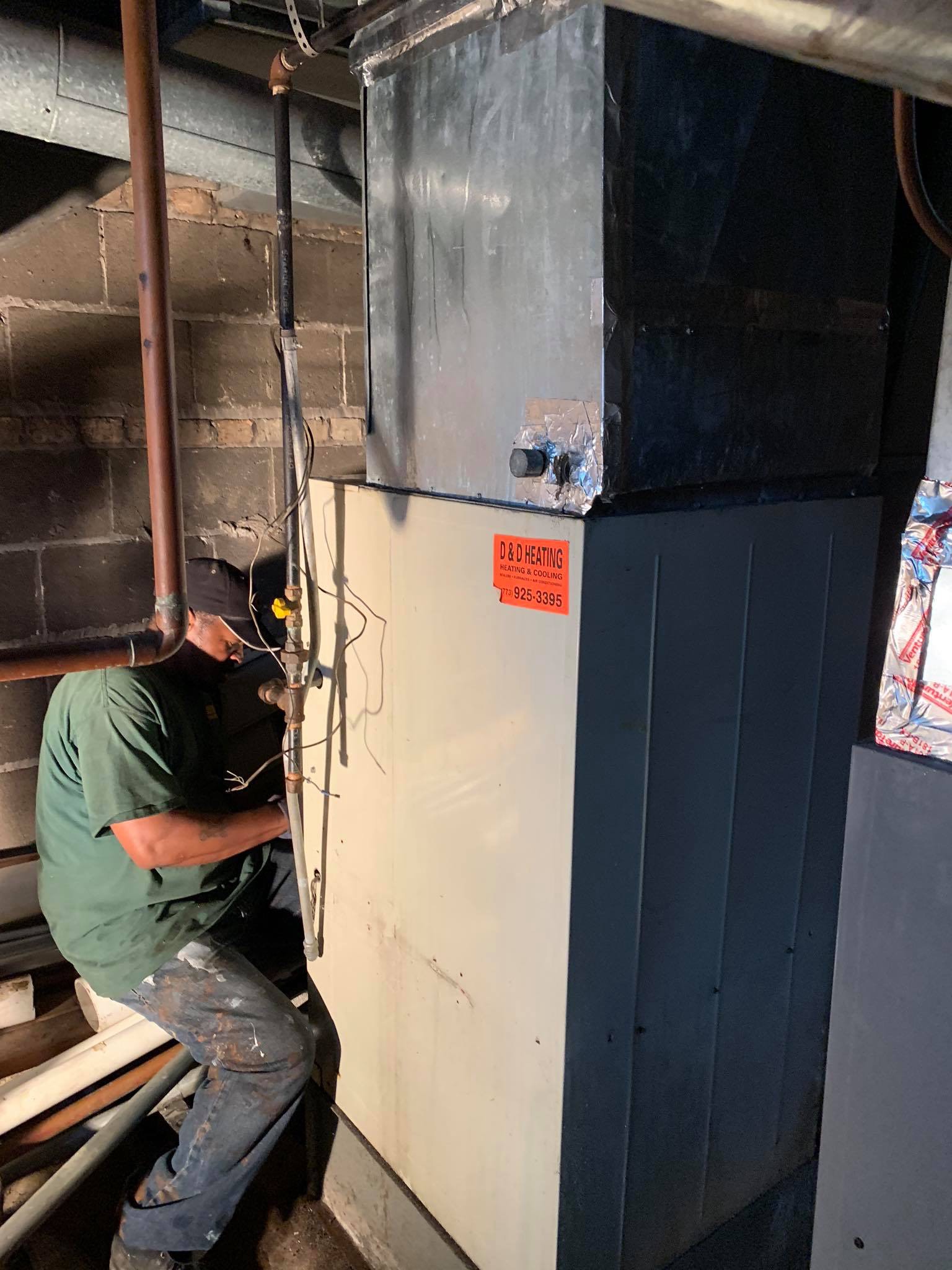
HVAC Cost for 3000 Sq Ft Home
HVAC Cost for 3000 Sq Ft Home in Chicago | 2026 Pricing Guide
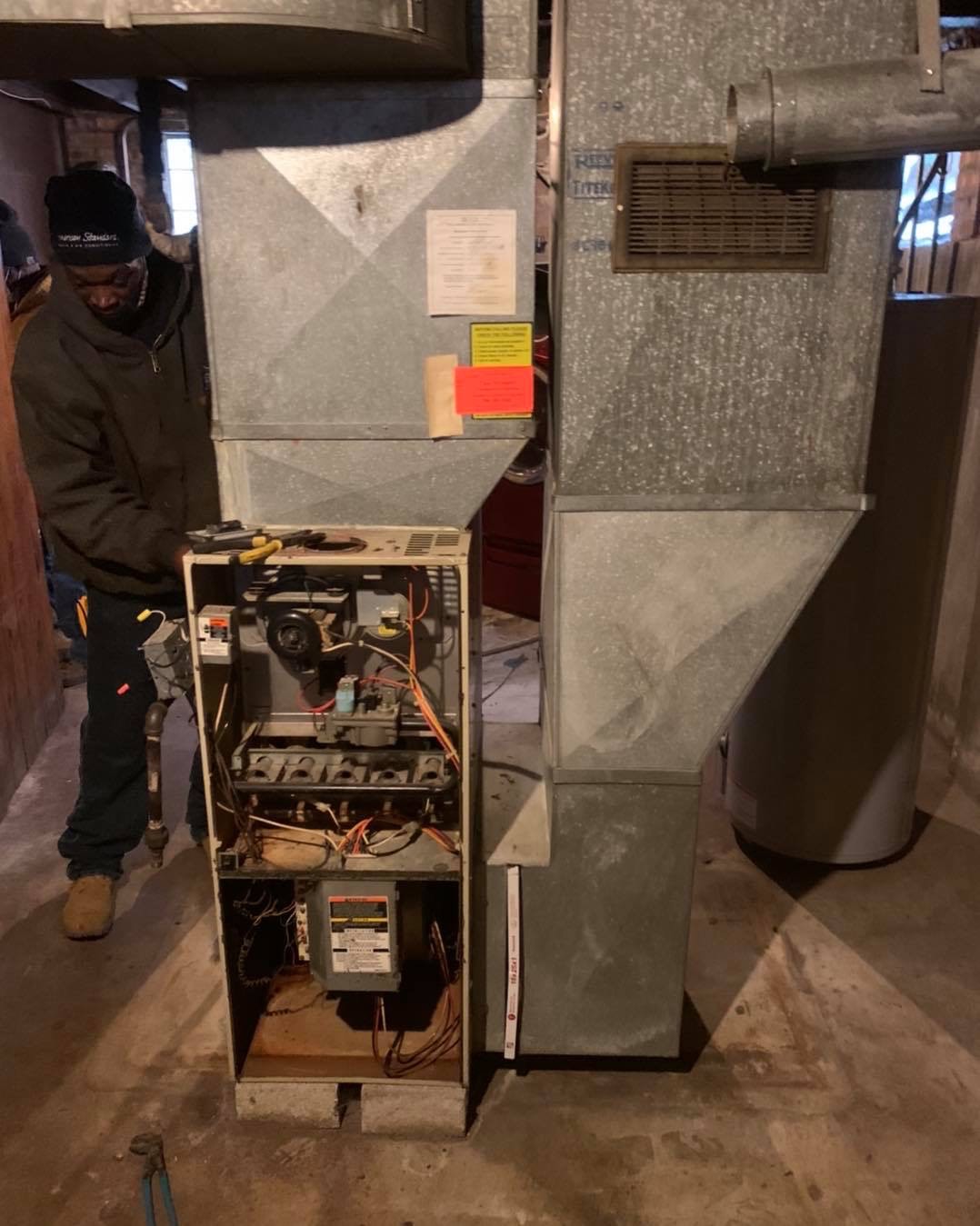
Installing or replacing an HVAC system in a 3000 square foot Chicago home typically costs between $12,000 and $25,000, depending on system type, efficiency ratings, and installation complexity. This significant investment directly impacts your home's comfort, energy bills, and property value for the next 15 to 20 years.
Chicago's extreme temperature swings demand properly sized, high-performing heating and cooling equipment. Understanding what drives these costs helps you budget accurately and avoid overpaying.
This guide breaks down equipment prices, labor costs, efficiency considerations, and money-saving opportunities specific to Chicago homeowners with larger properties.
Average HVAC Cost for a 3000 Sq Ft Home in Chicago
A complete HVAC system for a 3000 square foot home in Chicago ranges from $12,000 to $25,000 for standard to high-efficiency equipment. Premium systems with advanced features can exceed $30,000. These figures include both equipment and professional installation.
Chicago's climate requires robust heating capacity for harsh winters and reliable cooling for humid summers. This dual demand often means higher equipment costs compared to milder regions.
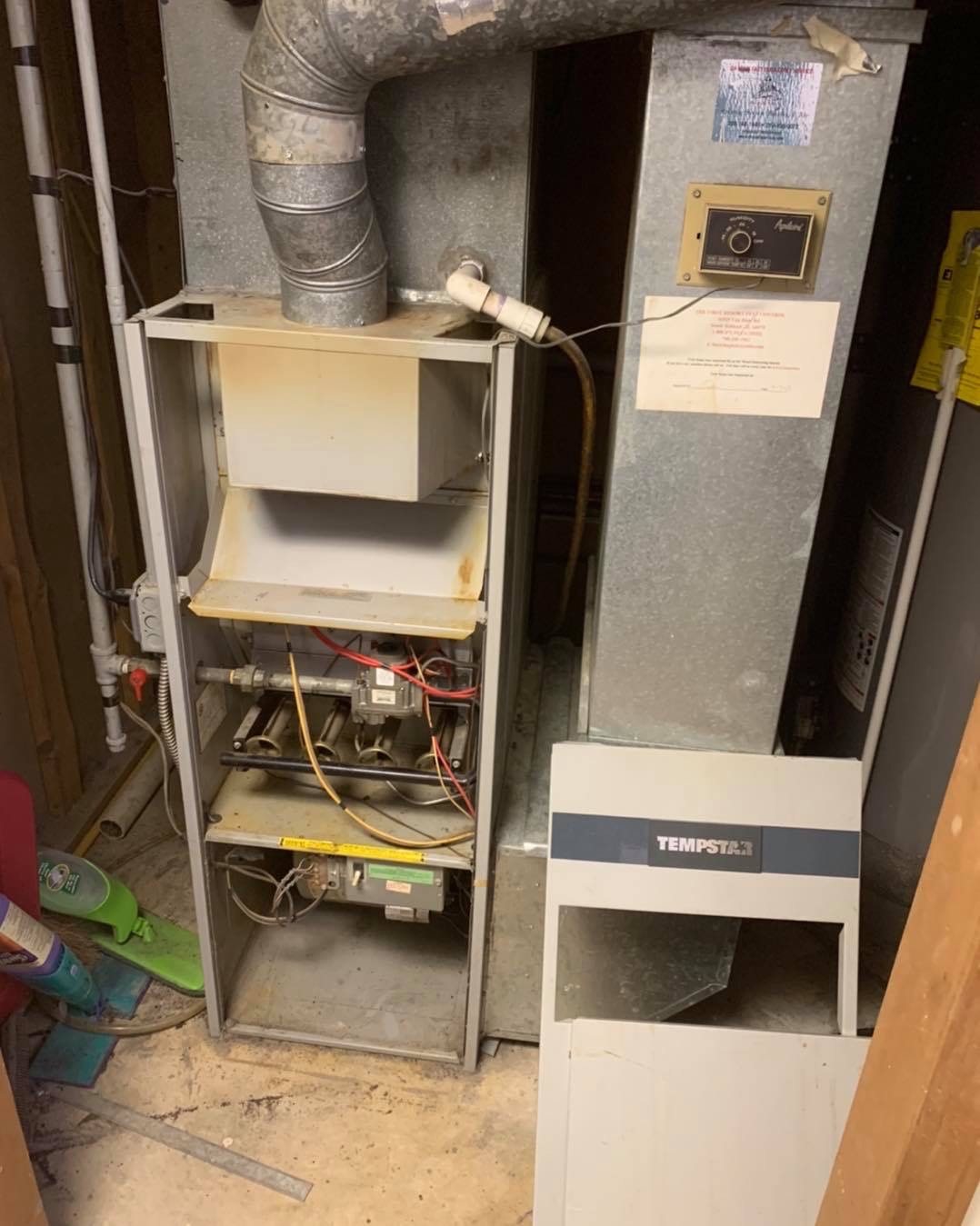
Total Installation Cost Breakdown
The total investment divides into several categories. Equipment typically represents 60% to 70% of your total cost. Labor accounts for 20% to 30%. Permits, materials, and miscellaneous expenses make up the remaining 10% to 15%.
For a mid-range system in a 3000 sq ft home, expect equipment costs between $7,500 and $15,000. Installation labor runs $3,000 to $6,000. Additional materials and permits add $1,500 to $3,000.
Equipment Costs vs. Labor Costs
Equipment pricing varies dramatically based on brand, efficiency rating, and features. A standard 5-ton central air conditioner costs $3,500 to $7,500. A matching gas furnace runs $2,500 to $6,000. Heat pumps range from $4,500 to $12,000.
Labor costs in Chicago reflect the skilled trade market. Licensed HVAC technicians charge $75 to $150 per hour. A complete installation requires 2 to 3 technicians working 1 to 3 days, depending on complexity.
Price Ranges by System Type
System Type
Equipment Cost
Installation Cost
Total Cost Range
Central AC + Gas Furnace
$6,000 - $13,000
$3,000 - $5,500
$9,000 - $18,500
Heat Pump System
$4,500 - $12,000
$3,500 - $6,000
$8,000 - $18,000
Dual-Fuel Hybrid
$8,000 - $15,000
$4,000 - $7,000
$12,000 - $22,000
Ductless Mini-Split (Multi-Zone)
$10,000 - $20,000
$3,000 - $8,000
$13,000 - $28,000
Geothermal Heat Pump
$15,000 - $30,000
$10,000 - $20,000
$25,000 - $50,000
Factors That Affect HVAC Pricing for Larger Homes
A 3000 square foot home presents unique challenges that directly impact installation costs. Understanding these factors helps you anticipate expenses and make informed decisions during the bidding process.
Home Layout and Ductwork Complexity
Multi-story homes cost more to heat and cool effectively. Heat rises, creating temperature imbalances between floors. A two-story 3000 sq ft home often requires zoned systems or additional equipment compared to a single-story ranch of the same size.
Existing ductwork condition matters significantly. Older homes may have undersized, damaged, or poorly designed duct systems. Ductwork modifications add $1,000 to $5,000 to your project. Complete duct replacement runs $5,000 to $12,000.
Insulation Quality and Energy Efficiency
Poor insulation forces HVAC systems to work harder, requiring larger equipment. Before installing new HVAC, assess your home's insulation levels. Upgrading attic insulation costs $1,500 to $3,500 but can reduce your required equipment size and operating costs.
Air sealing around windows, doors, and penetrations also affects system sizing. A well-sealed home may need a smaller, less expensive system while achieving better comfort.
Number of Zones and Thermostat Requirements
Single-zone systems cost less upfront but may struggle with temperature consistency in larger homes. Zoned systems divide your home into 2 to 4 independently controlled areas, improving comfort and efficiency.
Adding zoning to a ducted system costs $2,000 to $3,500 for a two-zone setup. Each additional zone adds $500 to $1,500. Smart thermostats with zoning capabilities range from $250 to $500 per unit.
Chicago Climate Considerations
Chicago experiences temperature extremes from -10°F in winter to 95°F+ in summer. This 100+ degree swing demands equipment rated for both extremes. Systems must handle heating loads of 80,000 to 120,000 BTU and cooling loads of 4 to 5 tons for a typical 3000 sq ft home.
The heating season runs roughly 6 months, making furnace efficiency critical for operating costs. A 95% AFUE furnace costs more upfront but saves $200 to $400 annually compared to an 80% model.
HVAC System Types and Their Costs for 3000 Sq Ft Homes
Choosing the right system type affects both initial investment and long-term operating costs. Each option has distinct advantages for Chicago's climate and larger homes.
Central Air Conditioning Systems
Central air conditioning remains the most common cooling solution for homes with existing ductwork. A 3000 sq ft home typically requires a 4 to 5-ton unit. Standard efficiency units (14-16 SEER) cost $3,500 to $5,500. High-efficiency models (18-26 SEER) run $5,500 to $8,500.
Installation adds $1,500 to $3,500 depending on complexity. Replacing an existing unit costs less than installing where none existed.
Furnace and Heating System Options
Gas furnaces dominate Chicago's heating market due to natural gas availability and efficiency. An 80% AFUE furnace costs $2,000 to $3,500 for equipment. A 95%+ AFUE high-efficiency furnace runs $3,500 to $6,500.
For homes without natural gas access, propane furnaces cost similarly but have higher fuel costs. Electric furnaces cost less to install ($1,500 to $3,000) but significantly more to operate in Chicago's climate.
Heat Pump Systems
Heat pumps provide both heating and cooling from a single unit. Modern cold-climate heat pumps work efficiently down to -15°F, making them viable for Chicago. Air-source heat pumps cost $4,500 to $8,000 for equipment plus $3,000 to $5,000 for installation.
Heat pumps offer lower operating costs than gas furnaces when electricity rates are favorable. They also eliminate the need for separate AC and furnace systems.
Ductless Mini-Split Systems
Ductless systems work well for homes without existing ductwork or as supplements to central systems. A multi-zone system covering 3000 sq ft requires 4 to 8 indoor units connected to 1 to 2 outdoor condensers.
Equipment costs range from $10,000 to $20,000 for a whole-home setup. Installation adds $3,000 to $8,000. While expensive, ductless systems offer zone control and eliminate duct losses that waste 20% to 30% of energy in typical systems.
Hybrid and Dual-Fuel Systems
Dual-fuel systems pair an electric heat pump with a gas furnace backup. The heat pump handles moderate temperatures efficiently, while the furnace takes over during extreme cold. This combination optimizes both comfort and operating costs.
Equipment costs run $8,000 to $15,000. Installation adds $4,000 to $7,000. The higher upfront cost often pays back through reduced utility bills within 5 to 8 years.
HVAC Installation vs. Replacement Costs
Whether you're building new or replacing existing equipment significantly impacts your total investment. Understanding these differences helps you budget accurately.
New Construction Installation Pricing
New construction offers cost advantages. Contractors work without obstacles from existing systems. Ductwork installation happens before walls close, reducing labor time. Equipment placement optimizes efficiency without compromise.
New construction HVAC installation for a 3000 sq ft home typically costs 10% to 20% less than retrofit projects. Expect $10,000 to $20,000 for a complete system including ductwork.
Replacement and Retrofit Costs
Replacing existing equipment involves removal and disposal of old systems. Contractors must work around finished spaces, increasing labor time. Existing ductwork may require modifications to accommodate new equipment.
Replacement projects typically add $500 to $2,000 for removal and disposal. Ductwork modifications add another $1,000 to $5,000 if needed. Total replacement costs for a 3000 sq ft home run $12,000 to $25,000.
When Repair Makes More Sense Than Replacement
Not every HVAC problem requires full replacement. Consider repair when your system is less than 10 years old, repair costs are under 50% of replacement value, and the system still meets your comfort needs.
Replace when your system exceeds 15 years old, requires frequent repairs, uses R-22 refrigerant (phased out), or fails to maintain comfortable temperatures. Energy savings from new equipment often justify replacement for systems over 12 years old.
Energy Efficiency Ratings and Long-Term Savings
Higher efficiency equipment costs more upfront but reduces monthly utility bills. Understanding efficiency ratings helps you calculate true costs over your system's lifetime.
Understanding SEER, AFUE, and HSPF Ratings
SEER (Seasonal Energy Efficiency Ratio) measures cooling efficiency. Higher numbers mean lower operating costs. Minimum standards require 14 SEER in northern states. High-efficiency units reach 20-26 SEER.
AFUE (Annual Fuel Utilization Efficiency) measures furnace efficiency as a percentage. An 80% AFUE furnace converts 80% of fuel to heat. High-efficiency models reach 95-98% AFUE.
HSPF (Heating Seasonal Performance Factor) measures heat pump heating efficiency. Minimum standards require 8.8 HSPF. High-efficiency models reach 10-13 HSPF.
High-Efficiency vs. Standard Equipment Costs
High-efficiency equipment typically costs 30% to 50% more than standard models. A standard 16 SEER AC costs around $4,000. A 20 SEER model runs $6,000 to $7,500.
The price difference for furnaces is similar. An 80% AFUE furnace costs $2,500. A 96% AFUE model costs $4,500 to $5,500.
Calculating Return on Investment
For a 3000 sq ft Chicago home, upgrading from 14 SEER to 20 SEER AC saves approximately $150 to $250 annually on cooling costs. Upgrading from 80% to 96% AFUE furnace saves $200 to $400 annually on heating.
Combined annual savings of $350 to $650 offset the $3,000 to $5,000 efficiency upgrade cost within 5 to 10 years. Systems last 15 to 20 years, providing 5 to 15 years of pure savings after payback.
Additional Costs to Budget For
Beyond equipment and labor, several additional expenses affect your total HVAC investment. Planning for these costs prevents budget surprises.
Permits and Inspection Fees in Chicago
Chicago requires permits for HVAC installation and replacement. Permit fees range from $75 to $250 depending on project scope. Inspections ensure work meets building codes and manufacturer specifications.
Reputable contractors include permit costs in their quotes. Be wary of contractors who suggest skipping permits. Unpermitted work can void warranties and create problems when selling your home.
Ductwork Modification or Replacement
Existing ductwork often needs attention during system replacement. Sealing leaky ducts costs $500 to $1,500. Resizing sections to match new equipment adds $1,000 to $3,000. Complete duct replacement runs $5,000 to $12,000.
Duct cleaning before new system installation costs $300 to $500. This removes debris that could contaminate your new equipment.
Thermostat and Smart Home Integration
Basic programmable thermostats cost $50 to $150. Smart thermostats with Wi-Fi connectivity and learning features run $150 to $350. Zoning-capable smart thermostats cost $250 to $500.
Smart thermostats can reduce energy costs by 10% to 15% through optimized scheduling and occupancy detection. Many utility companies offer rebates of $50 to $100 for smart thermostat installation.
Maintenance Plans and Warranties
Extended warranties beyond manufacturer coverage cost $150 to $500 depending on coverage length and terms. These protect against unexpected repair costs during the first 5 to 10 years.
Annual maintenance plans cost $150 to $300 per year. Regular maintenance extends equipment life, maintains efficiency, and catches problems before they become expensive repairs.
How to Get Accurate HVAC Quotes in Chicago
Getting reliable quotes requires understanding the assessment process and knowing what questions to ask. This knowledge helps you compare bids fairly and identify quality contractors.
What to Expect During a Home Assessment
Professional contractors perform load calculations before quoting. They measure your home, assess insulation, count windows, and evaluate existing ductwork. This process takes 45 minutes to 2 hours.
Avoid contractors who quote over the phone without seeing your home. Proper sizing requires on-site evaluation. Oversized systems short-cycle, reducing efficiency and lifespan. Undersized systems run constantly without achieving comfort.
Questions to Ask Your HVAC Contractor
Request detailed written quotes that itemize equipment, labor, materials, and permits. Ask about equipment brands and model numbers. Verify contractor licensing and insurance. Request references from recent projects similar to yours.
Ask about warranty coverage for both equipment and labor. Understand what maintenance is required to maintain warranty validity. Clarify payment terms and project timeline.
Red Flags to Avoid When Comparing Bids
Be cautious of quotes significantly lower than others. Lowball bids often indicate inferior equipment, unlicensed workers, or hidden costs. Extremely high quotes may reflect unnecessary upselling.
Avoid contractors who pressure immediate decisions, refuse to provide written quotes, or cannot show proper licensing. High-pressure sales tactics often indicate companies more interested in closing deals than serving customers.
Financing Options and Rebates for Chicago Homeowners
Several programs help make HVAC investments more affordable. Taking advantage of these opportunities reduces your out-of-pocket costs.
HVAC Financing Plans
Many HVAC contractors offer financing through third-party lenders. Terms range from 12 to 120 months. Interest rates vary from 0% promotional rates to 15%+ depending on credit and terms.
Same-as-cash financing offers 0% interest if paid within 6 to 18 months. This option works well if you can pay off the balance before the promotional period ends.
Utility Rebates and Incentives
ComEd and Peoples Gas offer rebates for high-efficiency equipment. Central AC rebates range from $50 to $400 depending on SEER rating. Furnace rebates run $100 to $400 for high-efficiency models. Heat pump rebates reach $500 to $1,000.
Check current rebate availability before purchasing. Programs change annually and may have limited funding. Your contractor should help identify applicable rebates.
Federal Tax Credits for Energy-Efficient Systems
The federal government offers tax credits for qualifying high-efficiency HVAC equipment through 2032. Heat pumps meeting efficiency requirements qualify for credits up to 30% of cost, maximum $2,000 annually. High-efficiency furnaces and AC qualify for credits up to $600 each.
These credits directly reduce your tax liability. Consult a tax professional to understand how credits apply to your situation.
Conclusion
HVAC costs for a 3000 sq ft Chicago home range from $12,000 to $25,000 depending on system type, efficiency level, and installation complexity. Understanding these factors helps you budget accurately and make informed decisions that balance upfront costs with long-term value.
Investing in properly sized, energy-efficient equipment pays dividends through lower utility bills, improved comfort, and extended system life. Chicago's climate demands quality heating and cooling solutions that perform reliably through extreme temperature swings.
We help Chicago homeowners navigate HVAC decisions with transparent pricing and expert guidance. Contact Chicago Comfort HVAC for a free home assessment and detailed quote tailored to your 3000 sq ft home's specific needs.
Frequently Asked Questions
How much does a new HVAC system cost for a 3000 sq ft house?
A complete HVAC system for a 3000 sq ft home costs $12,000 to $25,000 in Chicago. This includes equipment, installation labor, permits, and materials. High-efficiency or premium systems can exceed $30,000.
What size HVAC unit do I need for 3000 square feet?
Most 3000 sq ft homes in Chicago need a 4 to 5-ton cooling system and a furnace with 80,000 to 120,000 BTU heating capacity. Exact sizing depends on insulation, windows, ceiling height, and home layout. Professional load calculations ensure proper sizing.
Is it cheaper to install HVAC in new construction or replace an existing system?
New construction HVAC installation typically costs 10% to 20% less than replacement projects. New builds allow easier ductwork installation and equipment placement. Replacement projects involve removal costs and working around finished spaces.
How long does HVAC installation take for a 3000 sq ft home?
Complete HVAC installation takes 1 to 3 days for most 3000 sq ft homes. Simple equipment replacements finish in one day. Projects requiring ductwork modifications or new duct installation may take 3 to 5 days.
What is the most energy-efficient HVAC system for a large home?
Geothermal heat pumps offer the highest efficiency but cost significantly more upfront. For most homeowners, a dual-fuel hybrid system or high-efficiency heat pump provides the best balance of efficiency and cost. Look for 18+ SEER cooling and 95%+ AFUE heating ratings.
Do I need multiple HVAC zones for a 3000 sq ft home?
Zoning significantly improves comfort in larger homes, especially multi-story layouts. While not required, zoning allows independent temperature control for different areas. Two to four zones work well for most 3000 sq ft homes, adding $2,000 to $5,000 to installation costs.
How can I reduce my HVAC installation costs in Chicago?
Schedule installation during off-peak seasons (spring or fall) when contractors offer better pricing. Take advantage of utility rebates and federal tax credits. Consider mid-tier efficiency equipment that balances upfront cost with energy savings. Get multiple quotes to ensure competitive pricing.
Follow a maintenance program
Ante gravida id aenean quis egestas risus nam amet nullam leo diam diam aliquam eu eu malesuada arcu rhoncus suspendisse nulla mattis ut amet sagittis in justo egestas.

search for a trusted mechanic
Lorem ipsum dolor sit amet, consectetur adipiscing elit lobortis arcu enim urna adipiscing praesent velit viverra sit semper lorem eu cursus vel hendrerit elementum morbi curabitur etiam nibh justo, lorem aliquet donec sed sit mi dignissim at ante massa mattis.
- Neque sodales ut etiam sit amet nisl purus non tellus orci ac auctor
- Adipiscing elit ut aliquam purus sit amet viverra suspendisse potent
- Mauris commodo quis imperdiet massa tincidunt nunc pulvinar
- Excepteur sint occaecat cupidatat non proident sunt in culpa qui officia
Check the air pressure in your tires
Vitae congue eu consequat ac felis placerat vestibulum lectus mauris ultrices cursus sit amet dictum sit amet justo donec enim diam porttitor lacus luctus accumsan tortor posuere praesent tristique magna sit amet purus gravida quis blandit turpis.
Review your suspension frequently
At risus viverra adipiscing at in tellus integer feugiat nisl pretium fusce id velit ut tortor sagittis orci a scelerisque purus semper eget at lectus urna duis convallis. porta nibh venenatis cras sed felis eget neque laoreet suspendisse interdum consectetur libero id faucibus nisl donec pretium vulputate sapien nec sagittis aliquam nunc lobortis mattis aliquam faucibus purus in.
- Neque sodales ut etiam sit amet nisl purus non tellus orci ac auctor
- Adipiscing elit ut aliquam purus sit amet viverra suspendisse potent
- Mauris commodo quis imperdiet massa tincidunt nunc pulvinar
- Excepteur sint occaecat cupidatat non proident sunt in culpa qui officia
Service your vehicle as regularly as posible
At risus viverra adipiscing at in tellus integer feugiat nisl pretium fusce id velit ut tortor sagittis orci a scelerisque purus semper eget at lectus urna duis convallis. porta nibh venenatis cras sed felis eget neque laoreet suspendisse interdum consectetur libero id faucibus nisl donec pretium vulputate sapien nec sagittis aliquam nunc lobortis mattis aliquam faucibus purus in.
“Nisi quis eleifend quam adipiscing vitae aliquet bibendum enim facilisis gravida neque velit euismod in pellentesque”
Conclusion
Eget lorem dolor sed viverra ipsum nunc aliquet bibendum felis donec et odio pellentesque diam volutpat commodo sed egestas aliquam sem fringilla ut morbi tincidunt augue interdum velit euismod eu tincidunt tortor aliquam nulla facilisi aenean sed adipiscing diam donec adipiscing ut lectus arcu bibendum at varius vel pharetra nibh venenatis cras sed felis eget.