
Is Cleaning Your Outdoor AC Unit Necessary?
Find out why cleaning your outdoor AC unit is essential for Chicago homes. Learn how it cuts energy bills, prevents costly repairs, and extends system life.
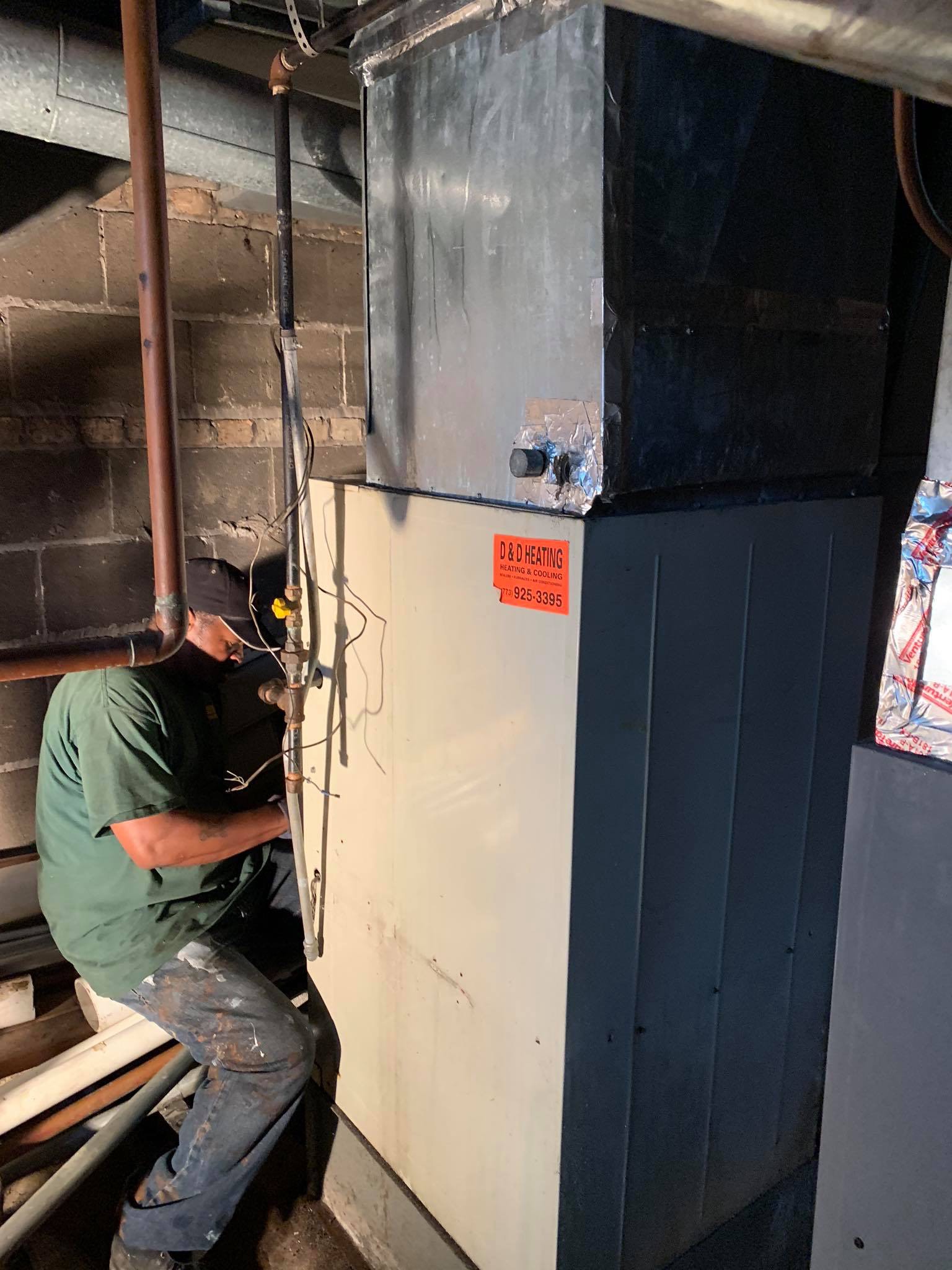
Yes, cleaning your outdoor AC unit is necessary. A dirty condenser coil can reduce your system's cooling efficiency by up to 30%, forcing your compressor to work harder and driving up energy bills every month it goes uncleaned. In Chicago, where cottonwood fluff, pollen, and lake-effect humidity coat outdoor equipment from spring through fall, skipping this maintenance step is one of the fastest ways to shorten your system's lifespan.
This matters more than most homeowners realize. A neglected outdoor unit doesn't just cool poorly. It creates a chain reaction of rising utility costs, compressor strain, and avoidable repair bills that can reach into the thousands.
This guide covers exactly why your outdoor AC unit gets dirty in Chicago, what happens when you ignore it, how often to clean it, whether to DIY or hire a professional, and how routine cleaning protects both your wallet and your warranty.
Why Your Outdoor AC Unit Gets Dirty in Chicago
Your outdoor AC unit, also called the condenser unit, sits exposed to everything Chicago's environment throws at it. Its job is to release heat from your home's refrigerant into the outside air. It does this by pulling air through thin aluminum condenser fins using a large fan. When those fins get clogged, heat transfer drops and your entire cooling system suffers.
Chicago presents a uniquely challenging environment for outdoor HVAC equipment. The combination of dense urban landscaping, seasonal allergens, and extreme temperature swings means your condenser unit accumulates debris faster than units in milder, drier climates.
Cottonwood, Pollen, and Seasonal Debris
If you've lived in Chicago for even one summer, you know the cottonwood. Those white, fluffy seeds blanket neighborhoods from late May through June, and they stick to condenser coils like a filter. Cottonwood is the single biggest culprit for clogged outdoor AC units across the Chicago metro area.
But it's not just cottonwood. Tree pollen peaks in spring. Grass pollen follows in early summer. Fallen leaves accumulate in autumn. Throughout the year, dust, dirt, and grass clippings from mowing settle into the unit's fins. Even dryer lint from nearby exterior vents can coat the coils over time.
Each layer of debris acts like insulation on the condenser, trapping heat instead of releasing it. The result is a unit that runs longer, works harder, and cools less effectively.
How Chicago's Climate Accelerates Buildup
Chicago's climate is classified as humid continental. Summers are hot and humid, with average highs in the upper 80s and frequent stretches above 90 degrees. That humidity makes airborne debris stick to condenser coils more aggressively than it would in dry climates.
Winter adds its own problems. Freezing rain, ice, road salt carried by wind, and months of snow accumulation can corrode fins and leave mineral deposits on the coil surface. By the time spring arrives, your outdoor unit has endured nearly six months of harsh conditions before cooling season even begins.
This seasonal cycle means Chicago condenser units need more frequent attention than the national average. What works for a homeowner in Phoenix or Atlanta simply isn't enough here.
What Happens When You Skip Outdoor AC Unit Cleaning
Ignoring your outdoor AC unit doesn't cause an immediate breakdown. The damage is gradual, which is exactly why so many homeowners overlook it until something expensive fails. Here's the progression.
Reduced Airflow and Cooling Efficiency
Condenser coils need unrestricted airflow to release heat. When debris blocks even a portion of the fin surface, the unit can't reject heat efficiently. Your system compensates by running longer cooling cycles. Rooms that used to cool down in 15 minutes now take 30. The thermostat setting stays the same, but comfort drops.
According to the U.S. Department of Energy, a dirty condenser coil can increase compressor energy consumption by 30% or more. That's not a subtle difference. It's the equivalent of your AC working a third harder for the same result.
Higher Energy Bills and Unnecessary Strain
Longer run times mean higher electricity consumption. In Chicago, where summer cooling can account for a significant portion of your utility bill between June and September, a dirty condenser translates directly into wasted money.
A system running at reduced efficiency might add $15 to $45 per month to your electric bill during peak cooling season, depending on your system size and how badly the coils are clogged. Over a full summer, that's potentially $50 to $180 in unnecessary costs, money that could have been saved with a simple cleaning.
The compressor also takes the hit. It's the most expensive single component in your AC system, often costing $1,500 to $3,000+ to replace with labor. Every hour it runs under strain from restricted airflow shortens its operational life.
Shortened System Lifespan and Costly Repairs
A well-maintained central air conditioning system in Chicago should last 15 to 20 years. Systems that run with dirty condensers consistently lose years off that expectancy. The compressor overheats. Refrigerant pressures run abnormally high. Electrical components work beyond their design limits.
The most common repair calls tied to neglected outdoor units include compressor failure, refrigerant leaks caused by excessive pressure, burned-out fan motors, and frozen evaporator coils (a downstream effect of poor heat rejection at the condenser). Each of these repairs ranges from several hundred to several thousand dollars.
The irony is that most of these failures are preventable with basic cleaning and annual maintenance.
How Often Should You Clean Your Outdoor AC Unit
Cleaning frequency depends on your specific environment, but Chicago homeowners should follow a more aggressive schedule than what most generic HVAC guides recommend.
Recommended Cleaning Schedule for Chicago Homes
For most Chicago residential properties, this schedule provides reliable protection:
Minimum: Clean the outdoor condenser unit at least twice per year. Once in early spring before you turn on the AC for the season, and once in midsummer after cottonwood season ends (typically late June or early July).
Ideal: Check and lightly rinse the unit monthly during active cooling season (May through September). A quick visual inspection and garden hose rinse takes 10 minutes and prevents buildup from reaching problematic levels.
Professional deep cleaning: Schedule a comprehensive professional maintenance visit once per year, ideally in April or early May before peak cooling demand begins.
Properties near large cottonwood trees, construction sites, or busy roads may need more frequent attention. Commercial properties with rooftop units exposed to urban debris should consider quarterly professional cleanings.
Signs Your Condenser Unit Needs Cleaning Now
Don't wait for the schedule if you notice any of these warning signs:
- Your AC runs constantly but your home doesn't reach the set temperature
- Energy bills spike without a change in usage patterns
- The outdoor unit is visibly coated with debris, lint, or plant material
- You hear the compressor cycling on and off more frequently than usual
- Warm air comes from supply vents even though the system is running
- Ice forms on the refrigerant lines near the outdoor unit (a sign of severe restriction)
- The outdoor unit is louder than normal during operation
Any of these symptoms suggests restricted airflow at the condenser. Cleaning should be your first troubleshooting step before calling for a repair.
DIY Outdoor AC Unit Cleaning vs. Professional Maintenance

Basic condenser cleaning is one of the few HVAC maintenance tasks most homeowners can handle safely. But there's a clear line between what you can do yourself and what requires a licensed technician.
Steps for Basic DIY Condenser Cleaning
Before you start, turn off power to the unit. There's typically a disconnect box mounted on the wall near the outdoor unit. Flip it off, or shut off the breaker at your electrical panel.
Step 1: Remove any large debris by hand. Clear leaves, sticks, grass clippings, and cottonwood fluff from the top and sides of the unit. If your unit has a protective grille on top, remove the screws and lift it off carefully (the fan may be attached).
Step 2: Use a garden hose with a standard nozzle to spray the condenser fins from the inside out. This pushes debris out of the fins rather than deeper in. Work from top to bottom in steady, overlapping passes. Do not use a pressure washer. The fins are thin aluminum and bend easily under high pressure.
Step 3: For stubborn buildup, apply a commercial condenser coil cleaner (available at most hardware stores for $8 to $15). Spray it on, let it sit for the recommended time (usually 5 to 10 minutes), then rinse thoroughly.
Step 4: Straighten any bent fins using a fin comb (around $10). Bent fins block airflow just like debris does.
Step 5: Clear vegetation. Trim any bushes, plants, or grass to maintain at least 24 inches of clearance on all sides of the unit. This ensures adequate airflow.
Step 6: Restore power and verify the unit starts normally.
The entire process takes 20 to 40 minutes and costs almost nothing if you already own a garden hose.
When to Call a Professional HVAC Technician
DIY cleaning handles surface-level debris. It doesn't address deeper mechanical and electrical issues. Call a professional when:
- The coils are severely clogged and a garden hose doesn't restore them
- You notice refrigerant line icing even after cleaning
- The unit makes grinding, squealing, or banging noises
- Your system still underperforms after a thorough cleaning
- You haven't had a professional tune-up in over a year
- You're uncomfortable working around electrical components
A professional technician has the tools and training to diagnose issues that cleaning alone won't fix, including low refrigerant charge, failing capacitors, worn contactors, and electrical problems.
What Professional AC Maintenance Includes
A professional AC maintenance visit goes well beyond what you can do with a hose. A typical tune-up from a qualified Chicago HVAC contractor includes:
- Chemical cleaning of condenser and evaporator coils
- Checking and adjusting refrigerant charge
- Testing electrical connections and tightening terminals
- Inspecting and lubricating the fan motor and bearings
- Measuring amperage draw on the compressor
- Checking the capacitor and contactor
- Inspecting the condensate drain line
- Verifying thermostat calibration
- Testing system temperature differential (supply vs. return air)
- Documenting system condition and flagging potential issues
Professional maintenance visits in Chicago typically cost between $89 and $200, depending on the contractor and what's included. Many HVAC companies offer annual maintenance plans that reduce the per-visit cost and include priority scheduling during peak season.
The return on that investment is significant. Catching a failing capacitor during a $150 tune-up is far cheaper than an emergency compressor replacement on the hottest day of July.
How a Clean AC Unit Saves You Money in Chicago
Cleaning your outdoor AC unit isn't just about comfort. It's a direct financial decision with measurable returns.
Energy Efficiency and Lower Utility Costs
A clean condenser coil allows your system to operate at its designed efficiency rating. If you purchased a 16 SEER2 system, it only delivers 16 SEER2 performance when the coils are clean and airflow is unrestricted.
The Department of Energy estimates that replacing a dirty filter alone can lower air conditioner energy consumption by 5% to 15%. Condenser coil cleaning has an even larger impact because the outdoor unit handles the most energy-intensive part of the cooling cycle: heat rejection.
For a typical Chicago home spending $150 to $300 per month on electricity during summer, even a 10% efficiency improvement from clean coils saves $15 to $30 monthly. Over a 15-year system lifespan, that adds up to hundreds or thousands of dollars in avoided energy waste.
Preventing Expensive Repairs and Early Replacement
The math on preventive maintenance is straightforward. A new central air conditioning system in Chicago costs between $4,000 and $12,000+ installed, depending on system type, efficiency rating, and home requirements. Compressor replacement alone runs $1,500 to $3,000+.
Regular cleaning and annual professional maintenance cost roughly $150 to $300 per year. Over 15 years, that's $2,250 to $4,500 in total maintenance costs. If that maintenance extends your system's life by even three to five years and prevents one major repair, you've saved thousands.
The cost-benefit calculation isn't close. Routine cleaning is one of the highest-return investments you can make in your home's HVAC system.
Outdoor AC Unit Cleaning and Your HVAC Warranty
Most HVAC manufacturers require proof of regular maintenance to honor equipment warranties. This is a detail many homeowners miss until they need to file a claim.
Carrier, Lennox, Trane, Goodman, and virtually every major manufacturer include language in their warranty terms stating that damage caused by lack of maintenance is not covered. A compressor that fails because of chronic overheating from a clogged condenser coil? That's a maintenance issue, and the manufacturer can deny the claim.
Keeping records of your maintenance, both DIY and professional, protects your warranty coverage. Save receipts from professional tune-ups. Take dated photos when you clean the unit yourself. If you're on a maintenance plan with your HVAC contractor, they typically keep service records on file.
For systems still under the manufacturer's parts warranty (usually 5 to 10 years), this documentation can mean the difference between a covered repair and an out-of-pocket expense of several thousand dollars.
How Chicago Weather Affects Your Entire HVAC System
Your outdoor AC unit doesn't operate in isolation. Chicago's extreme seasonal swings affect every component of your heating and cooling system. Understanding this broader context helps you plan maintenance more effectively and budget for long-term system care.
Preparing Your AC for Chicago Summers
Chicago summers demand peak performance from your cooling system. Temperatures regularly exceed 90 degrees, and humidity levels make it feel even hotter. Your AC runs hardest during July and August, which is exactly when you can least afford a breakdown.
Spring preparation should include cleaning the outdoor unit, replacing the air filter, checking the condensate drain, and scheduling a professional tune-up. Doing this in April or early May ensures your system is ready before the first heat wave and before HVAC contractors hit their busiest season.
If your system is older than 10 years, spring is also the right time to have a technician assess its overall condition. Identifying a failing component in May gives you time to plan and budget. Discovering it in a July emergency limits your options and often costs more.
Winterizing Your Outdoor Unit Before the First Freeze
Once cooling season ends in Chicago (typically mid to late October), your outdoor AC unit sits idle for five to six months. Proper winterization protects it from ice, snow, and debris accumulation.
After the last use of the season, run the system for a few minutes to dry residual moisture from the coils. Clear any remaining debris from around the unit. Some homeowners cover the top of the unit with a piece of plywood or a breathable cover to prevent ice and falling debris from damaging the fan. Avoid wrapping the entire unit in a tarp, as this traps moisture and encourages corrosion.
In spring, remove any cover, inspect the unit for visible damage, and clean it thoroughly before the first use. This simple seasonal routine takes minimal effort and prevents the kind of off-season deterioration that leads to spring startup failures.
Conclusion
Cleaning your outdoor AC unit is not optional maintenance. It's a necessary step that directly affects your system's efficiency, lifespan, energy costs, and warranty coverage. For Chicago homeowners dealing with cottonwood, humidity, and extreme seasonal conditions, regular condenser cleaning is one of the simplest and most cost-effective ways to protect your HVAC investment.
The stakes are real. A neglected outdoor unit leads to higher bills, more frequent repairs, and premature system replacement. A clean unit runs at peak efficiency, lasts longer, and keeps your home comfortable through Chicago's most demanding weather.
We help Chicago homeowners and businesses keep their HVAC systems running right. Whether you need a professional tune-up, a full system assessment, or honest guidance on repair vs. replacement, Chicago Comfort HVAC delivers transparent pricing and expert workmanship. Call us today to schedule your AC maintenance and get ahead of the next cooling season.
Frequently Asked Questions
Can I clean my outdoor AC unit with just a garden hose?
Yes. A standard garden hose is the recommended tool for rinsing condenser coils. Spray from the inside out to push debris through the fins. Do not use a pressure washer, as the high pressure bends the delicate aluminum fins and can cause damage.
How much does professional outdoor AC unit cleaning cost in Chicago?
Professional AC maintenance visits in Chicago typically range from $89 to $200. This usually includes coil cleaning, refrigerant check, electrical inspection, and a full system performance evaluation. Annual maintenance plans often reduce the per-visit cost.
Does cleaning my outdoor AC unit really lower my energy bills?
Yes. A dirty condenser coil can increase energy consumption by up to 30%, according to the U.S. Department of Energy. Cleaning restores proper heat transfer and allows your system to cool your home without running overtime.
What is the best time of year to clean an outdoor AC unit in Chicago?
Early spring (April or May) is the best time for a thorough cleaning and professional tune-up. A second cleaning in late June or early July, after cottonwood season, is recommended for Chicago properties. Monthly rinses during summer provide additional protection.
Will a dirty outdoor unit void my HVAC warranty?
It can. Most manufacturers require proof of regular maintenance to honor warranty claims. Damage caused by neglected maintenance, including compressor failure from a clogged condenser, is typically excluded from warranty coverage. Keep service records and receipts.
Should I cover my outdoor AC unit during Chicago winters?
Covering the top of the unit with a piece of plywood or breathable cover helps protect against ice and falling debris. Do not wrap the entire unit in a tarp or plastic, as this traps moisture inside and promotes rust and corrosion on internal components.
How do I know if my outdoor AC unit needs cleaning or a professional repair?
Start with cleaning. If your system underperforms, runs constantly, or produces warm air, clean the condenser coils and replace the air filter first. If problems persist after cleaning, the issue is likely mechanical or electrical, and you should call a licensed HVAC technician for diagnosis
Follow a maintenance program
Ante gravida id aenean quis egestas risus nam amet nullam leo diam diam aliquam eu eu malesuada arcu rhoncus suspendisse nulla mattis ut amet sagittis in justo egestas.

search for a trusted mechanic
Lorem ipsum dolor sit amet, consectetur adipiscing elit lobortis arcu enim urna adipiscing praesent velit viverra sit semper lorem eu cursus vel hendrerit elementum morbi curabitur etiam nibh justo, lorem aliquet donec sed sit mi dignissim at ante massa mattis.
- Neque sodales ut etiam sit amet nisl purus non tellus orci ac auctor
- Adipiscing elit ut aliquam purus sit amet viverra suspendisse potent
- Mauris commodo quis imperdiet massa tincidunt nunc pulvinar
- Excepteur sint occaecat cupidatat non proident sunt in culpa qui officia
Check the air pressure in your tires
Vitae congue eu consequat ac felis placerat vestibulum lectus mauris ultrices cursus sit amet dictum sit amet justo donec enim diam porttitor lacus luctus accumsan tortor posuere praesent tristique magna sit amet purus gravida quis blandit turpis.
Review your suspension frequently
At risus viverra adipiscing at in tellus integer feugiat nisl pretium fusce id velit ut tortor sagittis orci a scelerisque purus semper eget at lectus urna duis convallis. porta nibh venenatis cras sed felis eget neque laoreet suspendisse interdum consectetur libero id faucibus nisl donec pretium vulputate sapien nec sagittis aliquam nunc lobortis mattis aliquam faucibus purus in.
- Neque sodales ut etiam sit amet nisl purus non tellus orci ac auctor
- Adipiscing elit ut aliquam purus sit amet viverra suspendisse potent
- Mauris commodo quis imperdiet massa tincidunt nunc pulvinar
- Excepteur sint occaecat cupidatat non proident sunt in culpa qui officia
Service your vehicle as regularly as posible
At risus viverra adipiscing at in tellus integer feugiat nisl pretium fusce id velit ut tortor sagittis orci a scelerisque purus semper eget at lectus urna duis convallis. porta nibh venenatis cras sed felis eget neque laoreet suspendisse interdum consectetur libero id faucibus nisl donec pretium vulputate sapien nec sagittis aliquam nunc lobortis mattis aliquam faucibus purus in.
“Nisi quis eleifend quam adipiscing vitae aliquet bibendum enim facilisis gravida neque velit euismod in pellentesque”
Conclusion
Eget lorem dolor sed viverra ipsum nunc aliquet bibendum felis donec et odio pellentesque diam volutpat commodo sed egestas aliquam sem fringilla ut morbi tincidunt augue interdum velit euismod eu tincidunt tortor aliquam nulla facilisi aenean sed adipiscing diam donec adipiscing ut lectus arcu bibendum at varius vel pharetra nibh venenatis cras sed felis eget.
