What Does an HVAC Tune-Up Include?
What does an HVAC tune-up include? See the full checklist of inspections, tests, and cleaning steps Chicago HVAC pros perform. Learn costs and scheduling tips.

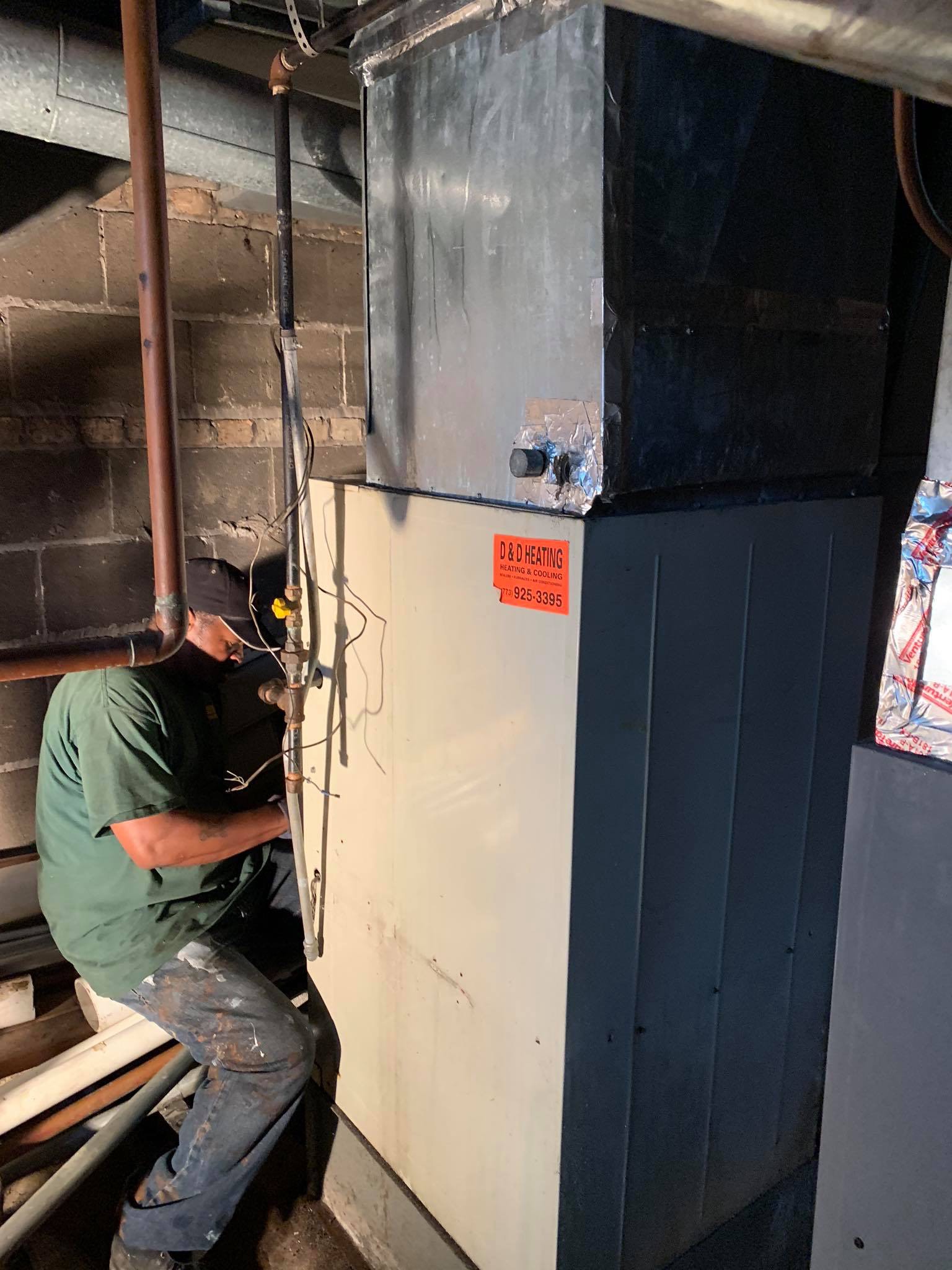
An HVAC tune-up is a professional maintenance visit where a licensed technician inspects, cleans, and adjusts your heating and cooling system to keep it running safely and efficiently. A standard tune-up covers roughly 15 to 20 individual checks, from thermostat calibration and air filter replacement to refrigerant levels, electrical connections, and carbon monoxide testing.
For Chicago homeowners, scheduling this service before summer and winter is one of the simplest ways to avoid mid-season breakdowns when temperatures swing from sub-zero lows to 90-degree heat. This guide walks through every step a qualified technician performs during a tune-up, what it costs in the Chicago market, how often you need one, and how to pick the right contractor for the job.
What Is an HVAC Tune-Up?
An HVAC tune-up is a preventive maintenance service designed to catch small problems before they become expensive repairs. Think of it the same way you think about an oil change for your car. A certified technician goes through a structured checklist, testing each component of your furnace, air conditioner, or heat pump to confirm everything operates within manufacturer specifications.
The goal is straightforward: maximize energy efficiency, extend equipment lifespan, and ensure safe operation. Most tune-ups take between 45 minutes and two hours depending on system age, type, and condition.
How a Tune-Up Differs from an HVAC Repair
A tune-up is proactive. A repair is reactive. During a tune-up, the technician identifies worn parts, dirty components, and minor issues that haven't caused a failure yet. A repair happens after something has already broken, often at a higher cost and with less convenient timing.
For example, a tune-up might reveal a capacitor showing early signs of wear. Replacing it during the visit costs a fraction of what an emergency call would cost on a January night when the furnace stops working entirely. Tune-ups reduce the likelihood of needing repairs, but they don't replace them when a component has already failed.
Why Chicago Homeowners Need Seasonal Tune-Ups
Chicago's climate puts HVAC systems through extreme stress. Winter temperatures regularly drop below zero, and summer humidity pushes cooling systems hard for months. That range of demand means both your furnace and your air conditioner log heavy hours compared to systems in milder climates.
The city's older housing stock adds another layer. Many Chicago homes, especially bungalows, two-flats, and greystones, have ductwork and insulation that don't meet current efficiency standards. A tune-up helps your system compensate for those structural realities by making sure every component is performing at its best. Skipping seasonal maintenance in a climate this demanding shortens equipment life and drives up monthly utility bills.
What Does an HVAC Tune-Up Include? Full Checklist
A comprehensive HVAC tune-up follows a structured checklist that covers mechanical, electrical, and safety components. Below is what a qualified Chicago HVAC technician should inspect, test, and service during a standard visit.
Thermostat Calibration and Settings Check
The technician starts at the thermostat. They verify that the temperature reading is accurate, the system responds correctly to setting changes, and the programmed schedule matches your actual usage patterns. A thermostat that reads even two degrees off can cause your system to run longer than necessary, wasting energy and adding wear.
If you have a smart thermostat, the technician confirms it communicates properly with your HVAC equipment and that firmware is current.
Air Filter Inspection and Replacement
A clogged air filter is the single most common cause of reduced HVAC performance. The technician checks the filter's condition and replaces it if it's dirty. In Chicago, where pollen, dust, and urban particulates are constant factors, filters often need replacement more frequently than the manufacturer's general recommendation.
A clean filter improves airflow, reduces strain on the blower motor, and keeps evaporator coils from collecting debris. Most systems use standard 1-inch or 4-inch pleated filters rated between MERV 8 and MERV 13.
Electrical Connection and Voltage Testing
Loose or corroded electrical connections are a safety hazard and a performance issue. The technician inspects all wiring, tightens connections, and measures voltage and amperage on motors and compressors. Readings outside normal range signal components that are failing or drawing too much power.
This step is especially important in older Chicago homes where electrical panels and wiring may already be near capacity.
Refrigerant Level Check and Leak Detection
For air conditioners and heat pumps, the technician measures refrigerant charge. Too little refrigerant means the system can't cool effectively. Too much puts excess pressure on the compressor. Either condition increases energy consumption and accelerates wear.
If levels are low, the technician checks for leaks in the refrigerant lines, coils, and fittings. A slow leak left unaddressed will eventually cause compressor failure, which is one of the most expensive HVAC repairs.
Condensate Drain Cleaning
Your air conditioner and high-efficiency furnace produce condensation during normal operation. That moisture exits through a condensate drain line. Over time, algae, mold, and debris can clog the line, causing water to back up into the unit or overflow onto your floor.
The technician flushes the drain line and inspects the drain pan. In Chicago basements, where many furnaces are installed, a clogged condensate drain can cause water damage that goes unnoticed for weeks.
Blower Motor and Fan Inspection
The blower motor pushes conditioned air through your ductwork. The technician checks the motor's amperage draw, lubricates bearings if applicable, and inspects the fan blades for balance and cleanliness. An unbalanced or dirty blower works harder, uses more electricity, and distributes air unevenly throughout your home.
Variable-speed blower motors, common in newer high-efficiency systems, require additional diagnostic checks to confirm they're ramping up and down correctly.
Heat Exchanger and Burner Inspection
This is one of the most critical safety checks in a furnace tune-up. The heat exchanger separates combustion gases from the air circulating through your home. A cracked heat exchanger can leak carbon monoxide, an odorless, colorless gas that poses a serious health risk.
The technician visually inspects the heat exchanger for cracks, rust, or corrosion. They also examine the burners for even flame pattern and clean them if carbon buildup is present. A yellow or flickering flame instead of a steady blue one indicates incomplete combustion that needs immediate attention.
Evaporator and Condenser Coil Cleaning
Dirty coils reduce your system's ability to transfer heat. The evaporator coil, located inside the air handler, absorbs heat from indoor air. The condenser coil, located in the outdoor unit, releases that heat outside. When either coil is coated in dust, grime, or debris, the system runs longer and harder to reach the set temperature.
The technician cleans both coils and checks the fins for damage. Bent fins restrict airflow and are straightened with a fin comb during the service.
Safety Controls and Carbon Monoxide Testing
The final step covers all safety mechanisms. The technician tests the high-limit switch, flame sensor, pressure switches, and any other safety controls that shut the system down if something goes wrong. They also test for carbon monoxide at the supply registers and around the furnace.
In Chicago, where homes are sealed tightly against winter cold, proper venting and CO detection are non-negotiable. The technician verifies that flue pipes are properly connected, free of corrosion, and drafting correctly.
Heating Tune-Up vs. Cooling Tune-Up: What's Different?

While many inspection steps overlap, heating and cooling tune-ups focus on different components because the systems operate on different principles. Chicago's climate makes both services essential every year.
What a Furnace Tune-Up Covers in Chicago
A furnace tune-up focuses on combustion, heat exchange, and gas safety. The technician inspects the heat exchanger, burners, ignition system, gas valve, and flue. They test for carbon monoxide, verify the flame sensor response, and check the inducer motor. Thermostat operation is tested in heating mode, and the blower is checked for proper airflow at heating speed.
Chicago furnaces run hard from November through March, sometimes longer. A fall tune-up, ideally in September or October, catches problems before the first deep freeze.
What an AC Tune-Up Covers in Chicago
An air conditioning tune-up centers on refrigerant, coils, and the compressor. The technician checks refrigerant charge, cleans evaporator and condenser coils, inspects the compressor for proper operation, and tests the capacitor and contactor. The condensate drain gets flushed, and the outdoor unit is cleared of debris.
Spring is the ideal time for this service in Chicago, typically April or May, before humidity and heat push the system into daily use.
How Much Does an HVAC Tune-Up Cost in Chicago?
Cost is one of the first questions homeowners ask, and the answer depends on the type of service and whether you're paying per visit or through a maintenance agreement.
Average Tune-Up Pricing in the Chicago Area
A single HVAC tune-up in Chicago typically costs between $75 and $200 depending on the contractor, the type of system, and the scope of the inspection. Furnace-only or AC-only tune-ups tend to fall on the lower end. A combined heating and cooling tune-up, or a visit that includes a heat pump system, may be closer to the higher end.
Some contractors charge a flat diagnostic fee and then quote additional costs for parts like filters or capacitors. Others include minor parts in the tune-up price. Always confirm what's included before booking.
HVAC Maintenance Plans vs. One-Time Service Calls
Many Chicago HVAC companies offer annual maintenance plans, sometimes called service agreements or comfort clubs. These plans typically include two tune-ups per year, one for heating and one for cooling, along with perks like priority scheduling, discounted repair rates, and waived diagnostic fees.
Plans generally range from $150 to $300 per year in the Chicago market. For homeowners with older systems or equipment still under warranty, a maintenance plan often pays for itself through repair discounts and the warranty compliance it provides. Manufacturers frequently require proof of annual maintenance to honor warranty claims.
How Often Should You Schedule an HVAC Tune-Up?
The standard recommendation is twice per year: once before the heating season and once before the cooling season. This schedule aligns with how HVAC systems are used in climates with distinct hot and cold seasons.
Recommended Tune-Up Schedule for Chicago's Climate
In Chicago, the ideal schedule is a furnace tune-up in early fall (September or October) and an AC tune-up in mid-spring (April or May). Booking before peak season gives you two advantages: easier scheduling availability and time to address any issues the technician finds before you actually need the system.
If you have a heat pump that handles both heating and cooling, you still need two tune-ups per year. The technician checks different components and operational modes during each visit.
New systems in good condition may be fine with annual service for the first few years. Systems older than 10 years benefit from the full twice-yearly schedule without exception.
Benefits of Regular HVAC Tune-Ups
Consistent maintenance delivers measurable returns. The benefits compound over time, making each tune-up more valuable than the last.
Lower Energy Bills and Improved Efficiency
A well-maintained HVAC system uses less energy to produce the same level of comfort. Dirty coils, clogged filters, and misaligned components force the system to work harder and run longer. According to the U.S. Department of Energy, replacing a dirty filter alone can lower air conditioner energy consumption by 5% to 15%.
In a city where heating bills can spike dramatically during a polar vortex, even small efficiency gains translate to real dollar savings over a full season.
Fewer Emergency Repairs and Extended System Lifespan
Most HVAC breakdowns don't happen without warning. They start as minor issues, a worn belt, a weak capacitor, a slow refrigerant leak, that go undetected without professional inspection. Catching these problems during a tune-up costs far less than an emergency repair call on a weekend or holiday.
The average furnace lasts 15 to 20 years and the average central air conditioner lasts 15 to 20 years with proper maintenance. Without it, those numbers drop significantly. Regular tune-ups protect your investment and delay the cost of full system replacement.
Better Indoor Air Quality and Home Comfort
A clean system circulates cleaner air. Dirty coils, clogged filters, and mold in condensate drains all degrade the air inside your home. For Chicago residents dealing with seasonal allergies, urban air pollution, or older homes with limited ventilation, a tune-up directly improves the air you breathe.
Proper maintenance also eliminates hot and cold spots, reduces humidity imbalances, and keeps noise levels low. The system runs in shorter, more efficient cycles instead of long, labored ones.
Signs Your HVAC System Needs a Tune-Up Now
Don't wait for a complete breakdown. These warning signs indicate your system needs professional attention:
- Unusual noises like grinding, banging, squealing, or rattling during operation
- Higher-than-normal energy bills without a change in usage patterns
- Uneven temperatures between rooms or floors
- Weak airflow from supply vents
- Frequent cycling, where the system turns on and off repeatedly in short intervals
- Strange odors when the system runs, especially burning or musty smells
- Visible dust or debris blowing from vents
- The system hasn't been serviced in over 12 months
- Yellow or flickering furnace flame instead of steady blue
- Excess humidity indoors during summer or excessive dryness in winter
If you notice any of these, schedule a tune-up rather than waiting for the next seasonal service window. Early intervention almost always costs less than delayed action.
What Happens If You Skip HVAC Maintenance?
Skipping tune-ups doesn't save money. It defers costs and usually increases them. Without regular maintenance, small problems grow into large ones. A dirty filter becomes a frozen evaporator coil. A loose electrical connection becomes a failed motor. A minor refrigerant leak becomes a dead compressor.
Energy costs rise steadily as system efficiency declines. A system that ran at 95% efficiency when it was new might operate at 80% or lower after several years without service. In Chicago, where heating and cooling account for a significant portion of household energy use, that efficiency loss adds up fast.
There's also the warranty issue. Most HVAC manufacturers require documented annual maintenance to keep warranties valid. If your system fails and you can't show maintenance records, the manufacturer may deny the claim, leaving you responsible for the full cost of parts and labor.
Finally, there's the safety risk. A cracked heat exchanger or a blocked flue can introduce carbon monoxide into your home. Annual inspection is the primary line of defense against this hazard.
How to Choose an HVAC Tune-Up Provider in Chicago
Not all tune-ups are created equal. The value of the service depends entirely on who performs it and how thorough they are.
What to Look for in a Licensed HVAC Contractor
Start with licensing and insurance. In Chicago, HVAC contractors must hold appropriate state and local licenses. Verify that the company carries general liability insurance and workers' compensation coverage. This protects you if something goes wrong during the service visit.
Look for technicians with NATE (North American Technician Excellence) certification, which is the industry's most recognized credential for HVAC service professionals. Check online reviews, ask for references, and confirm the company has an established physical presence in the Chicago area.
Avoid contractors who quote unusually low prices. A $29 tune-up special often means a superficial inspection designed to upsell expensive repairs. A legitimate tune-up takes time and thoroughness, and the pricing should reflect that.
Questions to Ask Before Booking a Tune-Up
Before you schedule, ask these questions to set clear expectations:
- What specific checks are included in your tune-up?
- Is the price a flat rate, or are there additional charges for parts and materials?
- Do your technicians hold NATE certification?
- Do you offer a maintenance plan, and what does it include?
- Will I receive a written report of findings after the service?
- What is your policy if the technician finds a problem during the tune-up?
- Are you licensed and insured to work in Chicago?
A reputable contractor will answer these questions directly and provide documentation of everything they inspect and service.
Conclusion
An HVAC tune-up is a structured, multi-point inspection that covers every critical component of your heating and cooling system, from thermostat calibration and filter replacement to heat exchanger safety checks and refrigerant level testing. For Chicago properties facing extreme seasonal demands, this service is the most cost-effective way to maintain efficiency, prevent breakdowns, and protect indoor air quality.
Scheduling tune-ups twice a year, once in fall for heating and once in spring for cooling, keeps your system performing at its best when you need it most. The investment is small compared to the cost of emergency repairs, premature replacement, or months of inflated energy bills.
We provide thorough, transparent HVAC tune-ups for Chicago homeowners and businesses. Contact Chicago Comfort HVAC today to schedule your seasonal maintenance and keep your system running safely and efficiently all year long.
Frequently Asked Questions
How long does an HVAC tune-up take?
A standard HVAC tune-up takes between 45 minutes and two hours. The exact duration depends on the system type, its age, and whether the technician finds issues that need closer inspection. Heat pump systems and older equipment typically take longer.
Is an HVAC tune-up worth the cost?
Yes. A tune-up typically costs between $75 and $200, while a single emergency repair can cost several hundred to over a thousand dollars. Regular maintenance also lowers monthly energy bills and extends equipment lifespan, making it one of the highest-return investments for homeowners.
Can I do an HVAC tune-up myself?
You can handle basic tasks like replacing the air filter and clearing debris from the outdoor unit. However, checking refrigerant levels, testing electrical components, inspecting the heat exchanger, and calibrating gas valves require professional tools, training, and licensing. A DIY approach cannot replace a professional tune-up.
What is the best time of year to schedule an HVAC tune-up in Chicago?
Schedule your furnace tune-up in September or October before heating season and your AC tune-up in April or May before cooling season. Booking before peak demand gives you better scheduling availability and time to address any problems before you rely on the system daily.
Do new HVAC systems need tune-ups?
Yes. Even new systems benefit from annual professional maintenance. Tune-ups verify that the installation is performing correctly, catch any early issues, and maintain your manufacturer warranty. Most warranties require proof of annual maintenance to remain valid.
Will a tune-up fix my high energy bills?
A tune-up addresses many common causes of high energy bills, including dirty filters, low refrigerant, dirty coils, and calibration issues. If your bills have increased without a change in usage, a tune-up is the right first step. The technician can also identify whether a larger issue, like aging equipment or duct leaks, is the root cause.
What's the difference between a tune-up and an HVAC inspection?
The terms are often used interchangeably, but a tune-up includes active service, cleaning, adjustments, and minor part replacements, while an inspection may only involve a visual assessment and diagnostic report. When booking, confirm that the service includes hands-on maintenance, not just a checklist review.
Follow a maintenance program
Ante gravida id aenean quis egestas risus nam amet nullam leo diam diam aliquam eu eu malesuada arcu rhoncus suspendisse nulla mattis ut amet sagittis in justo egestas.

search for a trusted mechanic
Lorem ipsum dolor sit amet, consectetur adipiscing elit lobortis arcu enim urna adipiscing praesent velit viverra sit semper lorem eu cursus vel hendrerit elementum morbi curabitur etiam nibh justo, lorem aliquet donec sed sit mi dignissim at ante massa mattis.
- Neque sodales ut etiam sit amet nisl purus non tellus orci ac auctor
- Adipiscing elit ut aliquam purus sit amet viverra suspendisse potent
- Mauris commodo quis imperdiet massa tincidunt nunc pulvinar
- Excepteur sint occaecat cupidatat non proident sunt in culpa qui officia
Check the air pressure in your tires
Vitae congue eu consequat ac felis placerat vestibulum lectus mauris ultrices cursus sit amet dictum sit amet justo donec enim diam porttitor lacus luctus accumsan tortor posuere praesent tristique magna sit amet purus gravida quis blandit turpis.
Review your suspension frequently
At risus viverra adipiscing at in tellus integer feugiat nisl pretium fusce id velit ut tortor sagittis orci a scelerisque purus semper eget at lectus urna duis convallis. porta nibh venenatis cras sed felis eget neque laoreet suspendisse interdum consectetur libero id faucibus nisl donec pretium vulputate sapien nec sagittis aliquam nunc lobortis mattis aliquam faucibus purus in.
- Neque sodales ut etiam sit amet nisl purus non tellus orci ac auctor
- Adipiscing elit ut aliquam purus sit amet viverra suspendisse potent
- Mauris commodo quis imperdiet massa tincidunt nunc pulvinar
- Excepteur sint occaecat cupidatat non proident sunt in culpa qui officia
Service your vehicle as regularly as posible
At risus viverra adipiscing at in tellus integer feugiat nisl pretium fusce id velit ut tortor sagittis orci a scelerisque purus semper eget at lectus urna duis convallis. porta nibh venenatis cras sed felis eget neque laoreet suspendisse interdum consectetur libero id faucibus nisl donec pretium vulputate sapien nec sagittis aliquam nunc lobortis mattis aliquam faucibus purus in.
“Nisi quis eleifend quam adipiscing vitae aliquet bibendum enim facilisis gravida neque velit euismod in pellentesque”
Conclusion
Eget lorem dolor sed viverra ipsum nunc aliquet bibendum felis donec et odio pellentesque diam volutpat commodo sed egestas aliquam sem fringilla ut morbi tincidunt augue interdum velit euismod eu tincidunt tortor aliquam nulla facilisi aenean sed adipiscing diam donec adipiscing ut lectus arcu bibendum at varius vel pharetra nibh venenatis cras sed felis eget.