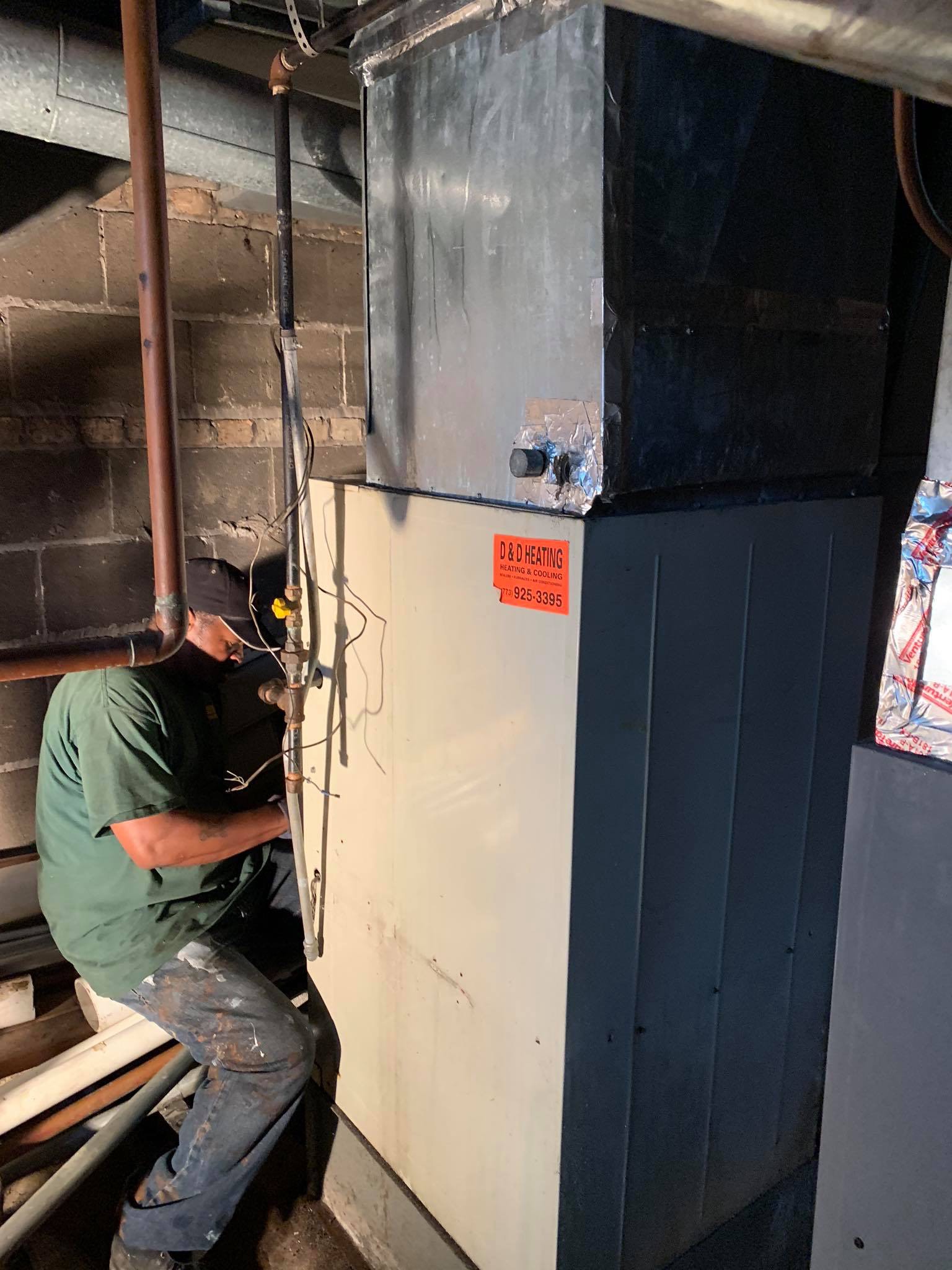
What Happens If You Skip HVAC Maintenance?
Skipping HVAC maintenance leads to higher bills, costly repairs, and early replacement. Learn what Chicago homeowners risk and how to protect your system.
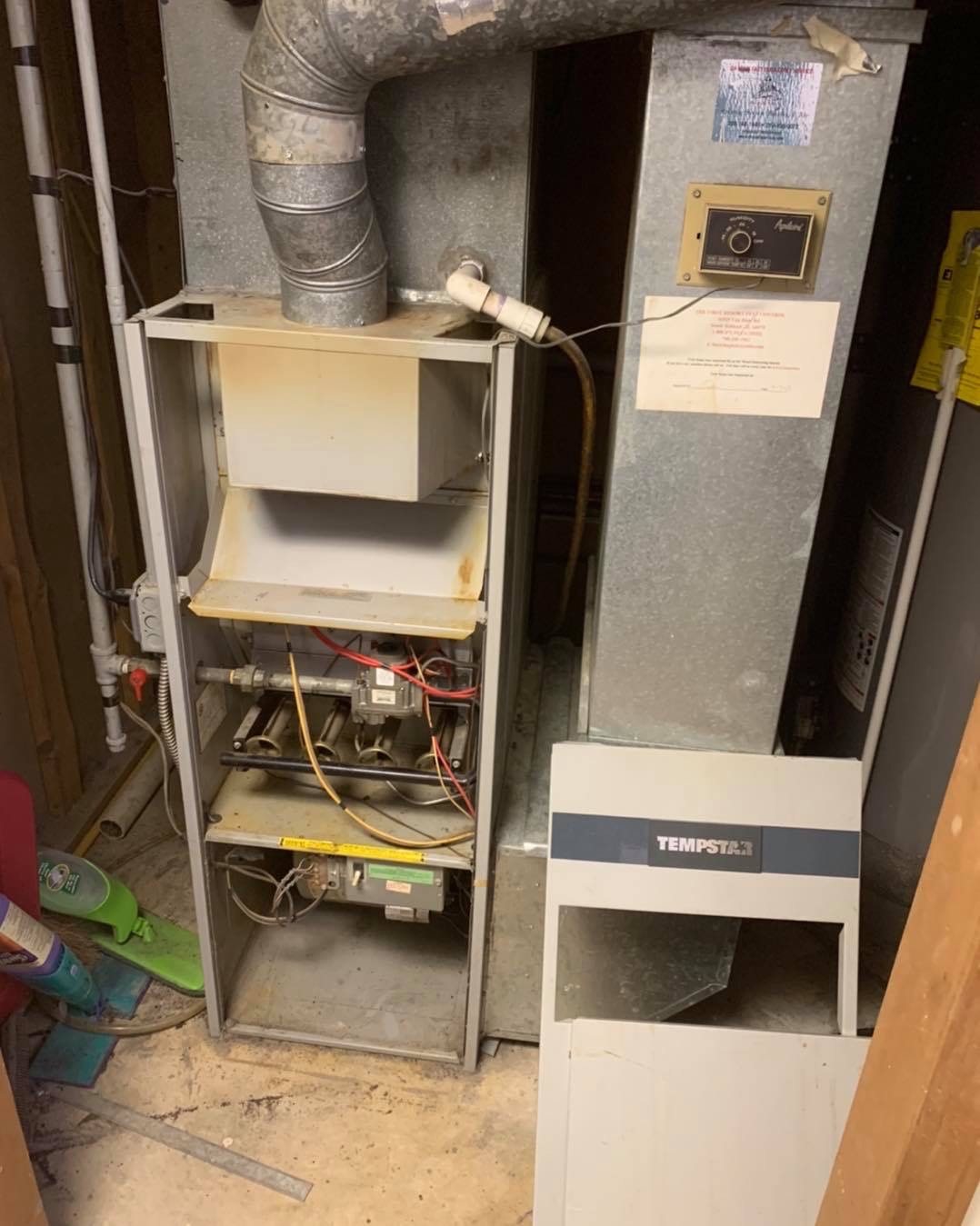
Skipping HVAC maintenance doesn't just risk a breakdown on the coldest night of the year. It quietly drives up your energy bills, shortens your system's lifespan by years, and can turn a $200 tune-up into a $5,000 emergency replacement.
For Chicago homeowners and business owners, the stakes are even higher. Our extreme temperature swings push heating and cooling systems harder than in most U.S. cities, making routine care essential rather than optional.
This guide breaks down exactly what happens when you skip HVAC maintenance, from rising utility costs and health hazards to voided warranties, and shows you how to get back on track before small neglect becomes a major expense.
Why HVAC Maintenance Matters in Chicago
HVAC maintenance is the routine inspection, cleaning, and tuning of your heating and cooling equipment to keep it running safely and efficiently. Think of it the same way you think about oil changes for your car. Skip them long enough, and the engine fails.
In Chicago, this isn't a luxury. It's a necessity driven by geography, building stock, and climate. The city's older homes, many built before modern insulation standards, already force HVAC systems to work harder. Add brutal winters and humid summers, and you have equipment that logs significantly more run hours than systems in milder climates.
Regular maintenance catches small problems, like a worn belt or a refrigerant leak, before they cascade into system failures. It also keeps your equipment operating at or near its rated efficiency, which directly affects what you pay ComEd and Peoples Gas every month.
How Chicago's Climate Puts Extra Stress on Your HVAC System
Chicago's climate is classified as humid continental, meaning the city experiences temperature extremes on both ends. Winter lows regularly dip below zero, and summer heat indices can push past 100°F. Your furnace and air conditioner aren't just running. They're running hard, often for months at a time without a break.
This constant cycling accelerates wear on compressors, blower motors, heat exchangers, and electrical connections. Dust, pollen, and debris from Chicago's urban environment clog filters and coils faster than in suburban or rural settings. Lake-effect moisture adds another layer of stress, promoting corrosion on outdoor condenser units and encouraging mold growth inside ductwork.
Without maintenance, these climate-driven stressors compound. A system that might tolerate a skipped year in a mild climate can develop serious problems after just one Chicago winter.
What a Standard HVAC Maintenance Visit Includes
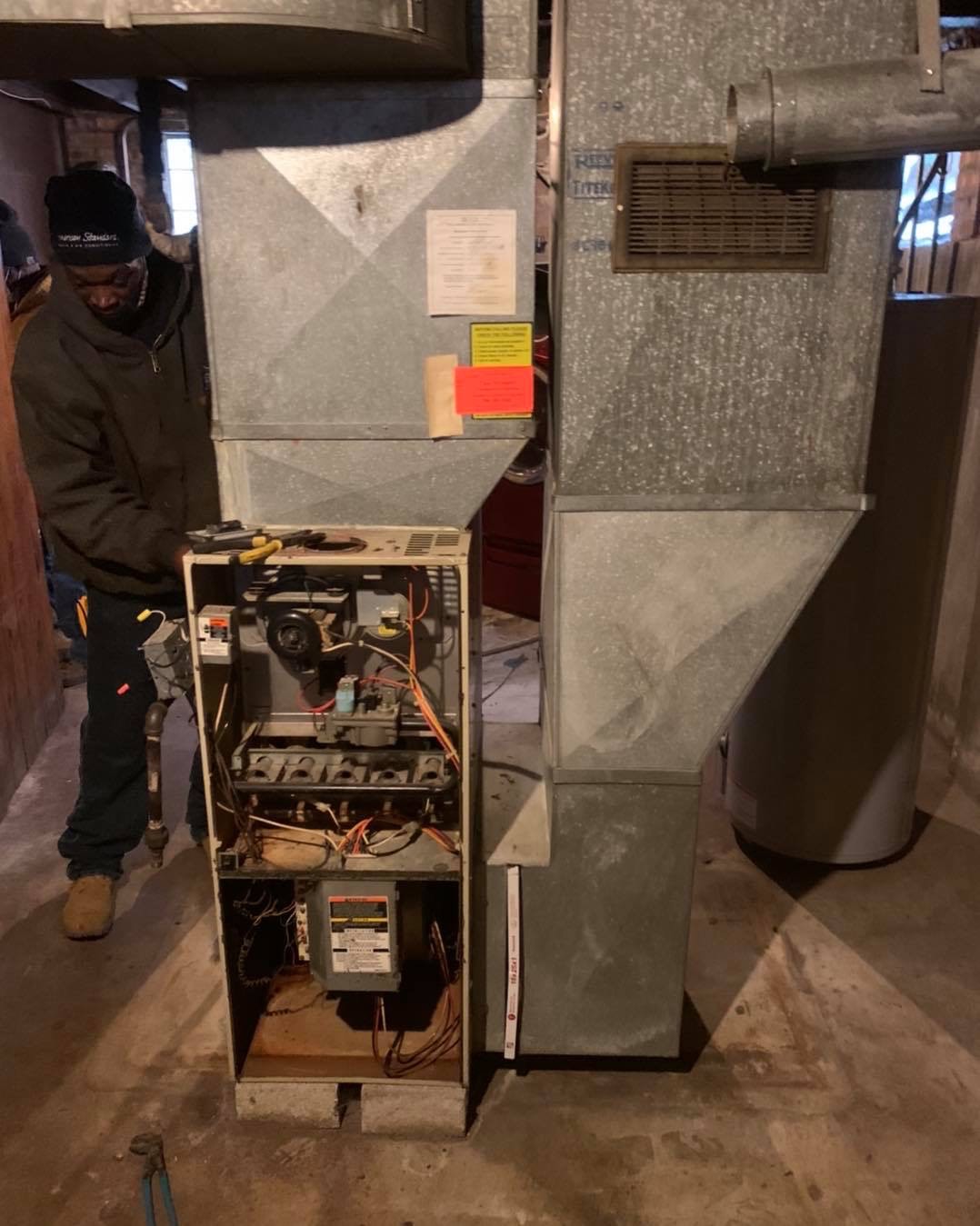
A professional HVAC tune-up typically covers both your heating and cooling systems across two seasonal visits. Here's what a thorough maintenance visit should include:
Heating season (fall):
- Inspect and clean the heat exchanger for cracks or corrosion
- Test ignition system and safety controls
- Check gas connections and measure combustion efficiency
- Lubricate moving parts
- Replace or clean the air filter
- Test thermostat calibration
- Inspect flue and venting for blockages
Cooling season (spring):
- Clean evaporator and condenser coils
- Check refrigerant levels and test for leaks
- Inspect and clear the condensate drain line
- Test compressor amp draw and capacitors
- Verify airflow across the blower
- Inspect electrical connections and tighten terminals
- Calibrate thermostat for cooling mode
In Chicago, most reputable contractors offer annual maintenance plans that bundle both visits for $150 to $300 per year, depending on system type and age. That investment is the baseline cost of prevention, and everything discussed below is what happens when you skip it.
Higher Energy Bills and Reduced Efficiency
The first consequence of skipping HVAC maintenance is one you'll feel in your wallet every single month. A neglected system works harder to produce the same amount of heating or cooling, and that extra effort translates directly into higher utility bills.
According to the U.S. Department of Energy, neglecting necessary maintenance ensures a steady decline in air conditioning performance while energy use steadily increases. The agency notes that proper maintenance can reduce energy consumption by 5% to 15% annually compared to unmaintained systems.
For a Chicago household that already spends between $2,000 and $3,500 per year on heating and cooling, that's $100 to $525 in avoidable costs, every year the maintenance is skipped.
How Dirty Filters and Coils Drive Up Utility Costs
The single biggest efficiency killer is also the simplest to prevent: a dirty air filter. When the filter clogs with dust, pet hair, and debris, your blower motor has to push air through a restricted opening. It draws more electricity, moves less air, and forces the system to run longer cycles to reach your thermostat setting.
Dirty evaporator and condenser coils create a similar problem on the refrigerant side. Coils coated in grime can't transfer heat efficiently. Your air conditioner or heat pump compensates by running longer and working the compressor harder, which increases energy consumption and accelerates component wear simultaneously.
In Chicago homes with pets, older ductwork, or construction nearby, filters can clog in as little as 30 days. Without maintenance visits to catch this, many homeowners run their systems with severely restricted airflow for months without realizing it.
Real Cost Difference Between Maintained and Neglected Systems
Here's how the numbers break down over a typical five-year period for a mid-efficiency furnace and central air system in a Chicago single-family home:
Cost Category
With Annual Maintenance
Without Maintenance
Annual energy costs
~$2,400
~$2,760 to $3,000
Maintenance plan cost
$200/year
$0
Repair costs (5-year avg.)
$300 to $600 total
$1,500 to $4,000 total
5-Year Total
~$13,800 to $14,600
~$15,300 to $19,000
The system without maintenance costs more every year in energy alone, and the repair bills stack up as neglected components fail. Over five years, skipping maintenance can cost Chicago homeowners $1,500 to $4,400 more than simply keeping up with routine service.
More Frequent and Expensive Repairs
When small issues go undetected, they don't stay small. A loose electrical connection becomes a burned-out motor. A minor refrigerant leak becomes a failed compressor. Skipping maintenance doesn't eliminate the need for professional service. It just guarantees that when you do call, the bill will be much larger.
HVAC contractors across Chicago consistently report that the majority of emergency service calls they handle involve problems that routine maintenance would have caught. The pattern is predictable: a homeowner skips a year or two of tune-ups, then calls in a panic when the furnace stops working on a 10°F night or the AC dies during a July heat wave.
Common Breakdowns Caused by Skipped Maintenance
These are the failures that technicians see most often in systems that haven't been maintained:
- Capacitor failure: Electrical capacitors degrade faster when the system is overworked due to dirty coils or restricted airflow. Replacement cost: $150 to $400.
- Blower motor burnout: Clogged filters force the motor to strain, overheat, and eventually fail. Replacement cost: $400 to $1,200.
- Frozen evaporator coil: Low refrigerant from an undetected leak or restricted airflow causes ice buildup, which can damage the coil itself. Repair cost: $200 to $1,500.
- Cracked heat exchanger: Without annual inspection, cracks can develop and go unnoticed, creating a carbon monoxide hazard. Replacement cost: $1,500 to $3,500, and often triggers a full furnace replacement.
- Compressor failure: The compressor is the most expensive single component in your AC or heat pump. Running it with low refrigerant or dirty coils dramatically shortens its life. Replacement cost: $1,500 to $3,000 or more.
- Clogged condensate drain: A blocked drain line causes water damage to ceilings, walls, and floors. Repair cost for the drain is minimal, but water damage restoration can run thousands.
Every one of these failures is preventable with routine inspection and cleaning.
Emergency Repair Costs vs. Routine Maintenance Costs
Timing matters as much as the repair itself. Emergency and after-hours HVAC calls in Chicago typically carry a premium of $100 to $250 on top of standard diagnostic and repair fees. During peak demand, like a polar vortex or a summer heat emergency, wait times can stretch to days, leaving your home or business without climate control.
Service Type
Typical Cost Range
Timing
Annual maintenance plan
$150 to $300/year
Scheduled, convenient
Standard diagnostic + minor repair
$150 to $500
Business hours, 1-3 day wait
Emergency/after-hours repair
$300 to $800+
Immediate, premium pricing
Major component replacement (emergency)
$1,000 to $5,000+
Parts availability may add days
The math is straightforward. A $200 annual maintenance visit is a fraction of what a single emergency call costs, and it dramatically reduces the likelihood of needing one.
Shortened Equipment Lifespan
HVAC equipment is a significant investment. A new furnace and central air conditioning system in Chicago typically costs between $7,000 and $15,000 installed, depending on efficiency rating, brand, and home size. Skipping maintenance shortens the return you get on that investment by forcing premature replacement.
Every component in your system has a design lifespan based on normal operating conditions. "Normal" assumes the system is clean, properly charged with refrigerant, and not straining against clogged filters or failing parts. Remove maintenance from the equation, and you're no longer operating under normal conditions. You're accelerating every wear mechanism simultaneously.
How Long Should an HVAC System Last in Chicago?
With proper maintenance, here are the expected lifespans for common HVAC equipment:
- Gas furnace: 15 to 20 years
- Central air conditioner: 15 to 20 years
- Heat pump: 12 to 15 years
- Boiler: 20 to 30 years
- Ductless mini-split: 15 to 20 years
Without maintenance, these numbers drop significantly. Industry data from ASHRAE (American Society of Heating, Refrigerating and Air-Conditioning Engineers) suggests that neglected systems can lose 30% to 50% of their expected service life. That means a furnace rated for 20 years might fail at 10 to 14 years, and an air conditioner could need replacement at 8 to 12 years instead of 15 to 20.
Chicago's climate amplifies this effect. The high number of heating degree days (Chicago averages over 6,000 annually) means furnaces log far more run hours than in warmer regions, making maintenance even more critical to reaching full lifespan.
Early Replacement Costs You Could Avoid
Replacing an HVAC system five to eight years early isn't just inconvenient. It's a major unplanned expense.
If a well-maintained furnace lasts 20 years and a neglected one fails at 12, you're paying for a new furnace eight years sooner than necessary. At current Chicago pricing, that's $4,000 to $8,000 for the furnace alone, plus installation labor, permits, and potential ductwork modifications.
Multiply that across both heating and cooling equipment, and premature replacement due to skipped maintenance can cost a homeowner $10,000 to $20,000 more over the life of their home compared to someone who invests $200 to $300 per year in routine care.
The annual maintenance cost over 20 years totals roughly $4,000 to $6,000. The cost of one premature system replacement exceeds that in a single event.
Poor Indoor Air Quality and Health Risks
Your HVAC system doesn't just control temperature. It's the primary air filtration and circulation system in your home. Every cubic foot of air you breathe passes through your HVAC equipment multiple times per day. When that system is neglected, the air quality inside your home deteriorates in ways you can't always see or smell.
The Environmental Protection Agency reports that indoor air can be two to five times more polluted than outdoor air, and HVAC systems are a major factor. A well-maintained system filters out particulates, controls humidity, and circulates fresh air. A neglected one recirculates dust, allergens, mold spores, and potentially dangerous gases.
Mold, Dust, and Allergens in Neglected Systems
When evaporator coils stay damp and dirty, they become breeding grounds for mold and bacteria. The condensate drain pan, if not cleaned regularly, can develop standing water that supports microbial growth. Every time the blower runs, it pushes air across these contaminated surfaces and distributes spores throughout your home.
Dirty filters compound the problem. Instead of trapping dust mites, pet dander, pollen, and other allergens, a clogged filter lets them pass through or, worse, causes the system to pull unfiltered air through gaps in the filter housing.
For Chicago residents, this is particularly relevant during the spring allergy season and during winter, when homes are sealed tight and ventilation is minimal. Occupants with asthma, allergies, or respiratory conditions are especially vulnerable to the effects of a neglected HVAC system.
Common symptoms linked to poor indoor air quality from HVAC neglect include:
- Increased allergy and asthma symptoms
- Persistent coughing or congestion
- Headaches and fatigue
- Dry or irritated eyes, nose, and throat
- Worsening of existing respiratory conditions
Carbon Monoxide and Safety Hazards
This is where skipped maintenance moves from costly to dangerous. Gas furnaces and boilers produce carbon monoxide (CO) as a byproduct of combustion. Under normal conditions, CO is safely vented outside through the flue. But a cracked heat exchanger, a blocked flue pipe, or a malfunctioning draft inducer can allow CO to leak into your living space.
Carbon monoxide is colorless and odorless. Without a functioning CO detector, occupants may not realize they're being exposed until symptoms become severe. The Centers for Disease Control and Prevention reports that CO poisoning sends more than 50,000 people to emergency rooms annually in the United States.
A standard furnace maintenance visit includes a heat exchanger inspection and combustion analysis specifically designed to catch these hazards before they become life-threatening. Skipping that inspection is a gamble with your family's safety.
Voided Warranties and Insurance Issues
Most homeowners don't read their HVAC warranty terms until something breaks. When they do, they often discover that the manufacturer's warranty they assumed would cover a major repair has been voided because they can't document regular maintenance.
This is one of the most overlooked consequences of skipping HVAC maintenance, and it can turn a covered repair into a full out-of-pocket expense at the worst possible time.
Manufacturer Warranty Requirements for Maintenance
Nearly every major HVAC manufacturer, including Carrier, Lennox, Trane, Rheem, Goodman, and Daikin, includes a maintenance clause in their warranty terms. The specific language varies, but the requirement is consistent: the system must receive regular professional maintenance to keep the warranty valid.
Typical warranty conditions include:
- Annual professional inspection and tune-up
- Filter replacement at manufacturer-recommended intervals
- Repairs performed by licensed HVAC technicians
- Documentation of all maintenance performed (dates, technician name, work completed)
If your compressor fails at year six of a 10-year parts warranty and you can't produce maintenance records, the manufacturer can deny the claim. A compressor replacement that would have been covered under warranty, potentially saving you $1,500 to $3,000 in parts alone, becomes entirely your responsibility.
How Skipped Maintenance Affects Homeowner Insurance Claims
Homeowner insurance policies in Illinois generally cover sudden and accidental damage, but they don't cover damage resulting from neglect or lack of maintenance. If a neglected HVAC system causes water damage from a clogged condensate line, or if a furnace malfunction leads to a fire, your insurer may investigate whether the system was properly maintained.
If the investigation reveals a pattern of skipped maintenance, the claim can be reduced or denied. This applies to both the equipment itself and any secondary damage to your property, such as water damage to floors and ceilings or smoke damage from an electrical fire originating in the HVAC system.
Keeping maintenance records isn't just good practice for your equipment. It's documentation that protects your financial interests if something goes wrong.
Uneven Heating and Cooling Throughout Your Home
Before a neglected HVAC system fails completely, it usually starts performing poorly. One of the most common complaints from homeowners who've skipped maintenance is uneven temperatures: some rooms are too hot, others are too cold, and the thermostat setting never seems to match how the house actually feels.
This isn't a minor comfort issue. It's a symptom of a system that's losing its ability to distribute conditioned air properly, and it gets worse over time.
Why Some Rooms Get Too Hot or Too Cold
Several maintenance-related problems cause uneven temperatures:
Reduced airflow from dirty filters and coils. When the blower can't push enough air through the system, rooms farthest from the air handler receive less conditioned air. The rooms closest to the unit may feel fine while bedrooms, upper floors, or additions stay uncomfortable.
Refrigerant loss. A slow leak that goes undetected without maintenance reduces your system's cooling capacity gradually. The system runs longer but can't remove enough heat, especially on the hottest days when you need it most.
Thermostat calibration drift. Over time, thermostats can lose accuracy. A maintenance visit includes calibration checks that ensure the temperature you set is the temperature you get.
Blower speed issues. Dust buildup on the blower wheel reduces its efficiency, and worn bearings slow it down. The result is less air volume reaching your registers.
How Neglect Affects Ductwork and Airflow
Chicago's housing stock includes a wide range of ductwork configurations, from original galvanized steel ducts in vintage bungalows to flex duct in newer construction. All types are affected by maintenance neglect.
Without regular inspection, ducts can develop:
- Leaks at joints and connections, losing 20% to 30% of conditioned air before it reaches your rooms (according to ENERGY STAR)
- Dust and debris accumulation that restricts airflow
- Disconnected sections in attics, crawl spaces, or between walls
- Condensation and moisture problems that lead to mold growth inside the ductwork
A maintenance-conscious approach includes periodic duct inspection and sealing, which most annual maintenance plans either include or recommend as an add-on service. Ignoring ductwork means your system is working against itself, pushing conditioned air into spaces where it does nothing for your comfort.
How to Get Back on Track with HVAC Maintenance
If you've skipped a year or several years of maintenance, the situation is recoverable. The key is to act before a neglected system reaches the point of catastrophic failure. A comprehensive tune-up and inspection can identify existing damage, restore efficiency, and establish a maintenance baseline going forward.
The best time to schedule maintenance in Chicago is during the shoulder seasons: early fall for heating and early spring for cooling. Demand is lower, scheduling is easier, and you'll have your system ready before the extreme temperatures arrive.
Seasonal Maintenance Checklist for Chicago Homeowners
Use this checklist to stay on top of your HVAC system's needs throughout the year:
Every 1 to 3 months:
- Check and replace air filters (monthly during heavy use seasons)
- Clear debris from around outdoor condenser unit
- Verify thermostat is functioning correctly
Fall (before heating season):
- Schedule professional furnace or boiler tune-up
- Test carbon monoxide detectors and replace batteries
- Inspect and seal visible duct connections
- Check weatherstripping on windows and doors
Spring (before cooling season):
- Schedule professional AC or heat pump tune-up
- Clean outdoor condenser coils and clear surrounding vegetation
- Test condensate drain line for clogs
- Verify all registers and returns are open and unobstructed
Annually:
- Review energy bills for unusual increases
- Document all maintenance performed for warranty records
- Assess system age and plan for eventual replacement
Choosing a Trusted HVAC Contractor in Chicago
Not all maintenance visits are equal. The value of a tune-up depends entirely on the thoroughness and expertise of the technician performing it. When selecting an HVAC contractor in Chicago, look for these indicators of quality:
Licensing and insurance. Illinois requires HVAC contractors to be licensed. Verify credentials before allowing anyone to work on your system.
Transparent pricing. A reputable contractor provides clear pricing for maintenance plans upfront, without hidden fees or aggressive upselling during the visit.
Comprehensive inspections. The visit should cover everything listed in the standard maintenance checklist above, not just a quick filter swap and a signature.
Maintenance plan options. Look for contractors who offer annual or semi-annual plans that include priority scheduling, discounted repairs, and documented service records.
Local experience. Chicago-specific knowledge matters. A contractor familiar with the city's housing stock, climate demands, and common system configurations will catch issues that a generalist might miss.
Reviews and reputation. Check Google reviews, BBB ratings, and ask for references. Consistent positive feedback about thoroughness, honesty, and communication is more valuable than the lowest price.
Conclusion
Skipping HVAC maintenance is a gamble that costs more than it saves, every time. From rising energy bills and preventable repairs to shortened equipment life, health risks, and voided warranties, the consequences compound with each missed year. For Chicago homeowners and business owners, the city's extreme climate makes these risks even more pronounced.
The good news is that getting back on track is straightforward. A single professional tune-up can identify existing problems, restore lost efficiency, and establish the maintenance routine that protects your investment for years to come. The cost of prevention is always a fraction of the cost of failure.
We help Chicago homeowners and businesses protect their HVAC systems with honest assessments, transparent pricing, and thorough maintenance plans built for our climate. Contact Chicago Comfort HVAC today to schedule your tune-up and make sure your system is ready for whatever Chicago weather throws at it next.
Frequently Asked Questions
How often should you schedule HVAC maintenance in Chicago?
Schedule professional maintenance twice per year: once in early fall for your heating system and once in early spring for your cooling system. Chicago's extreme seasonal temperatures make both visits essential to keep your equipment running efficiently and reliably.
Can skipping one year of maintenance really damage your system?
Yes, even one skipped year can cause measurable problems. Dirty filters and coils reduce efficiency immediately, and undetected issues like refrigerant leaks or electrical wear can escalate into expensive repairs within a single heating or cooling season.
What is the average cost of HVAC maintenance vs. emergency repair?
Annual maintenance plans in Chicago typically cost $150 to $300 per year. A single emergency repair averages $300 to $800 or more, and major component failures like a compressor or heat exchanger can run $1,500 to $5,000. Routine maintenance is significantly cheaper than reactive repairs.
Does skipping maintenance void my HVAC warranty?
In most cases, yes. Nearly all major manufacturers require documented annual maintenance to keep parts and labor warranties valid. Without maintenance records, a warranty claim on a failed component can be denied, leaving you responsible for the full replacement cost.
What are the signs your HVAC system needs maintenance?
Watch for higher than normal energy bills, uneven temperatures between rooms, unusual noises like grinding or banging, frequent cycling on and off, weak airflow from vents, and strange odors when the system runs. Any of these signals indicate your system is overdue for professional service.
Is HVAC maintenance worth it for older systems?
Absolutely. Older systems benefit even more from regular maintenance because aging components are more prone to failure. Maintenance extends the remaining life of your equipment, delays the cost of replacement, and ensures the system operates safely, especially important for older furnaces where heat exchanger cracks are a concern.
How does Chicago weather affect HVAC maintenance schedules?
Chicago's humid continental climate creates extreme demand on both heating and cooling systems. Furnaces run heavily from November through March, and air conditioners work hard from June through September. This extended usage accelerates wear, making twice-yearly maintenance more critical here than in milder climates where systems run fewer hours annually.
Follow a maintenance program
Ante gravida id aenean quis egestas risus nam amet nullam leo diam diam aliquam eu eu malesuada arcu rhoncus suspendisse nulla mattis ut amet sagittis in justo egestas.

search for a trusted mechanic
Lorem ipsum dolor sit amet, consectetur adipiscing elit lobortis arcu enim urna adipiscing praesent velit viverra sit semper lorem eu cursus vel hendrerit elementum morbi curabitur etiam nibh justo, lorem aliquet donec sed sit mi dignissim at ante massa mattis.
- Neque sodales ut etiam sit amet nisl purus non tellus orci ac auctor
- Adipiscing elit ut aliquam purus sit amet viverra suspendisse potent
- Mauris commodo quis imperdiet massa tincidunt nunc pulvinar
- Excepteur sint occaecat cupidatat non proident sunt in culpa qui officia
Check the air pressure in your tires
Vitae congue eu consequat ac felis placerat vestibulum lectus mauris ultrices cursus sit amet dictum sit amet justo donec enim diam porttitor lacus luctus accumsan tortor posuere praesent tristique magna sit amet purus gravida quis blandit turpis.
Review your suspension frequently
At risus viverra adipiscing at in tellus integer feugiat nisl pretium fusce id velit ut tortor sagittis orci a scelerisque purus semper eget at lectus urna duis convallis. porta nibh venenatis cras sed felis eget neque laoreet suspendisse interdum consectetur libero id faucibus nisl donec pretium vulputate sapien nec sagittis aliquam nunc lobortis mattis aliquam faucibus purus in.
- Neque sodales ut etiam sit amet nisl purus non tellus orci ac auctor
- Adipiscing elit ut aliquam purus sit amet viverra suspendisse potent
- Mauris commodo quis imperdiet massa tincidunt nunc pulvinar
- Excepteur sint occaecat cupidatat non proident sunt in culpa qui officia
Service your vehicle as regularly as posible
At risus viverra adipiscing at in tellus integer feugiat nisl pretium fusce id velit ut tortor sagittis orci a scelerisque purus semper eget at lectus urna duis convallis. porta nibh venenatis cras sed felis eget neque laoreet suspendisse interdum consectetur libero id faucibus nisl donec pretium vulputate sapien nec sagittis aliquam nunc lobortis mattis aliquam faucibus purus in.
“Nisi quis eleifend quam adipiscing vitae aliquet bibendum enim facilisis gravida neque velit euismod in pellentesque”
Conclusion
Eget lorem dolor sed viverra ipsum nunc aliquet bibendum felis donec et odio pellentesque diam volutpat commodo sed egestas aliquam sem fringilla ut morbi tincidunt augue interdum velit euismod eu tincidunt tortor aliquam nulla facilisi aenean sed adipiscing diam donec adipiscing ut lectus arcu bibendum at varius vel pharetra nibh venenatis cras sed felis eget.