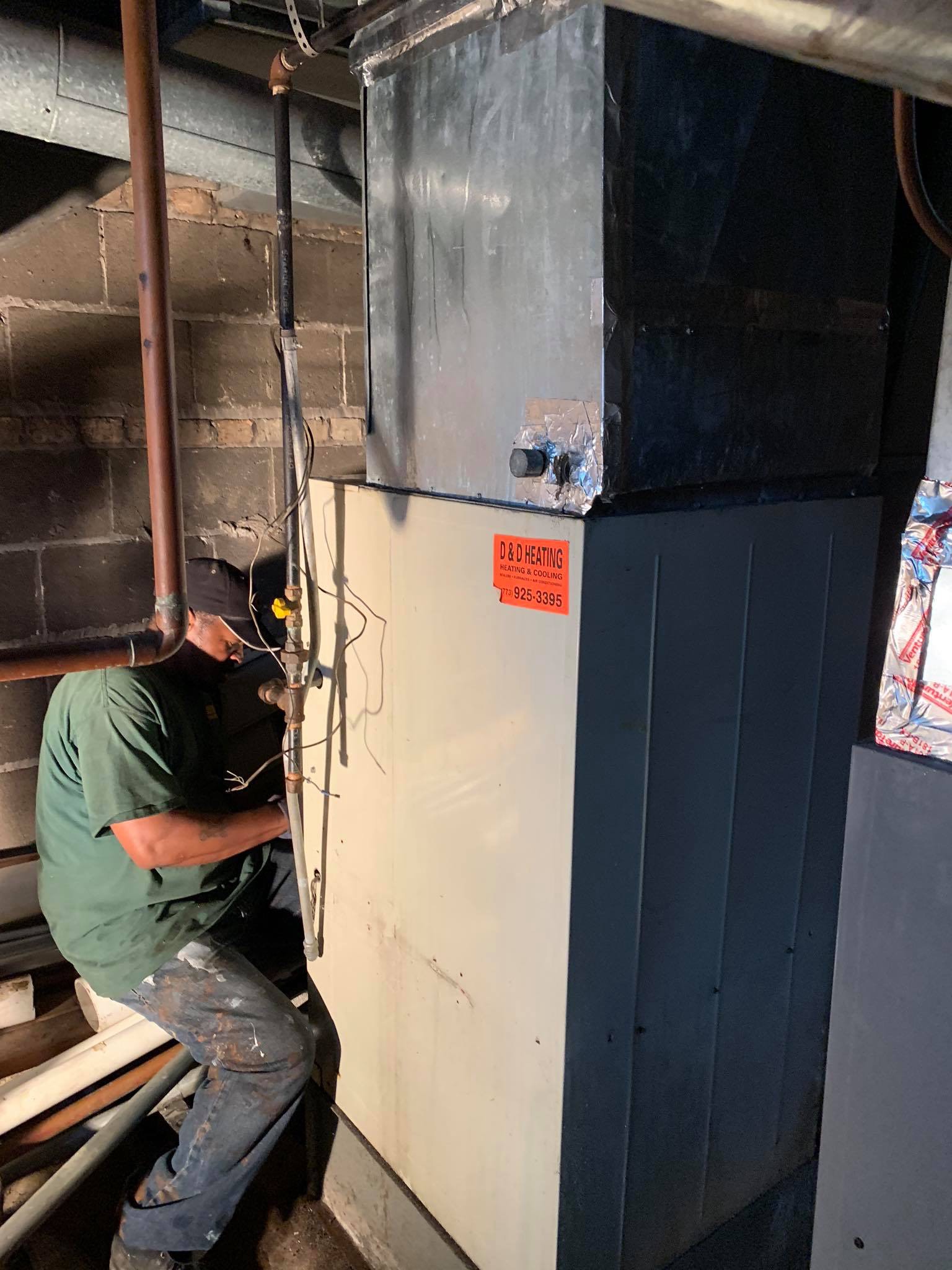
What Is an HVAC Service?
Learn what HVAC services include, how much they cost in Chicago, and how to choose the right contractor. Get transparent pricing from Chicago Comfort HVAC.
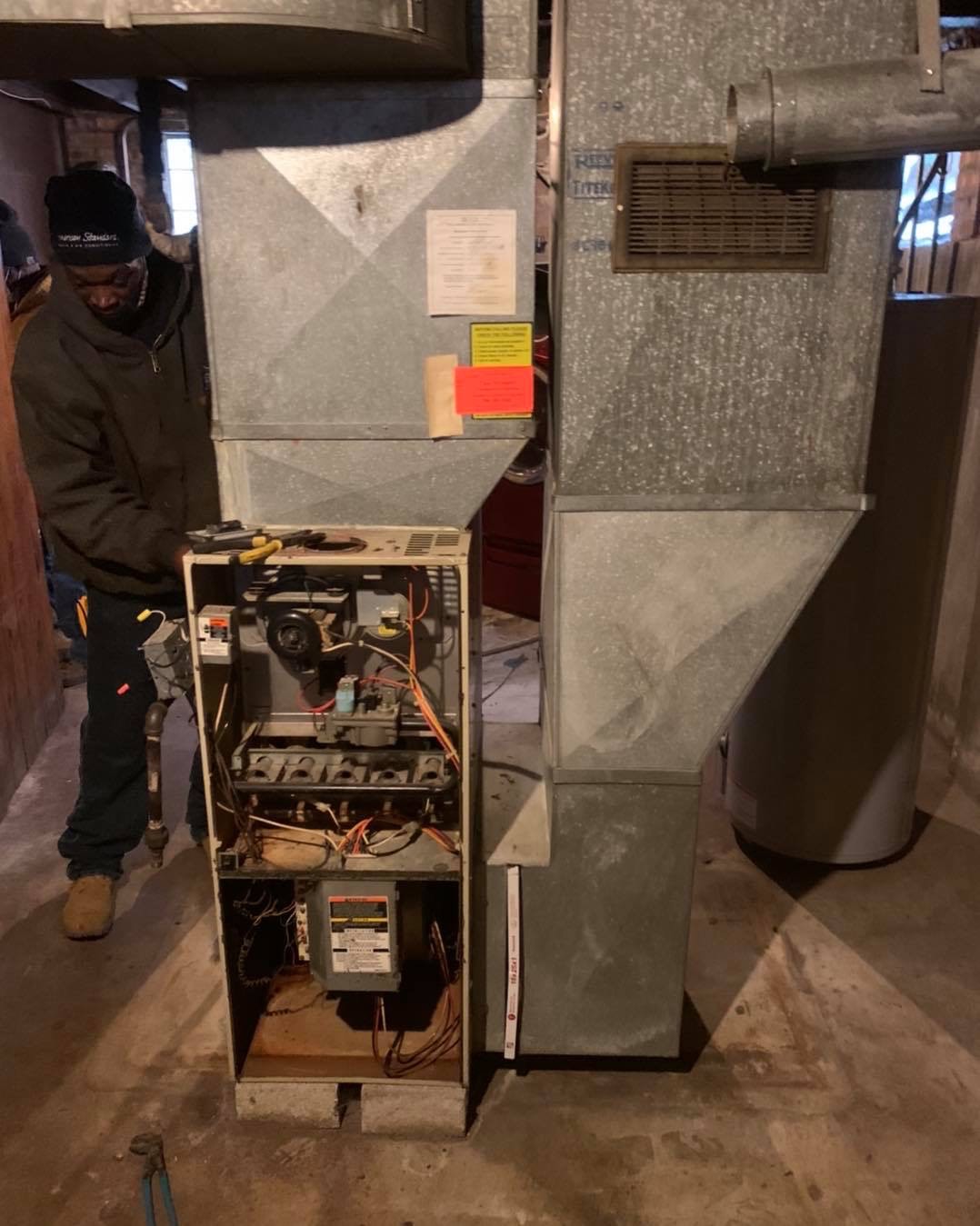
An HVAC service covers any professional work performed on your heating, ventilation, or air conditioning system. That includes installation, repair, routine maintenance, and full system replacement. For Chicago property owners, understanding these services is the first step toward budgeting wisely and keeping your building comfortable year-round.
Chicago's extreme temperature swings put serious strain on HVAC equipment. Knowing what each service involves, what it costs locally, and when you need it saves money and prevents emergencies.
This guide breaks down every type of HVAC service, real Chicago pricing, system options, efficiency ratings, contractor selection, and the warning signs that tell you it's time to call a professional.
What Does HVAC Stand For?
HVAC stands for heating, ventilation, and air conditioning. These three functions work together to regulate indoor temperature, humidity, and air quality in residential and commercial buildings. Every component plays a distinct role, and professional HVAC service addresses each one.
Heating Systems
Heating systems generate warmth during cold months. In Chicago, the most common heating equipment includes gas furnaces, boilers, and heat pumps. A furnace burns natural gas or propane to heat air, then distributes it through ductwork. Boilers heat water and send it through radiators or radiant floor systems. Heat pumps transfer heat from outdoor air into your home, even in cold weather, though they work best paired with a backup heating source in Chicago's subzero winters.
Professional HVAC heating services include furnace installation, boiler repair, heat exchanger inspection, ignition system troubleshooting, and thermostat calibration. Heating accounts for the largest share of energy costs in most Chicago homes, so keeping this equipment in top condition directly affects your utility bills.
Ventilation Systems
Ventilation controls airflow and indoor air quality. It removes stale air, moisture, odors, and pollutants while bringing in filtered outdoor air. Proper ventilation prevents mold growth, reduces allergens, and maintains healthy oxygen levels.
Chicago homes rely on mechanical ventilation through ductwork, exhaust fans, and air handlers. HVAC ventilation services include duct cleaning, duct sealing, air filter replacement, and air quality testing. Leaky or dirty ductwork can reduce system efficiency by up to 30%, making ventilation maintenance a high-value investment.
Air Conditioning Systems
Air conditioning removes heat and humidity from indoor air. Central air conditioners, ductless mini-splits, and heat pumps operating in cooling mode are the primary options for Chicago properties. These systems use refrigerant to absorb indoor heat and release it outside.
AC services include installation, refrigerant recharging, compressor repair, condenser coil cleaning, and thermostat programming. Chicago's humid summers push cooling systems hard from June through September, and a well-maintained air conditioner uses significantly less electricity than a neglected one.
Types of HVAC Services

HVAC services fall into four main categories. Each serves a different purpose, carries different costs, and follows a different timeline. Understanding the distinctions helps you communicate clearly with contractors and budget accurately.
HVAC Installation
Installation means putting in a brand-new HVAC system where none existed before or where entirely new equipment is needed. This is common in new construction, major renovations, or building additions. Installation includes system sizing calculations, equipment selection, ductwork design, electrical and gas connections, and initial testing.
In Chicago, installation projects must comply with local building codes and typically require a permit from the City of Chicago Department of Buildings. A proper installation starts with a Manual J load calculation to determine the exact heating and cooling capacity your space needs. Oversized systems cycle on and off too frequently, wasting energy. Undersized systems run constantly without reaching comfortable temperatures.
HVAC Repair
Repair service fixes specific problems with existing equipment. Common repairs include replacing a faulty blower motor, fixing a refrigerant leak, repairing a cracked heat exchanger, or resolving electrical control failures. Repairs restore your system to working condition without replacing the entire unit.
Most HVAC repairs in Chicago take between one and four hours for residential systems. Emergency repairs during peak heating or cooling season may cost more due to high demand. A qualified technician diagnoses the issue, explains the repair, provides a cost estimate, and completes the work, often in a single visit.
HVAC Maintenance
Maintenance is scheduled, preventive service designed to keep your system running efficiently and catch small problems before they become expensive repairs. A standard maintenance visit includes inspecting electrical connections, cleaning coils and burners, checking refrigerant levels, testing safety controls, replacing air filters, and lubricating moving parts.
Most HVAC manufacturers require proof of annual maintenance to honor warranty claims. For Chicago homes, the recommended schedule is a furnace tune-up in fall before heating season and an air conditioner tune-up in spring before cooling season. Regular maintenance extends equipment lifespan, improves energy efficiency, and reduces the risk of mid-season breakdowns.
HVAC Replacement
Replacement means removing an old, failing, or inefficient system and installing new equipment in its place. Replacement differs from installation because existing infrastructure like ductwork, electrical wiring, and gas lines may already be in place, though they often need modifications.
The average lifespan of a furnace is 15 to 20 years, and central air conditioners typically last 15 to 20 years with proper maintenance, according to the U.S. Department of Energy. If your system is approaching these ages and requiring frequent repairs, replacement usually offers better long-term value than continued repair spending.
How Much Do HVAC Services Cost in Chicago?
Cost is the most common concern for Chicago homeowners and business owners considering HVAC work. Prices vary based on system type, project scope, equipment efficiency, and seasonal demand. The figures below reflect typical Chicago-area pricing as of 2024-2025.
Installation and Replacement Costs
System Type
Typical Chicago Cost Range
Includes
Central AC + Gas Furnace
$7,000 - $15,000
Equipment, labor, permits, basic thermostat
Heat Pump System
$8,000 - $18,000
Equipment, labor, permits, possible ductwork modifications
Ductless Mini-Split (single zone)
$3,000 - $7,000
Indoor/outdoor units, labor, electrical
Ductless Mini-Split (multi-zone)
$7,000 - $20,000
Multiple indoor units, outdoor unit, labor
Boiler Replacement
$5,000 - $12,000
Equipment, labor, permits
Commercial Rooftop Unit
$10,000 - $30,000+
Equipment, crane rental, labor, permits
These ranges cover mid-efficiency to high-efficiency equipment. Premium brands and ultra-high-efficiency systems push costs toward the upper end. Budget-tier equipment costs less upfront but typically carries higher operating costs and shorter warranties.
Repair Costs
Common residential HVAC repairs in Chicago typically fall within these ranges:
- Thermostat replacement: $150 - $400
- Blower motor replacement: $300 - $800
- Capacitor replacement: $150 - $400
- Refrigerant recharge: $200 - $600
- Heat exchanger replacement: $1,000 - $3,000
- Compressor replacement: $1,500 - $3,000
- Circuit board replacement: $200 - $600
Emergency and after-hours repairs often carry a surcharge of $100 to $200 on top of standard rates. Getting a written estimate before work begins protects you from unexpected charges.
Maintenance Costs
Annual maintenance plans in Chicago typically cost between $150 and $350 for a standard residential system. This usually covers two visits per year: one for heating and one for cooling. Some contractors offer maintenance agreements that include priority scheduling, discounted repair rates, and no overtime charges.
For commercial properties, maintenance contracts range from $500 to $2,000+ annually depending on system complexity, number of units, and building size.
Factors That Affect HVAC Pricing
Several variables influence what you'll pay for any HVAC service in Chicago:
System size and capacity. Larger homes and commercial spaces require higher-capacity equipment, which costs more to purchase and install.
Equipment efficiency rating. High-efficiency systems with higher SEER, AFUE, or HSPF ratings cost more upfront but reduce monthly energy bills.
Ductwork condition. If existing ductwork needs repair, sealing, or replacement, that adds to project costs. Homes without ductwork need either duct installation or a ductless system.
Labor rates. Chicago labor costs are higher than national averages due to the cost of living, licensing requirements, and union labor availability.
Permit fees. The City of Chicago requires permits for most HVAC installations and replacements. Permit costs vary by project scope.
Seasonal demand. Scheduling HVAC work during spring or fall, the off-peak seasons, often results in lower prices and faster availability compared to the peak of summer or winter.
Building accessibility. Older Chicago homes, multi-story buildings, and properties with limited attic or crawl space access may require additional labor time.
Common HVAC System Types for Chicago Homes and Businesses
Choosing the right system type is one of the most important decisions you'll make. Each option has distinct advantages, limitations, and cost profiles that align differently with Chicago's climate and building stock.
Central Air Conditioning and Furnace Systems
The central AC and gas furnace combination is the most common HVAC setup in Chicago. A gas furnace handles heating, and a central air conditioner handles cooling. Both share the same ductwork and blower system.
This pairing works well for Chicago because natural gas is widely available and cost-effective for heating, and central AC provides whole-home cooling through existing ducts. Most Chicago homes built after 1950 already have ductwork in place, making this the most straightforward option for replacement projects.
Look for furnaces with an AFUE rating of 95% or higher and air conditioners with a SEER2 rating of 15 or higher for the best balance of upfront cost and long-term savings.
Heat Pumps
Heat pumps provide both heating and cooling from a single unit. They work by transferring heat rather than generating it, which makes them significantly more energy-efficient than traditional furnaces in moderate temperatures.
Modern cold-climate heat pumps can operate effectively in temperatures as low as -15°F, which covers most Chicago winter days. However, during the coldest stretches, a backup heat source like a gas furnace is recommended. This dual-fuel setup gives you the efficiency of a heat pump most of the year and the reliability of gas heat during extreme cold.
The Inflation Reduction Act offers federal tax credits of up to $2,000 for qualifying heat pump installations, making this option more affordable than it was just a few years ago.
Ductless Mini-Split Systems
Ductless mini-splits deliver heating and cooling directly to individual rooms without ductwork. Each indoor unit mounts on a wall or ceiling and connects to an outdoor compressor through a small conduit.
Mini-splits are ideal for Chicago homes that lack existing ductwork, including many older bungalows, two-flats, and converted buildings. They're also excellent for room additions, finished basements, and sunrooms where extending ductwork would be impractical or expensive.
Single-zone systems serve one room. Multi-zone systems connect multiple indoor units to one outdoor unit, covering several rooms independently. Each zone has its own thermostat, so you only heat or cool occupied spaces.
Commercial HVAC Systems
Commercial properties in Chicago use rooftop units (RTUs), variable refrigerant flow (VRF) systems, chiller systems, or commercial split systems depending on building size and use. Restaurants, retail spaces, offices, and warehouses each have different load requirements and ventilation standards.
Commercial HVAC service includes design engineering, load calculations for larger spaces, compliance with Chicago's commercial building codes, and ongoing maintenance contracts. Choosing a contractor experienced with commercial systems is critical because improper sizing or installation leads to comfort problems, code violations, and excessive energy costs.
Why Chicago's Climate Matters for HVAC Services
Chicago's climate directly shapes which HVAC systems perform best, how often they need service, and what you'll spend on energy. Ignoring local climate factors leads to poor equipment choices and higher costs.
Extreme Winter Heating Demands
Chicago winters regularly bring temperatures below 0°F, with wind chills dropping much lower. The heating season runs roughly from October through April, meaning your furnace or heat pump operates for more than half the year.
This extended heating season puts heavy wear on equipment. Furnace components like ignitors, blower motors, and heat exchangers degrade faster under constant use. Annual fall maintenance is essential to catch worn parts before they fail during a January cold snap when every HVAC contractor in the city is booked solid.
High-efficiency furnaces with AFUE ratings of 96% to 98% make a measurable difference in Chicago. On a $200 monthly gas bill, upgrading from an 80% AFUE furnace to a 96% AFUE model saves roughly $40 per month during heating season.
Hot and Humid Summer Cooling Needs
Chicago summers bring temperatures in the 80s and 90s°F with high humidity. Your air conditioner handles both temperature and moisture removal, and undersized or poorly maintained systems struggle with humidity even when they can manage the heat.
Proper AC sizing accounts for both sensible cooling (temperature) and latent cooling (humidity). A system that's too large cools air quickly but shuts off before removing enough moisture, leaving your home clammy and uncomfortable. A Manual J load calculation prevents this problem.
Seasonal Demand and Pricing Fluctuations
HVAC contractors in Chicago experience peak demand during the first major heat wave of summer and the first deep freeze of winter. During these periods, wait times for service calls increase, and emergency repair rates go up.
Scheduling maintenance and planned replacements during spring (March through May) or early fall (September through October) typically gives you shorter wait times, more scheduling flexibility, and sometimes lower pricing. Many contractors offer off-season discounts to keep their crews busy during slower months.
How to Choose the Right HVAC Contractor in Chicago
The contractor you choose affects the quality of your installation, the accuracy of your diagnosis, and the longevity of your system. A poorly installed high-efficiency system performs worse than a properly installed mid-range one.
Licensing and Insurance Requirements
Illinois requires HVAC contractors to hold appropriate licenses. In Chicago, contractors must also register with the city. Verify that any contractor you consider carries general liability insurance and workers' compensation coverage. This protects you from liability if a worker is injured on your property.
Ask for license numbers and verify them through the Illinois Department of Financial and Professional Regulation. Never hire an unlicensed contractor, even if their price is significantly lower. Unlicensed work can void manufacturer warranties and create code violations that surface during a future home sale.
Transparent Pricing and Written Estimates
A trustworthy contractor provides a detailed written estimate before starting any work. That estimate should itemize equipment costs, labor charges, permit fees, and any additional materials. Vague estimates or verbal-only quotes are red flags.
Ask whether the estimate is a fixed price or an approximation. Understand what's included and what might trigger additional charges. Reputable contractors welcome questions about pricing because they have nothing to hide.
Experience with Chicago Building Codes
Chicago has specific building codes that differ from suburban municipalities and state minimums. Your contractor should know Chicago permit requirements, inspection processes, and code specifications for ductwork, gas lines, electrical connections, and equipment placement.
Contractors who primarily work in the suburbs may not be familiar with Chicago's permitting process or code nuances. Ask how many projects they've completed within city limits and whether they handle permit applications on your behalf.
Customer Reviews and References
Check Google reviews, Better Business Bureau ratings, and ask for references from recent Chicago projects. Look for patterns in reviews rather than focusing on individual comments. Consistent praise for communication, punctuality, and clean work indicates a reliable operation. Repeated complaints about hidden charges, missed appointments, or unresolved problems are warning signs.
Ask references specifically about the accuracy of the initial estimate versus the final bill, how the contractor handled unexpected issues, and whether they would hire the same company again.
Energy Efficiency and Long-Term HVAC Savings
Efficiency ratings determine how much of the energy your system consumes actually becomes useful heating or cooling. Higher-efficiency equipment costs more upfront but reduces operating costs every month for the life of the system.
Understanding SEER, AFUE, and HSPF Ratings
Rating
Stands For
Measures
Applies To
Minimum (2023+)
Good
Excellent
SEER2
Seasonal Energy Efficiency Ratio
Cooling efficiency
Air conditioners, heat pumps
14.3 (North)
16-18
20+
AFUE
Annual Fuel Utilization Efficiency
Heating efficiency
Furnaces, boilers
80%
90-95%
96-98%
HSPF2
Heating Seasonal Performance Factor
Heat pump heating efficiency
Heat pumps
7.5
9-10
11+
These ratings let you compare equipment on an apples-to-apples basis. A furnace with 96% AFUE converts 96 cents of every dollar spent on gas into heat. The remaining 4 cents exits through the flue. An 80% AFUE furnace wastes 20 cents of every dollar.
High-Efficiency Systems vs. Standard Systems
The price gap between standard and high-efficiency equipment typically ranges from $1,500 to $4,000 depending on system type. Whether that premium pays for itself depends on your energy usage, local utility rates, and how long you plan to stay in the property.
For a typical Chicago home spending $2,500 annually on heating and cooling, upgrading from standard to high-efficiency equipment can save $400 to $700 per year. That means the efficiency premium pays for itself within three to seven years, and every year after that is pure savings.
Rebates and Incentives for Chicago Homeowners
Several programs reduce the upfront cost of high-efficiency HVAC equipment for Chicago residents:
Federal tax credits. The Inflation Reduction Act provides tax credits of up to $2,000 for heat pumps and up to $600 for high-efficiency furnaces and central air conditioners. These credits apply to equipment installed through 2032.
Utility rebates. ComEd and Nicor Gas offer rebates for qualifying high-efficiency equipment through the Illinois Energy Efficiency programs. Rebate amounts change annually, so check current offerings before purchasing.
Local programs. The City of Chicago periodically offers weatherization and energy efficiency assistance programs, particularly for income-qualifying households.
Combining federal tax credits with utility rebates can reduce the net cost of a high-efficiency system by $2,000 to $4,000, significantly closing the gap between standard and premium equipment.
Signs You Need HVAC Service
Recognizing problems early prevents small issues from becoming major expenses. Your HVAC system gives clear signals when something is wrong.
Warning Signs Your System Needs Repair
Unusual noises. Banging, squealing, grinding, or clicking sounds indicate mechanical problems. A banging furnace may have a delayed ignition issue. Squealing often points to a worn belt or failing motor bearing.
Inconsistent temperatures. If some rooms are comfortable while others are too hot or too cold, you may have ductwork problems, a failing blower motor, or a system that's losing capacity.
Rising energy bills. A sudden increase in your gas or electric bill without a corresponding change in usage patterns suggests your system is working harder than it should. Dirty filters, refrigerant leaks, and worn components all reduce efficiency.
Frequent cycling. If your system turns on and off every few minutes rather than running in steady cycles, it may be oversized, have a faulty thermostat, or be experiencing airflow restrictions.
Weak airflow. Reduced air coming from vents can indicate a clogged filter, failing blower motor, or blocked ductwork.
Strange odors. A burning smell may indicate an electrical problem. A musty smell suggests mold in the ductwork. A rotten egg smell near a gas furnace requires immediate attention as it may indicate a gas leak.
When to Replace Instead of Repair
Consider replacement over repair when:
The system is older than 15 years and requires a repair costing more than $1,500. At that age, another major failure is likely within a few years.
Repair costs exceed 50% of replacement cost. If a repair quote approaches half the price of new equipment, the math favors replacement.
The system uses R-22 refrigerant. R-22 (Freon) was phased out of production in 2020. Remaining supplies are expensive, and any system still using R-22 is old enough to justify replacement with a modern unit using R-410A or R-454B refrigerant.
Energy bills keep climbing despite regular maintenance. Older systems lose efficiency over time, and no amount of maintenance restores a 15-year-old unit to its original performance level.
What to Expect During an HVAC Service Appointment
Knowing what happens during a service call helps you prepare, ask the right questions, and evaluate the quality of work you receive.
Initial System Assessment
A qualified technician starts by evaluating your current system and discussing your concerns. For maintenance visits, this includes inspecting all major components, testing safety controls, and measuring system performance. For repair calls, the technician diagnoses the specific problem using diagnostic tools, visual inspection, and performance testing.
For installation or replacement projects, the assessment is more involved. The technician measures your home, evaluates insulation levels, inspects existing ductwork, and performs a load calculation to determine the right equipment size. This assessment should happen before you receive a quote. Any contractor who quotes a price without seeing your home is guessing.
The Installation or Repair Process
Repair work typically takes one to four hours for common residential issues. The technician explains the problem, provides a cost estimate, and completes the repair after you approve the work.
Installation and replacement projects take one to three days for most residential systems. The crew removes old equipment, prepares the installation area, installs new equipment, connects electrical and gas lines, tests the system, and verifies proper operation. A good installation crew protects your floors and furniture, cleans up thoroughly, and walks you through your new system's operation and thermostat programming.
Post-Service Follow-Up and Warranties
After any significant HVAC work, you should receive documentation including the work performed, parts used, warranty information, and maintenance recommendations. Most new HVAC equipment carries a manufacturer warranty of 5 to 10 years on parts, with some brands offering limited lifetime heat exchanger warranties on furnaces.
Many contractors also offer a labor warranty covering their installation work for one to two years. Ask about warranty terms before signing a contract, and keep all documentation in a safe place.
Conclusion
HVAC services cover everything from routine filter changes to complete system installations, and understanding what's involved helps you make smarter decisions about your Chicago property. Costs, system types, efficiency ratings, and contractor qualifications all factor into getting the best value.
Chicago's harsh winters and humid summers demand reliable, properly sized, and well-maintained HVAC equipment. Investing in the right system and the right contractor pays dividends in comfort, energy savings, and equipment longevity.
We're here to help you navigate every step. Contact Chicago Comfort HVAC today for a transparent estimate, honest recommendations, and expert workmanship backed by years of experience serving Chicago homes and businesses.
Frequently Asked Questions
How often should I schedule HVAC maintenance in Chicago?
Schedule maintenance twice per year. Have your furnace inspected in early fall before heating season and your air conditioner serviced in spring before cooling season. This two-visit schedule keeps both systems running efficiently and catches problems early.
What is the average cost to replace an HVAC system in Chicago?
A full HVAC replacement in Chicago typically costs between $7,000 and $18,000 for residential systems. The final price depends on system type, efficiency rating, home size, and ductwork condition. High-efficiency systems and heat pumps fall toward the upper end of that range.
Do I need a permit for HVAC installation in Chicago?
Yes. The City of Chicago requires permits for most HVAC installations and replacements. Your contractor should handle the permit application and schedule required inspections. Unpermitted work can result in fines and complications when selling your property.
How long does a typical HVAC installation take?
Most residential HVAC installations take one to three days. A straightforward furnace or AC replacement with existing ductwork in good condition can often be completed in one day. Projects requiring ductwork modifications, system conversions, or complex configurations take longer.
What SEER rating should I look for in a new air conditioner?
For Chicago, look for a minimum SEER2 rating of 15 to 16 for good efficiency. Ratings of 18 to 20+ deliver the best long-term energy savings. The federal minimum for northern states is 14.3 SEER2, but higher ratings reduce cooling costs noticeably over the system's lifespan.
Can I repair my HVAC system myself or do I need a licensed contractor?
You can handle basic tasks like replacing air filters and cleaning around outdoor units. However, any work involving gas lines, refrigerant, electrical components, or internal system parts requires a licensed HVAC technician. DIY repairs on these components risk personal injury, property damage, and voided warranties.
What is the best time of year to schedule HVAC service in Chicago?
Spring and early fall offer the best combination of availability, pricing, and timing. Contractors are less busy during these shoulder seasons, which means shorter wait times and sometimes lower prices. Scheduling before peak heating or cooling season ensures your system is ready when you need it most.
Follow a maintenance program
Ante gravida id aenean quis egestas risus nam amet nullam leo diam diam aliquam eu eu malesuada arcu rhoncus suspendisse nulla mattis ut amet sagittis in justo egestas.

search for a trusted mechanic
Lorem ipsum dolor sit amet, consectetur adipiscing elit lobortis arcu enim urna adipiscing praesent velit viverra sit semper lorem eu cursus vel hendrerit elementum morbi curabitur etiam nibh justo, lorem aliquet donec sed sit mi dignissim at ante massa mattis.
- Neque sodales ut etiam sit amet nisl purus non tellus orci ac auctor
- Adipiscing elit ut aliquam purus sit amet viverra suspendisse potent
- Mauris commodo quis imperdiet massa tincidunt nunc pulvinar
- Excepteur sint occaecat cupidatat non proident sunt in culpa qui officia
Check the air pressure in your tires
Vitae congue eu consequat ac felis placerat vestibulum lectus mauris ultrices cursus sit amet dictum sit amet justo donec enim diam porttitor lacus luctus accumsan tortor posuere praesent tristique magna sit amet purus gravida quis blandit turpis.
Review your suspension frequently
At risus viverra adipiscing at in tellus integer feugiat nisl pretium fusce id velit ut tortor sagittis orci a scelerisque purus semper eget at lectus urna duis convallis. porta nibh venenatis cras sed felis eget neque laoreet suspendisse interdum consectetur libero id faucibus nisl donec pretium vulputate sapien nec sagittis aliquam nunc lobortis mattis aliquam faucibus purus in.
- Neque sodales ut etiam sit amet nisl purus non tellus orci ac auctor
- Adipiscing elit ut aliquam purus sit amet viverra suspendisse potent
- Mauris commodo quis imperdiet massa tincidunt nunc pulvinar
- Excepteur sint occaecat cupidatat non proident sunt in culpa qui officia
Service your vehicle as regularly as posible
At risus viverra adipiscing at in tellus integer feugiat nisl pretium fusce id velit ut tortor sagittis orci a scelerisque purus semper eget at lectus urna duis convallis. porta nibh venenatis cras sed felis eget neque laoreet suspendisse interdum consectetur libero id faucibus nisl donec pretium vulputate sapien nec sagittis aliquam nunc lobortis mattis aliquam faucibus purus in.
“Nisi quis eleifend quam adipiscing vitae aliquet bibendum enim facilisis gravida neque velit euismod in pellentesque”
Conclusion
Eget lorem dolor sed viverra ipsum nunc aliquet bibendum felis donec et odio pellentesque diam volutpat commodo sed egestas aliquam sem fringilla ut morbi tincidunt augue interdum velit euismod eu tincidunt tortor aliquam nulla facilisi aenean sed adipiscing diam donec adipiscing ut lectus arcu bibendum at varius vel pharetra nibh venenatis cras sed felis eget.