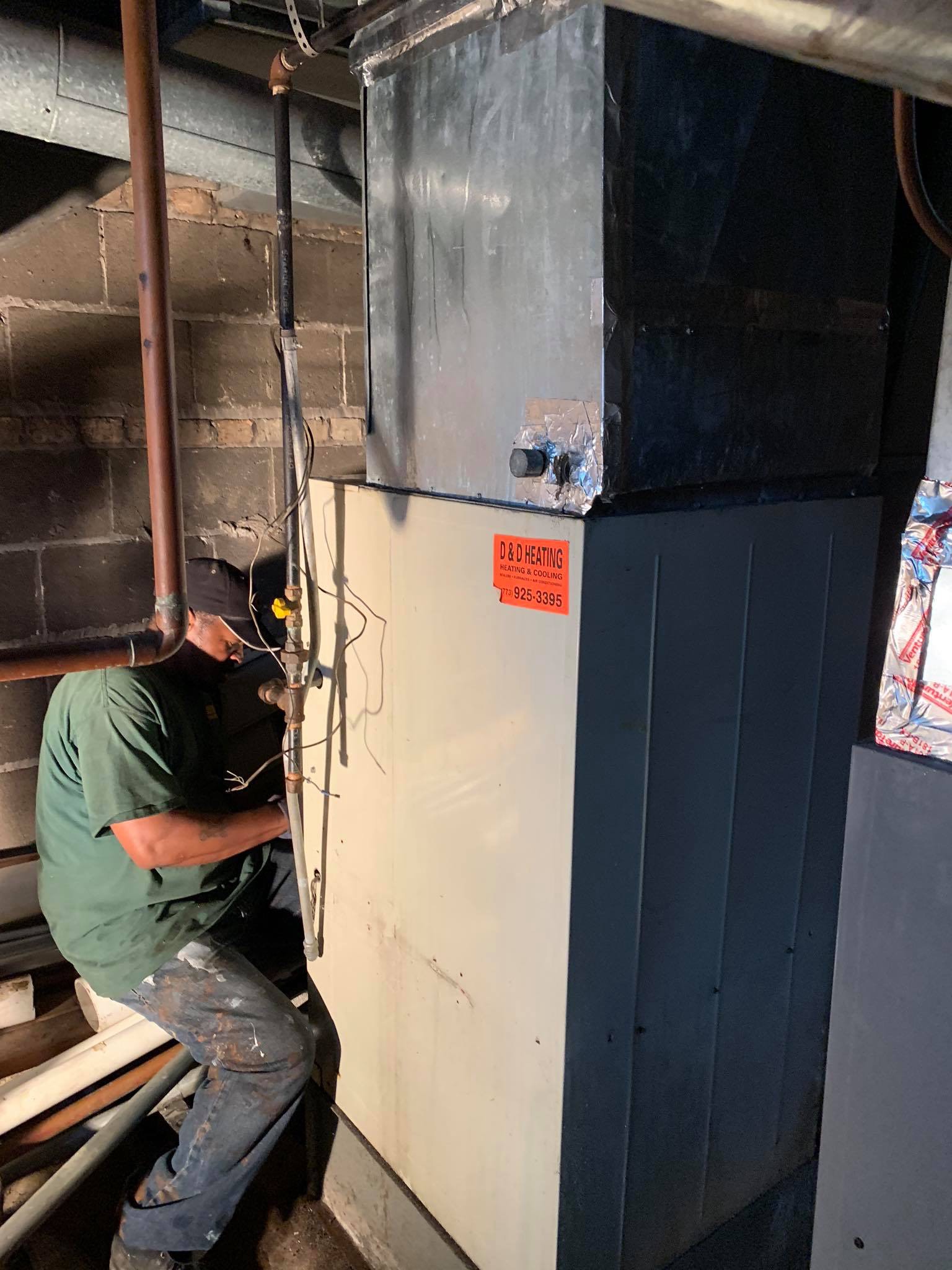
Where Is the Reset Button on Your Furnace, and What Does It Do?
Where Is the Reset Button on Your Furnace, and What Does It Do?
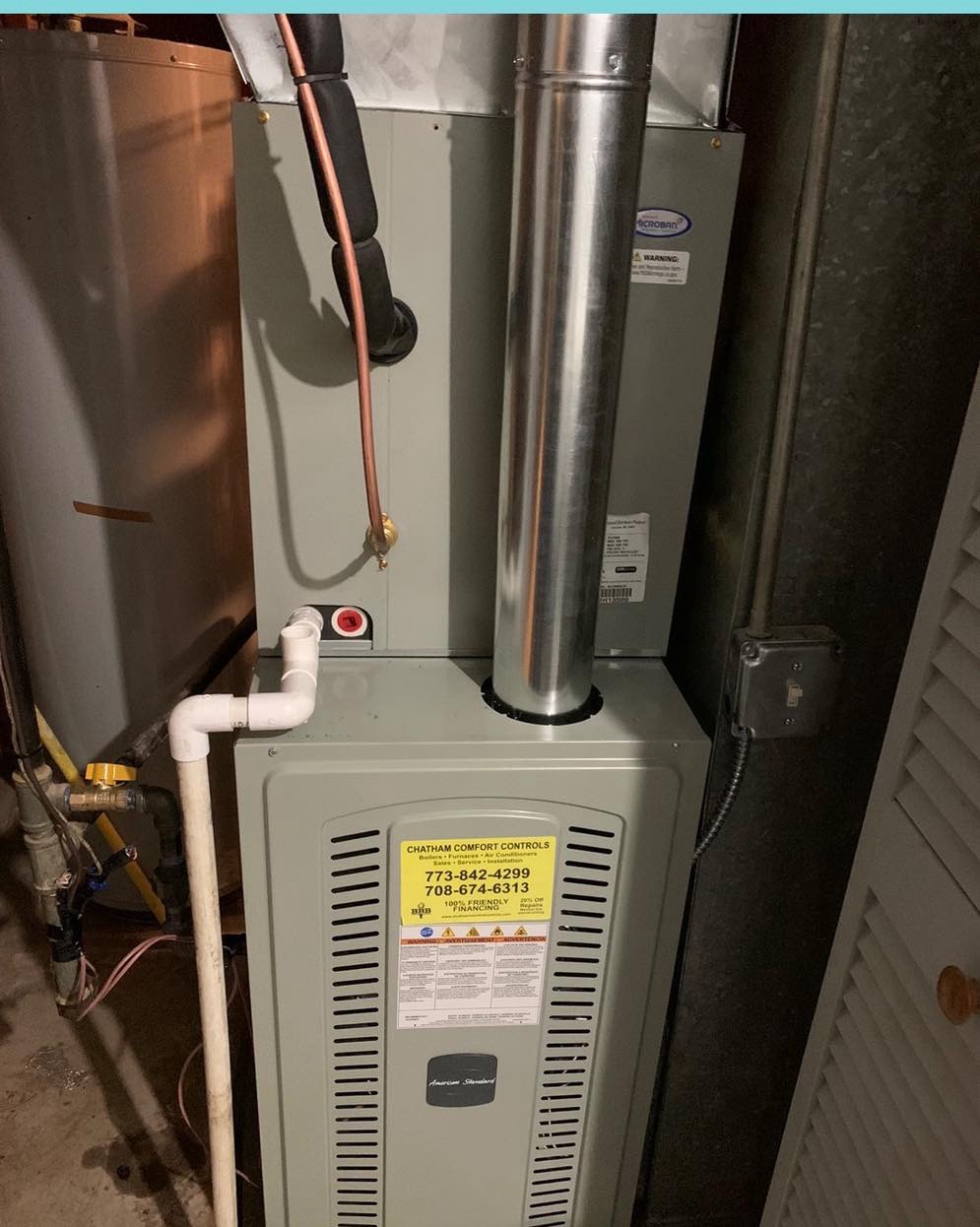
The furnace reset button is typically located on or near the blower motor housing, often appearing as a small red or yellow button that manually restarts your heating system after a safety shutdown. This safety feature protects your furnace from damage when it detects overheating, flame failure, or other hazardous conditions. Most Chicago homeowners can locate it by removing the access panel on the front of their furnace.
Understanding this simple component can save you money on unnecessary service calls. Many furnace issues resolve with a single reset. However, knowing when to press it matters just as much as knowing where to find it.
In this blog, we will explain where to find your furnace reset button and what triggers it to activate. You will learn safe reset procedures, warning signs of deeper problems, and when Chicago homeowners should call a professional instead.
Key Benefits of Annual Furnace Maintenance for Chicago Homeowners
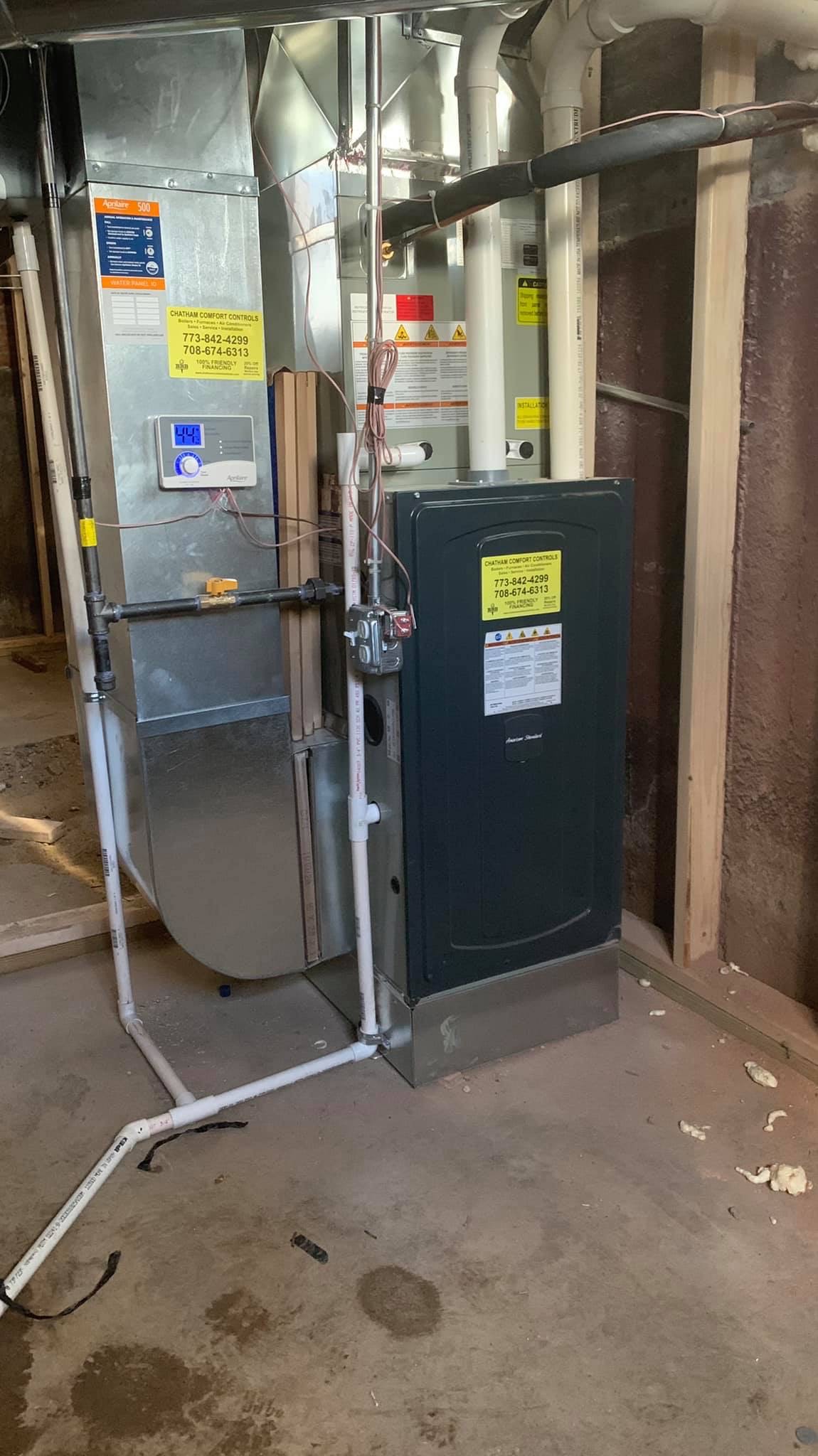
Regular furnace maintenance protects your investment and keeps your family safe during harsh Chicago winters. A well-maintained system runs more efficiently and breaks down less often. Chicago Comfort HVAC recommends scheduling service before temperatures drop each fall.
Increased Energy Efficiency and Lower Utility Bills
Clean burners and properly calibrated components use less fuel to heat your home. Dirty systems work harder and consume more energy. According to the U.S. Department of Energy, regular maintenance can reduce heating costs by up to 30% compared to neglected systems. Chicago homeowners typically see savings of $150 to $400 annually on utility bills after professional tune-ups.
Prevention of Costly Furnace Breakdowns
Most mid-winter failures stem from preventable issues. Worn parts, dirty filters, and loose connections cause 80% of furnace breakdowns. A technician catches these problems before they leave you without heat. Emergency repairs in Chicago often cost three to four times more than scheduled maintenance visits.
Extending the Lifespan of Your Heating System
The average furnace lasts 15 to 20 years with proper care. Neglected systems often fail within 10 to 12 years. Annual maintenance reduces wear on critical components. This extends equipment life and delays expensive replacement costs.
Enhanced Safety Through Professional Inspections
Technicians check for gas leaks, carbon monoxide risks, and electrical hazards during each visit. Cracked heat exchangers pose serious health dangers. Professional inspections identify these threats before they harm your family. Chicago's older homes face higher risks due to aging ductwork and ventilation systems.
Keeping Your Manufacturer Warranty Valid
Most furnace warranties require documented annual maintenance. Skipping service can void your coverage entirely. This leaves you responsible for repair costs the manufacturer would otherwise cover. Keep all service records to protect your warranty rights.
What to Expect During a Professional Furnace Tune-Up
A thorough tune-up takes 60 to 90 minutes and covers every critical system component. Chicago Comfort HVAC technicians follow a comprehensive checklist during each visit. Here is what happens during a professional service appointment.
Thorough Cleaning of Burners and System Components
Dust and debris accumulate on burners throughout the heating season. Dirty burners produce uneven flames and waste fuel. Technicians clean all burner assemblies, flame sensors, and ignition components. This restores proper combustion and improves efficiency.
Inspecting the Heat Exchanger for Cracks or Damage
The heat exchanger separates combustion gases from your home's air supply. Cracks allow carbon monoxide to enter living spaces. Technicians use specialized cameras and inspection tools to examine this critical component. Any damage requires immediate attention.
Evaluating and Replacing the Air Filter if Needed
Clogged filters restrict airflow and force your system to work harder. Most filters need replacement every 30 to 90 days during heating season. Your technician checks filter condition and recommends the right replacement schedule for your home.
Lubrication of Key Mechanical Parts
Blower motors, bearings, and other moving parts require proper lubrication. Dry components create friction, generate heat, and wear out faster. A small amount of maintenance extends the life of these expensive parts significantly.
Calibrating the Thermostat and Checking Electrical Connections
Inaccurate thermostats cause temperature swings and energy waste. Technicians verify thermostat accuracy and adjust settings as needed. They also tighten electrical connections and test safety controls throughout the system.
Ensuring Proper Airflow and Safe Venting
Blocked vents and restricted ductwork reduce heating efficiency. Technicians measure airflow at supply and return registers. They also inspect exhaust venting to confirm combustion gases exit your home safely.
Why Annual Furnace Maintenance Matters More in Chicago, IL
Chicago's climate puts unique demands on heating equipment. Local furnaces work harder and longer than systems in milder regions. This increased workload makes regular maintenance essential for reliable performance.
Intense Winter Use and Prolonged Heating Seasons
Chicago furnaces typically run from October through April. That is six to seven months of continuous operation. Systems in southern states may only run three to four months annually. This extended use accelerates wear on all components.
Cold Spikes That Put Extra Stress on Furnace Parts
Chicago temperatures regularly drop below zero during January and February. These extreme cold snaps force furnaces to run continuously for hours. Sudden temperature swings stress ignition systems, heat exchangers, and blower motors. Well-maintained equipment handles these demands better.
Carbon Monoxide Risks in Airtight Chicago Homes
Many Chicago homes feature tight construction to reduce energy loss. This limits natural ventilation and increases carbon monoxide risks. Cracked heat exchangers or blocked vents become more dangerous in sealed environments. Annual inspections catch these hazards early.
What Happens If You Skip Yearly Furnace Maintenance
Neglecting maintenance creates compounding problems over time. Small issues become major failures. Costs increase while system reliability decreases. Here is what Chicago homeowners risk by skipping annual service.
Greater Risk of Mid-Winter System Failures
Unmaintained furnaces fail at the worst possible times. Cold weather stresses already-weakened components past their limits. Emergency service during Chicago's coldest weeks often requires 24 to 48 hour waits. Your family could face dangerous temperatures while waiting for repairs.
Decreased Energy Efficiency and Higher Heating Costs
Dirty systems lose efficiency gradually. You may not notice the change month to month. However, neglected furnaces can use 20% to 40% more fuel than properly maintained equipment. That adds up to hundreds of dollars in wasted energy each winter.
Faster Wear and Premature Equipment Replacement
Components that should last years fail in months without proper care. Replacing a furnace costs $4,000 to $12,000 in Chicago, depending on system size and efficiency rating. Maintenance costing $100 to $200 annually protects this major investment.
Increased Safety Hazards Including CO Leaks
Carbon monoxide is odorless and invisible. Cracked heat exchangers and blocked vents create deadly conditions. The CDC reports that over 400 Americans die annually from unintentional carbon monoxide poisoning. Most cases occur during heating season.
Risk of Losing Manufacturer Warranty Coverage
Warranty claims require proof of annual professional maintenance. Without service records, manufacturers deny coverage for defective parts. A failed heat exchanger under warranty costs nothing. The same failure without warranty coverage costs $1,500 to $3,000 for parts and labor.
Do New Furnaces in Chicago Still Require Maintenance?
New equipment needs maintenance just as much as older systems. Modern furnaces feature advanced technology that requires proper care. Skipping service on new equipment creates problems quickly.
Why High-Efficiency Units Still Need Annual Service
High-efficiency furnaces use condensing technology and secondary heat exchangers. These systems have more components that require inspection. Condensate drains can clog and cause water damage. Electronic ignition systems need regular cleaning to function properly.
Maintenance Requirements Set by Furnace Manufacturers
Every major manufacturer requires annual professional service to maintain warranty coverage. Carrier, Lennox, Trane, and other brands specify this clearly in warranty documents. Chicago Comfort HVAC provides documentation that satisfies all manufacturer requirements.
Chicago Climate Conditions That Increase Furnace Maintenance Needs
Local environmental factors affect furnace performance and maintenance requirements. Chicago presents unique challenges that homeowners in other regions do not face.
Longer Heating Seasons and Extended Run Times
Chicago's heating season averages 180 to 200 days annually. Furnaces accumulate more operating hours than systems in warmer climates. This extended use means faster filter clogging, more wear on moving parts, and greater stress on electrical components.
Moisture and Humidity from Lake Michigan Impacting Components
Lake Michigan creates humidity that affects HVAC equipment. Moisture accelerates corrosion on metal components. Condensation can form inside furnace cabinets during temperature swings. Regular inspections catch moisture-related damage before it spreads.
Ventilation Issues in Chicago's Older Residential Structures
Many Chicago homes date from the early 1900s. Original ductwork and ventilation systems may not meet modern standards. Older chimneys and flues require careful inspection. Technicians familiar with Chicago's housing stock understand these unique challenges.
Warning Signs That Your Furnace Needs Immediate Service
Some problems require attention before your next scheduled maintenance visit. Recognizing warning signs helps you avoid dangerous situations and costly damage. Contact a professional immediately if you notice any of these issues.
Strange noises like banging, squealing, or grinding indicate mechanical problems. Unusual smells, especially rotten egg or burning odors, suggest gas leaks or electrical issues. Yellow or flickering pilot flames point to combustion problems. Frequent cycling on and off signals thermostat or airflow issues.
Cold spots throughout your home indicate ductwork problems or failing equipment. Rising utility bills without increased usage suggest declining efficiency. Any carbon monoxide detector alarm requires immediate evacuation and professional inspection.
How Annual Furnace Maintenance Saves Money in Chicago
Maintenance costs money upfront but saves significantly over time. Chicago homeowners who invest in regular service spend less on heating overall. Here is how maintenance protects your budget.
Preventing Expensive Emergency Repairs
Emergency service calls in Chicago typically cost $150 to $300 just for the visit. Parts and labor add hundreds more. Scheduled maintenance catches problems when repairs cost less. You also avoid premium charges for after-hours and weekend service.
Boosting Fuel Efficiency in Gas Heating Systems
Clean, calibrated furnaces extract maximum heat from every unit of natural gas. Dirty burners and clogged filters waste fuel. A 10% improvement in efficiency saves approximately $100 to $200 annually for average Chicago homes. These savings compound year after year.
How Often Should You Schedule Furnace Maintenance in Chicago, IL?
Schedule professional maintenance once per year, ideally in early fall before heating season begins. This timing ensures your system is ready when temperatures drop. It also gives you time to address any issues before you need heat.
Chicago Comfort HVAC recommends September or early October appointments. Demand for service increases as weather cools. Early scheduling ensures you get your preferred appointment time. It also avoids the rush when everyone realizes their furnace needs attention.
Homes with older equipment or known issues may benefit from twice-yearly inspections. Systems over 15 years old deserve extra attention. Discuss your specific situation with your technician to determine the right schedule.
Key Takeaways
- The reset button is usually red or yellow, located near the blower motor housing
- Press the reset button only once; multiple attempts indicate deeper problems
- Annual maintenance reduces heating costs by up to 30%
- Chicago's long heating season creates extra wear on furnace components
- Skipping maintenance voids most manufacturer warranties
- Warning signs like strange noises or smells require immediate professional attention
- Schedule fall maintenance before heating season begins
Conclusion
Your furnace reset button serves as a critical safety feature that protects your equipment from damage. Knowing its location and function helps you respond appropriately when your system shuts down unexpectedly. However, frequent resets signal problems that require professional diagnosis.
Chicago Comfort HVAC provides comprehensive furnace maintenance and repair services throughout the Chicago area. Our technicians understand local climate challenges and housing conditions. We deliver transparent pricing and expert workmanship on every service call.
We help Chicago homeowners maintain reliable, efficient heating systems year after year. Contact us today to schedule your annual furnace tune-up. Let our team keep your family comfortable all winter long.
FAQs
Where exactly is the reset button on my furnace?
The reset button is typically located on or near the blower motor housing inside the furnace cabinet. Look for a small red or yellow button after removing the front access panel. Some models place it near the burner assembly or on the side of the unit.
What causes the furnace reset button to trip?
The reset button trips when safety sensors detect overheating, flame failure, or other hazardous conditions. Common causes include clogged filters, blocked vents, dirty flame sensors, or malfunctioning limit switches. The button prevents damage by shutting down the system.
How many times can I safely press the reset button?
Press the reset button only once. If the furnace shuts down again, do not press it repeatedly. Multiple resets can cause unburned gas to accumulate, creating explosion risks. Call a professional if one reset does not solve the problem.
Is it safe to reset my furnace myself?
A single reset attempt is generally safe for homeowners. Wait 30 minutes before pressing the button to allow the system to cool. If you smell gas or notice other warning signs, leave your home and call your gas company immediately.
Why does my furnace keep tripping the reset button?
Repeated tripping indicates an underlying problem that requires professional diagnosis. Common causes include overheating from restricted airflow, faulty limit switches, or ignition system failures. Continuing to reset without addressing the root cause risks equipment damage.
How long should I wait before pressing the reset button?
Wait at least 30 minutes before attempting a reset. This allows the furnace to cool down completely. Pressing the button while components are still hot may not resolve the issue and could stress the system further.
When should I call a professional instead of resetting my furnace?
Call a professional if you smell gas, hear unusual noises, or if one reset does not restore normal operation. Also contact a technician if your carbon monoxide detector alarms or if the furnace repeatedly trips within a short period.
Follow a maintenance program
Ante gravida id aenean quis egestas risus nam amet nullam leo diam diam aliquam eu eu malesuada arcu rhoncus suspendisse nulla mattis ut amet sagittis in justo egestas.

search for a trusted mechanic
Lorem ipsum dolor sit amet, consectetur adipiscing elit lobortis arcu enim urna adipiscing praesent velit viverra sit semper lorem eu cursus vel hendrerit elementum morbi curabitur etiam nibh justo, lorem aliquet donec sed sit mi dignissim at ante massa mattis.
- Neque sodales ut etiam sit amet nisl purus non tellus orci ac auctor
- Adipiscing elit ut aliquam purus sit amet viverra suspendisse potent
- Mauris commodo quis imperdiet massa tincidunt nunc pulvinar
- Excepteur sint occaecat cupidatat non proident sunt in culpa qui officia
Check the air pressure in your tires
Vitae congue eu consequat ac felis placerat vestibulum lectus mauris ultrices cursus sit amet dictum sit amet justo donec enim diam porttitor lacus luctus accumsan tortor posuere praesent tristique magna sit amet purus gravida quis blandit turpis.
Review your suspension frequently
At risus viverra adipiscing at in tellus integer feugiat nisl pretium fusce id velit ut tortor sagittis orci a scelerisque purus semper eget at lectus urna duis convallis. porta nibh venenatis cras sed felis eget neque laoreet suspendisse interdum consectetur libero id faucibus nisl donec pretium vulputate sapien nec sagittis aliquam nunc lobortis mattis aliquam faucibus purus in.
- Neque sodales ut etiam sit amet nisl purus non tellus orci ac auctor
- Adipiscing elit ut aliquam purus sit amet viverra suspendisse potent
- Mauris commodo quis imperdiet massa tincidunt nunc pulvinar
- Excepteur sint occaecat cupidatat non proident sunt in culpa qui officia
Service your vehicle as regularly as posible
At risus viverra adipiscing at in tellus integer feugiat nisl pretium fusce id velit ut tortor sagittis orci a scelerisque purus semper eget at lectus urna duis convallis. porta nibh venenatis cras sed felis eget neque laoreet suspendisse interdum consectetur libero id faucibus nisl donec pretium vulputate sapien nec sagittis aliquam nunc lobortis mattis aliquam faucibus purus in.
“Nisi quis eleifend quam adipiscing vitae aliquet bibendum enim facilisis gravida neque velit euismod in pellentesque”
Conclusion
Eget lorem dolor sed viverra ipsum nunc aliquet bibendum felis donec et odio pellentesque diam volutpat commodo sed egestas aliquam sem fringilla ut morbi tincidunt augue interdum velit euismod eu tincidunt tortor aliquam nulla facilisi aenean sed adipiscing diam donec adipiscing ut lectus arcu bibendum at varius vel pharetra nibh venenatis cras sed felis eget.