
Who Makes the Best HVAC Systems?
Compare the best HVAC brands for Chicago homes and businesses. Carrier, Trane, Lennox, and more ranked by efficiency, cost, and reliability.
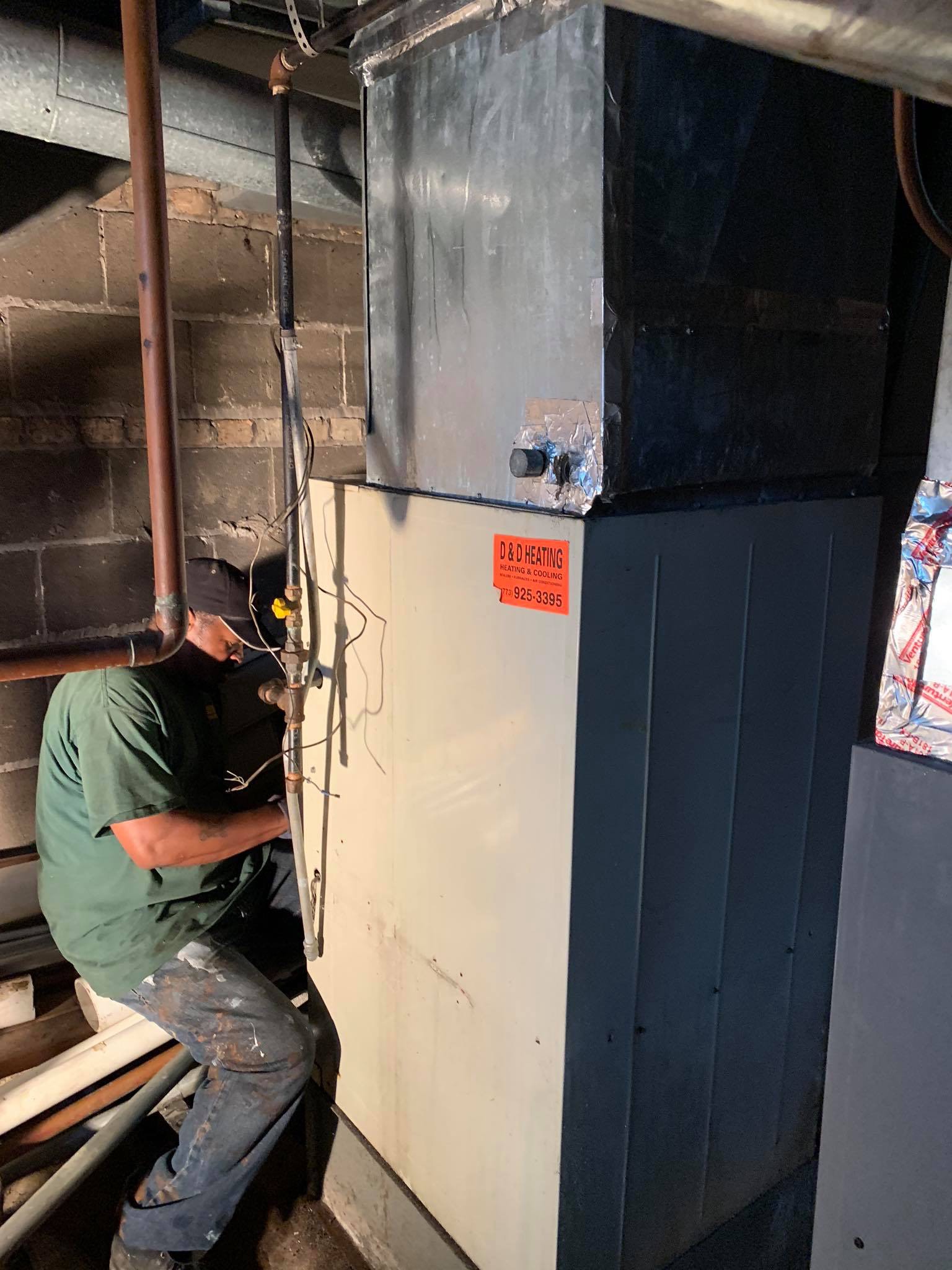
The best HVAC systems come from manufacturers like Carrier, Trane, and Lennox, but the "best" brand for your Chicago home depends on your budget, efficiency goals, and whether you prioritize heating performance for harsh winters or year-round energy savings.
Choosing the wrong system costs thousands in wasted energy and premature replacements. Chicago's extreme temperature swings demand equipment that handles both brutal cold and humid summers.
This guide ranks top HVAC brands head-to-head, breaks down costs specific to the Chicago market, and explains which system types work best for local climate conditions.
What Makes an HVAC System "the Best"?
No single HVAC brand is universally "the best." The right system depends on three measurable factors: energy efficiency ratings, build quality, and warranty protection. Understanding these criteria helps you compare brands objectively instead of relying on marketing claims or a single contractor's preference.
Energy Efficiency Ratings (SEER2, AFUE, HSPF2)
Efficiency ratings tell you how much heating or cooling you get per dollar of energy spent. Three ratings matter most:
SEER2 (Seasonal Energy Efficiency Ratio 2) measures cooling efficiency. The federal minimum is 13.4 SEER2 for northern states including Illinois. High-efficiency models reach 24+ SEER2. Higher SEER2 means lower summer electric bills.
AFUE (Annual Fuel Utilization Efficiency) measures furnace heating efficiency as a percentage. A 96% AFUE furnace converts 96 cents of every dollar spent on gas into heat. Standard models sit around 80% AFUE, while high-efficiency condensing furnaces reach 98% AFUE.
HSPF2 (Heating Seasonal Performance Factor 2) measures heat pump heating efficiency. The federal minimum is 7.5 HSPF2. Top-tier cold-climate heat pumps exceed 10 HSPF2.
For Chicago specifically, AFUE matters most because heating accounts for the largest share of annual energy costs. A jump from 80% to 96% AFUE can save hundreds per year on gas bills.
Build Quality and Long-Term Reliability
Build quality determines how long your system lasts and how often it needs repairs. Key indicators include:
Compressor type. Scroll compressors are more durable and quieter than reciprocating compressors. Variable-speed compressors last longer because they avoid the stress of constant on-off cycling.
Heat exchanger material. Stainless steel heat exchangers resist corrosion better than aluminized steel, which matters in high-humidity environments.
Cabinet construction. Painted steel cabinets with powder coating resist Chicago's freeze-thaw cycles and road salt exposure better than basic painted finishes.
Brands that manufacture their own compressors and coils (Carrier, Trane, Daikin) typically maintain tighter quality control than brands that source components from third parties.
Warranty Coverage and Manufacturer Support
Warranty length and terms vary significantly between brands. Most major manufacturers offer:
- 5 to 12 years on parts (registration required for extended terms)
- Lifetime or 20-year heat exchanger warranties on premium furnaces
- 10-year compressor warranties on higher-tier air conditioners and heat pumps
The catch: nearly every manufacturer requires professional installation by a licensed contractor and product registration within 60 to 90 days to activate the full warranty. Unregistered systems typically default to a 5-year parts warranty.
Labor warranties come from your contractor, not the manufacturer. This is where your choice of installer directly affects long-term protection.
Top HVAC Brands for Chicago Homes and Businesses
Six brands consistently rank among the most installed and highest-rated HVAC systems in the Chicago market. Each has distinct strengths depending on your priorities.
Carrier
Carrier invented modern air conditioning and remains one of the most widely installed brands in the United States. Their Infinity series represents their premium tier, offering variable-speed compressors, up to 24 SEER2 cooling efficiency, and up to 98.5% AFUE on gas furnaces.
Strengths: Strong dealer network in Chicago. Greenspeed Intelligence technology adjusts output in small increments for precise temperature control. Excellent humidity management for Chicago summers.
Considerations: Premium models carry higher upfront costs. Mid-tier Performance series offers solid value for budget-conscious buyers.
Trane
Trane markets itself on durability, and independent reliability surveys consistently place it near the top. Their XV series features variable-speed compressors and communicating technology that lets components optimize performance together.
Strengths: Reputation for lasting longer with fewer repairs. Climatuff compressors are manufactured in-house and tested under extreme conditions. Strong commercial HVAC presence, making them a solid choice for Chicago business owners.
Considerations: Higher price point across all tiers. Dealer availability is strong in the Chicago metro area but installation quality varies by contractor.
Lennox
Lennox produces some of the highest-efficiency equipment on the market. Their SL28XCV air conditioner reaches up to 28 SEER2, the highest available from any major manufacturer. Their premium furnaces hit up to 99% AFUE.
Strengths: Best-in-class efficiency ratings. Quiet operation (as low as 51 decibels on premium models). Precise Comfort technology with variable-speed operation.
Considerations: Lennox uses proprietary parts, which can make repairs more expensive if you don't use a Lennox dealer. Premium pricing across the lineup.
Rheem
Rheem offers strong mid-range value with solid efficiency and reliability. Their Prestige series includes variable-speed options with up to 20 SEER2 cooling and up to 97% AFUE heating.
Strengths: More affordable than Carrier, Trane, or Lennox at comparable efficiency levels. EcoNet smart thermostat integration. Good availability through independent contractors in Chicago.
Considerations: Slightly shorter track record in extreme cold-climate performance compared to Carrier or Trane. Fewer premium-tier options.
Goodman
Goodman is the value leader among major HVAC brands. Owned by Daikin (the world's largest HVAC manufacturer), Goodman offers budget-friendly systems with respectable performance.
Strengths: Lowest upfront cost among major brands. Lifetime heat exchanger warranty on select furnaces. Widely available through Chicago-area contractors.
Considerations: Fewer high-efficiency options. Build quality on entry-level models uses more basic components. Best suited for homeowners prioritizing affordability over peak efficiency.
Daikin
Daikin is the world's largest HVAC manufacturer by revenue and owns both the Daikin and Goodman brands. Their Daikin-branded products target the premium and mid-tier market with strong inverter technology.
Strengths: Industry leader in inverter-driven compressor technology. Excellent ductless mini-split options. Strong presence in both residential and commercial markets.
Considerations: Daikin-branded products have a smaller dealer network in Chicago compared to Carrier or Trane. Brand recognition among U.S. homeowners is still growing.
Best HVAC Systems by Category
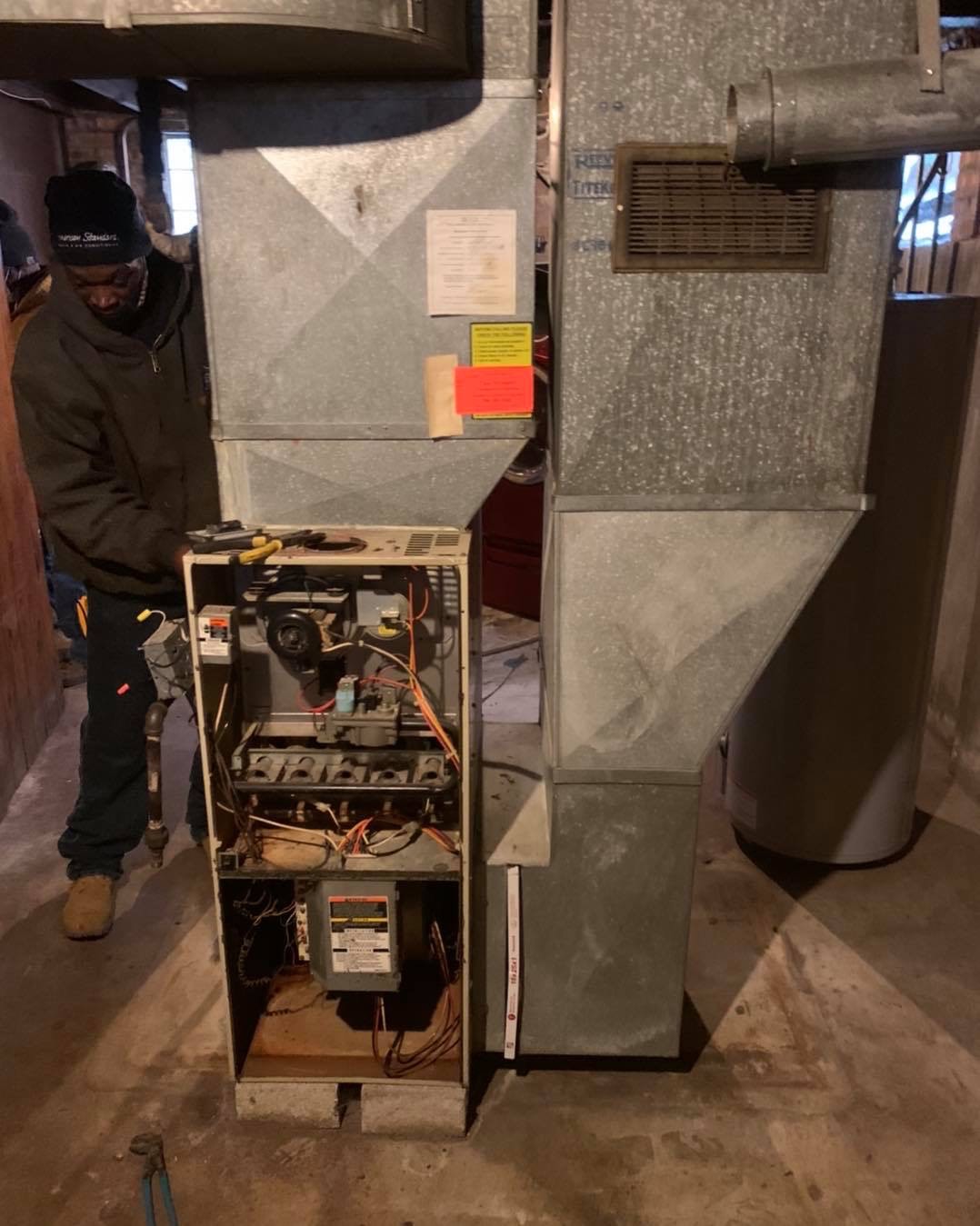
Different priorities call for different brands and system types. Here's how the top manufacturers stack up for specific Chicago needs.
Best for Chicago Winters (Furnaces and Heat Pumps)
Chicago winters regularly drop below 0°F, which demands serious heating capacity. For gas furnaces, Carrier's Infinity 98 and Lennox's SLP99V both deliver 98%+ AFUE with variable-speed blowers that maintain even temperatures during extended cold snaps.
For heat pumps, cold-climate models from Carrier (Infinity with Greenspeed) and Daikin (Fit and Altherma series) can produce effective heat down to -13°F to -22°F depending on the model. Dual-fuel systems that pair a heat pump with a gas furnace backup offer the best of both worlds for Chicago's temperature extremes.
Best for Energy Efficiency
Lennox leads on raw efficiency numbers. Their SL28XCV air conditioner and SLP99V furnace represent the highest SEER2 and AFUE ratings available from any major brand.
Carrier's Infinity series with Greenspeed Intelligence is a close second, offering variable-speed operation that adjusts in 1% increments for minimal energy waste.
For homeowners chasing the lowest possible utility bills and qualifying for maximum federal tax credits, these two brands offer the strongest options.
Best for Budget-Conscious Buyers
Goodman provides the lowest entry price among nationally recognized brands. A Goodman 16 SEER2 air conditioner paired with an 80% AFUE furnace delivers reliable comfort at a significantly lower installed cost than premium alternatives.
Rheem's Classic series offers a step up in build quality at a moderate price increase. For Chicago homeowners replacing a failing system on a tight timeline, these brands deliver solid performance without the premium markup.
Best for Commercial Properties
Trane and Carrier dominate the commercial HVAC market for good reason. Both offer commercial-grade rooftop units, variable refrigerant flow (VRF) systems, and building automation integration.
Daikin's VRV (Variable Refrigerant Volume) systems are increasingly popular for multi-zone commercial buildings in Chicago, offering precise zone control and strong energy performance in large spaces.
For small commercial properties like retail storefronts or restaurants, commercial-rated split systems from Carrier or Trane provide the reliability that business owners need to avoid costly downtime.
How Chicago's Climate Affects Your HVAC Decision
Chicago's climate is one of the most demanding in the country for HVAC equipment. Your system needs to handle temperature swings of 100°F or more between winter lows and summer highs.
Extreme Cold and Heating Demand
Chicago averages roughly 2,000+ heating degree days above the national average for moderate climates. That means your furnace runs hard from November through March, sometimes April.
This heavy heating load makes furnace efficiency the single biggest factor in your annual energy costs. The difference between an 80% AFUE and a 96% AFUE furnace compounds over a Chicago winter. On a $2,000 annual gas bill, that efficiency gap saves roughly $300+ per year.
Gas furnaces remain the dominant heating choice in Chicago because natural gas is widely available and cost-effective. Heat pumps are gaining ground, but most Chicago HVAC professionals recommend dual-fuel setups rather than heat-pump-only systems for primary heating.
Summer Humidity and Cooling Loads
Chicago summers bring temperatures into the 90s°F with high humidity. Your air conditioner or heat pump needs adequate cooling capacity and effective dehumidification.
Variable-speed systems from Carrier, Trane, and Lennox handle humidity better than single-stage units because they run longer at lower speeds, pulling more moisture from the air. This matters in older Chicago homes where ductwork may be undersized or poorly sealed.
Proper sizing is critical. An oversized system cools quickly but short-cycles, leaving humidity levels uncomfortably high. A qualified contractor performs a Manual J load calculation to match equipment capacity to your home's actual cooling needs.
Seasonal Price Fluctuations for Installation
HVAC installation costs in Chicago fluctuate with demand. Peak seasons (June through August for cooling, November through January for heating) bring higher labor costs and longer wait times.
The best time to schedule installation is during shoulder seasons: spring (March through May) and fall (September through October). Many contractors and manufacturers offer promotional pricing during these slower periods. Planning ahead can save $500 to $1,500 on the same system compared to an emergency replacement in mid-winter or mid-summer.
HVAC System Types Compared
The "best" system type depends on your property, existing infrastructure, and comfort goals. Here's how the four main HVAC configurations compare for Chicago applications.
Central Air Conditioners and Gas Furnaces
This is the most common HVAC setup in Chicago homes. A gas furnace handles heating, and a central air conditioner handles cooling. Both share the same ductwork and blower.
Pros: Proven technology. Lowest installation cost if ductwork already exists. Gas furnaces deliver strong heat output even in extreme cold. Wide range of efficiency options from every major brand.
Cons: Two separate systems to maintain. Gas furnaces produce combustion byproducts requiring proper venting. Efficiency is limited by the weakest component in the pair.
Best for: Most Chicago single-family homes with existing ductwork.
Heat Pumps (Air-Source and Dual Fuel)
Air-source heat pumps provide both heating and cooling from a single outdoor unit. Modern cold-climate heat pumps can operate effectively at temperatures well below zero.
Pros: One system for heating and cooling. Eligible for federal tax credits of up to $2,000 under the Inflation Reduction Act for qualifying models. Lower operating costs than gas furnaces when paired with favorable electric rates.
Cons: Heating capacity decreases as temperatures drop. In Chicago's coldest stretches, a backup heat source is recommended. Higher upfront cost than a basic furnace-and-AC combo.
Dual-fuel systems pair a heat pump with a gas furnace. The heat pump handles mild-to-moderate cold, and the furnace kicks in during extreme cold. This configuration optimizes efficiency across Chicago's full temperature range.
Best for: Homeowners prioritizing energy efficiency and tax credit eligibility who want a gas furnace backup for the coldest days.
Ductless Mini-Split Systems
Ductless systems mount individual air handlers in each room, connected to an outdoor compressor. No ductwork required.
Pros: Ideal for older Chicago homes, additions, or converted spaces without ductwork. Zone control lets you heat or cool only occupied rooms. Very high efficiency ratings.
Cons: Higher cost per ton of capacity than central systems. Each indoor unit is visible on the wall or ceiling. Not practical as a whole-home solution for larger properties.
Best for: Room additions, finished basements, attics, coach houses, and older Chicago buildings where installing ductwork is impractical or cost-prohibitive.
Packaged HVAC Units
Packaged units combine heating and cooling components in a single outdoor cabinet. Common in commercial applications and some residential setups where indoor space is limited.
Pros: Space-saving design. Single unit simplifies maintenance. Available in gas/electric, heat pump, and dual-fuel configurations.
Cons: Typically lower efficiency than split-system equivalents. Outdoor installation exposes all components to Chicago weather. Fewer residential options from premium brands.
Best for: Small commercial buildings, rooftop installations, and residential properties with limited indoor mechanical space.
How Much Do Top HVAC Systems Cost in Chicago?
HVAC pricing in Chicago varies based on brand, efficiency tier, system type, and installation complexity. Here are realistic cost ranges for the local market.
Equipment Costs by Brand and Tier
Brand
Entry Tier (Equipment Only)
Mid Tier (Equipment Only)
Premium Tier (Equipment Only)
Carrier
$2,500 - $3,500
$3,500 - $5,500
$5,500 - $8,000+
Trane
$2,800 - $3,800
$3,800 - $5,800
$5,800 - $8,500+
Lennox
$2,800 - $4,000
$4,000 - $6,000
$6,000 - $9,000+
Rheem
$2,000 - $3,000
$3,000 - $4,500
$4,500 - $6,500
Goodman
$1,500 - $2,500
$2,500 - $3,500
$3,500 - $5,000
Daikin
$2,200 - $3,200
$3,200 - $5,000
$5,000 - $7,500+
These are equipment-only estimates. Installation adds significantly to total project cost.
Installation and Labor Costs
Chicago HVAC installation labor typically runs $3,000 to $6,000 depending on complexity. Factors that increase labor costs include:
- Ductwork modification or replacement: Adds $2,000 to $5,000+ for older homes with deteriorated or undersized ducts
- Electrical upgrades: Heat pump installations may require a panel upgrade or new circuit, adding $500 to $2,000
- Permit fees: City of Chicago mechanical permits are required for HVAC installations
- Multi-story homes: Equipment access challenges in Chicago's multi-level homes and two-flats increase labor time
- Asbestos abatement: Some older Chicago homes require asbestos removal before ductwork modification, adding $1,500 to $4,000+
A complete furnace and air conditioner replacement in a typical Chicago single-family home runs $7,000 to $15,000 installed, depending on brand and efficiency level. High-efficiency or dual-fuel heat pump systems range from $10,000 to $20,000+ installed.
Long-Term Operating Costs and Energy Savings
The cheapest system to buy is rarely the cheapest system to own. Operating costs over a system's 15 to 20-year lifespan often exceed the purchase price.
A high-efficiency 96% AFUE furnace paired with a 18 SEER2 air conditioner costs more upfront than an 80% AFUE / 14 SEER2 combo. But the efficiency difference saves an estimated $400 to $800 per year on utility bills in Chicago's climate. Over 15 years, that's $6,000 to $12,000 in savings, often exceeding the upfront price difference.
Factor in available tax credits and rebates, and high-efficiency systems frequently deliver a lower total cost of ownership than budget alternatives.
How to Choose the Right HVAC Contractor in Chicago
The best HVAC brand in the world performs poorly with a bad installation. Contractor quality affects system performance, efficiency, lifespan, and warranty validity. In many cases, who installs your system matters more than which brand you choose.
Licensing, Insurance, and Local Experience
Illinois requires HVAC contractors to hold appropriate licenses. In Chicago specifically, verify:
- Active Illinois HVAC license (check through the Illinois Department of Financial and Professional Regulation)
- City of Chicago contractor license for work within city limits
- General liability insurance and workers' compensation coverage
- Experience with your specific system type (heat pumps require different expertise than standard furnace installations)
Ask how many installations the contractor completes annually in the Chicago area. Local experience matters because Chicago's housing stock (brick bungalows, two-flats, greystones, high-rises) presents unique installation challenges that contractors from outside the area may not anticipate.
Transparent Pricing vs. Hidden Fees
Reputable contractors provide detailed written estimates that break out equipment costs, labor, materials, permits, and any additional work like ductwork modification or electrical upgrades.
Red flags include:
- Verbal-only estimates with no written documentation
- Unusually low bids that omit necessary work (permits, ductwork, electrical)
- High-pressure sales tactics pushing you toward the most expensive system
- Refusal to perform a load calculation before recommending equipment size
Get at least three written estimates from licensed Chicago contractors. Compare line items, not just bottom-line prices. The lowest bid often excludes work that the other bids include.
Why Proper Sizing and Installation Matter More Than Brand
An improperly sized system wastes energy regardless of brand. An oversized furnace short-cycles, creating temperature swings and excessive wear. An undersized air conditioner runs constantly without reaching set temperature.
A proper installation includes:
- Manual J load calculation to determine correct equipment size for your specific home
- Manual D duct design to verify existing ductwork can handle the new system's airflow
- Proper refrigerant charge (incorrect charge reduces efficiency by up to 20%)
- Sealed and insulated duct connections to prevent conditioned air loss
- Correct thermostat placement and programming
A premium Carrier or Trane system installed incorrectly will underperform a properly installed Goodman system. The contractor's skill and attention to detail determine real-world performance.
HVAC Rebates, Tax Credits, and Financing in Chicago
Several programs reduce the net cost of high-efficiency HVAC equipment for Chicago homeowners and businesses. Taking advantage of these incentives can offset a significant portion of the price difference between standard and premium systems.
Federal Energy Tax Credits for High-Efficiency Systems
The Inflation Reduction Act provides tax credits for qualifying HVAC equipment through 2032:
- Heat pumps (air-source): Up to $2,000 tax credit for systems meeting CEE highest efficiency tier requirements
- Central air conditioners: Up to $600 for units meeting Energy Star Most Efficient criteria
- Gas furnaces: Up to $600 for furnaces with 97% AFUE or higher
- Boilers: Up to $600 for qualifying high-efficiency models
These are annual tax credits, meaning you can claim them each year you install qualifying equipment. They apply to the cost of equipment and installation labor.
Illinois and ComEd Utility Rebates
Chicago-area homeowners served by ComEd and Peoples Gas may qualify for additional rebates:
- ComEd energy efficiency rebates for qualifying cooling equipment and smart thermostats
- Peoples Gas rebates for high-efficiency furnaces and boilers
- Illinois Home Weatherization Assistance Program for income-qualifying households
Rebate amounts and eligibility change annually. Check with your contractor and utility provider for current program details before purchasing. Some rebates require pre-approval or specific equipment models.
Financing Options for HVAC Installation
Most established Chicago HVAC contractors offer financing through third-party lenders. Common options include:
- 0% APR promotional financing for 12 to 60 months on qualifying purchases
- Low-interest loans with fixed monthly payments over 5 to 15 years
- PACE (Property Assessed Clean Energy) financing available in some Illinois jurisdictions, repaid through property tax assessments
Financing allows you to install a higher-efficiency system now and pay the difference through energy savings over time. Compare financing terms carefully. A 0% APR offer with a short term may result in higher monthly payments than a low-interest longer-term loan.
Conclusion
The best HVAC system for your Chicago property depends on your heating priorities, efficiency goals, budget, and the quality of your installation. Carrier, Trane, and Lennox lead on performance and efficiency, while Goodman and Rheem deliver strong value at lower price points.
No brand compensates for poor installation. Proper sizing, quality ductwork, and skilled labor determine whether your investment delivers the comfort and savings you expect over the next 15 to 20 years.
We help Chicago homeowners and businesses navigate these decisions every day. Contact Chicago Comfort HVAC for a transparent estimate, honest system recommendations, and professional installation backed by local expertise.
Frequently Asked Questions
What HVAC brand do most contractors recommend?
Most contractors recommend brands they are authorized to sell and install. Carrier, Trane, and Lennox are the most commonly recommended premium brands. Goodman and Rheem are frequently recommended for budget-conscious projects. Ask your contractor why they recommend a specific brand and whether they offer alternatives.
Is a heat pump worth it in Chicago's climate?
Modern cold-climate heat pumps work effectively in Chicago, but most HVAC professionals recommend a dual-fuel setup that pairs a heat pump with a gas furnace backup. This gives you heat pump efficiency during mild weather and reliable gas heat during extreme cold snaps below zero.
How long do top HVAC systems last?
A well-maintained furnace typically lasts 15 to 25 years. Central air conditioners and heat pumps last 12 to 20 years. Premium brands with variable-speed components often last longer because they experience less mechanical stress from constant cycling.
What SEER2 rating should I look for in Chicago?
For Chicago, a 16 to 18 SEER2 air conditioner or heat pump offers a strong balance of efficiency and value. Systems above 20 SEER2 deliver diminishing returns unless you have very high cooling loads or want to maximize tax credit eligibility.
Are expensive HVAC brands really better than budget ones?
Premium brands typically offer higher efficiency ratings, quieter operation, longer warranties, and more advanced features like variable-speed technology. However, a properly installed mid-range system will outperform a poorly installed premium system. Installation quality matters as much as brand selection.
How much does a full HVAC replacement cost in Chicago?
A complete furnace and air conditioner replacement in Chicago typically costs $7,000 to $15,000 for standard efficiency and $10,000 to $20,000+ for high-efficiency or dual-fuel heat pump systems. Costs vary based on brand, system type, home size, ductwork condition, and installation complexity.
Should I repair or replace my aging HVAC system?
Consider replacement if your system is over 15 years old, requires repairs costing more than 50% of replacement value, uses R-22 refrigerant (phased out and expensive), or your energy bills have increased significantly. A newer high-efficiency system often pays for itself through lower operating costs within 5 to 8 years.
Follow a maintenance program
Ante gravida id aenean quis egestas risus nam amet nullam leo diam diam aliquam eu eu malesuada arcu rhoncus suspendisse nulla mattis ut amet sagittis in justo egestas.

search for a trusted mechanic
Lorem ipsum dolor sit amet, consectetur adipiscing elit lobortis arcu enim urna adipiscing praesent velit viverra sit semper lorem eu cursus vel hendrerit elementum morbi curabitur etiam nibh justo, lorem aliquet donec sed sit mi dignissim at ante massa mattis.
- Neque sodales ut etiam sit amet nisl purus non tellus orci ac auctor
- Adipiscing elit ut aliquam purus sit amet viverra suspendisse potent
- Mauris commodo quis imperdiet massa tincidunt nunc pulvinar
- Excepteur sint occaecat cupidatat non proident sunt in culpa qui officia
Check the air pressure in your tires
Vitae congue eu consequat ac felis placerat vestibulum lectus mauris ultrices cursus sit amet dictum sit amet justo donec enim diam porttitor lacus luctus accumsan tortor posuere praesent tristique magna sit amet purus gravida quis blandit turpis.
Review your suspension frequently
At risus viverra adipiscing at in tellus integer feugiat nisl pretium fusce id velit ut tortor sagittis orci a scelerisque purus semper eget at lectus urna duis convallis. porta nibh venenatis cras sed felis eget neque laoreet suspendisse interdum consectetur libero id faucibus nisl donec pretium vulputate sapien nec sagittis aliquam nunc lobortis mattis aliquam faucibus purus in.
- Neque sodales ut etiam sit amet nisl purus non tellus orci ac auctor
- Adipiscing elit ut aliquam purus sit amet viverra suspendisse potent
- Mauris commodo quis imperdiet massa tincidunt nunc pulvinar
- Excepteur sint occaecat cupidatat non proident sunt in culpa qui officia
Service your vehicle as regularly as posible
At risus viverra adipiscing at in tellus integer feugiat nisl pretium fusce id velit ut tortor sagittis orci a scelerisque purus semper eget at lectus urna duis convallis. porta nibh venenatis cras sed felis eget neque laoreet suspendisse interdum consectetur libero id faucibus nisl donec pretium vulputate sapien nec sagittis aliquam nunc lobortis mattis aliquam faucibus purus in.
“Nisi quis eleifend quam adipiscing vitae aliquet bibendum enim facilisis gravida neque velit euismod in pellentesque”
Conclusion
Eget lorem dolor sed viverra ipsum nunc aliquet bibendum felis donec et odio pellentesque diam volutpat commodo sed egestas aliquam sem fringilla ut morbi tincidunt augue interdum velit euismod eu tincidunt tortor aliquam nulla facilisi aenean sed adipiscing diam donec adipiscing ut lectus arcu bibendum at varius vel pharetra nibh venenatis cras sed felis eget.
