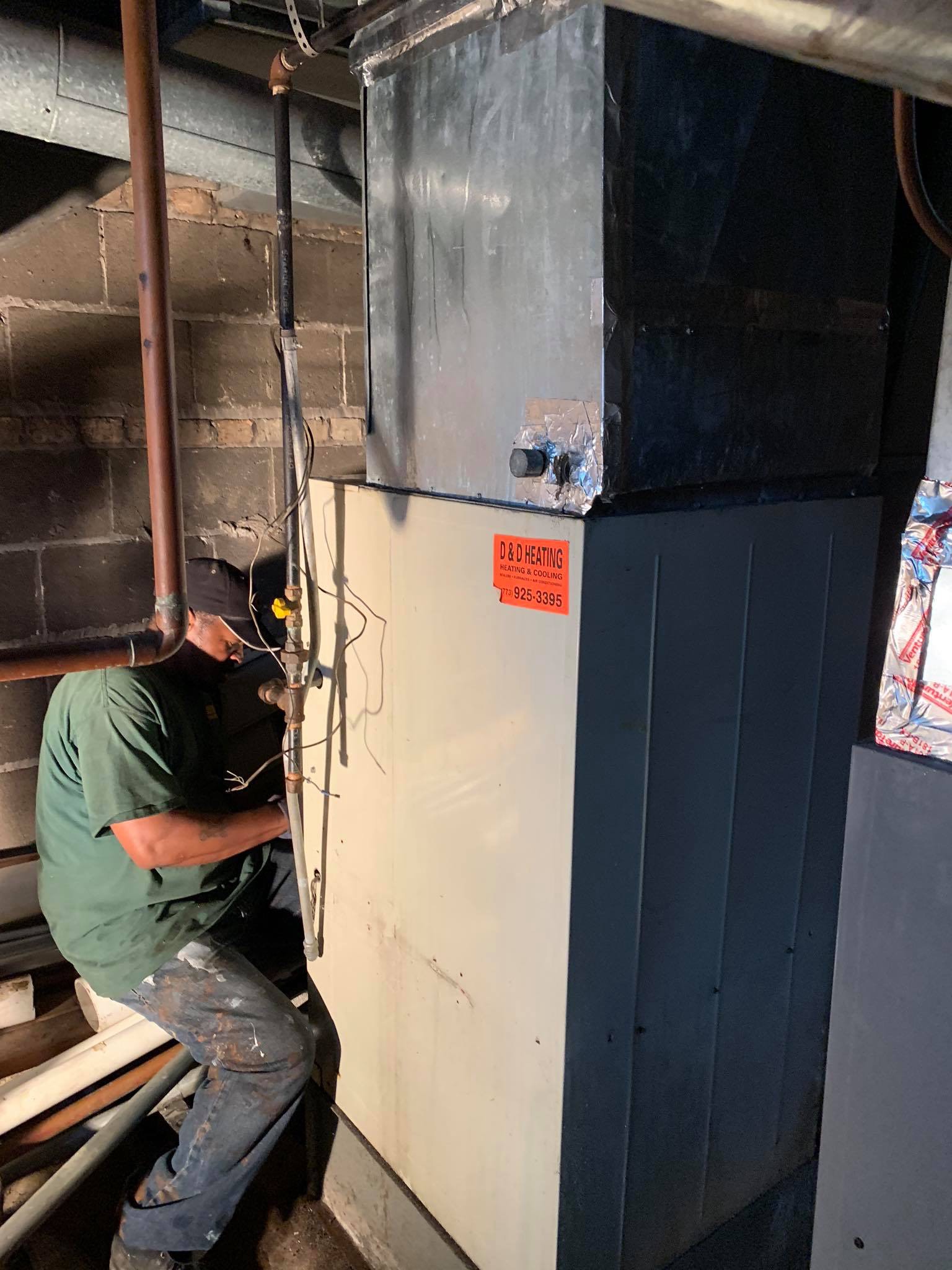
Why Does Your Furnace Smell Like It's Burning?
Why Does Your Furnace Smell Like It's Burning?
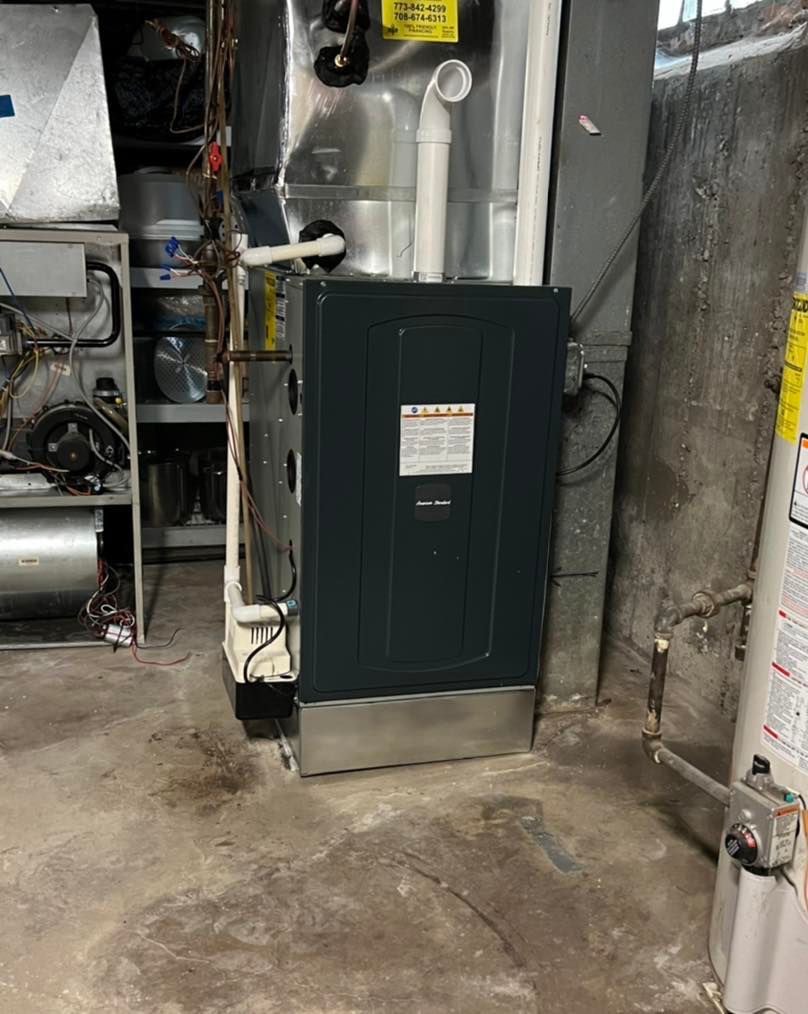
A burning smell from your furnace can be normal or a sign of danger. Chicago homeowners often notice this odor when they first turn on their heat in fall. The smell worries many families because it might mean something is wrong. Your home's safety depends on knowing when the odor is harmless and when it signals trouble.
Most burning smells come from dust accumulation on heating parts that sat idle all summer. This problem happens in thousands of Chicago homes every heating season. We help families understand the difference between safe odors and dangerous ones.
This guide shows you what each burning smell means and when to act. You will learn simple steps to protect your family and home.
Why Your Furnace Smells Like It's Burning in Chicago Homes
Furnaces smell like burning because dust burns off heating elements after months of inactivity. This happens in most Chicago homes during the first cold snap. The odor usually fades within a few hours of startup.
Most Common Reasons Furnaces Smell Like Burning During Startup
Dust on heating components causes most burning smells during furnace startup. The heat exchanger collects dust while your system sits unused. When the furnace fires up, this dust burns away quickly. A dirty furnace filter makes the smell worse by restricting airflow. Bacteria buildup in ducts can also create odd odors. Some homeowners notice smells from new furnace initial use as factory oils burn off.
Why Burning Odors Are Common in Fall and Winter in Chicago
Chicago's seasonal climate creates perfect conditions for furnace burning smells each fall. Furnaces sit idle for six to eight months between heating seasons. Dust accumulation builds up heavily during this time. Humidity in summer months encourages mold in air ducts growth. When cold weather hits suddenly, families turn on heat without warning. The furnace works hard to warm cold homes quickly.
How Long a Furnace Burning Smell Should Typically Last
Normal burning smells should disappear within 30 minutes to two hours of operation. The odor fades as dust finishes burning off heating surfaces. Clogged air vents can make smells linger longer than normal. Persistent odors beyond three hours signal a problem. Strong smells that worsen over time need immediate attention.
Normal Furnace Smells That Aren't a Cause for Concern
Temporary burning smells from dust are normal and safe in most cases. These odors happen when your system restarts after long breaks. The smell should be mild and fade quickly.
Dust on Heating Components After Long Inactivity
Dust settles on heat exchangers and burners during months of non-use. This layer burns away when the furnace heats up again. The process creates a dusty or musty burning odor that smells like old paper. Restricted airflow from blocked registers can intensify the smell temporarily.
Odors from a Furnace That Hasn't Run Since Last Season
Furnaces that sit unused since spring produce the strongest dust-burning smells. The first few heating cycles clear away accumulated particles. This odor is harmless if it fades within hours. Clean systems produce less smell than neglected ones.
Dirty Sock or Bacteria Smells Mistaken for Burning
Bacteria buildup on cooling coils creates musty odors some people mistake for burning. This smell comes from moisture and organic matter in the system. The odor differs from true burning smells by its sour quality.
Decoding Different Furnace Burning Smells and What They Indicate
Different burning smells point to specific furnace problems that need different solutions. Learning to identify each odor helps you respond correctly. Some smells mean minor issues while others signal danger.
Burning Plastic Smell — Electrical Wiring Issues or Melting Components
Burning plastic odor indicates electrical burning smell from melting wire insulation. This smell is sharp and chemical-like in nature. Burning wiring insulation creates serious fire risks in homes. Electrical malfunctions cause about 6.9% of residential building fires nationwide. Turn off your furnace immediately if you smell burning plastic.
Oil or Smoky Smell — Residue from Oil Burners or Nearby Contaminants
Burning oil smell comes from oil leak problems in oil-fired furnaces. This odor is thick and smoky with a petroleum quality. Residue on burners can also create similar smells. The smell may indicate furnace component malfunction needing repair.
Dusty or Musty Burning Odor — Dust Burn-Off After Inactivity
Dusty or musty burning odor signals normal dust burn-off from heating elements. This smell is mild and disappears within hours. The odor resembles burning paper or old fabric. Most Chicago homes experience this smell each fall.
Metallic or Chemical Smell — Potential Motor or Circuit Board Failure
Metallic or chemical smell points to overheating blower motor or circuit board problems. This odor has a hot, oily quality that smells industrial. Overworked furnace components produce this smell when they fail. The smell indicates parts need immediate replacement.
Dangerous Furnace Odors That Require Immediate Action
Strong or persistent burning smells signal dangerous conditions requiring immediate response. These odors mean your furnace poses safety risks. Between 2017 and 2019, residential heating fires caused 165 deaths annually.
Clogged or Dirty Air Filter Causing Overheating
A dirty furnace filter restricts airflow and causes dangerous overheating inside your system. The filter traps dust but blocks air when too clogged. This forces your furnace to work harder and hotter. Components can overheat and create burning smells through vents.
Overheating or Failing Blower Motor Symptoms
An overheating blower motor produces hot, metallic, or oily burning odors. The motor works constantly to move air through your home. Restricted airflow makes the motor strain and overheat. This problem can lead to complete system failure.
Electrical Burning Smell Pointing to Fire Risk
Electrical burning smell from melting components creates immediate fire danger. Heating equipment is the second leading cause of home fires. This smell requires shutting down your system right away. Never ignore sharp chemical or plastic burning odors.
Foreign Objects Stuck in or Near the Furnace Components
Foreign objects in furnace areas can burn and create strong odors. Items like toys, paper, or plastic fall into floor vents. These objects burn when they contact hot surfaces. The smell is often strong and unusual.
When the Burning Odor Isn't Actually from the Furnace
Burning smells sometimes come from nearby sources mistaken for furnace problems. Dust on baseboard heaters creates similar odors. Pilot light issues in water heaters can smell like furnace problems. Check all heating sources before assuming your furnace is responsible.
What to Do When You Smell Burning From Your Furnace
Taking quick action when you smell burning protects your family and home. Follow these steps in order for safety. Illinois residential fires cause 6.1 deaths per 1,000 fires.
Shut Off the Furnace Immediately to Prevent Further Risk
Turn off your furnace at the thermostat and circuit breaker immediately. This stops the problem from getting worse. Shutting down prevents potential fires from developing. Wait until a technician inspects your system before restarting.
Ventilate the Home to Clear Odors or Smoke
Open windows and doors to ventilate your home quickly. Fresh air clears smoke and helps you breathe easier. Good ventilation removes harmful particles from indoor air. Turn on exhaust fans if you have them.
Inspect and Replace the Air Filter If It's Dirty
Check your air filter and replace it if dirty or clogged. A clean filter restores proper airflow immediately. Filters should be changed every one to three months. This simple step solves many burning smell problems.
Make Sure Vents and Registers Are Fully Open
Ensure all vents and registers throughout your home are fully open. Blocked registers restrict airflow and cause overheating problems. Remove furniture, curtains, or objects covering vents. Open dampers in all rooms you want heated.
Call a Trusted Chicago HVAC Technician if the Odor Persists
Contact a professional HVAC inspection expert if smells continue or seem electrical. Trained technicians identify problems homeowners cannot see. We provide same-day service for emergency situations. Gas leak detection and electrical issues require professional tools.
How to Prevent Furnace Odors in Chicago Homes Year-Round
Regular maintenance prevents most burning smells and keeps your furnace safe. Prevention costs less than emergency repairs. Simple habits protect your family all year long.
Schedule Professional Furnace Tune-Ups Each Season
Professional furnace tune-ups catch problems before they create burning smells. Technicians clean components and check for wear. Annual service reduces fire risks significantly. Fall inspections prepare your system for winter demands.
Change Air Filters Regularly and Keep Ducts Debris-Free
Change air filters every 30 to 90 days depending on usage. Clean filters prevent dust accumulation on heating components. Keep ducts clear of debris and obstructions. This maintains proper airflow throughout your system.
Monitor Electrical Components for Signs of Wear or Overheating
Watch for signs of electrical problems like flickering lights or tripped breakers. Check wiring connections during filter changes. Look for discolored or melted plastic near electrical parts. Early detection prevents dangerous situations.
Consider Replacing an Outdated or Failing Furnace
Old furnaces become less safe and efficient over time. Systems over 15 years old need frequent repairs. Newer models offer better safety features and efficiency. Replacement prevents breakdowns during cold Chicago winters.
Homeowner Safety Tips for Handling Furnace Smells in Chicago
Knowing how to respond to furnace smells keeps your family safe. These tips help you make smart decisions quickly. Chicago's higher fire-death rates make safety knowledge essential.
How to Tell the Difference Between Normal and Hazardous Odors
Normal odors are mild, dusty, and fade within two hours. Hazardous smells are strong, chemical, or worsen over time. Burning plastic odor always signals danger. Trust your instincts if something smells seriously wrong.
When to Contact Emergency HVAC or Fire Services in Chicago
Call emergency services immediately for strong chemical smells or visible smoke. Contact HVAC professionals for persistent burning odors. Never wait if you suspect gas leak detection issues. Emergency response prevents tragedies in Chicago homes.
Why Every Chicago Home Needs Smoke and CO Detectors
Smoke and carbon monoxide detectors save lives in heating emergencies. Carbon monoxide is odorless but deadly. Detectors alert you to dangers you cannot smell. Test detectors monthly and replace batteries twice yearly.
What to Do If You Suspect an Electrical Fire Hazard
Leave your home immediately if you suspect an electrical fire. Call 911 from outside your house. Never use water on electrical fires. Wait for fire department clearance before re-entering.
Protect Your Chicago Home From Furnace Dangers
Burning smells from your furnace need quick attention and proper diagnosis. Normal dust burn-off fades quickly while dangerous odors persist or worsen. Understanding the difference protects your family from the thousands of heating fires that occur annually.
Chicago Comfort HVAC Services brings over 20 years of trusted expertise to local homes. We respond quickly to furnace emergencies throughout the Chicago area. Our technicians identify problems accurately and fix them safely.
Don't risk your family's safety with furnace burning smells. Contact Chicago Comfort HVAC Services today for a professional HVAC inspection. We provide same-day service for urgent situations and keep your home safe all winter long.
Follow a maintenance program
Ante gravida id aenean quis egestas risus nam amet nullam leo diam diam aliquam eu eu malesuada arcu rhoncus suspendisse nulla mattis ut amet sagittis in justo egestas.

search for a trusted mechanic
Lorem ipsum dolor sit amet, consectetur adipiscing elit lobortis arcu enim urna adipiscing praesent velit viverra sit semper lorem eu cursus vel hendrerit elementum morbi curabitur etiam nibh justo, lorem aliquet donec sed sit mi dignissim at ante massa mattis.
- Neque sodales ut etiam sit amet nisl purus non tellus orci ac auctor
- Adipiscing elit ut aliquam purus sit amet viverra suspendisse potent
- Mauris commodo quis imperdiet massa tincidunt nunc pulvinar
- Excepteur sint occaecat cupidatat non proident sunt in culpa qui officia
Check the air pressure in your tires
Vitae congue eu consequat ac felis placerat vestibulum lectus mauris ultrices cursus sit amet dictum sit amet justo donec enim diam porttitor lacus luctus accumsan tortor posuere praesent tristique magna sit amet purus gravida quis blandit turpis.
Review your suspension frequently
At risus viverra adipiscing at in tellus integer feugiat nisl pretium fusce id velit ut tortor sagittis orci a scelerisque purus semper eget at lectus urna duis convallis. porta nibh venenatis cras sed felis eget neque laoreet suspendisse interdum consectetur libero id faucibus nisl donec pretium vulputate sapien nec sagittis aliquam nunc lobortis mattis aliquam faucibus purus in.
- Neque sodales ut etiam sit amet nisl purus non tellus orci ac auctor
- Adipiscing elit ut aliquam purus sit amet viverra suspendisse potent
- Mauris commodo quis imperdiet massa tincidunt nunc pulvinar
- Excepteur sint occaecat cupidatat non proident sunt in culpa qui officia
Service your vehicle as regularly as posible
At risus viverra adipiscing at in tellus integer feugiat nisl pretium fusce id velit ut tortor sagittis orci a scelerisque purus semper eget at lectus urna duis convallis. porta nibh venenatis cras sed felis eget neque laoreet suspendisse interdum consectetur libero id faucibus nisl donec pretium vulputate sapien nec sagittis aliquam nunc lobortis mattis aliquam faucibus purus in.
“Nisi quis eleifend quam adipiscing vitae aliquet bibendum enim facilisis gravida neque velit euismod in pellentesque”
Conclusion
Eget lorem dolor sed viverra ipsum nunc aliquet bibendum felis donec et odio pellentesque diam volutpat commodo sed egestas aliquam sem fringilla ut morbi tincidunt augue interdum velit euismod eu tincidunt tortor aliquam nulla facilisi aenean sed adipiscing diam donec adipiscing ut lectus arcu bibendum at varius vel pharetra nibh venenatis cras sed felis eget.